





 Portuguese
  English
  Spanish
  5 min of reading
  1 comment


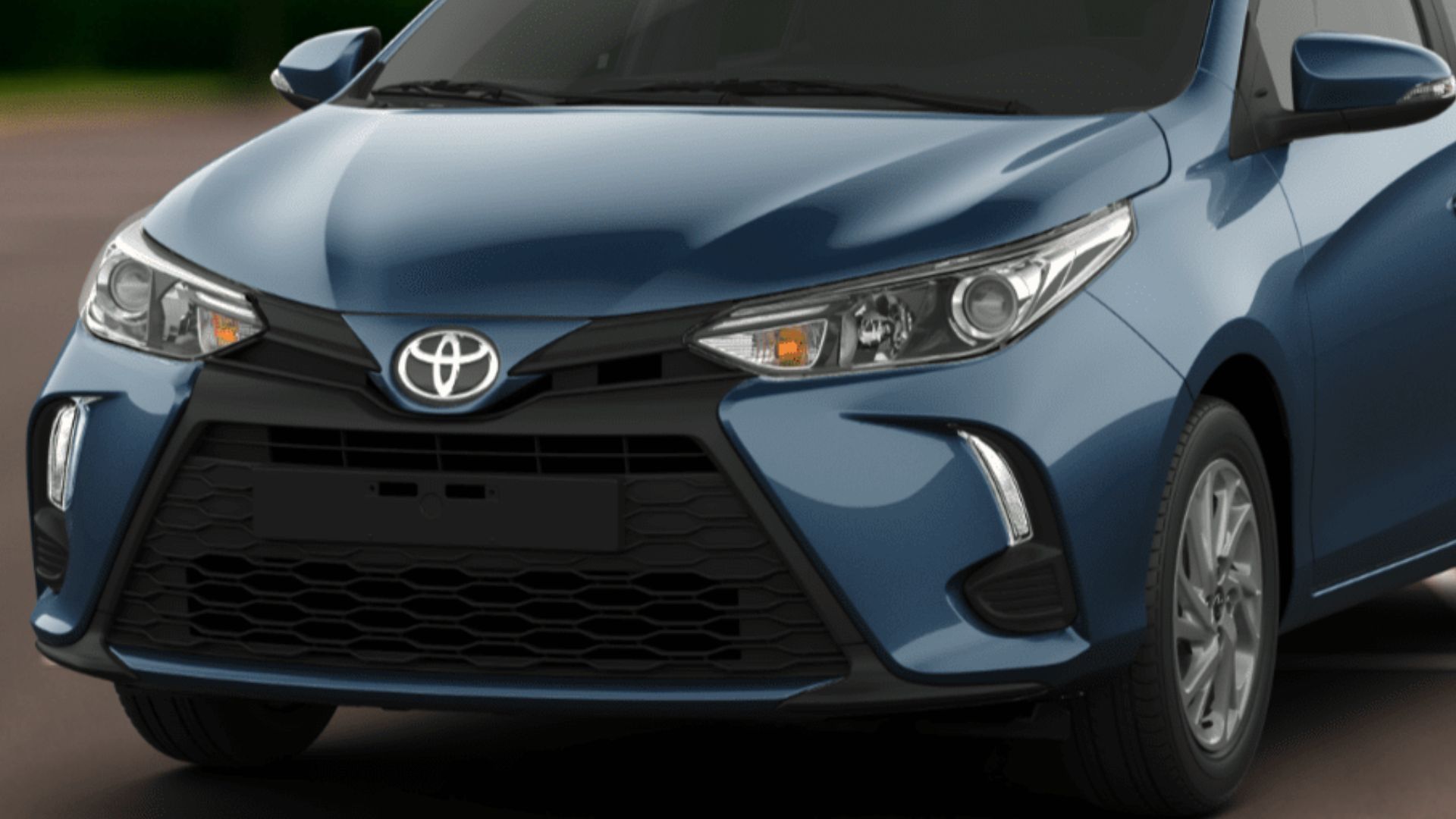


Kia, Toyota and Honda Models Stand Out in the Used Car Market for Offering Good Interior Space, Reliable Sets, Balanced Fuel Consumption and Prices Around R$ 80 Thousand, Attracting Drivers Looking for Cost-Effectiveness Without Compromising Safety.
The heating of the used and semi-new market has created space for fully-equipped models with prices around R$ 80 thousand, especially for those prioritizing a generous trunk, efficient fuel consumption, and known mechanical sets.
Three options stand out in this segment: Kia Cerato EX 2019, Honda WR-V LX 2021, and Toyota Yaris Hatch XL Live 2021.
They combine space, essential equipment, and a reputation for reliability without straying from the budget.
-
The car stored for 38 years: when opening the barn door, what appears is breathtaking and looks like a scene from a movie!

-
Fiat works miracles in the Brazilian market, lowers the price of its 0 km hatch to R$ 69,990, reestablishes the model as the cheapest car in the country, and reignites the battle against Kwid and C3.
-
Chevette with cooking gas: How the gas cylinder ends up being used in cars clandestinely and why this makeshift solution can result in leaks, explosions, damaged engines, and seized vehicles.

-
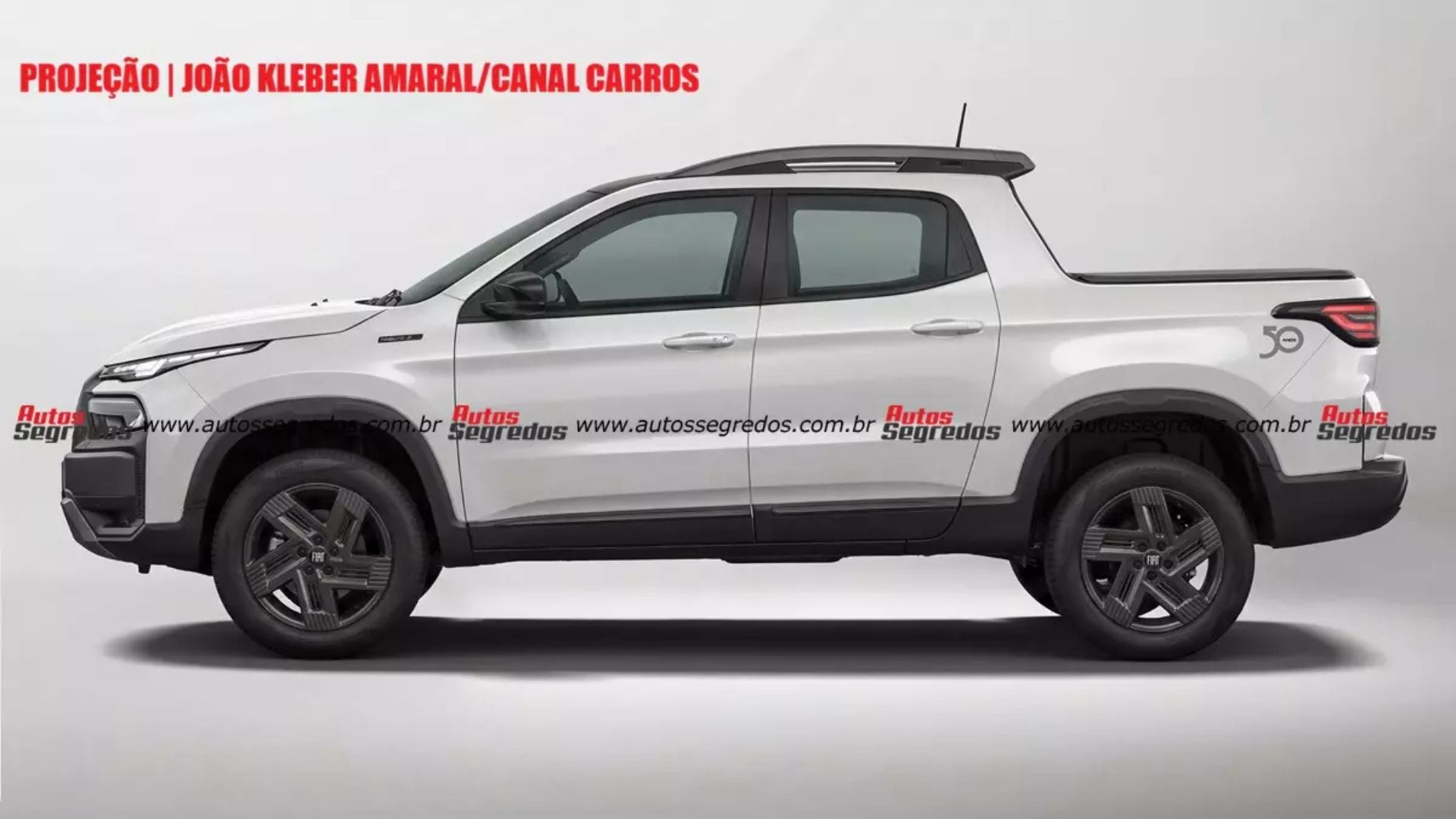
Fiat launches the new 2027 Toro hybrid with 48V, 176 hp, an electric motor of 15.5 hp, a 0.85 kWh battery, up to 7% fuel savings, 8% fewer emissions, and possible exemption from IPVA.

Kia Cerato EX 2019: Sedan Space and Full Package
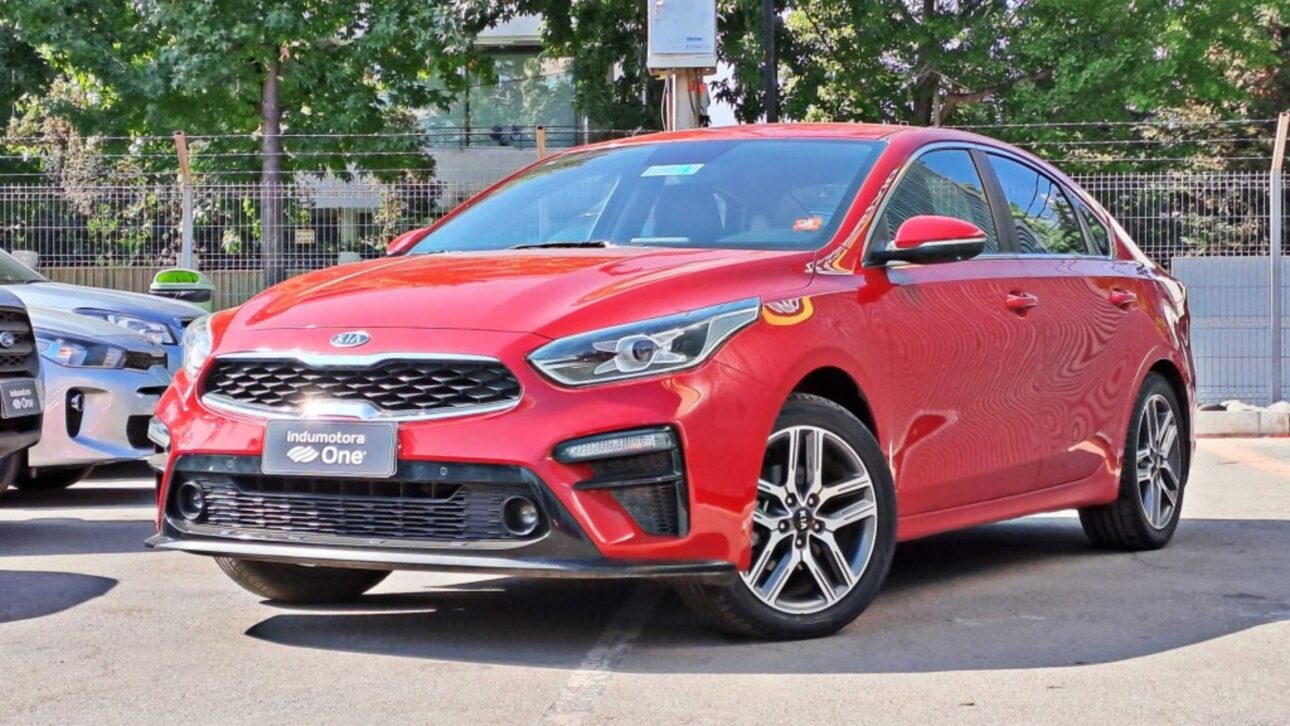
With prices close to R$ 80 thousand, the Cerato EX 2019 delivers a set geared towards family use and trips.
The sedan uses a 2.0 Flex four-cylinder engine, with 167 hp on ethanol and 157 hp on gasoline, coupled to a six-speed automatic transmission.
This is the same set present in various projects from the Kia-Hyundai partnership, which facilitates maintenance and parts.
In dimensions, the Cerato measures 4.64 m in length, 1.80 m in width and 1.45 m in height, with a wheelbase of 2.70 m.
The highlight is the trunk with 520 liters, one of the largest in the category and sufficient for family luggage on long trips.
The list of standard items includes air conditioning with rear outlets, power steering, conventional cruise control, 16-inch wheels, 8” multimedia compatible with Android Auto and Apple CarPlay, six airbags, traction and stability controls, hill-start assist, and automatic headlights, among others.
Thus, the sedan offers comfort and safety without requiring optional packages.
Honda WR-V LX 2021: Versatility and Ground Clearance
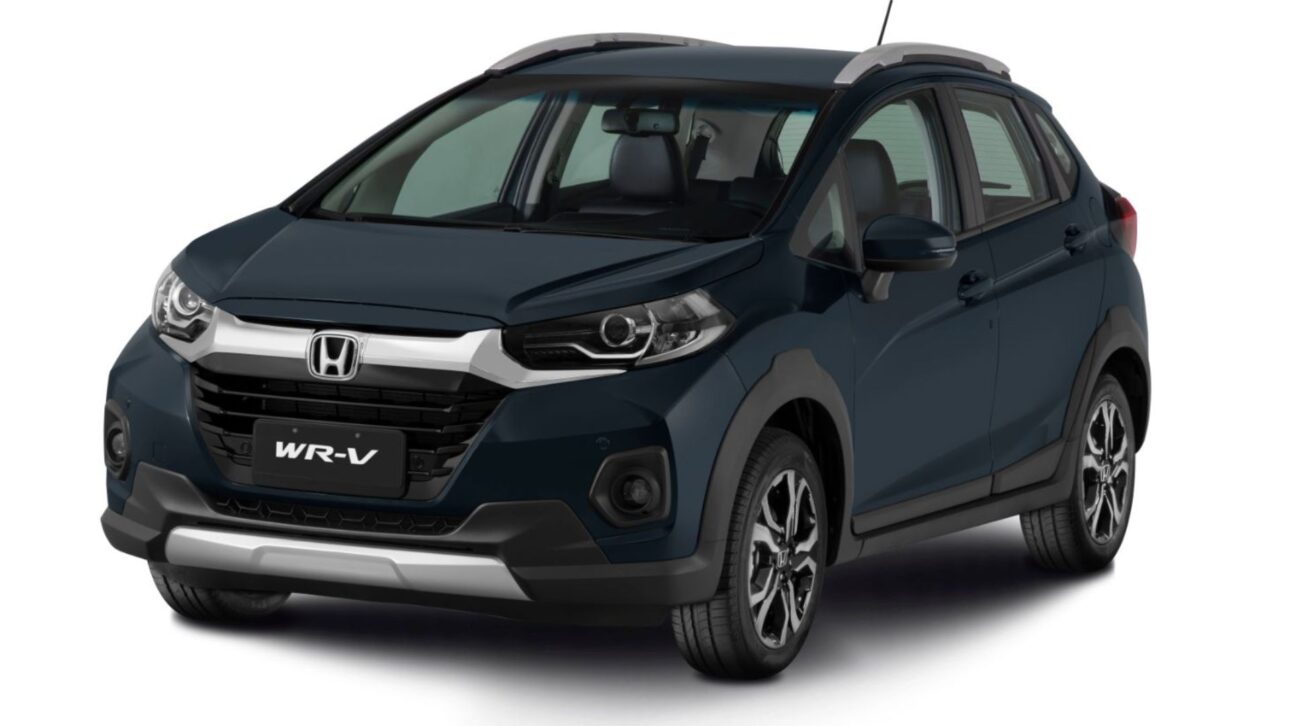
In the same price range, the Honda WR-V LX 2021 targets those who want more versatility in the city and on secondary roads.
The compact SUV uses a 1.5 Flex engine with up to 116 hp and 15.3 kgfm of torque on ethanol, combined with a CVT transmission with seven simulated gears.
This is a set found in other models from the brand, known for its robustness and efficiency in daily use.
The WR-V measures 4.00 m in length, 1.73 m in width, and 1.60 m in height; the wheelbase is 2.55 m.
The trunk accommodates 363 liters, while the ground clearance of 20.7 cm enhances the approach angle and reduces bumps on potholes and ramps, a useful attribute for those frequently facing uneven surfaces.
In terms of equipment, the model features digital air conditioning, electric steering, ABS brakes, front airbags, traction and stability controls, emergency braking alert, hill-start assist, Isofix, twilight sensor, tire pressure monitoring, LED daytime running lights, Bluetooth audio system, and rearview camera.
The proposal is to provide essential active safety and convenience even in the entry-level version.
Toyota Yaris Hatch XL Live 2021: Economy and Simple Maintenance
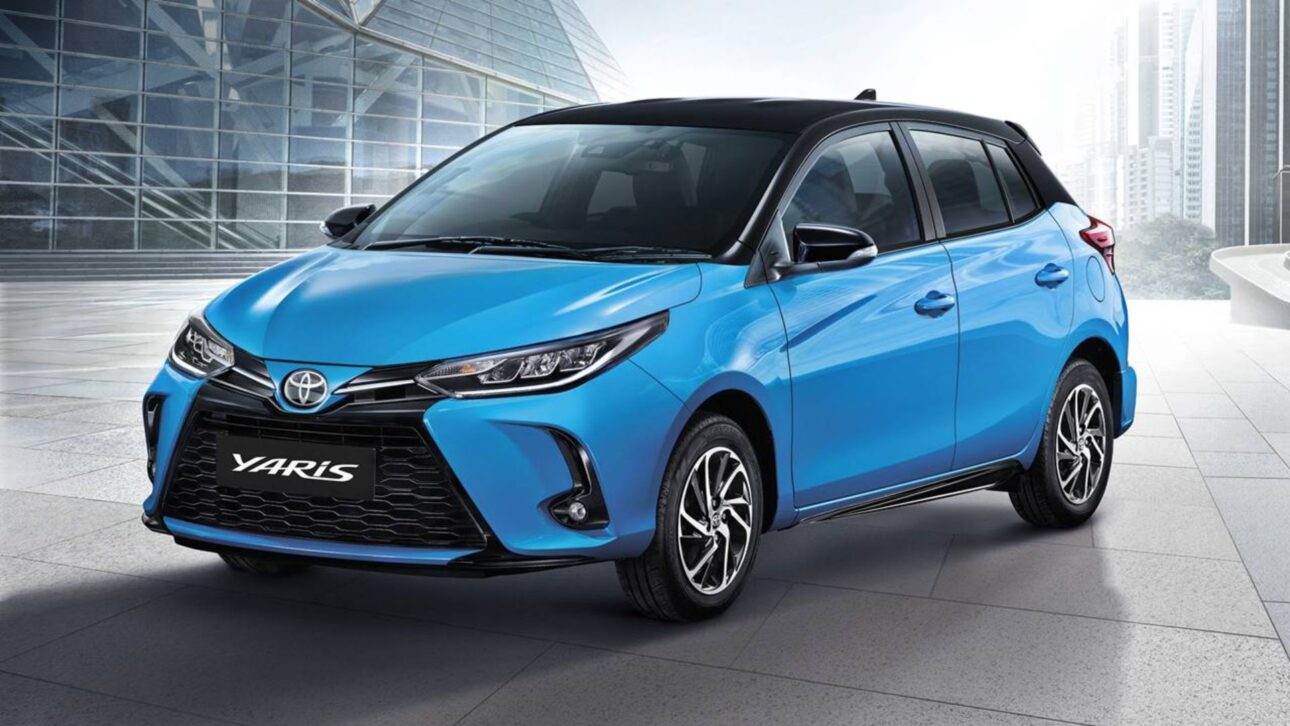
Among the three, the Toyota Yaris Hatch XL Live 2021 often appears for less than R$ 80 thousand, benefiting those looking for a lower acquisition cost.
The hatch uses a 1.3 Flex engine with up to 101 hp on ethanol and 94 hp on gasoline, with a torque of 12.9/12.5 kgfm, coupled to the CVT that simulates seven gears.
The focus is on fuel economy and smoothness in urban traffic.
In terms of dimensions, the Yaris measures 4.14 m in length, 1.73 m in width, and 1.49 m in height, with a wheelbase of 2.55 m.
The trunk holds 310 liters, sufficient for daily use and short trips, maintaining the practical compact hatch proposal.
The standard equipment includes digital air conditioning, electric steering, electric windows and mirrors, multifunction steering wheel, dashboard with onboard computer, steel wheels with hubcaps, multimedia center, six airbags, electronic traction and stability controls, and hill-start assist.
The combination of features, fuel consumption, and support network enhances the appeal for those prioritizing maintenance predictability.
What to Consider Before Closing the Deal
Regardless of the model, evaluating the service history and the overall condition of the vehicle is crucial to ensure the promised cost-effectiveness.
Check the maintenance manual, research if recalls have been addressed, and request an inspection that checks the structure, brakes, suspension, and any signs of collision.
This check helps avoid surprises that could nullify the advantages of price and reliability.
Another aspect is the balance between use and need.
Those who travel frequently or need a lot of luggage space are likely to benefit from the Cerato’s trunk.
For mixed journeys and irregular streets, the clearance of the WR-V offers an advantage.
On the other hand, the Yaris stands out for those who mainly drive in the city and want modest fuel consumption without compromising safety features.
In addition to usage, it is wise to compare insurance quotes and prices of common wear parts, such as brake pads, shock absorbers, and tires.
Models with high circulation often have wider availability and shorter turnaround times in workshops, a factor that weighs on daily routines.
How to Choose Between Them
For family profiles, the Cerato combines interior space and sedan trunk with a complete safety package.
Drivers encountering high bumps, potholes, and light dirt roads find in the WR-V the ground clearance and driving position typical of a compact SUV, without penalizing fuel consumption.
Those looking for the lowest initial expense and intense urban driving are likely to adjust to the Yaris, which balances CVT smoothness, a useful item list, and predictable maintenance. Given this scenario, which of the three best suits your daily use and budget today?








Amigo. Não dá pra comparar o cerato com esses outros dois. O cerato é outro nível de carro.