





 Portuguese
  English
  Spanish
  3 min of reading
  0 comments


Elevated And Technological Mega Structure Promises To Redefine Standards Of Global Sports Architecture
A large-scale architectural and sports project recently emerged on the international scene and drew attention to the structural plans of the Kingdom of Saudi Arabia.
The Prince Mohammed Bin Salman Stadium began to take shape with a bold and technically ambitious proposal.
The project envisions an arena capable of hosting about 46,000 spectators at approximately 350 meters high.
Thus, the structure becomes one of the most impressive sports ventures ever planned on the planet.
In addition, the Saudi government presented the stadium as one of the main venues for the FIFA World Cup 2034.
The FIFA confirmed Saudi Arabia as the host of the World Cup in 2023, a fact that boosted the official presentation of architectural models and concepts for the complex.
-
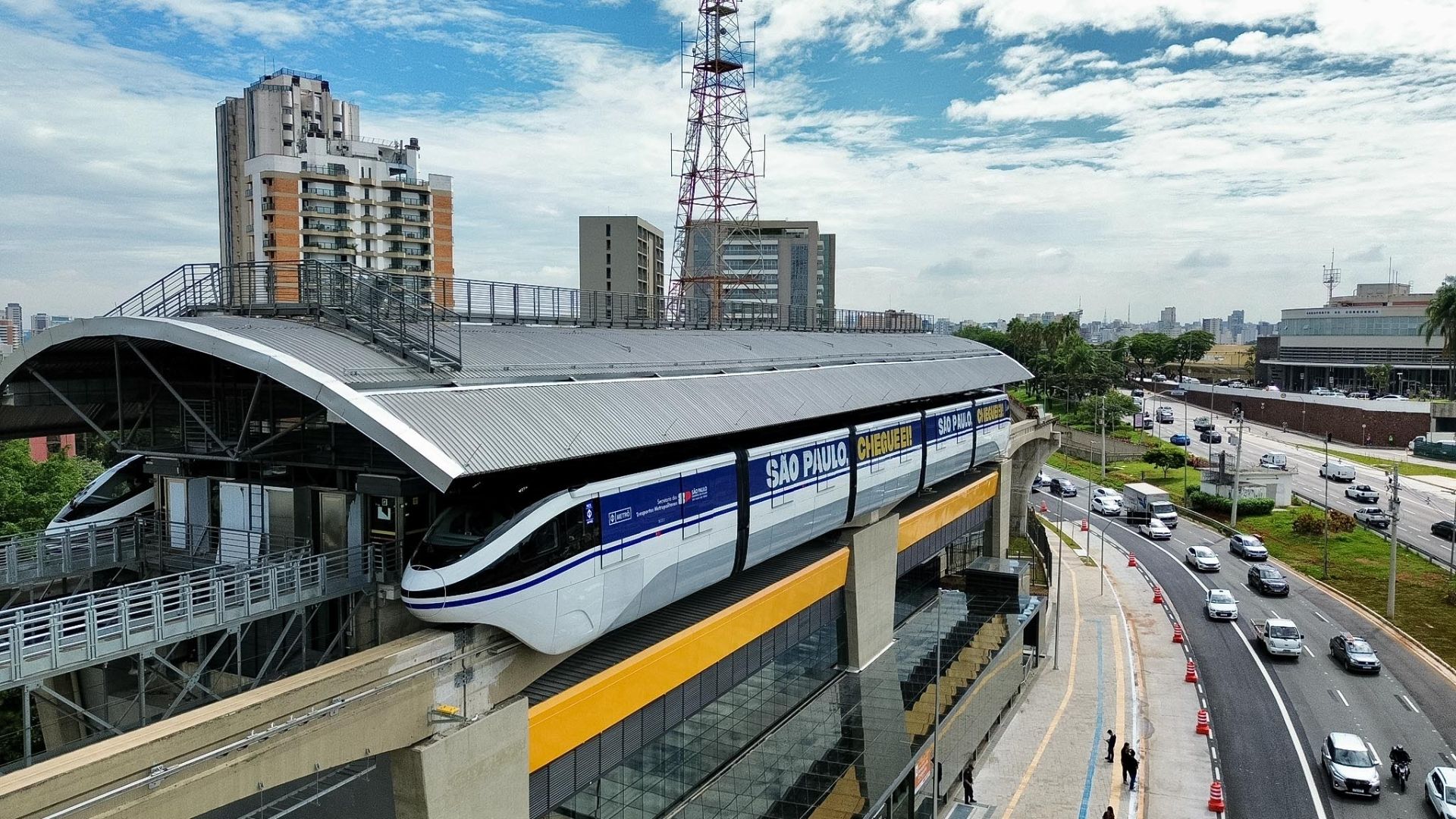
Congonhas receives the monorail promised for the 2014 World Cup after more than a decade of delays and becomes the first airport in Brazil with integrated subway.
-
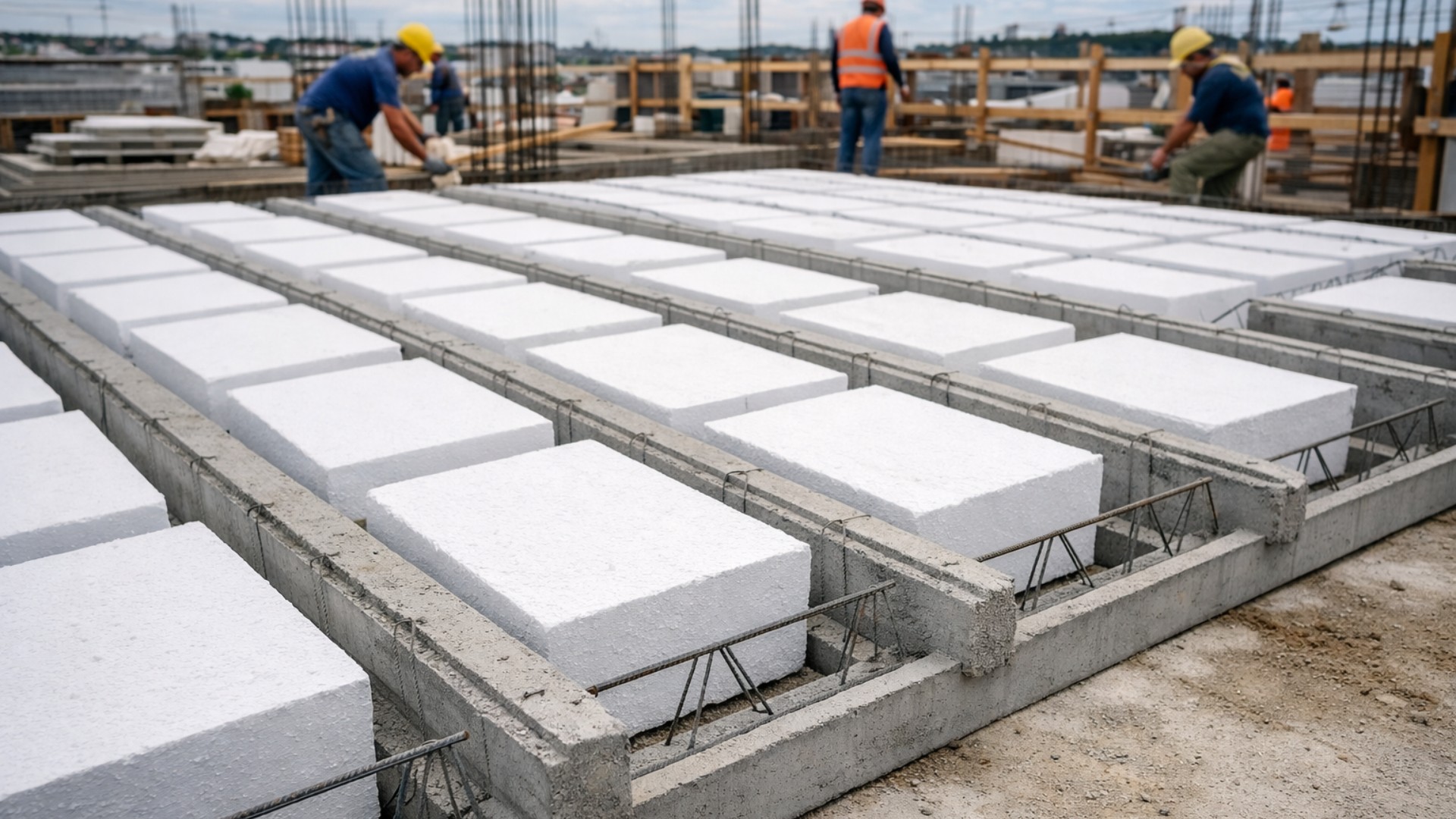
Goodbye, concrete: a new trend in civil construction reduces the weight of the structure by up to 30%, accelerates projects by up to 40%, cuts costs on steel and labor, and improves thermal insulation with EPS.
-
Russian engineers create an innovative propeller blade for aircraft that could completely change the way airplanes and helicopters operate.

-
Couple finishes building PVC chalet on the beach on the last day, with air conditioning and curtains, but discovers the bathroom drain is inverted: water escapes from the drain, risking breaking the floor, and the rush continues before the trip.


In this context, the venture integrates a broad national program for structural modernization.
Therefore, the project symbolizes the country’s effort to expand its presence in the global sports entertainment scene.


Elevated Structure Creates New Experience For Fans
The architectural project aims to offer a panoramic and immersive experience to the audience.
For this reason, engineers planned the stadium within an elevated architectural complex.
The height of the arena is not just a visual element.
In practice, this feature provides new perspectives on the sporting spectacle and enhances the impact of the experience for fans.
Additionally, the complex will function as a multifunctional arena, capable of hosting different types of events throughout the year.
Among the planned uses are:
- International football matches
- Major sporting events
- Large-scale shows and performances
After the completion of the construction, the stadium will also host matches of two of the main clubs in the country.
Among them are:
- Al-Hilal
- Al-Nassr
Thus, the arena enhances its relevance in the international sports scene.
Technology And Innovation Shape The Stadium Project
The Prince Mohammed Bin Salman Stadium combines various technological solutions aimed at modern sports entertainment.
Among the resources planned in the project are:
- Large-scale LED wall
- Holographic projections during events
- Retractable grass for different configurations
- Mobile roof for arena adaptation
These solutions appeared in the models and public presentations disclosed by Saudi authorities after the confirmation of the 2034 World Cup.
In this way, the stadium will be able to quickly adapt the space for different formats of spectacle.
Sports Arenas Enter A New Technological Phase
The Saudi project aligns with a technological transformation already taking place in sports arenas around the world.
For example, the National Basketball Association (NBA) is testing courts equipped with ultra-high-definition LED surfaces.
At the same time, the National Football League (NFL) is investing in augmented reality technologies to enhance audience interaction.
In this innovative scenario, the Prince Mohammed Bin Salman Stadium emerges as an architectural and technological landmark.
The combination of advanced engineering, large audience capacity, and multifunctional use positions the project as a reference in the new generation of sports complexes.
In light of this advancement in sports architecture and technology applied to stadiums, to what extent can increasingly innovative arenas transform the future of global sports entertainment?









Seja o primeiro a reagir!