





 Portuguese
  English
  Spanish
  5 min of reading
  3 comments


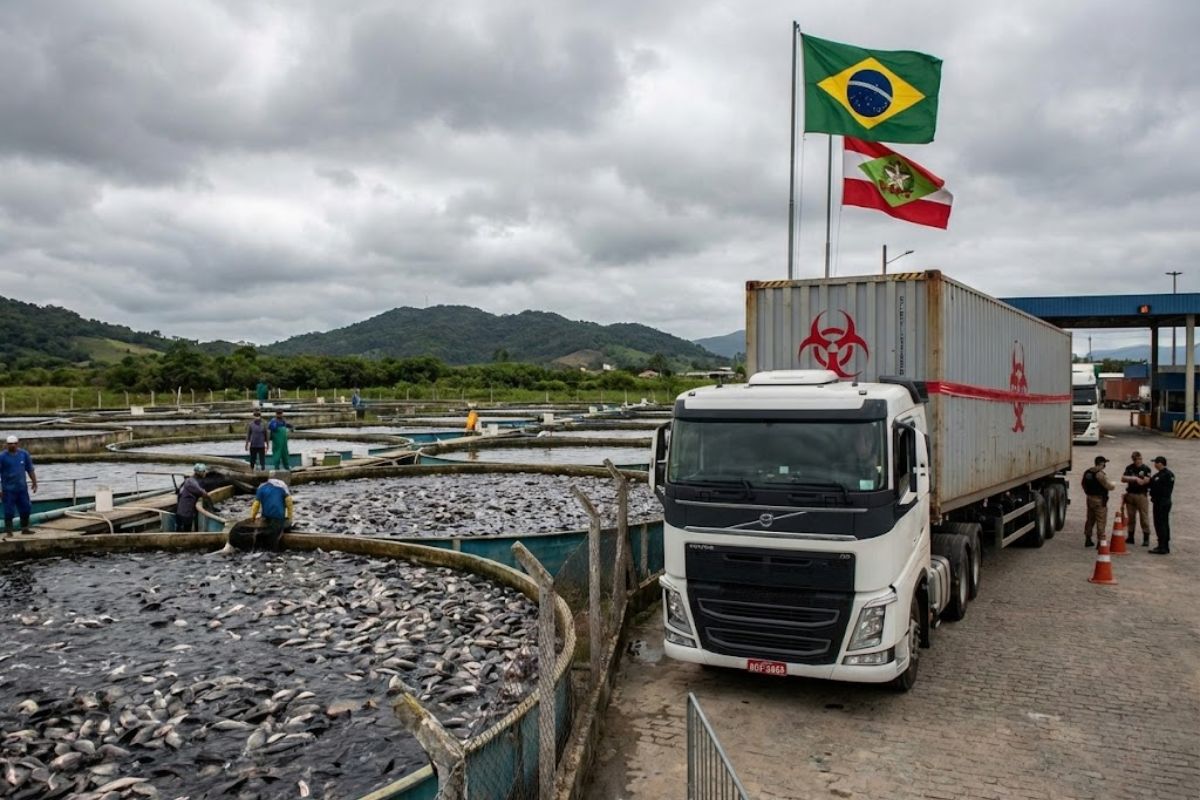


With Fear Of Virus Linked To Vietnamese Tilapia, Santa Catarina Ignores Federal Authorization, Bans Import And Sale Of Fish, Tries To Shield 59 Thousand Annual Tonnes, About 30 Thousand Producers And The Capital Of Santa Catarina For Tilapia, Armazem, In The Face Of The First Foreign Shipment, With 700 Tonnes Expected To Arrive Still.
The Dispute Over Imported Tilapia From Vietnam Gained A Decisive Chapter On Wednesday (17), When The Government Of Santa Catarina Published In An Extra Edition Of The Official Gazette The Ordinance That Bans The Import, Sale, And Distribution Of Fish Throughout The State, Contrary To The Federal Government’s Decision To Allow The Entry Of The Asian Product.
The Measure Was Announced By The Secretary Of Aquaculture And Fisheries, Tiago Frigo, Who Justified The Ban On Vietnamese Tilapia Because Of The Presence Of Tilapia Lake Virus, An Agent Capable Of Decimating Entire Farms Where It Is Reported. The Decision Occurs Just As The First Shipment, With 700 Tonnes, Is Expected To Arrive In Brazil This Month, Raising Concerns About Health, Competition, And Investment Security.
Santa Catarina Faces Brasília To Shield Santa Catarina Tilapia
According To Tiago Frigo, The Secretariat Published A Specific Ordinance That Bans Tilapia From Vietnam And Other Asian Countries Where The Tilapia Lake Virus Has Already Been Reported.
-
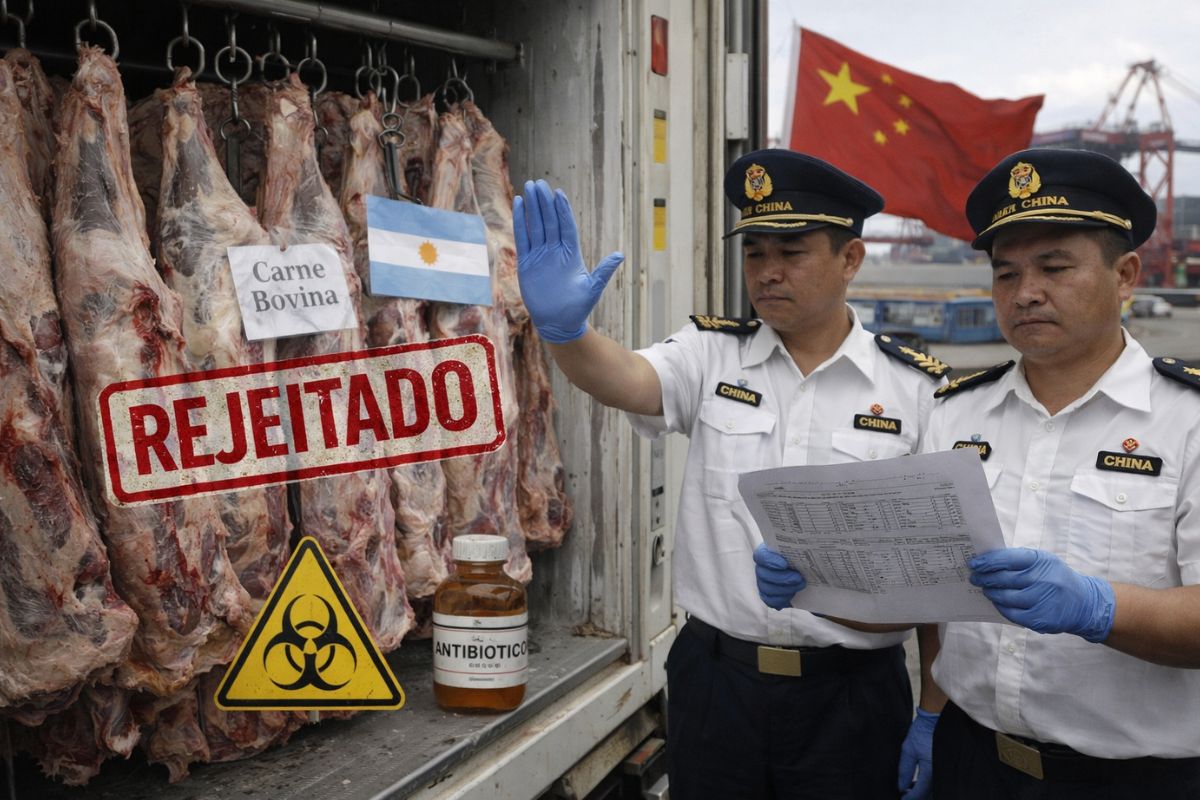
China rejected an entire shipment of beef from Argentina after detecting an antibiotic so dangerous that it has been banned for human consumption for over 30 years, and now the export sector is facing a crisis of international trust.
-
With nearly 500 thousand tons per year, barley production is growing in Brazil, while a decline in beer consumption among Generation Z raises alarms in the sector.

-
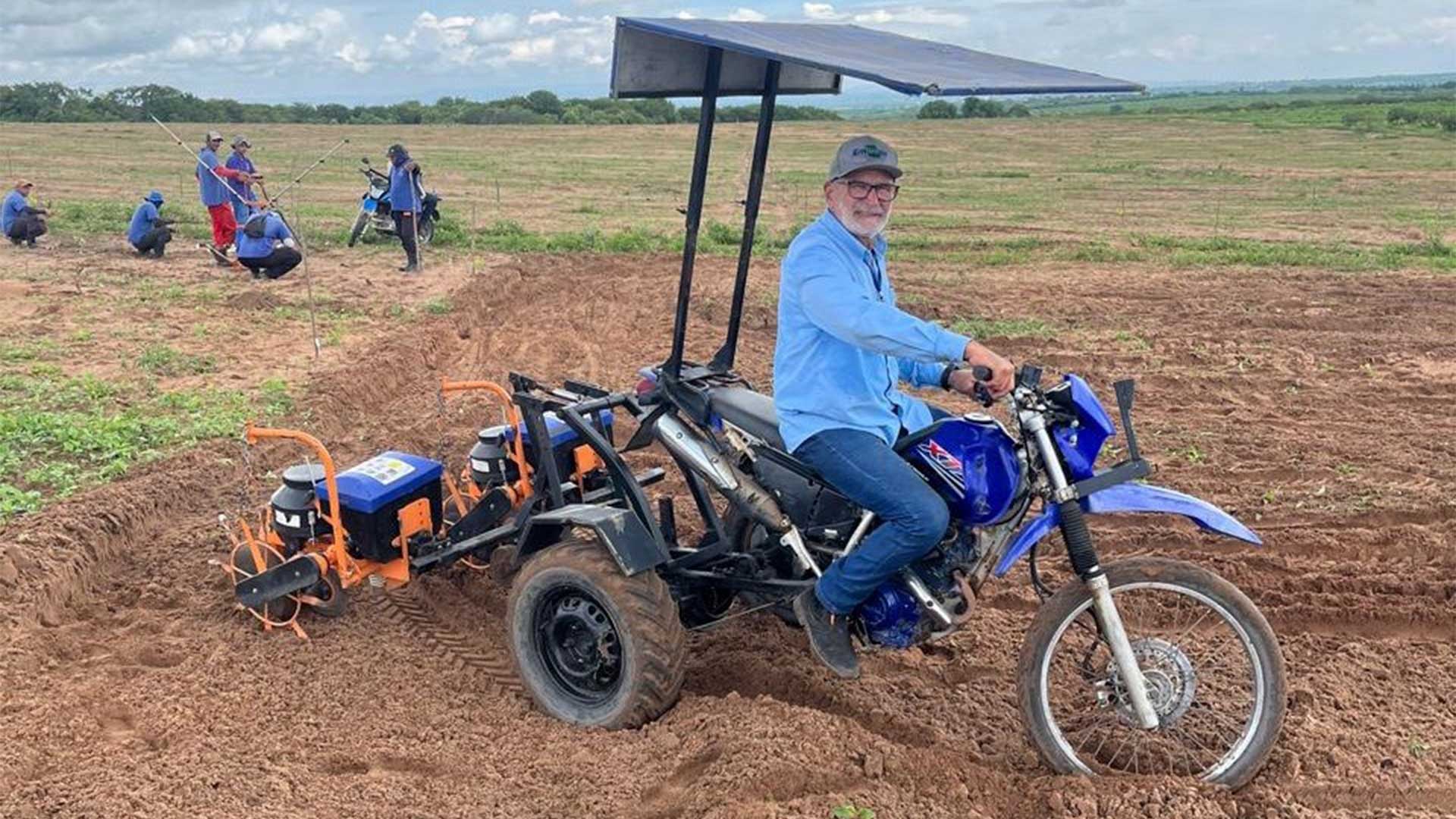
With tractors out of reach for small producers, a tricycle created by Embrapa Algodão becomes a cheap and efficient solution and gains national prominence.
-
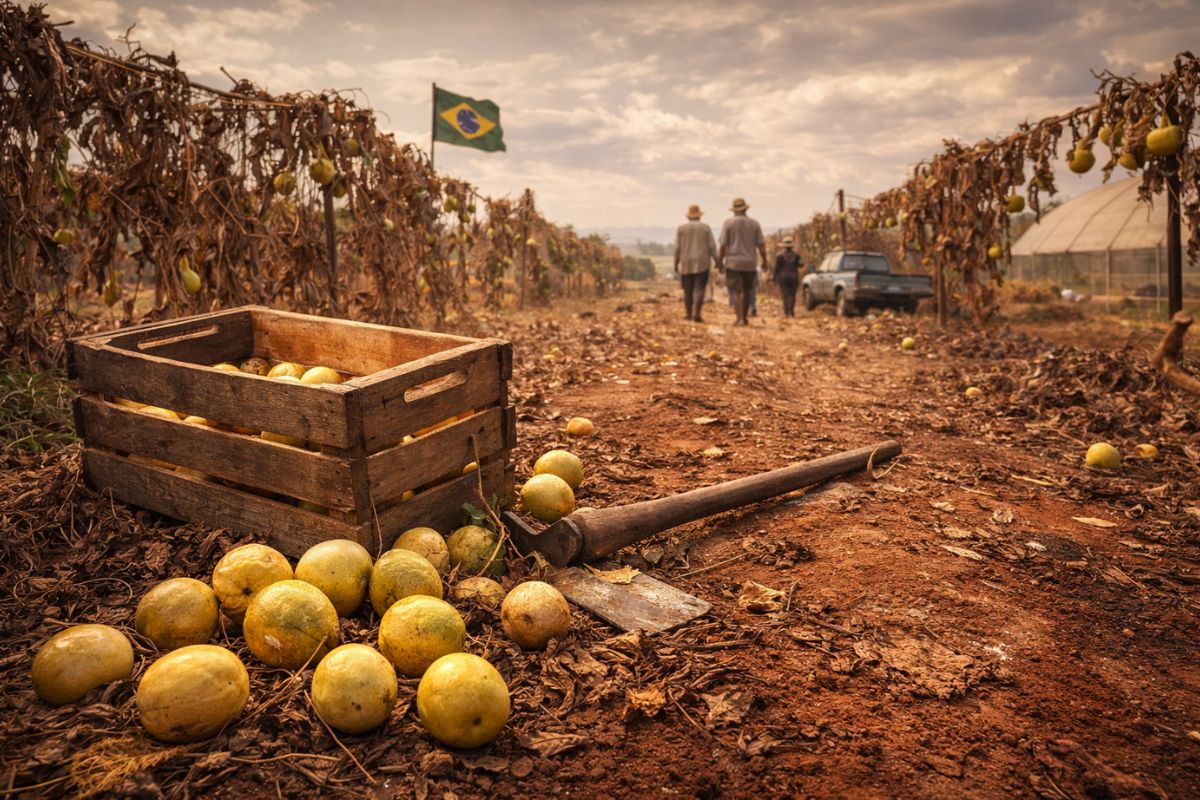
From 130 producers in the year 2000 to just 15 today: the dramatic decline of passion fruit in Araguari shows how the lack of labor in the Brazilian countryside is killing a decades-old agricultural tradition, even with Brazil being the largest producer in the world.

The Order Applies To Import, Sale, And Distribution Within Santa Catarina, Regardless Of The Authorization Granted By The Federal Government.
“The Objective Is To Block Any Possibility Of This Virus Entering Santa Catarina,” The Secretary Stated In An Interview With NDTV RECORD.
In Practice, The State Challenges Brasília To Preserve Its Own Tilapia Production Chain, Considered Strategic Both From An Economic And Sanitary Point Of View.
The State Decision Comes In The Wake Of The Inclusion Of Tilapia On The List Of Invasive Alien Species By The National Biodiversity Commission.
The Fish Is Not Native To Brazil And Has Already Been Identified In Rivers Outside The Controlled Production Areas, Which, According To The Ministry Of The Environment, Can Generate Environmental Imbalances And Increase Risks To Local Ecosystems.
Tilapia Production In SC Is Worth Over R$ 500 Million
The Numbers Help Explain Why Tilapia Has Become A Central Theme In Santa Catarina. According To Epagri, The State Produces About 59 Thousand Tonnes Of Tilapia Per Year And Ranks Fourth In The National Ranking, Behind Paraná, São Paulo, And Minas Gerais.
This Tilapia Production Alone Moves More Than R$ 500 Million In Sales, Ensuring Direct Or Indirect Income For Approximately 30 Thousand Fish Farmers In Santa Catarina.
Any Sanitary Or Competitive Threat From Imported Tilapia Is Seen By The Sector As An Immediate Risk To Jobs, Small Producers, And The Long-Term Planning Required By Fish Farming.
Producers Fear That The Mass Entry Of Foreign Tilapia, With Potentially Lower Costs, May Pressure Internal Prices While Also Bringing A Virus That Is Still Absent In The State.
The Fear Is To Lose Market Share While Also Endangering The Health Of Santa Catarina’s Tilapia Farms.
Amurel And Armazém, The “Capital Of Tilapia” In Santa Catarina At The Center Of The Dispute
The Amurel Region (Association Of Municipalities Of The Laguna Region) Concentrates Approximately One Third Of All Tilapia Produced In Santa Catarina, Establishing Itself As The Main Hub Of The State.
There, The Average Productivity Reaches About 30 Tonnes Of Tilapia Per Hectare, Resulting From Strong Investment In Technology And Management.
In The City Of Armazém, In Southern Santa Catarina, This Productivity Nearly Doubles, Reaching 60 Tonnes Of Tilapia Per Hectare.
The Municipality Is Officially Recognized As The Capital Of Tilapia In Santa Catarina And Has Become A Reference In The Activity.
There Are 26 Producers Who Rely Exclusively On Fish Farming, With An Average Annual Production Of 4 Thousand Tonnes, And An Expectation To Reach 5 Thousand Tonnes By 2025.
For These Producers, The State Government’s Decision To Ban Vietnamese Tilapia Is Seen As A Move To Defend A Consolidated Hub, With High Productivity And A Strong Impact On The Local Economy, Against An External Product Surrounded By Sanitary And Regulatory Doubts.
Tilapia Requires Strict Control Of Water, Feeding, And Health
The Raising Of Tilapia In Santa Catarina Depends On Strict Controls. Water Quality Is Closely Monitored, As Are Levels Of Oxygen, Ammonia, Nitrite, And Nitrate, Decisive Parameters To Avoid Mass Mortality And Maintain The Proper Growth Of The Fish.
In Addition, The Daily Feeding Of Tilapia Follows Defined Technical Protocols, Adjusted According To The Development Stage Of The Fish.
The Activity Is Licensed And Subject To Strict Environmental And Sanitary Regulations, With Constant Oversight By Specialized Teams, Which Increases The Sense Of Injustice Among Producers In Light Of The Possibility Of Imported Tilapia Entering With A History Of Viruses.
In The Sector’s Assessment, Any Failure In The Sanitary Control Of Tilapia Entering The Country Could Compromise Years Of Investment In Genetics, Farm Structures, Aeration Systems, And Feeding Technology.
The Santa Catarina Ordinance Aims To Close This Door Before The Problem Appears In The State’s Lakes And Rivers.
Sanitary Risk, Competitive Pressure, And The Future Of Tilapia In Santa Catarina
The First Shipment Of 700 Tonnes Of Tilapia From Vietnam, Expected To Arrive In Brazil Later This Month, Is Seen As A Test For The Entire Protection Model Adopted By Santa Catarina.
While The Federal Government Bets On Controlled Release, The State Opts To Shield Its Tilapia Production Chain And Keep The Tilapia Lake Virus Away From Its Territory.
At The Same Time, Producers Watch With Suspicion The Combination Of Increased Supply Of Imported Tilapia And High Internal Costs, Fearing A Price Drop That Could Compromise The Viability Of Their Properties And The Security Of Investments.
And You, Do You Think Santa Catarina Is Right To Prohibit Vietnamese Tilapia To Protect Its Producers And The Health Of Its Farms, Even With The Federal Government’s Release?








E sabem que iria importar a tilapiado vietnam???? A JBS
Kkkk q piada, provavelmente os catarinenses estão infectados por um vírus q ataca o QI de uns tempos para cá , o maIor cliente de tilápia do Vietnã são os EUA depois os europeus, vendem para o mundo inteiro mas os gênios acham na sua imensa sabedoria q os 25 estados mais o DF são todos **** e ignorantes menos eles q são majoritariamente portugueses na capital e italianos no interior mas “pagam” de alemães.
Comprar um peixe que já foi barrado na Europa, comprovadamente com vermes, vírus e excesso de bactérias vindo dos esgotos, pois o país não tem tratamento de esgoto e são criadas sem controle de higiene e saúde dos peixes. Boicote total.