





 Portuguese
  English
  Spanish
 4 min of reading
  0 comments


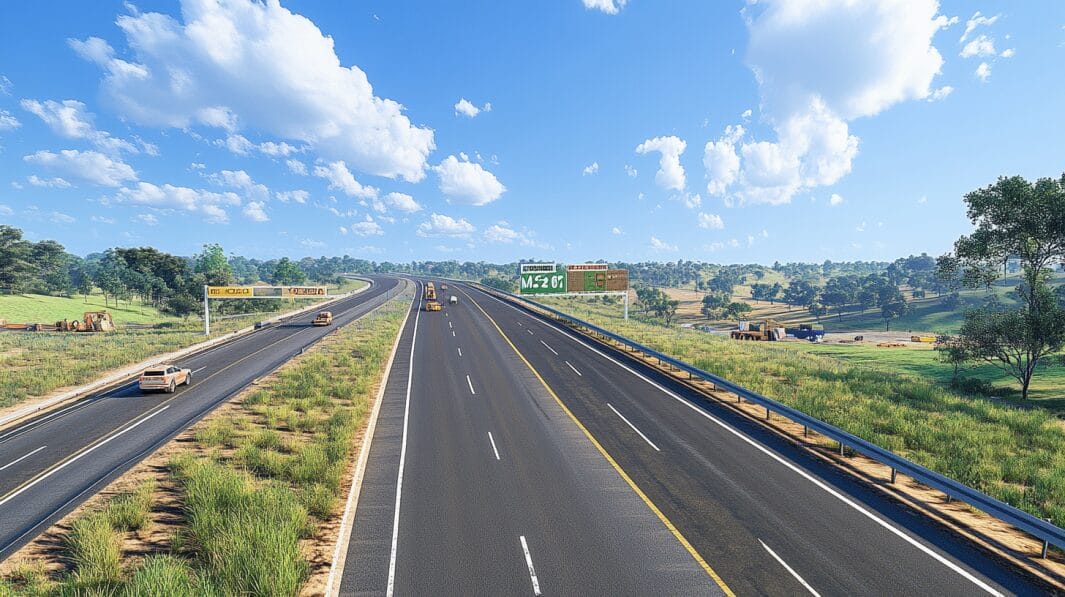
Mato Grosso do Sul Stands Out with Billion-Dollar Investments in Highways and Partnerships with the Private Sector. Can the State Become a National Reference in Highway Infrastructure?
Mato Grosso do Sul is becoming a reference when it comes to highways. But what few know is that this advancement did not come by chance.
With billions in investments and a strategic partnership with the private sector, the state has secured a prominent place among the best highway networks in Brazil, surprising even the more traditional states.
What Lies Behind This Success? That’s what we will find out now.
-
Elon Musk’s Starship megafrocket puts $8 billion at risk, raises alarms in the market, and could affect technology, mining, and space internet startups in the coming years.

-
Airfare prices may rise with increasing fuel costs, and the government is considering urgent measures to avoid a direct impact on the wallets of Brazilians.
-
Chocolate prices soar nearly 15% and become a luxury item for Easter 2026, with increases surpassing inflation and changes in Brazilian consumption habits.

-
The Federal Revenue issues a good alert for Brazilian taxpayers: 60.9% are already using the pre-filled tax return, automatic refunds via Pix reach millions, and the government plans for a fully automated income tax in the coming years.


According to the 2024 States and Municipalities Competitiveness Ranking, released by CLP (Center for Public Leadership), Mato Grosso do Sul ranks fourth in the country in terms of road quality.
This places the state behind only São Paulo, Alagoas, and the Federal District, an impressive achievement.
According to experts, this position is due to an efficient policy aimed at enhancing the infrastructure and logistics of the region.
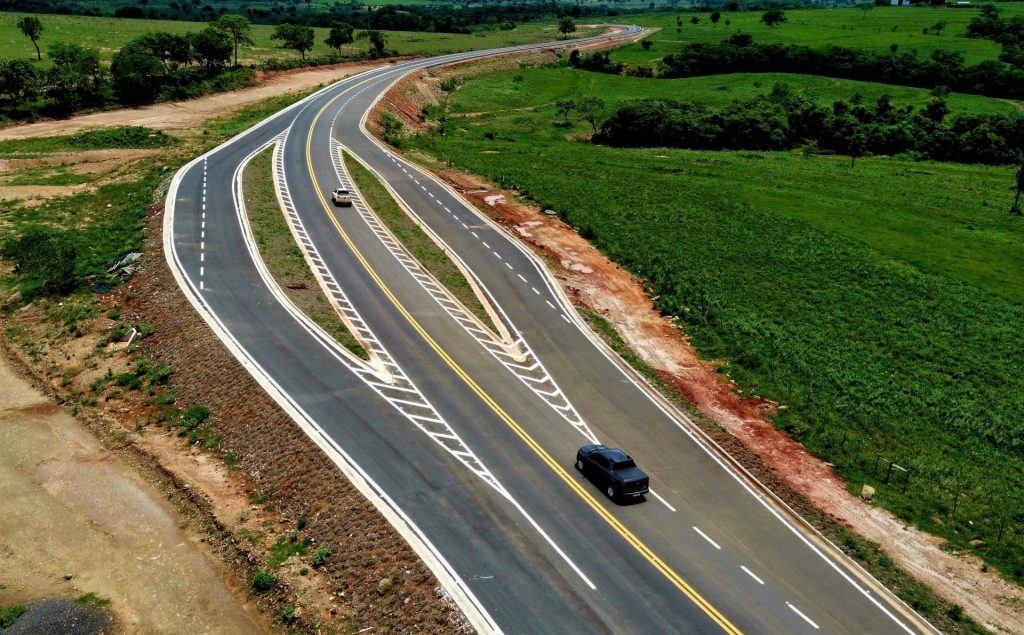
Mato Grosso do Sul: Billions in Investments
One of the major factors that placed Mato Grosso do Sul at the top of the ranking is the massive investment that the state government has been making.
R$ 2.5 billion has been invested directly in the roads, benefiting all regions.
The goal? To improve the flow of production, ensure the safety of drivers, and contribute to local economic growth.
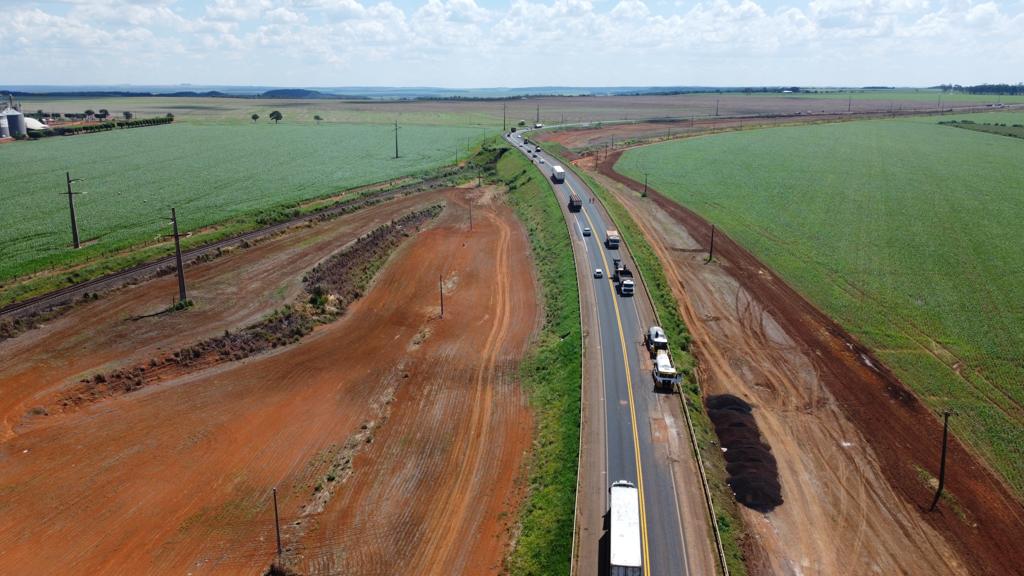
Paving works are underway throughout the state, including the paving of the MS-270, a strategic highway in the border region, connecting areas like Copo Sujo and Cabeceira do Apa, in Ponta Porã.
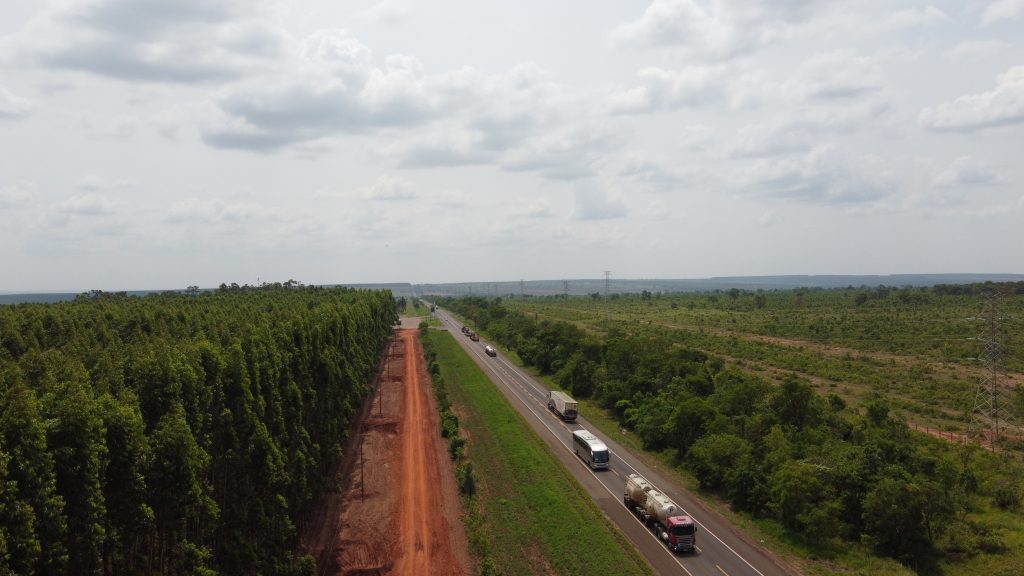
The Cellulose Route and Development Hubs
Another highlight is the investments in the so-called Vale da Celulose, one of the fastest-growing economic regions in Brazil.
More than R$ 380 million has been invested in highways such as MS-338 and MS-357, which now connect cities like Ribas do Rio Pardo and Camapuã.
These works are essential to facilitate traffic and boost the local economy.
Additionally, the state government is implementing the South Border Highway, with MS-165.
This project will integrate several cities in the border region and connect the state to Paraguay, creating new commercial and tourist opportunities.
Ecotourism and Infrastructure for Leisure
Tourism, which is one of the economic pillars of Mato Grosso do Sul, has also benefited from improvements in the highways.
The government recently delivered the so-called Estrada do 21, a project that will shorten the distance between Campo Grande and Bonito by about 80 km.
This route passes through the district of Águas de Miranda, a spot known for its natural beauty, and aims to facilitate access to the city of Bonito, one of the most famous ecotourism destinations in Brazil.
Another significant project is the paving of the Tourism Highway in Bonito, which now features asphalt and a bike lane, making access to resorts like Ecopark Porto da Ilha and Balneário do Sol even easier and safer.
Mato Grosso do Sul: Strategic Partnerships with the Private Sector
While the government is heavily investing in public works, partnerships with the private sector are also transforming highways in Mato Grosso do Sul.
A success example is the MS-306, which is now operated by the company Way-306.
With a 30-year concession, the company has significantly improved traffic conditions, with constant monitoring and a reduction in accidents.
Another important concession involves the complex formed by the MS-112, BR-158, and BR-436 highways, totaling 412 kilometers.
With this partnership, the state secured a modern and efficient highway network that offers more safety and comfort for drivers.
And the projects do not stop there. The next major concession is the so-called Cellulose Route, which includes stretches of the MS-040, MS-338, and MS-395 highways, as well as sections of the federal highways BR-262 and BR-267.
It is estimated that the auction, scheduled for December 2024, will attract R$ 9 billion in private investments.
According to Governor Eduardo Riedel, this will be one of the largest road projects in Brazil.
A Promising Future for the State’s Highway Network
The work does not stop in Mato Grosso do Sul.
With a solid infrastructure plan, the state continues to invest in new concessions and paving works that should further boost its competitiveness on the national stage.
According to Riedel, the modernization of highways is essential for the flow of production, driver safety, and economic development.
As we have seen, Mato Grosso do Sul is now among the federative units with the best highway networks in the country. But, in your view, reader, which state has the best highway network in Brazil today? Leave your answer in the comments!






Seja o primeiro a reagir!