





 English
  Francês
  Alemão
  Italiano
  Japonês
  Norueguês
  Portuguese
  Spanish
  6 min of reading


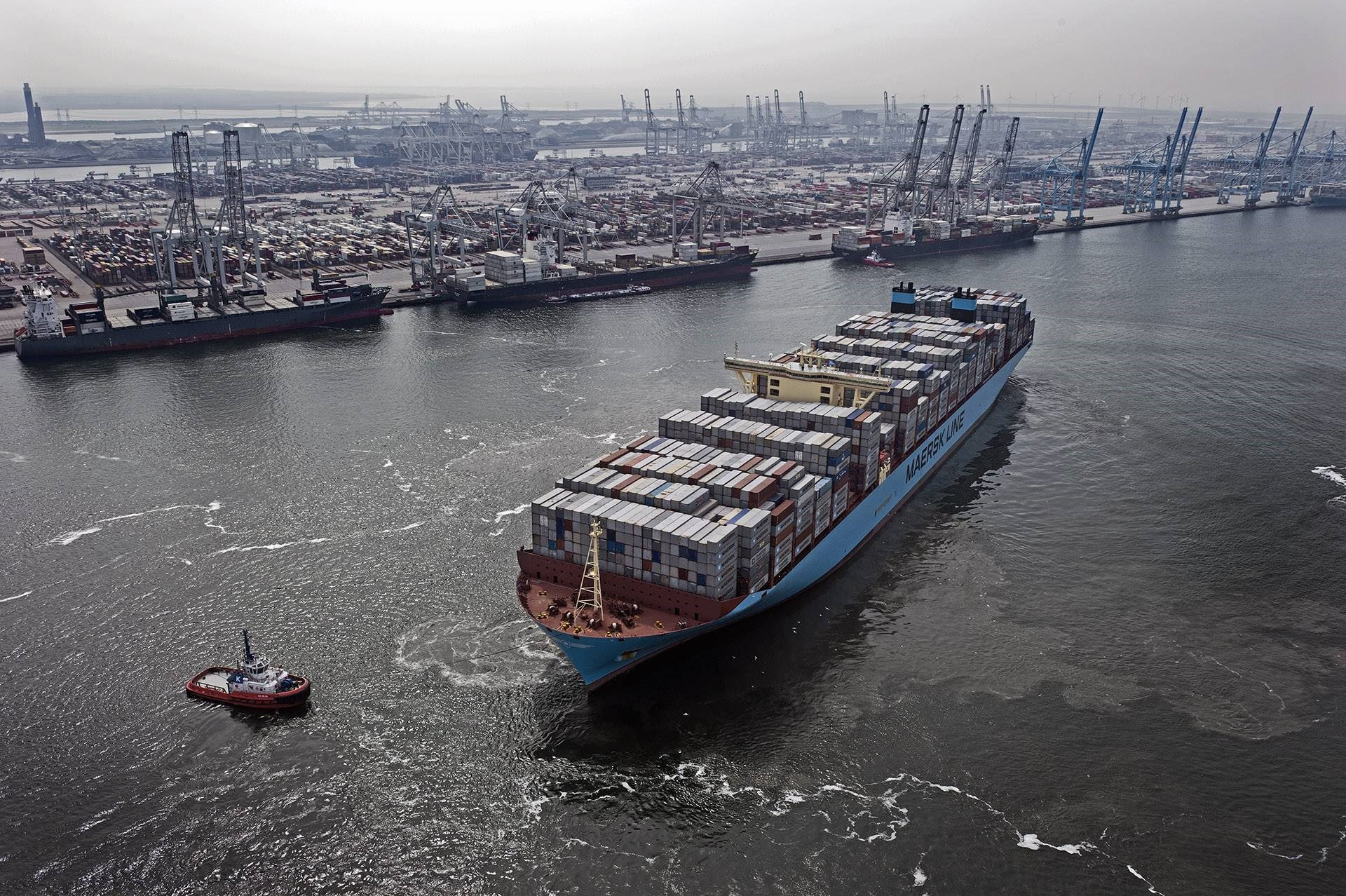
The Series Will Replace Older Vessels, Generating an Annual CO₂ Emission Savings of Approximately 1 Million Tons
Last week, we spoke about the agreement made by Maersk to secure green fuel for the world’s first carbon-neutral ship. Now we have more news: it’s not just one ship, but 8 container ships—with the aim of slowing down the decarbonization of the fleet. The ships will be built by Hyundai Heavy Industries (HHI) and have a nominal capacity of approx. 16,000 containers (equivalent to twenty feet – TEU). The agreement with HHI includes an option for four additional vessels in 2025. The series will replace older vessels, generating an annual CO₂ emission savings of approximately 1 million tons.
Read Also
- Resume and work card in hand for job openings in construction and maintenance; technicians, electricians, plumbers, drivers, and many more professionals called today, August 28
- Helper, Driver, Operator, Technician, and more job openings for construction works in MG
- Ambev, the largest brewery on the planet, invites applications for positions in SP; students from all areas and without experience can apply for the Internship Program 2022
- Ocyan and Actemium in partnership with Firjan invite women in Macaé for vacancies in a free welding apprentice course, on this day August 27
Maersk Accelerates Fleet Decarbonization With 8 Large Carbon-Neutral Ships
In the first quarter of 2024, the A.P. Moller – Maersk group will introduce the first of an innovative series of 8 large container ships capable of operating on carbon-neutral methanol. The ships will be built by Hyundai Heavy Industries (HHI) and have a nominal capacity of approx. 16,000 containers (equivalent to twenty feet — TEU).
The agreement with HHI includes an option for four additional vessels in 2025. The series will replace older vessels, generating an annual CO₂ emission savings of around 1 million tons. As pioneers in the sector, the ships will offer Maersk customers truly carbon-neutral transportation at scale on the high seas.
-
Brazilian giant expands borders in the Southeast: Petrobras confirms new oil discovery in ultra-deep waters in the pre-salt of the Campos Basin.

-
Alert in the global energy market: Severe tropical cyclone hits the coast and disrupts gas production at major plants in Australia, threatening global supply.

-
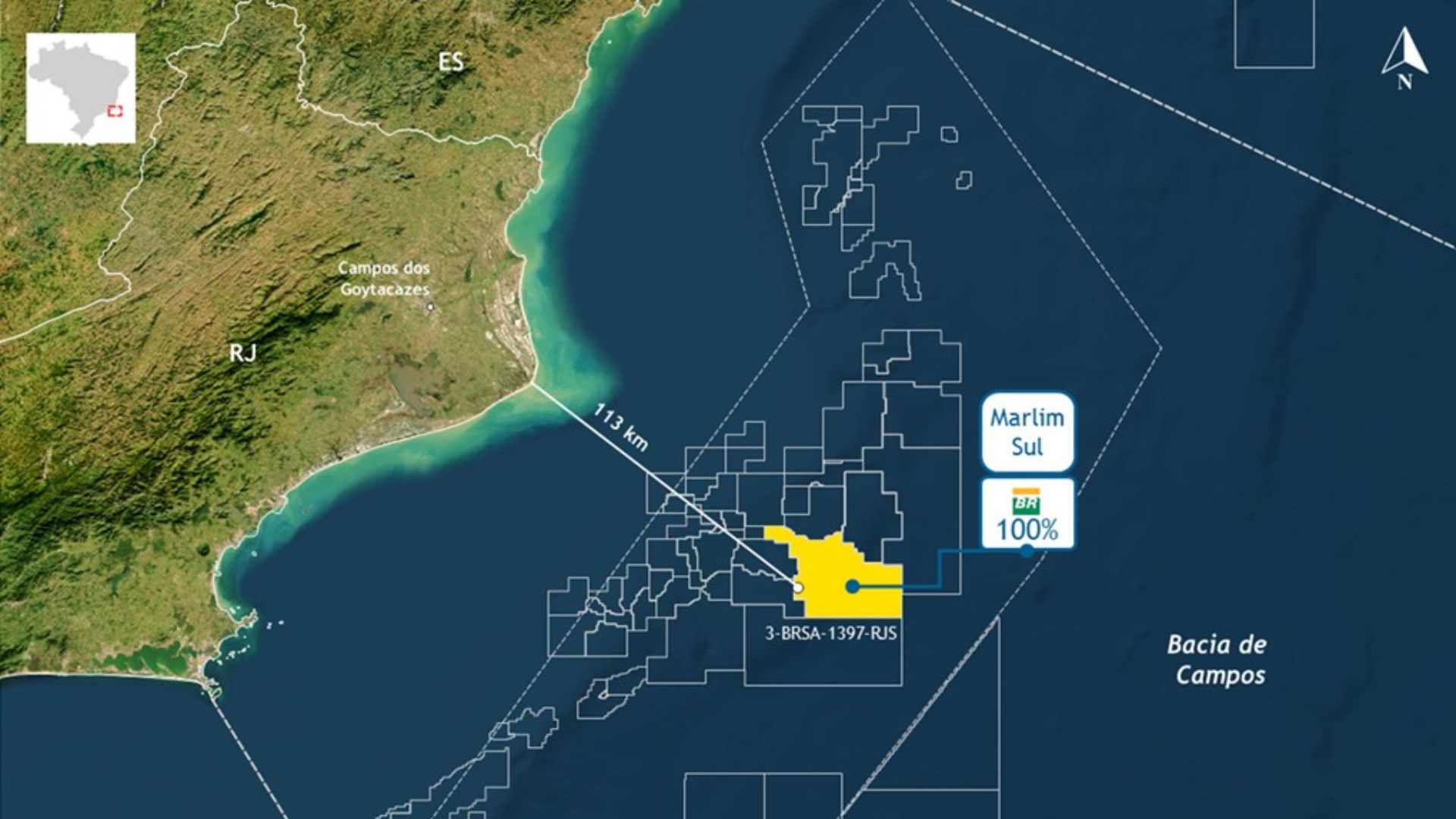
Petrobras finds high-quality oil in the pre-salt at 113 km from RJ and reignites expectations about strategic reserves in the Campos Basin.

-
Ocyan opens registrations for startups focused on innovation in the oil and gas sector and will select projects for Innovation Day with the support of Nexio.


More than half of Maersk’s 200 largest customers have set or are in the process of setting ambitious science-based targets, such as zero carbon for their supply chains. As part of Maersk’s ongoing collaboration with customers—corporate sustainability leaders—such as Amazon, Disney, H&M Group, HP Inc., Levi Strauss & Co., Microsoft, Novo Nordisk, The Procter and Gamble Company, PUMA, Schneider Electric, Signify, Syngenta, and Unilever are committed to utilizing and scaling zero-carbon solutions for maritime transport.
The vessels come with a dual-fuel engine configuration. The additional capital expenditure (CAPEX) for the dual fuel capability, which allows operation on methanol as well as conventional low-sulfur fuel, will be in the range of 10 to 15% of the total price. This will enable Maersk to make a significant leap in its commitment to scale neutral carbon solutions and lead the decarbonization of container logistics.
Maersk Aims to Address the Climate Challenge of Maritime Transport
According to A.P. Moller – Maersk CEO Soren Skou, “the time to act is now if we want to solve the climate challenge of maritime transport.” “This order proves that carbon-neutral solutions are available today across all segments of container ships and that Maersk is committed to the growing number of our customers seeking to decarbonize their supply chains. Additionally, this is a firm signal to fuel producers that considerable market demand for the green fuels of the future is emerging rapidly.”
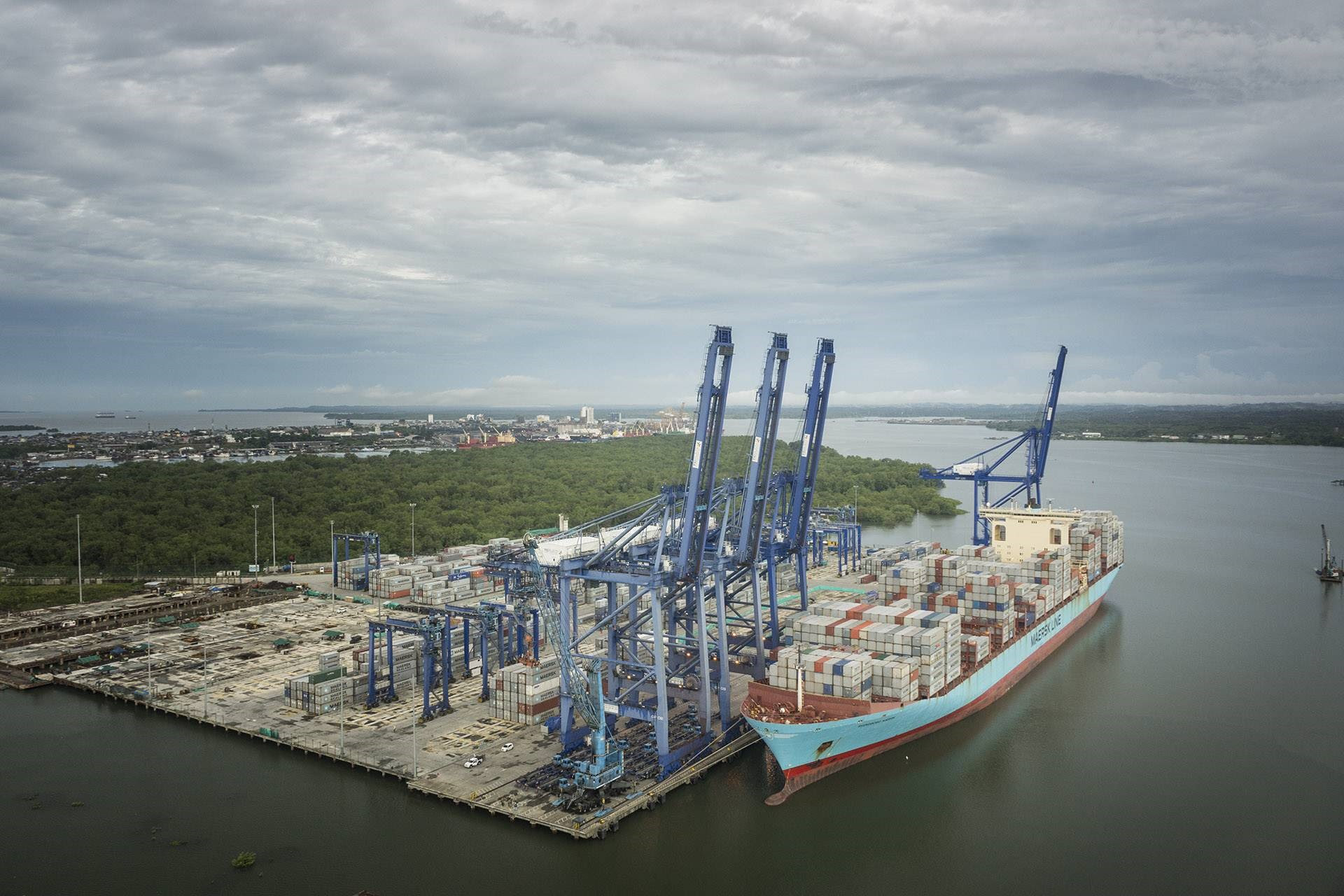
Maersk will operate the vessels with carbon-neutral e-methanol or sustainable bio-methanol as soon as possible. Providing an adequate supply of carbon-neutral methanol from day one of service will be challenging, as it requires a significant ramp-up in carbon-neutral methanol production, for which Maersk continues to engage in partnerships and collaborations with relevant players.
The vessels will be designed to have a flexible operational profile, allowing them to perform efficiently across various trades while adding flexibility to customer needs. They will feature a methanol propulsion configuration developed in collaboration with manufacturers such as MAN ES, Hyundai (Himsen), and Alfa Laval, representing a significant advancement in technology from the previous size limit of approximately 2,000 TEU. The ships will be classified by the American Bureau of Shipping.
“We are very excited about these additions to our fleet, which will provide exclusive access to carbon-neutral transportation at sea for our customers while balancing their needs for competitive slot costs and flexible operations. For us, this is the ideal type of large vessel to enable sustainable global trade at sea for decades to come, and from our dialogue with potential suppliers, we are confident we will be able to secure the necessary carbon-neutral methanol,” says Henriette Hallberg Thygesen, CEO of Fleet and Strategic Brands at A.P. Moller – Maersk.
The new ships come as part of Maersk’s ongoing fleet renewal program and will replace a tonnage of over 150,000 TEU that is reaching the end of its useful life and leaving the fleet managed by Maersk between 2020 and the first quarter of 2024.
The CAPEX for the announced ships is included in the current projection for the 2021–2022 biennium of US$ 7 billion. Maersk continues to reiterate its strategy of maintaining a fleet capacity in the range of 4.0 to 4.3 million TEU, combining vessels managed by Maersk.
What Customers Are Saying
Leyla Ertur, head of Sustainability at H&M, states that the company has sustainable ambitions and aims to achieve them in the coming years. “As an industry leader, the H&M Group has the responsibility to combat climate change. We aim to become climate neutral by 2030 and climate positive by 2040. We sincerely believe that our climate actions should be co-created with our partners. Maersk’s investment in large ships operating on green methanol is an important innovative step to support H&M Group’s climate goals in international freight, and we are proud to be part of this pioneering journey.
For Antoine Simonnet, supply chain director at HP Inc., “sustainability is embedded in our business and remains a core value at HP. Recently, we announced some of the most ambitious climate action goals in our industry, and to achieve them, we are implementing more sustainable transport solutions in our supply chain, including this green fuel collaboration with Maersk. It’s an important step for all involved companies to make the greatest possible impact and help combat the climate crisis.”
Maurice Loosschilder, head of Sustainability at Signify, believes that “the world is finally waking up to the climate crisis.” “The next decade should be one of ‘climate action’. With Brighter Lives, Better World 2025 — our five-year sustainability program — we have set a new target to go beyond carbon neutrality and double the pace at which we will meet the 1.5 °C scenario established by the Paris Agreement. The promise is to achieve this ambitious target across our value chain and do so six years ahead of schedule. Our renewed partnership with Maersk will help us scale zero-carbon solutions in our supply chain and logistics operations, providing a wide range of emission reductions,” he states.
According to Michelle Grose, head of Logistics and Sustainability at Unilever, the company is “committed to accelerating the transition to clean transport solutions, not only in our own operations but across global value chains, while we work towards achieving net zero emissions by 2039.”
“With logistics and distribution accounting for about 15% of our greenhouse gas emissions footprint, it’s important that we work with partners who are shifting to low-carbon fuels. We are proud of our partnership with Maersk as a pioneer in carbon-neutral transportation at sea,” she concludes.
About A.P. Moller – Maersk: it is an integrated container logistics company that works to connect and simplify its customers’ supply chains. As a global leader in maritime transport services, the company operates in 130 countries and employs 80,000 people worldwide.






Seja o primeiro a reagir!