Portuguese
  Spanish


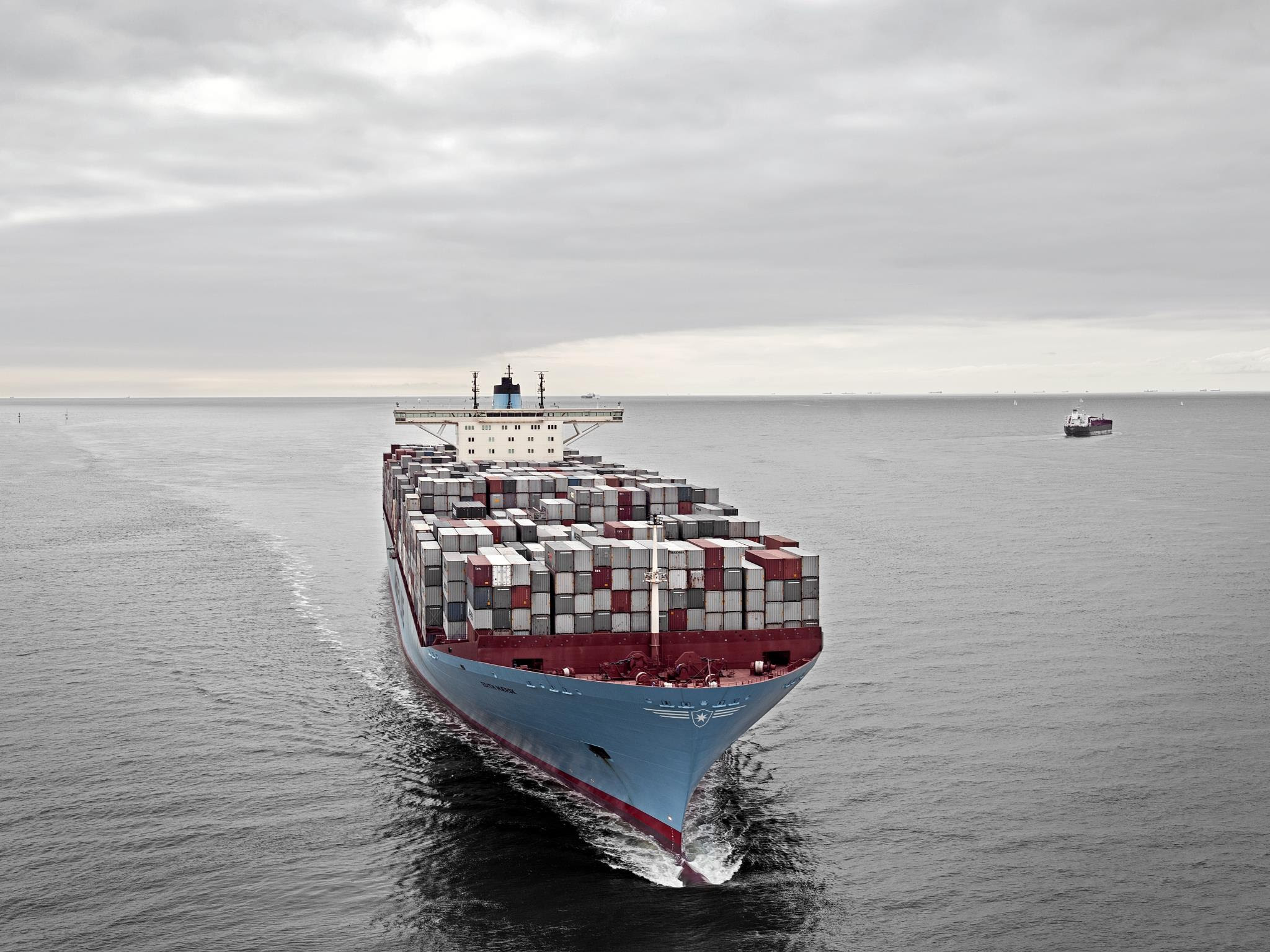

“This is one of the first steps in heavy transportation toward the use of 100% renewable energy”, says Knud Erik Andersen, CEO of European Energy
Maersk has partnered to produce green fuel for the first ship to operate with carbon-neutral methanol. REintegrate, a subsidiary of the Danish renewable energy company European Energy, along with Maersk, will establish a new facility to produce approximately 10,000 tons of e-methanol that the new ship will consume annually.
Read Also
- ANP Discovers That Petrobras Explored a Gas Well for 10 Years Without Paying Special Participation Fees, and Public Losses Could Reach R$ 26 Billion
- Scania, Global Leader in Heavy Truck, Bus, and Engine Production, Calls for High School, Technical, and Higher Education Candidates for Job Openings at Its Factory in São Paulo
- Petrobras Invests in Technology for Remote Monitoring of Platforms in the Campos Basin
- 44 Years of the Campos Basin: Discover the Ten Facts That Strengthen the Presence of the Brazilian Oil Giant in the Region
- Petrobras Announces Investments of US$13 Billion in the Campos Basin by 2025, and Rio de Janeiro Will Be Benefited with Many Jobs, Royalties, Special Participation, and Dividends
- Maersk Seals Its Largest Project Contract Ever with the Brazilian Oil Giant; the Scope Involves Engineering Works, Procurement, Construction, and Installation of FPSO Mero 2
Maersk will work closely with the companies in developing the facility. This partnership could become a model for scaling green fuel production through collaboration with partners across the entire industry ecosystem, providing valuable experiences as we progress on our journey to decarbonize our customers’ supply chains,” said Henriette Hallberg Thygesen, CEO of Fleet & Strategic Brands, AP Moller – Maersk.
“Supplying the fuels of the future is a significant challenge, and we need to scale production in time. This agreement with European Energy and REintegrate puts us on the right track to fulfill our ambition of having the world’s first carbon-neutral container ship by 2023,” she stated.
-
Brazil’s ANP Opens 86 New Oil Blocks in the Equatorial Margin, Expanding the Amazon River Mouth Frontier

-
OPEC+ Boosts Oil Supply by 188,000 Barrels per Day in July 2026, Leading to Price Drop from $112 to $89 per Barrel in Under Two Months

-
TotalEnergies Signs 20-Year Deal to Purchase 2 Million Tons of LNG from Alaska, Boosting Project Viability
-
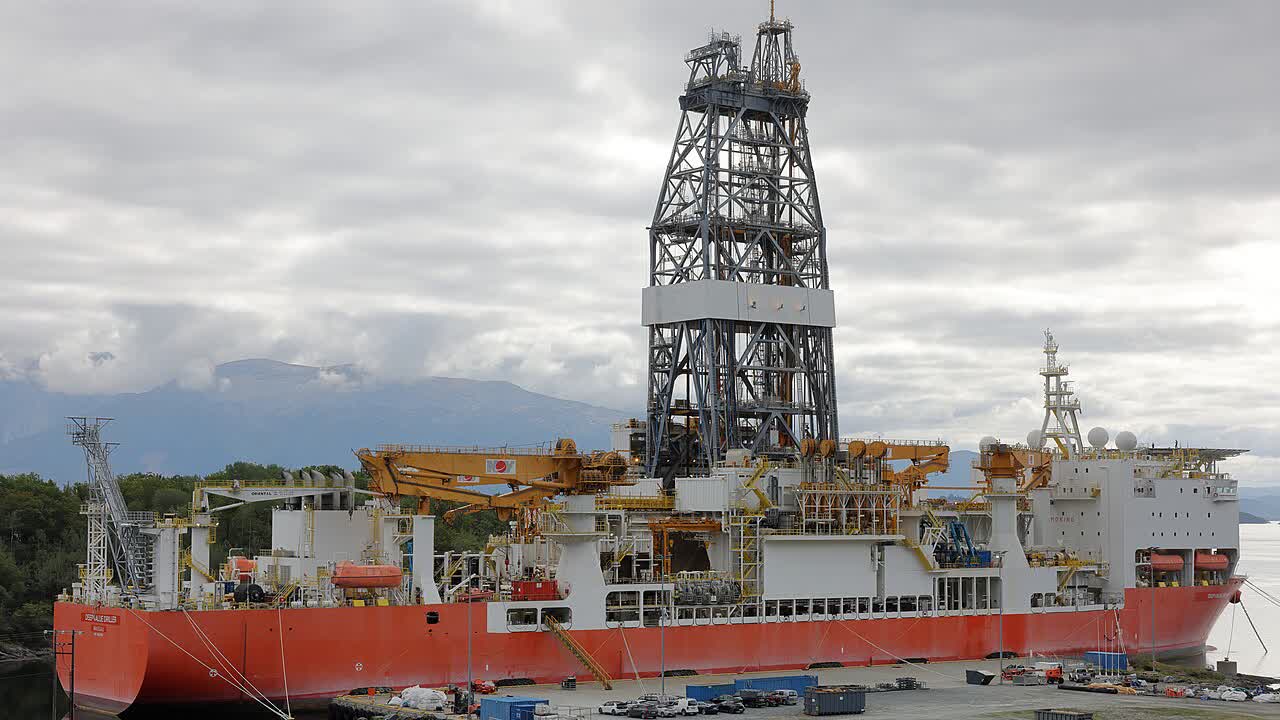
Turkey Deploys Çağrı Bey Drilling Ship to Explore New Oil Frontier Off Somalia’s Coast

About E-Methanol Production
The facility will use renewable energy and biogenic CO² to produce e-methanol, with production expected to start in 2023. The energy required for production will be supplied by a solar farm in Kassø, located in southern Denmark.
REintegrate has a proven track record in green fuel production with a testing laboratory in Aalborg. The new facility will be its third e-methanol installation, as they are also building a new facility in Skive, expected to start in 2022.
“We are proud to be part of the first large-scale production of e-methanol in Denmark. While renewable energy is becoming increasingly common in the electricity consumption matrix, this is one of the first steps in heavy transportation toward the use of 100% renewable energy. This agreement is a milestone in the journey toward the green transition in the shipping industry,” said Knud Erik Andersen, CEO of European Energy.
Although renewable energy is being produced in southern Jutland, it is still to be decided where, in Denmark, the methanol production facility will be located.
Maersk: Pioneer in the Industry
Maersk announced the dual-fuel ship, the first in the industry, in February 2021. In June, Maersk announced that Hyundai Mipo shipyards would build the 2100 TEU feeder, equivalent to 6 meters.
The world’s first methanol feeder will be 172 meters long and is expected to join Maersk’s fleet in mid-2023. It will sail on the Sealand Europe network, a subsidiary of Maersk, along the Baltic maritime route between northern Europe and the Gulf of Bothnia, flying the Danish flag.
About Maersk
A.P. Moller–Maersk is an integrated logistics technology company. It works to connect and simplify trade in order to help customers grow and thrive. Present in over 130 countries with more than 76,000 employees, Maersk serves customers across all major trade routes and internal services, providing end-to-end experiences.
Maersk works to provide a range of products and services, with ongoing customer engagement and a delivery network, enabling global trade for an expanding world.