





 Portuguese
  English
  Spanish
  2 min of reading
  0 comments



Chinese Startup Launches Equipment That Reduces Physical Effort by Up to 200% and Increases Muscle Strength with the Help of Artificial Intelligence
This exoskeleton can make your legs 20 kg ‘lighter’ when performing activities such as walking, running, or climbing stairs. The equipment is the result of a project by Dnsys, a startup from Hong Kong created by former employees of Segway, DJI, and Xiaomi, and was officially launched on the Kickstarter platform in 2025.
Called Z1, the device weighs only 680 grams per leg and uses 450-watt motors to relieve pressure on the knees and boost thighs and calves. According to the company, it increases leg strength by up to 50% and reduces joint effort by up to 200%, thanks to sensors and AI algorithms that adapt to the user’s movements in real time.
Lightweight, Portable, and Equipped with Integrated Artificial Intelligence
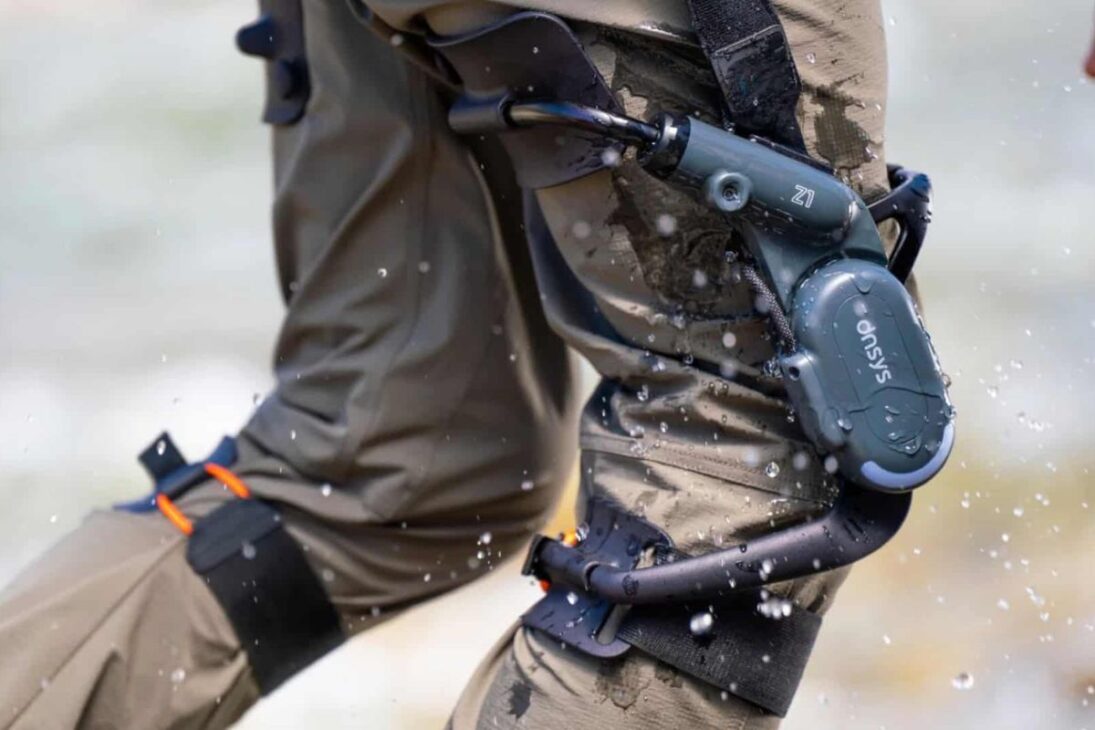
This exoskeleton can make your legs 20 kg ‘lighter’, even though it weighs 1.4 kg in total. This is because the Z1 directly acts on the joints of the legs, using sensors with a response time of 0.01 seconds to identify each step and activate the motors at the exact moment. The sensation is one of lightness during uphill walks, running, and even squats.
-
Scientists have finally discovered where the plastic that disappeared from the oceans went, and the answer is frightening: it fragmented into such tiny particles that they became invisible and now there are 27 million tons of nanoplastic just in the North Atlantic.

-
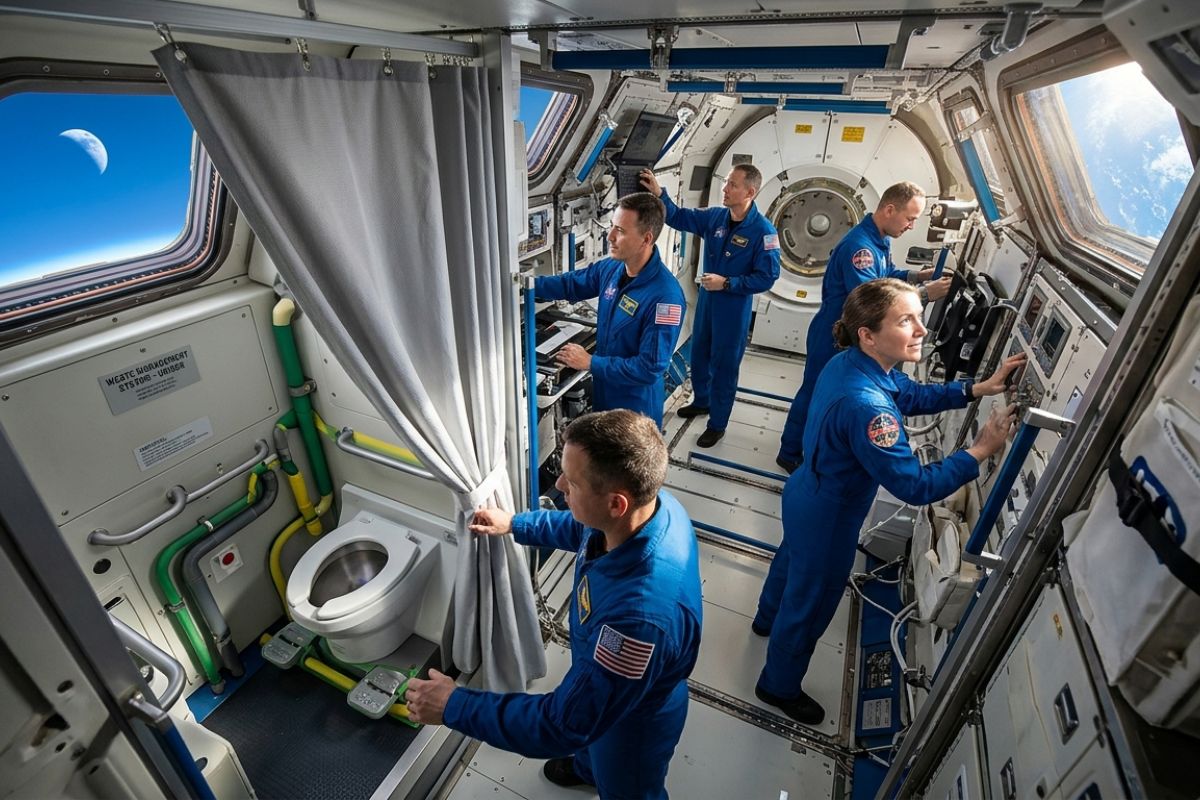
The Artemis II mission will take the Orion capsule back to the vicinity of the Moon with four astronauts, a private bathroom with a curtain, a system adapted for men and women, and a level of comfort that highlights how the Apollo era operated at the rawest limits of space exploration.
-
Giant structures on the seabed precisely control oil and reveal how high-tech underwater valves work.

-
China has just tested a giant drone the size of a fighter jet with a wingspan of 25 meters that carries 6 tons, flies for 12 hours, and the most frightening part: it can launch entire swarms of smaller drones directly from the air.


The system features embedded artificial intelligence that learns the user’s movement patterns and automatically switches between modes like walking, running, cycling, squatting, and sitting. The lithium-ion battery guarantees up to five hours of autonomy and can partially recharge during descents, thanks to kinetic energy recovery.
Three Versions and Focus on Accessibility in the Global Market
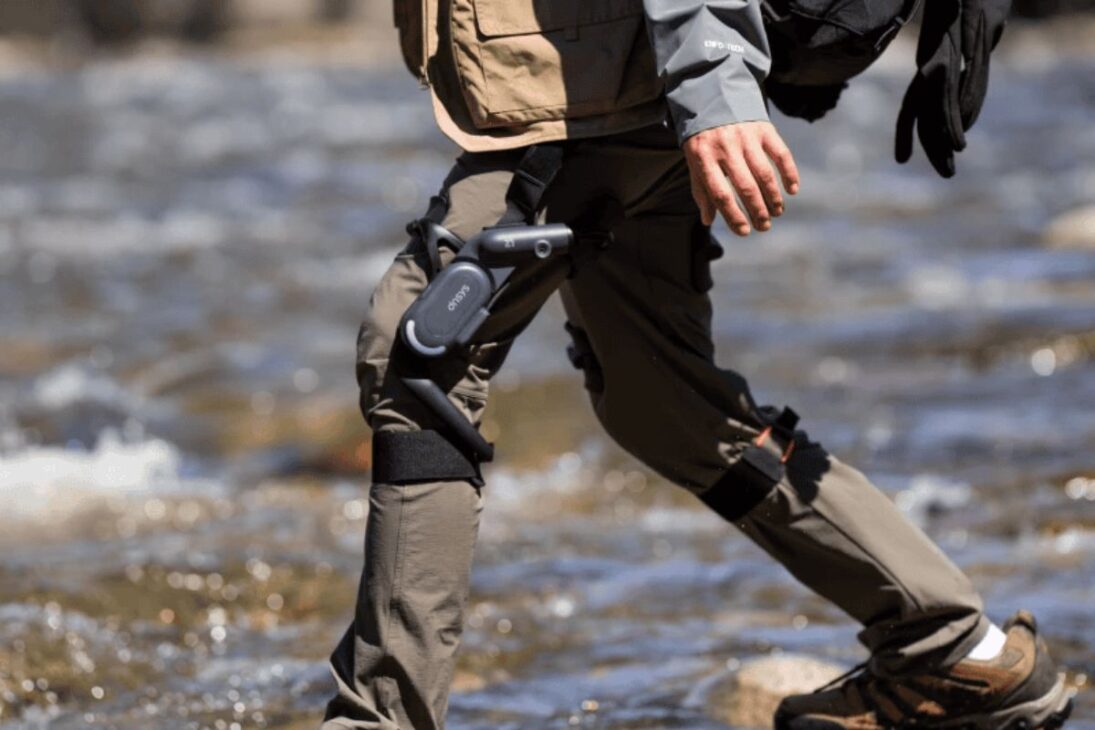
Dnsys aims to popularize the use of exoskeletons with a focus on accessibility, practicality, and performance. The Z1 can be assembled in 15 seconds and carried in a small backpack, being water-resistant and ideal for outdoor training or everyday use.
Prices in the pre-sale vary according to the model:
- Dual Joint: US$ 899 on Kickstarter; US$ 1,499 at retail
- Single Joint: US$ 699 on Kickstarter; US$ 1,099 at retail
- Dual Joint Pro (titanium): US$ 1,398 on Kickstarter; US$ 2,298 at retail
This exoskeleton can make your legs 20 kg ‘lighter’, and can be an alternative for athletes, people with reduced mobility, or anyone seeking better performance in daily life. Despite the high price, Dnsys promises to deliver cutting-edge technology with safety and comfort.
Would you use an exoskeleton in your daily life? Do you think this technology could become popular in Brazil?









-

Uma pessoa reagiu a isso.