





 Portuguese
  English
  Spanish
  3 min of reading


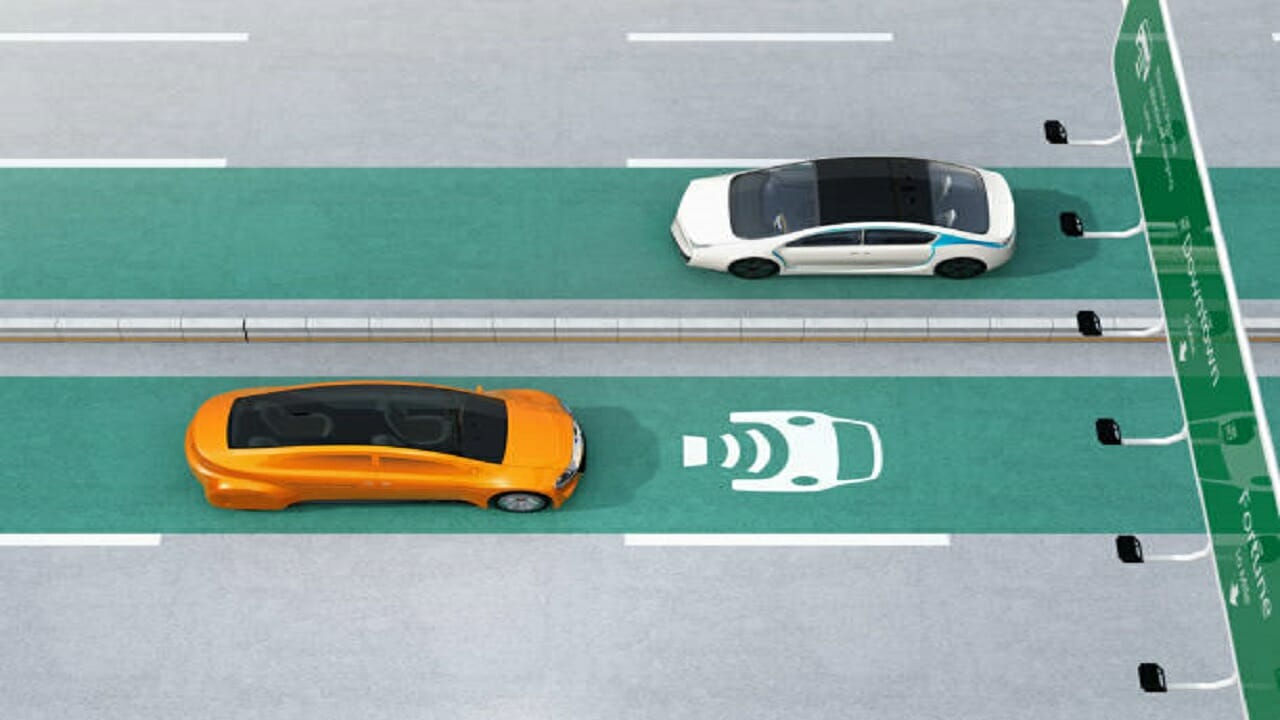
Electric Roads Could Be The Solution For The Lack Of Infrastructure For Electric Cars. New Projects Promise To Recharge Any Model Of Electric Car In Motion.
One of the main reasons gas vehicle owners do not adopt electric cars is due to the low range and few charging points. Both in Brazil and in other countries, the lack of charging infrastructure can scare those planning to buy an electric car.
Electric Roads Could Change The Course Of The Electric Car Market
However, for those who have been disappointed, a new solution could eliminate this fear. It concerns electric road projects that are emerging worldwide to complement charging at stations and kiosks, allowing the vehicle to recharge while in motion.
The project arose as an alternative to charging at home or at charging stations that do not have the ideal infrastructure for the target audience. Thus, electric roads can ensure that the consumer never runs out of “fuel” and attract more buyers to the electric car sector.
-
Largest public charging network in Brazil: BYD reaches 125 fast chargers and accelerates national expansion of electric mobility.
-
The Toyota Hilux is R$ 75.5 thousand cheaper and bets on the 2.8 turbodiesel engine with up to 204 hp and 50.9 kgfm to catch up with the VW Saveiro, which leads with 4,472 sales.
-
The new Renault Koleos has a screen exclusively for the passenger that is invisible to the driver, heated rear seats, and 29 assistance systems, but its Chinese competitors cost R$ 40,000 less and deliver more power.
-
The car stored for 38 years: when opening the barn door, what appears is breathtaking and looks like a scene from a movie!


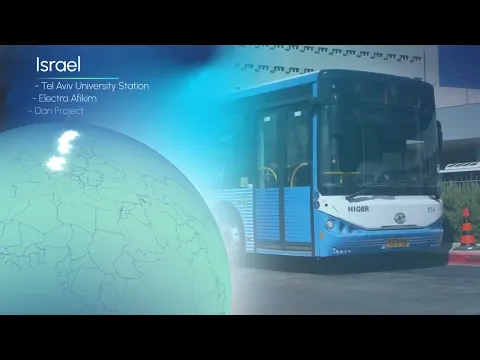

According to the professor of Civil and Biological Engineering at Purdue University, Nadia Gkritza, in an interview, although electric roads are not present everywhere in the United States, they are viable both financially and in terms of technology.
For the professor, electric roads can be a way out of the bottleneck, for example, in rural areas where charging infrastructure is still lacking. This could not only help individual electric car owners but also fleet vehicles or public transport that pass through the same location repeatedly. Thus, they would not have to park to recharge, being able to circulate all day without stopping.
Pilot Projects
Electron, a provider of wireless electric vehicle charging, has several pilot projects around the world and is participating in the first attempt at electric roads in Detroit, United States. According to the company’s Vice President of Business Development, Stefan Tongur, in an interview, the approach can charge vehicles of any type, from individual cars to buses, trucks, and vans, both stationary on the road and in motion.
Another initiative comes from a group of researchers in the solar energy sector in the US, at Cornell University, who are working on a project for a kind of wireless charging system on the highways of the country. According to the researchers from the solar energy sector, especially Professor of Engineering Khurram Afridi, one of the creators of the project, if a car is running low, it just needs to pass over the lane to recharge, being able to identify vehicles that pass by and then send the energy.
New Solid-State Batteries Promise To Deliver More Range
Another initiative being explored by companies and several automakers is in solid-state batteries. In July of last year, QuantumScape announced incredible performance numbers for the first commercially viable lithium metal solid-state battery in the global automotive industry.
The company claims that it can increase the range of an electric car by up to 80%, and that it can charge from 0 to 80% in just 15 minutes. By using a solid electrolyte instead of the typical liquid solution, solid-state batteries can store considerably more energy by weight and volume than lithium-ion batteries.
However, making components that are reliable and have a lifespan suitable to meet the demands of any driver, high charge and discharge rates, long lifespan, and without any concern about temperature or safety, has proven difficult so far. The company claims to have solved the problem of the range of electric cars with a new design that uses lithium-metal anodes that are not formed during manufacturing, but rather around the current collector when the battery is charged.







Seja o primeiro a reagir!