Portuguese
  Spanish


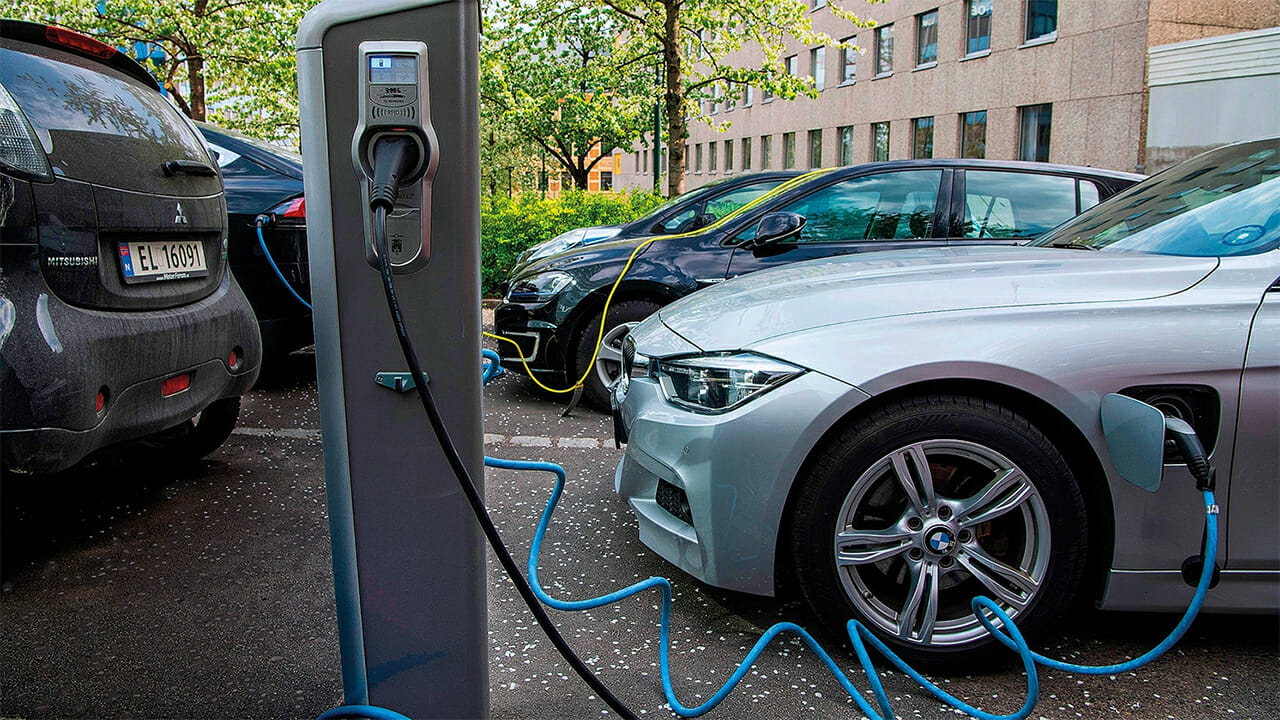

The Bahia Government Confirms Its Total Interest in Implementing Electric Car Charging Stations, by BYD and Partners, in Bahia.
The Growth of Electric Vehicles has been undeniable in the global scenario, and Brazil, specifically Bahia, has been closely following this trend. One important milestone was the announcement of the manufacturing of electric vehicles by BYD in the region, but efforts do not stop there. Now, the focus is on implementing essential infrastructures for charging the batteries of these vehicles – a crucial step for consolidating this sustainable market.
BYD, 99, and Raízen Plan to Install Electric Vehicle Charging Stations
Last Friday (14), strategic discussions took place at the Secretary of Finance (Sefaz-Ba), bringing together key figures from BYD, 99 (an urban mobility company), and Raízen, a reputable energy company resulting from the partnership between Shell and Cosan. These companies, which recently launched a project with 300 electric vehicles in São Paulo, are now focusing their efforts in Bahia.
“We seek not only to bring BYD’s direct investments to Bahia but also to attract strategic partners who can influence and accelerate electrification,” explains Bianca Santos, financial manager and Strategic Business Director at BYD.
-
Fiat Strada Becomes Top Seller in June, Surpassing Onix, Polo, Hilux, and T-Cross with 107 HP Engine and 732 km Range.

-
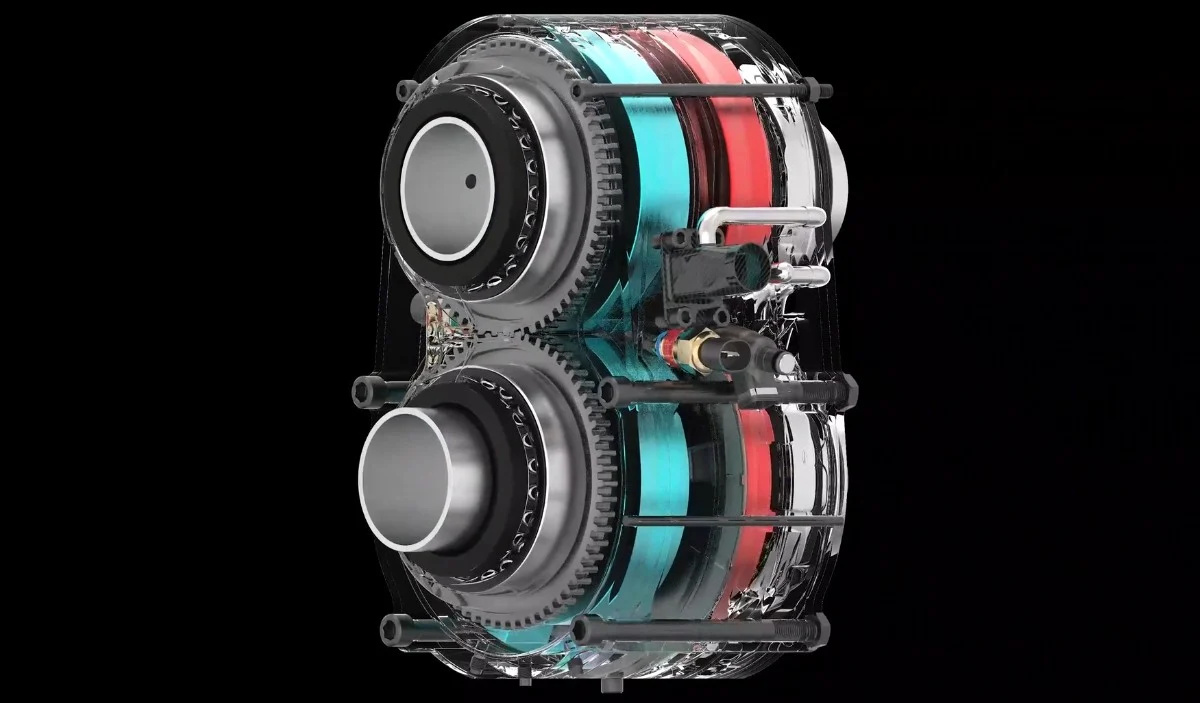
Suitcase-sized hydrogen engine spins at 25,000 rpm, nearly doubling the efficiency of conventional cars and replacing exhaust smoke with water vapor

-
1983 Chevrolet Runs Over 100,000 km Without Gasoline, Powered by Wood Chips, Reaches 125 km/h in Airport Test

-
Workshop Converts Giant Tractor Tire Tricycle into a Three-Wheel Drive Hybrid with 36,000-Watt Electric Motor Capable of Climbing Hills




The Expansion of Electric Vehicles Depends on a Network of Fast Charging Points
The so-called “service hubs,” which are fast charging points for electric cars, are essential for the expansion of electric vehicles. Government support is crucial for this structure to be implemented efficiently and strategically. The Bahia government confirmed its total interest in not only supporting the identification and implementation of hubs, but also in encouraging initiatives that accelerate the transition from combustion vehicles to electric ones, with an emphasis on public transportation.
In line with this progressive vision, the Secretary of Finance, Manoel Vitório, stated that the state also intends to provide IPVA exemptions for electric vehicles associated with mobility applications and taxis, an advantage already announced by Governor Jerônimo Rodrigues.
Benefits of Electric Vehicles
The application transport sector, represented by 99, provides an important case study for electrification. BYD manager Bianca Santos notes that “the more an electric vehicle is used, the more advantageous the cost-benefit compared to a combustion vehicle.”
This aspect becomes even more relevant when we consider that fuels account for about 50% of the operational costs for app drivers, a cost that can be reduced by up to 70% with the adoption of electric vehicles, according to Fernando Paes, director of public policies and government relations at 99.
First Fast Charging Stations for Electric Cars Will Be Installed in Salvador
Rafael Rebello, director of Renewable Energies at Raízen, explains that the plan is to start implementing service hubs in Salvador, with the inauguration of five of these points under the Shell Recharge program. He emphasizes the great potential of Bahia in renewable energy, making the region even more attractive for the expansion of this new mode of transportation.
The transition to electric vehicles is an undeniable reality, and Bahia is positioned at the forefront of this revolution, contributing to a more sustainable and efficient future. Through strategic partnerships and incentive policies, the state is paving the way for cleaner and more profitable transportation.