





 Portuguese
  English
  Spanish
  4 min of reading
  0 comments


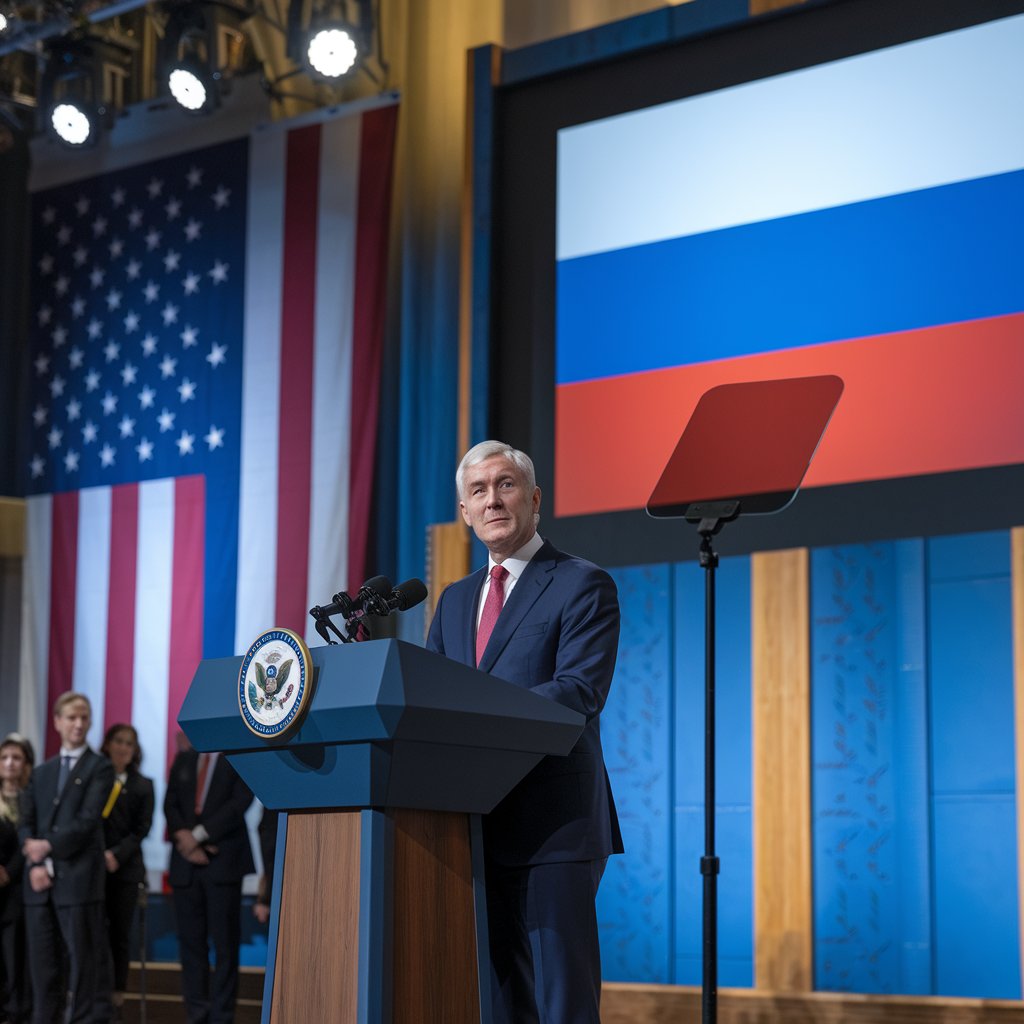
The New US Sanctions Are Changing The Game In The Energy Sector And Weakening The Russian Economy Amid The Conflict In Ukraine.
The United States government launched, therefore, on Friday (10), an unprecedented package of sanctions against Russia’s energy sector. Thus, these measures aim, above all, to destabilize “the Kremlin’s primary source of funding”, at a crucial moment in the war between Ukraine and Russia. In addition, they reinforce international pressure in search of effective solutions.
With this, the US Department of the Treasury announced, among other things, comprehensive restrictions against major Russian energy companies, such as Gazprom and Surgutneftegaz. Thus, more than 200 ships, including oil tankers and gas carriers, were also targets of these sanctions, which are expected to, consequently, reshape the global energy map. Furthermore, the impacts of these measures may be observed in the long term.
Understand The Sanctions And Their Impacts
To clarify further, these new rules directly affect:
-
In the 1970s, oil became a weapon of war and paralyzed the entire world, and now the same thing is happening again with Iran closing off the route for 20% of the planet’s fuel.

-
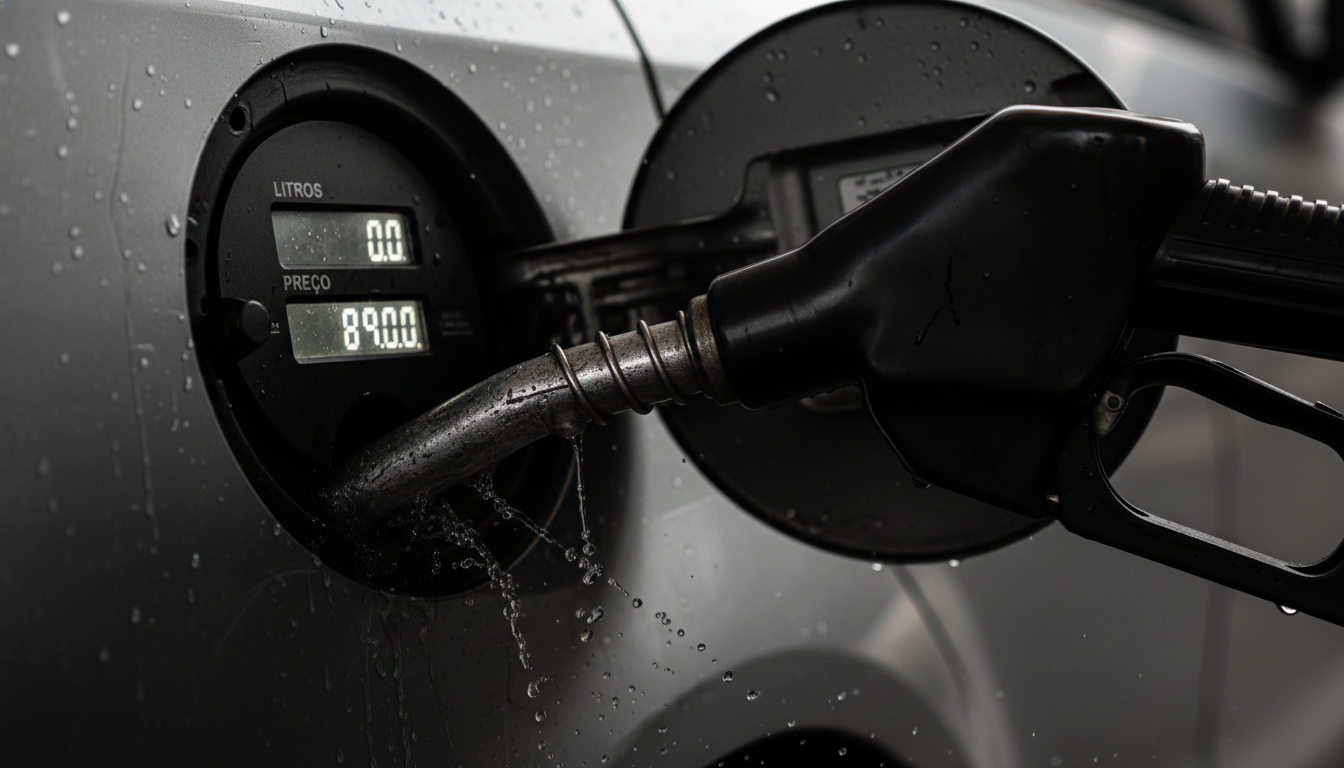
When oil prices rise, the gas station increases prices the next day, but when it drops by 13% at once, no one explains why gasoline remains at the same price for months.
-
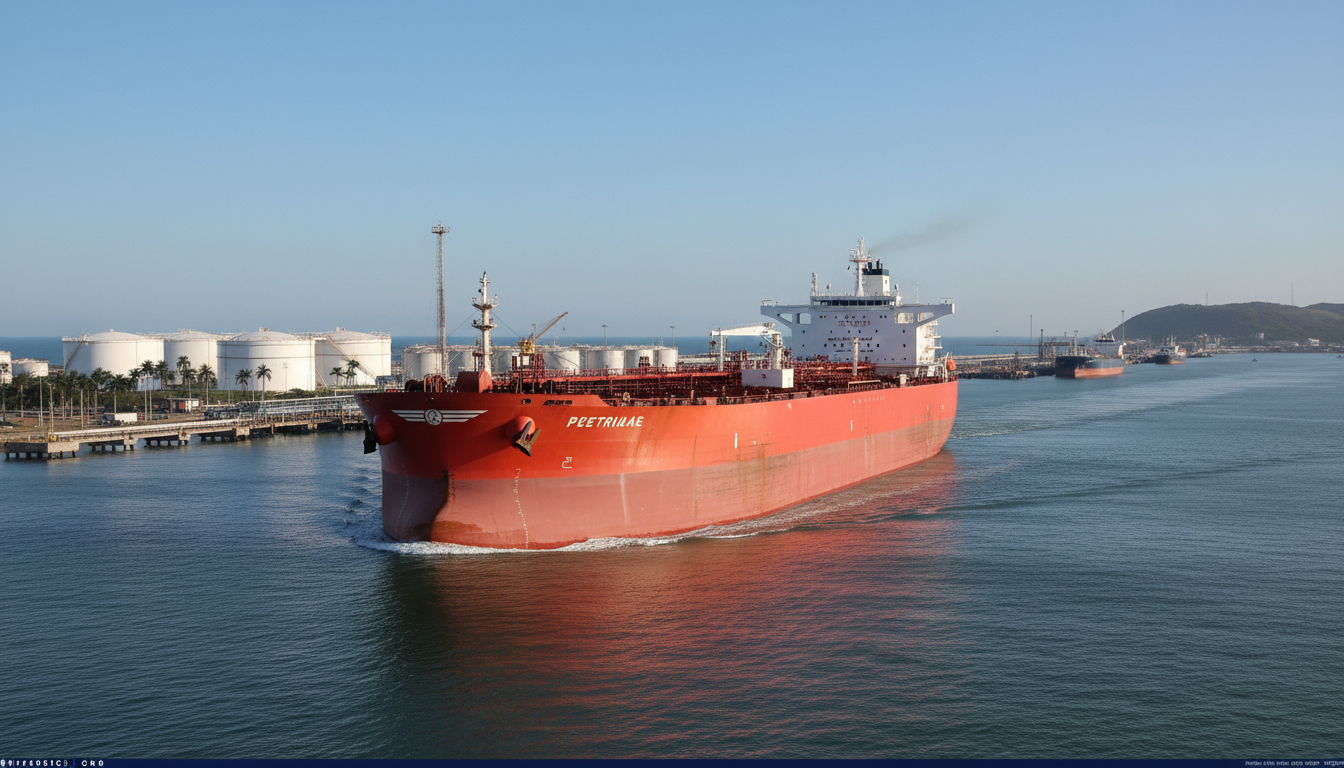
The largest fuel distributor in Brazil has just been forced to import diesel and gasoline on its own after Petrobras reduced its monthly deliveries.
-
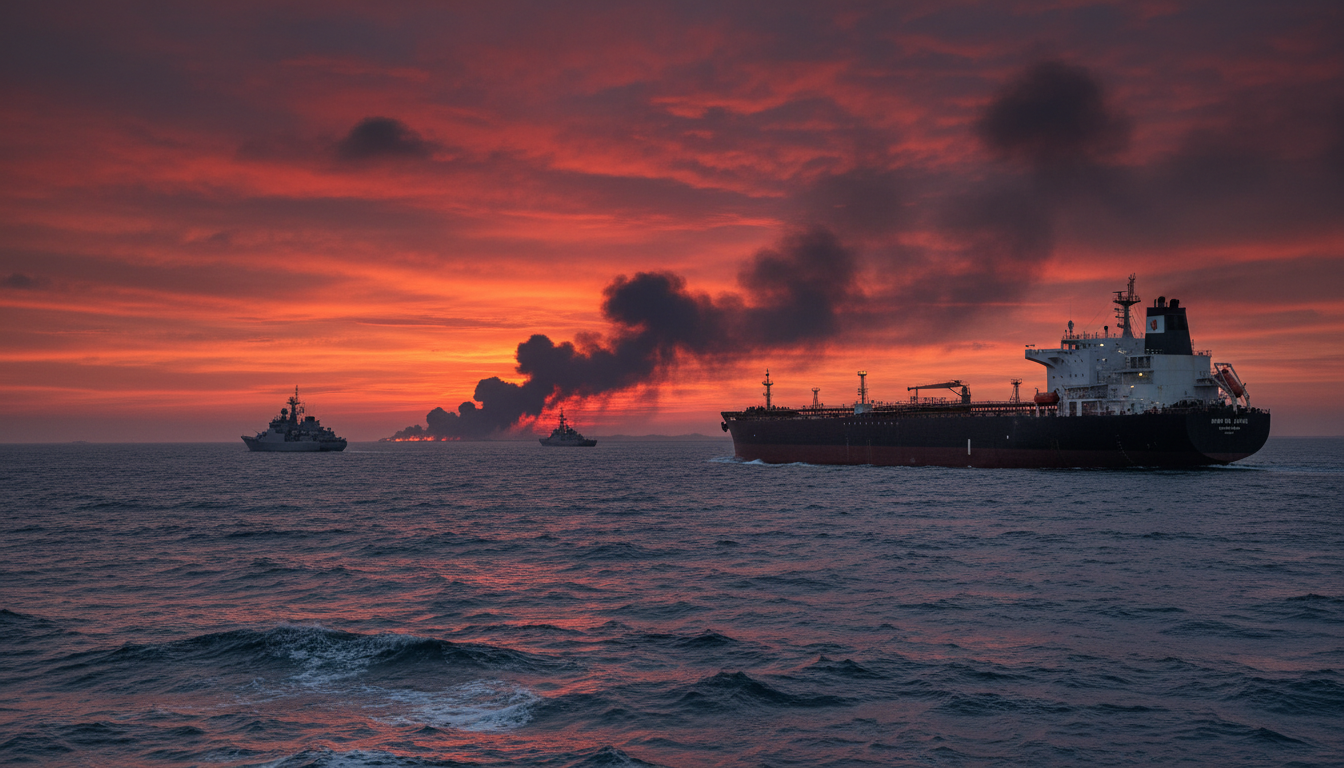
After Trump gave Iran 48 hours to reopen the route for 20% of the world’s oil, the barrel skyrocketed to $117, dropped 13% with a truce, and the Central Bank had to inject $2 billion to stabilize the dollar.
- Energy Companies: Giants such as Gazprom and Surgutneftegaz face financial and operational sanctions, which, in turn, hinder their global operations.
- Ghost Fleet: About 200 vessels, including ships registered in Barbados and Panama, have been included, therefore, on the blacklist, which consequently limits Russia’s ability to dispose of its production.
- Oil Export: With stricter sanctions, the expectation is that Russia will lose billions of dollars monthly, making its budget even more vulnerable.
Therefore, authorities state that these measures increase, in summary, economic pressure on Moscow and aim to accelerate a “just peace” between the two conflicting countries.
Why Are These Sanctions Different?
To understand the importance of these sanctions, it is necessary to highlight that they differ by:
- Scope: Never before has such a large list of vessels and companies been targeted, which considerably increases the impact on the Russian industry.
- International Coordination: In partnership with the United Kingdom, the measures are more robust than those imposed previously, thereby reinforcing unity among Western allies.
- Focus On Results: By targeting the Kremlin’s largest source of funding, the US seeks quick and effective results, which, in turn, can significantly alter the course of the conflict.
According to Janet Yellen, US Treasury Secretary, these sanctions are “a significant blow” to Russia’s ability to fund its “brutal and illegal war in Ukraine”. Thus, the combined effect of the measures may redirect the flow of global capital.
How Does This Affect The Global Energy Market?
Without a doubt, the effects of these sanctions will not be felt only by Russia. Furthermore, there are clear consequences, moreover, for the global market:
- Oil Prices: With less Russian oil in the market, prices may fluctuate, which impacts, in this way, consumers and investors globally.
- Europe’s Dependence: European countries are seeking, at the same time, to accelerate the transition to renewable energy sources, which may stimulate emerging markets and, consequently, diversify their energy matrices.
- New Balance Of Power: The loss of the “ghost fleet” can subsequently alter trade dynamics between major powers, creating new opportunities for other energy exporters.
According to experts from the International Energy Agency (IEA), these sanctions should, on the other hand, boost investments in clean energy, while weakening Russia’s fossil fuel sector. Therefore, the global energy transition gains, in this way, even more relevance.
Geopolitical Impacts
It is undeniable that the United States’ move also has political repercussions. In this context, at a time of global tension, these sanctions:
- Isolate Russia: Moscow faces, thus, difficulties in maintaining trade alliances, which may accelerate its isolation.
- Strengthen Partnerships: The US and the United Kingdom show, above all, unity in their response to the war, thus creating a more cohesive bloc against Russia.
- Create Uncertainties: Investors are monitoring, consequently, the effects on the energy sector closely, which generates volatility in the markets.
Thus, the impact of these measures goes far beyond the energy sector, also influencing diplomatic relations and regional dynamics.
What To Expect Going Forward?
In summary, the imposed sanctions are part of a larger effort to limit Russia’s economic and military power. Thus, with projected monthly losses in the billions, it is expected, among other things:
- A quick reaction from the Kremlin to circumvent the restrictions, which may lead, therefore, to even more aggressive strategies.
- New Western sanctions, should the conflict prolong and Russia seek new funding alternatives.
- Increased pressure on other countries to limit trade relations with Moscow, thus increasing divisions in the global landscape.
However, analysts warn that the effectiveness of these measures will depend on the ability of the United States to monitor and control potential violations, especially in such a complex environment.
The US sanctions against Russia’s energy sector represent, therefore, a milestone in international politics. Thus, they were designed to directly target the heart of the Russian economy and weaken its role in the conflict with Ukraine.









Seja o primeiro a reagir!