





 Portuguese
  English
  Spanish
  4 min of reading
  1 comment


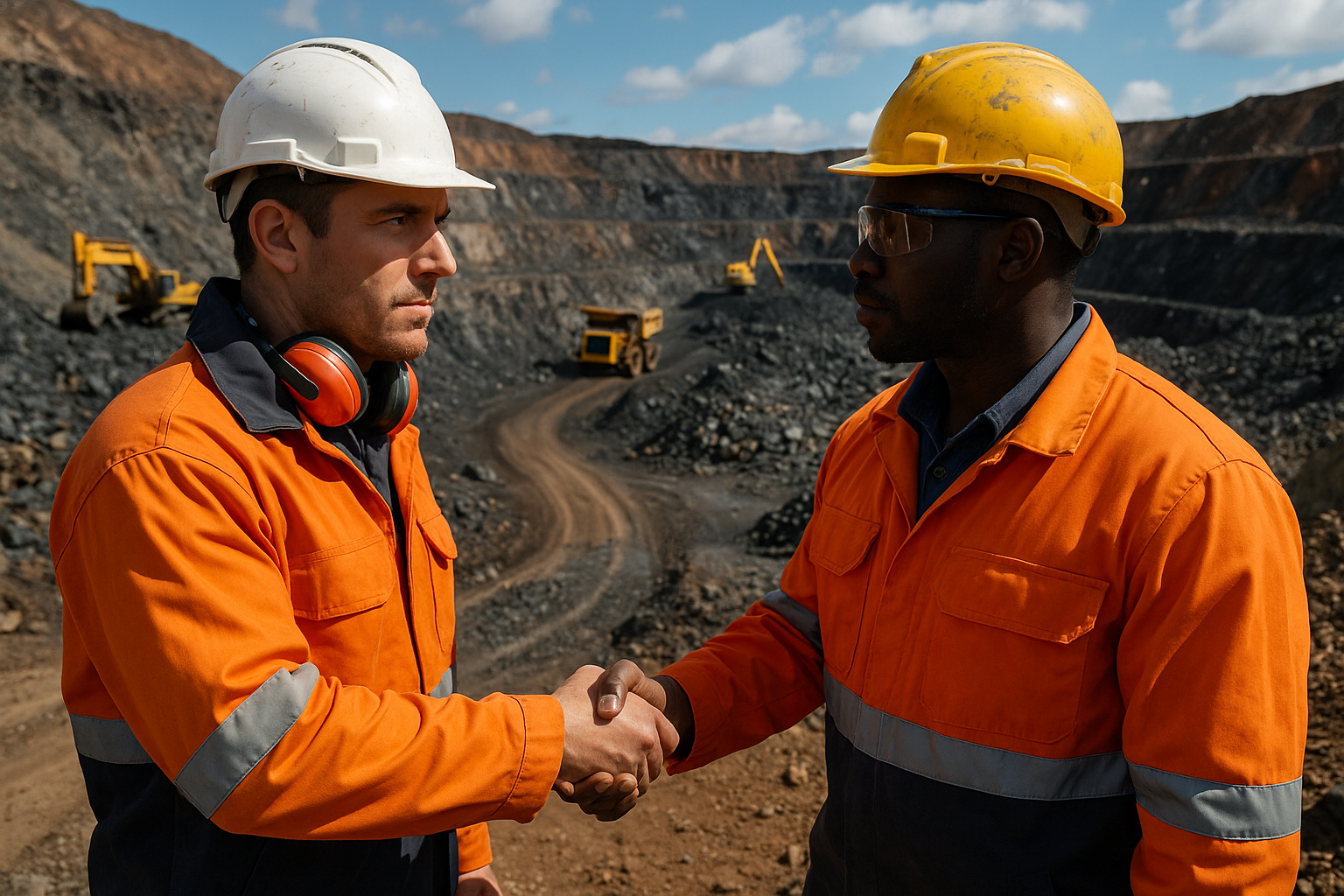


Officials From Both Countries Discuss Tariffs and Supply of Strategic Minerals, With Possible Brazilian Mission to Washington Still in 2025
Brazilian authorities from the mineral sector and representatives of the United States government met on July 23, 2025, in Brasília.
The meeting addressed strategic topics such as critical minerals and the recent 50% tariff announced by Donald Trump on Brazilian products.
The meeting occurred at the request of the Americans and represents the third round of talks between the countries this year.
-
USA and China compete for Brazil over resources that could be worth trillions — rare earths put the country at the center of a global dispute

-
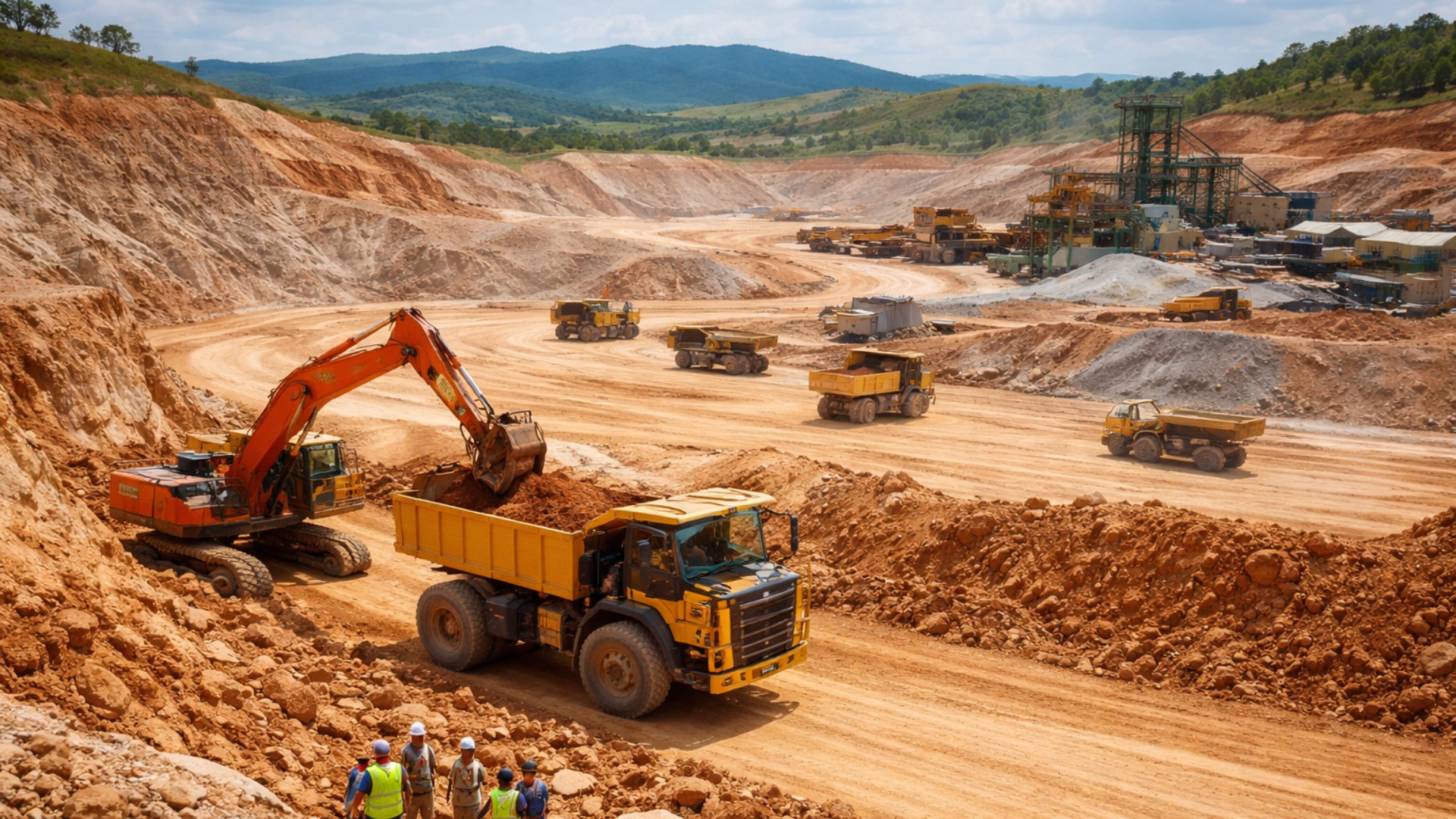
After China, it’s now the turn of the USA to ‘secure’ a share of Brazil’s natural resources: the country buys critical rare earths for R$ 3 billion and enters the center of the global technology dispute.
-
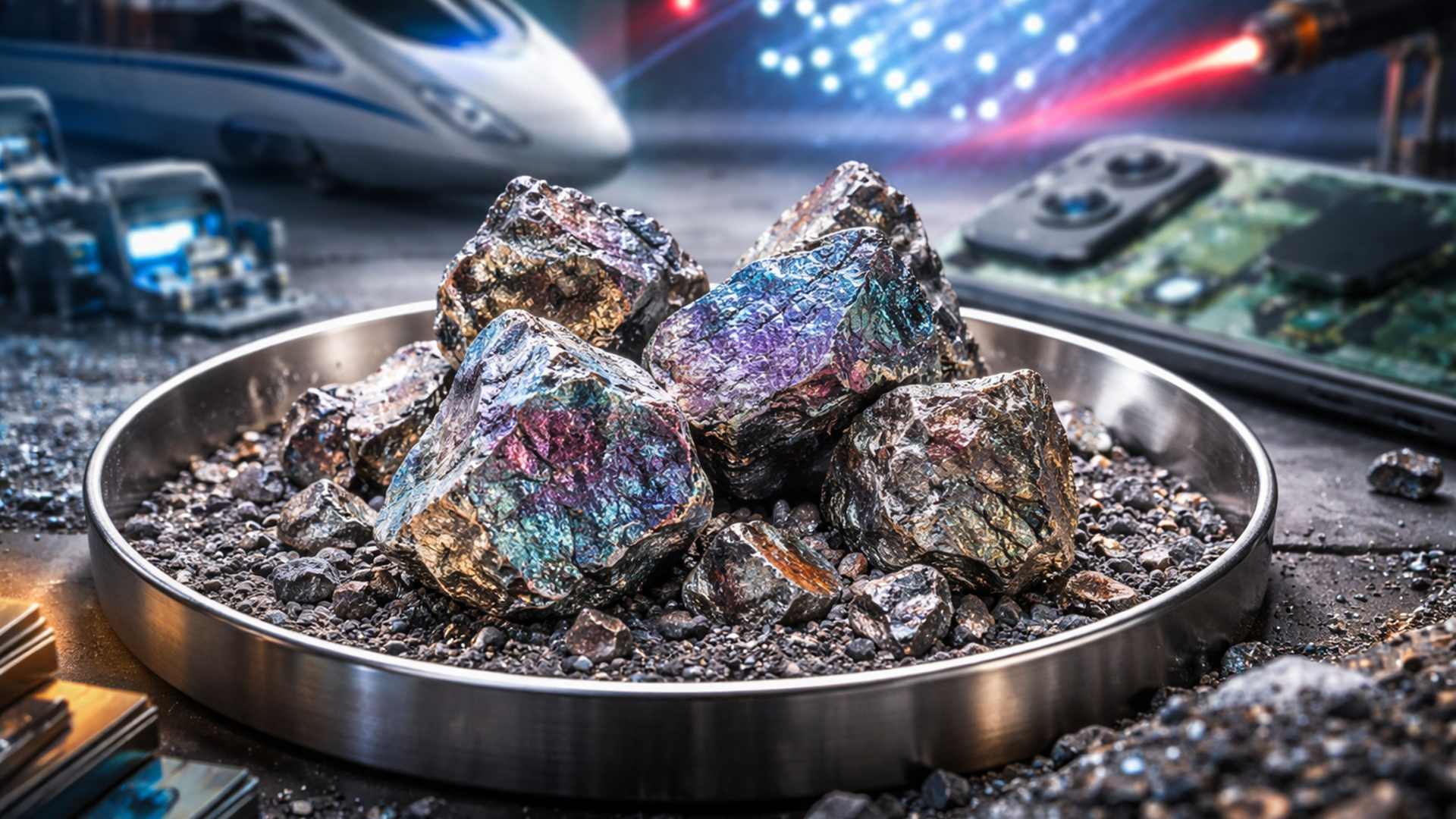
Rare earths are in everything, from cell phones to bullet trains, and what almost no one realizes is why they have become the target of such a delicate global war.
-
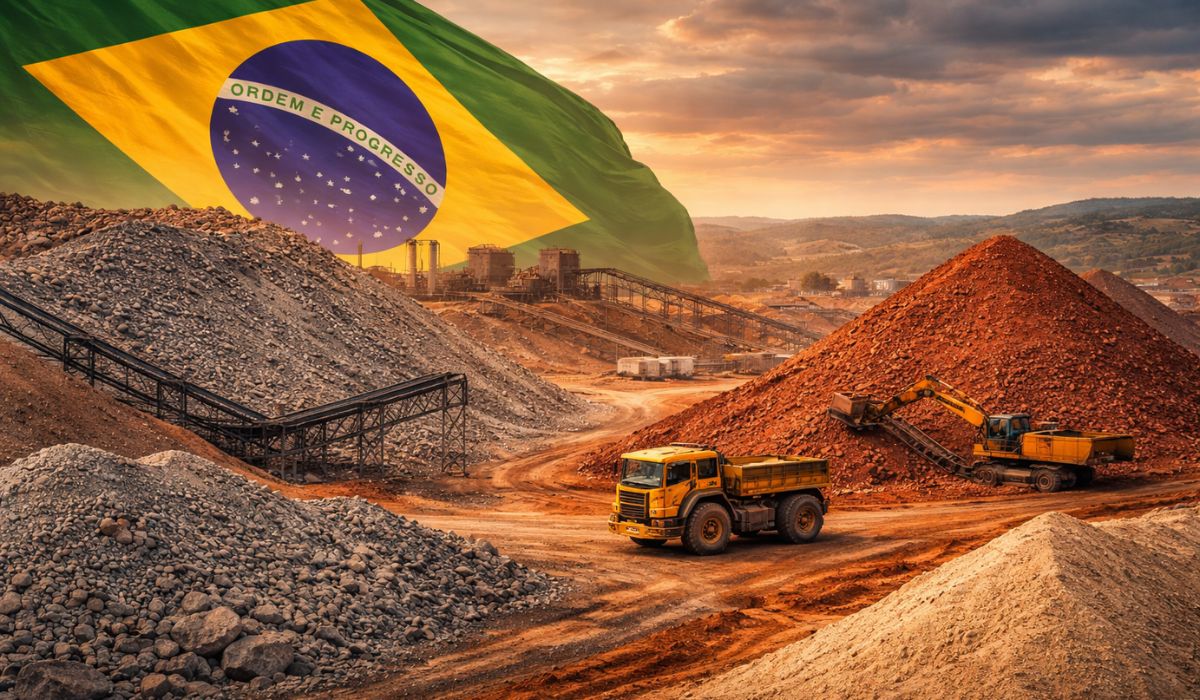
Brazil extracts 26.3 million tons of ore from what was previously treated as waste, transforming residues into wealth, producing over 3 million tons of sand, and demonstrating how national mining is relearning to generate value.

During the meeting, the Chargé d’Affaires of the U.S. Embassy in Brazil, Gabriel Escobar, spoke with the CEO of the Brazilian Mining Institute (Ibram), Raul Jungmann.
The primary goal of the conversation was to assess the possibility of a bilateral agreement on the supply of essential mineral resources, especially the so-called rare earths.
These minerals are fundamental for advanced technologies such as batteries, semiconductors, and cutting-edge electronic equipment.
Escobar expressed support for the proposal to send a Brazilian delegation to Washington.
He emphasized that an official visit could take place in September or October, as August is a recess month in the United States.
With this, both sides aim to intensify trade negotiations before the end of the year.
Strategic Minerals Gain Weight in Negotiations
The U.S. interest in Brazilian minerals has intensified due to the growing global dependence on China in this sector.
Currently, about 70% of Brazil’s mineral exports are destined for the Chinese market, raising alarms in Washington.
Brazilian officials point to this Chinese dominance as one of the main arguments in the negotiation tables with the U.S. government.
According to the International Energy Agency, China holds more than 80% of the global capacity for battery cell production.
Furthermore, it concentrates more than 50% of the world’s lithium and cobalt processing.
These data underscore the urgency for the U.S. to seek new reliable suppliers.
Brazil emerges as a natural strategic partner due to its mineral abundance and neutral geopolitical position.
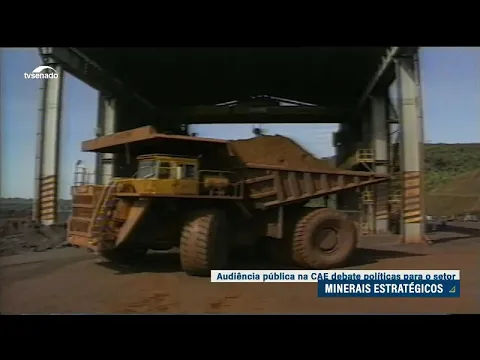

Washington Signals Openness to Agreement With Brazilian Sector
During the negotiations, the U.S. representative praised the stance of the Brazilian mineral sector.
He signaled that Washington views the establishment of a direct understanding with Brazilian miners and authorities positively.
This potential rapprochement could help mitigate the effects of the 50% tariff imposed by Trump.
This could happen as long as Brazil shows willingness to diversify its export destinations.
Moreover, Escobar emphasized that the moment is opportune for strengthening commercial relations with Brazil.
This is mainly due to the new U.S. administration, which seeks to break with Chinese hegemony in strategic production chains.
The expectation is that a bilateral agreement focused on critical minerals will help solidify Brazil as a safe supplier.
Brazil Adopts Pragmatic Tone in Talks With U.S.
Brazilian authorities have adopted a pragmatic tone in discussions with the Americans.
According to sources close to the federal government, Brazil’s strategy involves highlighting the country’s mineral production potential.
Furthermore, it aims to showcase its ability for constant and sustainable supply.
Brazil also intends to demonstrate that excessive dependence on China poses a risk to its own national mineral sector.
The sector seeks greater diversity of trade partners, expanding its global presence.
Another point discussed in the meetings is the tariff imposed by Trump, which affects various products exported by Brazil.
National authorities hope that the discussion on critical minerals will serve as a counterbalance for negotiating the reduction or exemption of these tariffs.
Mainly, they seek exemption for high value-added items.
Global Race for Critical Minerals Accelerates Strategic Decisions
With the increasing demand for green technologies and electronic equipment, the race for critical minerals has intensified worldwide.
In this scenario, Brazil appears as one of the main potential suppliers.
It is capable of serving both the U.S. and European markets.
The talks with the U.S. reflect this new moment in the geopolitics of natural resources.
Still in the second half of 2025, the Brazilian government intends to define which companies and authorities will integrate the official mission to Washington.
Additionally, the country will develop a technical agenda to present the capabilities of the national mineral sector.
The idea is to show that Brazil can be a reliable strategic partner while defending its interests.
These interests involve responding to the protectionist measures adopted by other countries.
Finally, the Brazilian mineral sector remains attentive to global movements and decisions from the White House.
If the agreement progresses, Brazil could strengthen its position in the international market for high-value minerals.
Moreover, it will be able to reduce its dependence on the Chinese market.








Se a posição do Brasil é neutra geopoliticamente, ele tem que vender tanto para China quanto para ps EUA. Principalmente porque em outros produtos a China nos compra quatro vezes mais que os EUA. E nos dá um fantastico superavit, enquanto os EUA só nos dá prejuizo.