





 Portuguese
  English
  Spanish
  5 min of reading
  0 comments


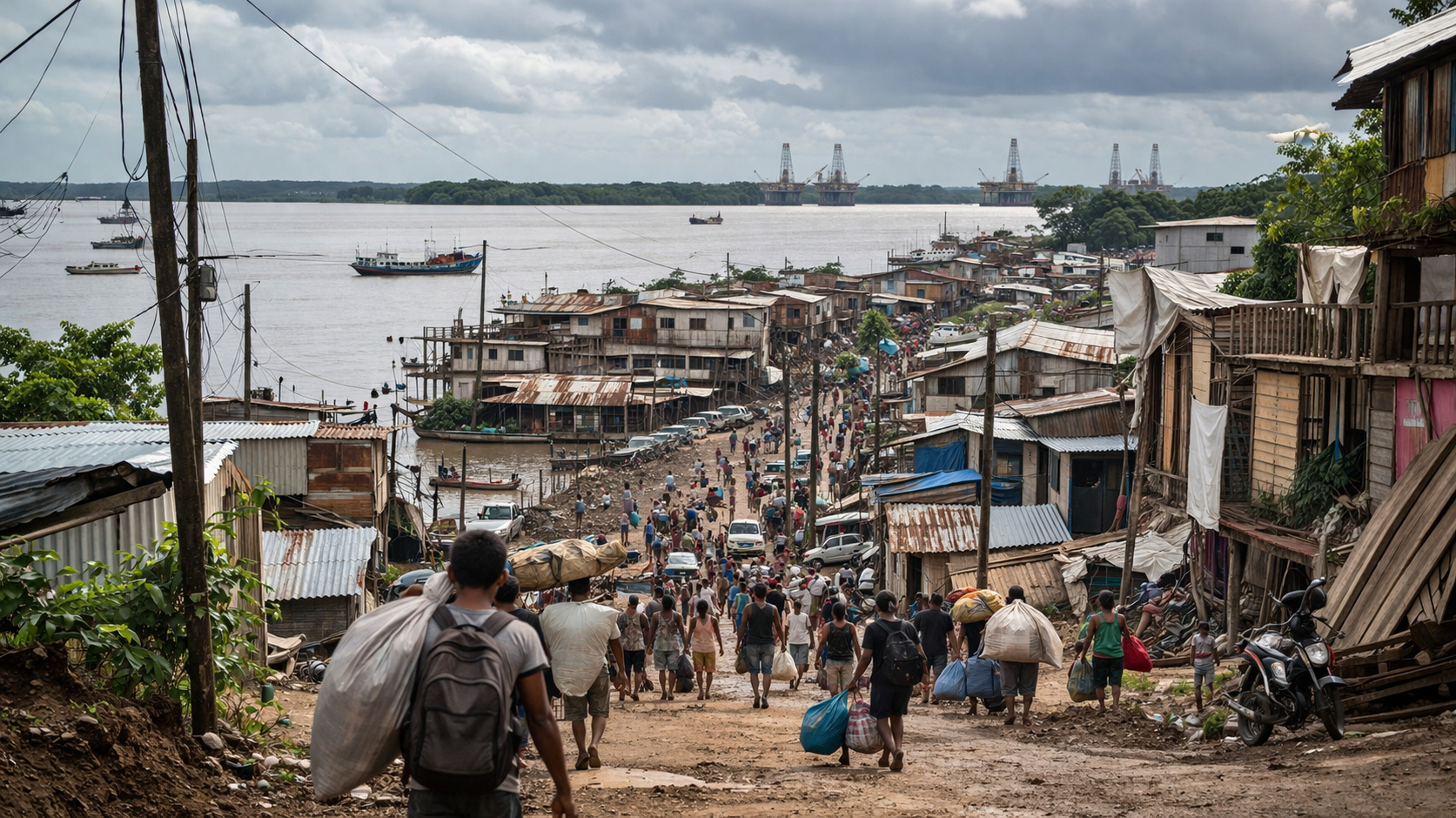
Migration grows in Oiapoque before oil drilling on the coast of Amapá, pressuring infrastructure and reigniting debate over environmental impacts.
On April 8, 2026, the city of Oiapoque, in the far north of Amapá, began to register an accelerated change in its population dynamics as expectations grew around oil in the Brazilian Equatorial Margin. The movement was highlighted by a report from the Associated Press, which reported the arrival of thousands of migrants to the municipality, attracted by the prospect of jobs and economic transformation linked to the advancement of the oil frontier on the Amazon coast.
Located on the border with French Guiana, Oiapoque has always been a city with limited infrastructure and a restricted local economy, but the new migratory rush began to alter this balance at an unusual pace for the municipality’s scale. According to the AP itself, the flow began to intensify after Petrobras advanced in offshore exploratory drilling, fueling expectations that the region could become a new energy hub in the North of the country.
However, the phenomenon is still occurring at an exploratory stage, with no commercial oil production. In an official statement, Petrobras reported that drilling in block FZA-M-059 began in October 2025, after a license was issued by Ibama, with the aim of obtaining geological data and assessing the economic viability of the area. This makes the movement in Oiapoque even more significant: social and urban transformation began even before any extraction on a commercial scale.
-
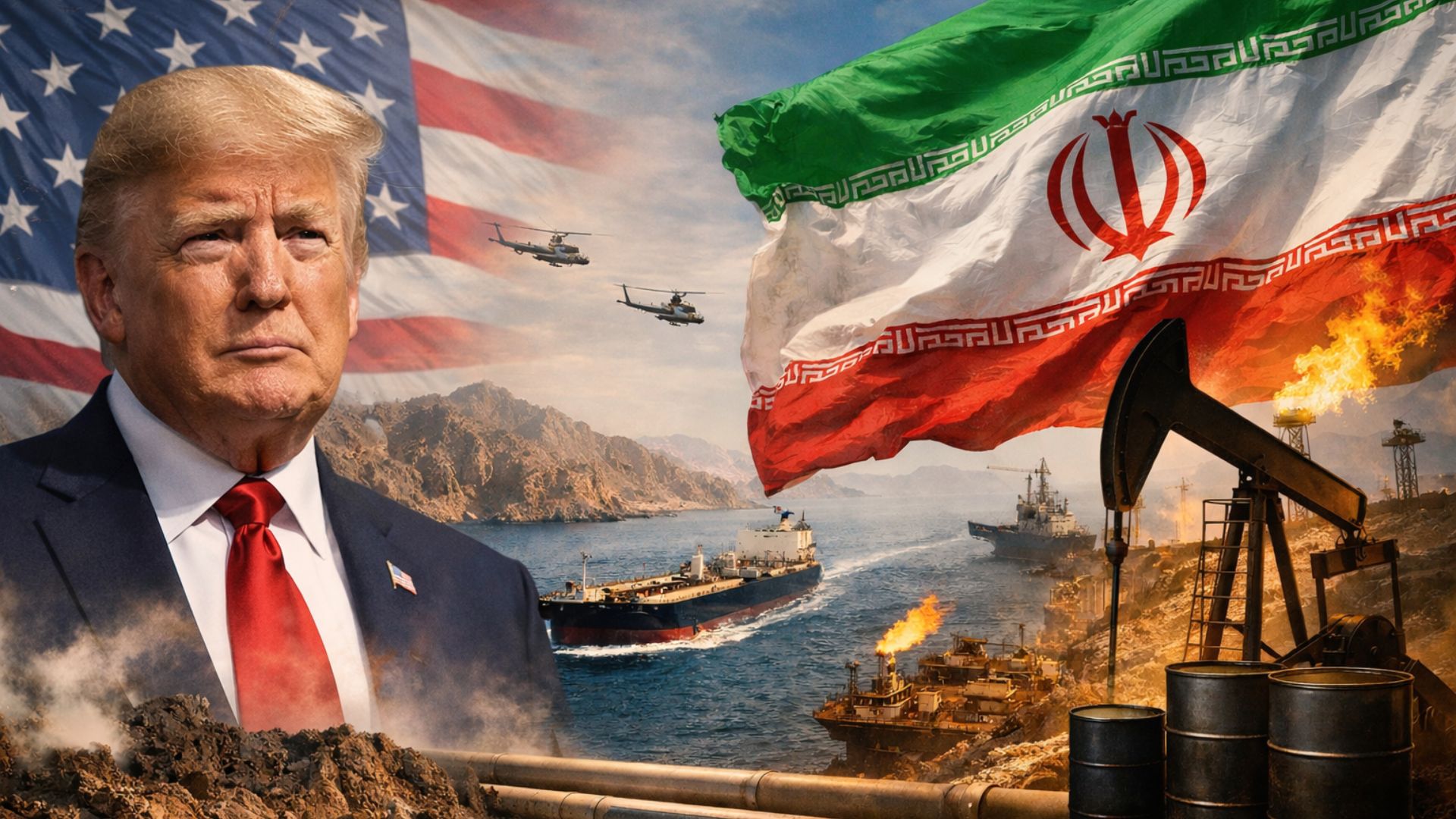
Oil rises more than 7% and surpasses $102 this Monday (13) after the announcement of the U.S. blockade on Iran, putting pressure on fuels, raising global inflation, and impacting economic costs.
-
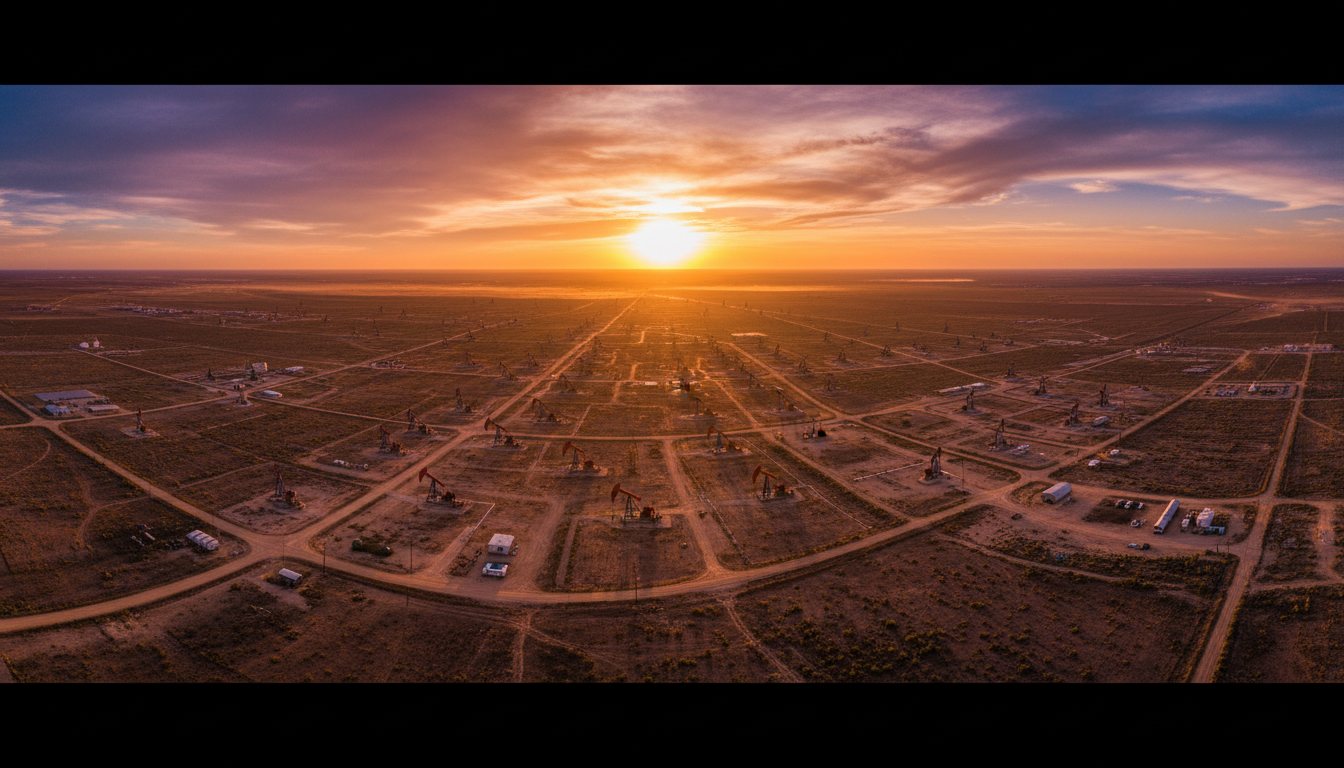
The largest oil field in the United States had entire layers that no one knew existed, and the U.S. government has just confirmed 1.6 billion barrels hidden in rocks that have been invisible for decades.
-
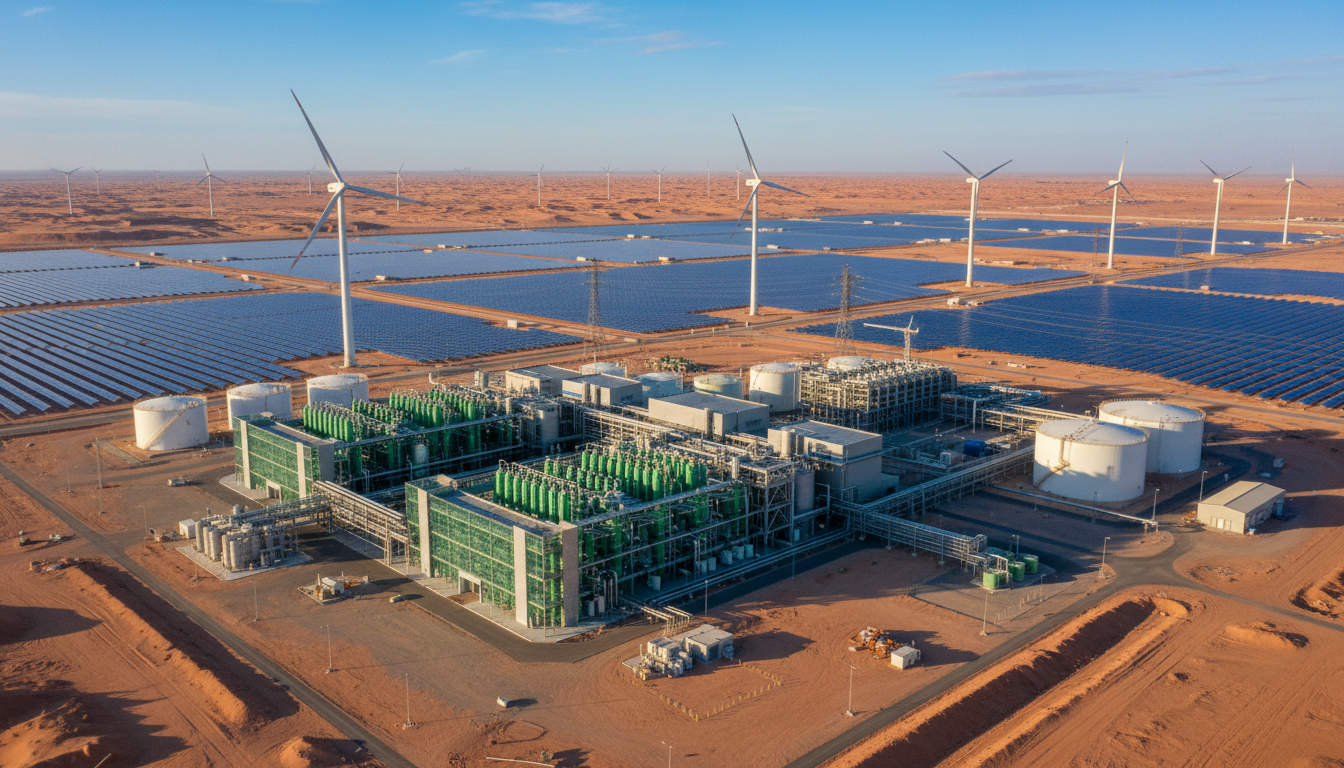
In the Saudi Arabian desert, the world’s largest green hydrogen plant is 80% complete and will use 4 gigawatts of solar and wind energy to produce 600 tons of clean fuel per day when it opens in 2027.
-
Sixteen years after the largest environmental disaster in oil history, BP has just received approval to open its first new field in the Gulf of Mexico, and the 10 billion barrels are 10 kilometers below sea level.
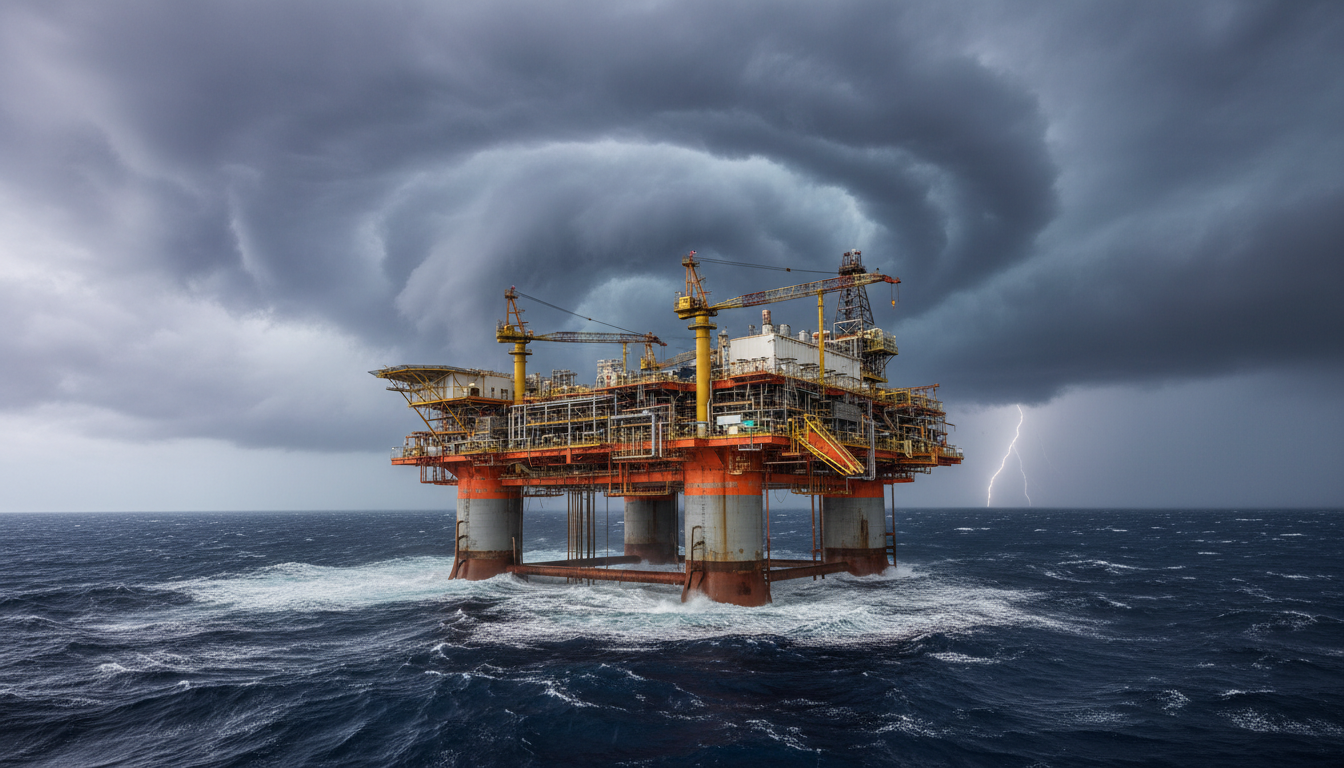
Expectations of offshore drilling create an immediate effect on the local population

The interest in the region is directly linked to plans for oil exploration in maritime areas near Amapá, within a strip considered promising by Petrobras.
The possibility of offshore drilling in deep waters, with potential for discovering new reserves, generates an immediate economic attraction effect. Even without confirmation of commercial production, the mere expectation of activity already triggers a population movement.
Workers arrive in search of indirect opportunities, such as:
- Jobs in construction and services
- Activities related to logistics and transportation
- Informal trade and service provision
- Support for future industrial operations
This type of movement has already been observed in other regions of Brazil with a history of oil exploration, where cities underwent accelerated growth even before production began.
Uncontrolled growth pressures urban infrastructure of isolated city
Oiapoque has a limited urban structure, with restricted capacity to absorb rapid population increases. The arrival of new residents has caused direct impacts in areas such as housing, sanitation, and public services.
Reports indicate the emergence of improvised occupations and urban expansion without planning, creating areas with precarious infrastructure. This uncontrolled growth can generate lasting effects, especially if there is no oversight by public policies.
The city faces challenges such as:
- Overload on health and education services
- Increased demand for housing
- Pressure on water supply systems
- Expansion of informal areas
These factors indicate that the impact of oil exploration is not limited to the production phase, starting much earlier, still in the realm of expectations.
Equatorial margin enters the radar as a new oil frontier of Brazil
The coastal region of Amapá is part of the so-called Brazilian equatorial margin, an area that has been pointed out by geological studies as promising for oil discovery.
This strip extends across several states in the North and Northeast and presents geological characteristics similar to regions of the African coast where large reserves have been discovered in recent decades.
The possibility of replicating this potential in Brazil has raised the strategic interest in the region, both for the government and for companies in the sector.
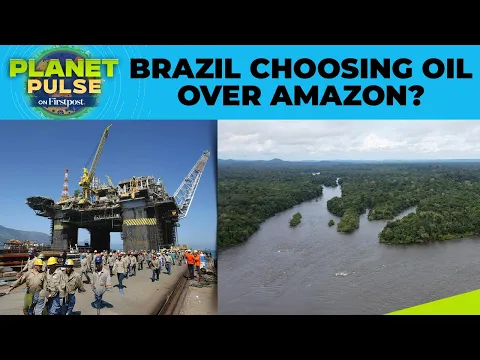
If drilling confirms commercial reserves, the area could become a new production frontier, increasing the country’s participation in the global oil market.
Environmental impact enters the center of the debate on exploration in the Amazon
The prospect of oil exploration near the Amazon reignites a sensitive debate about the environmental impacts of such activities.
The region houses complex ecosystems and significant biodiversity, as well as protected areas and traditional communities. The conduct of offshore drilling requires detailed impact studies and risk mitigation systems.
Among the concerns raised by experts are:
- Possible oil spills
- Impacts on ocean currents and coastal ecosystems
- Risks to local communities
- Difficulties in response in remote areas
These factors make the licensing process more rigorous and increase the level of attention on the project.
History of oil cities shows a pattern of accelerated and unequal growth
Previous experiences in Brazil indicate that regions receiving oil activities often go through cycles of rapid growth, often accompanied by social inequalities.
Cities like Macaé and coastal regions of Rio de Janeiro underwent profound transformations after the arrival of the oil industry, with increased income, but also challenges related to infrastructure and urban planning.
The case of Oiapoque presents similar characteristics, although on an initial scale, with the difference of being located in an even more isolated region with less prior structure.
Economic expectations create anticipation of investments and regional movement
In addition to the direct impact on the population, the prospect of oil exploration also begins to influence investment decisions.
Companies and entrepreneurs are beginning to evaluate opportunities in the region, anticipating possible future demands. This includes everything from small businesses to larger scale projects. This anticipation can accelerate local economic development but also increases the risk of disorganized growth if there is no proper planning.
Petrobras continues to conduct studies and necessary processes to enable drilling in the region, including environmental and technical analyses.
The authorization for drilling depends on rigorous licensing stages, conducted by regulatory bodies, which assess risks and impacts before allowing any operation. The process can take time and involves multiple variables, meaning that effective activity still depends on future decisions.
The new oil rush in the Amazon could transform northern Brazil or generate impacts even before the first extraction
The movement in Oiapoque raises a central question about the future of the region: can oil exploration become a vector for structured development, or will it continue to generate anticipated impacts without proper planning?
With drilling yet to begin, the effects are already starting to manifest, indicating that the new Brazilian oil frontier could transform the territory long before producing the first barrel.
In light of this scenario, the unfolding of the next steps—from licensing to potential exploration—will be decisive in defining the balance between economic growth and territorial organization in the region.








Seja o primeiro a reagir!