





 Portuguese
  English
  Spanish
  3 min of reading


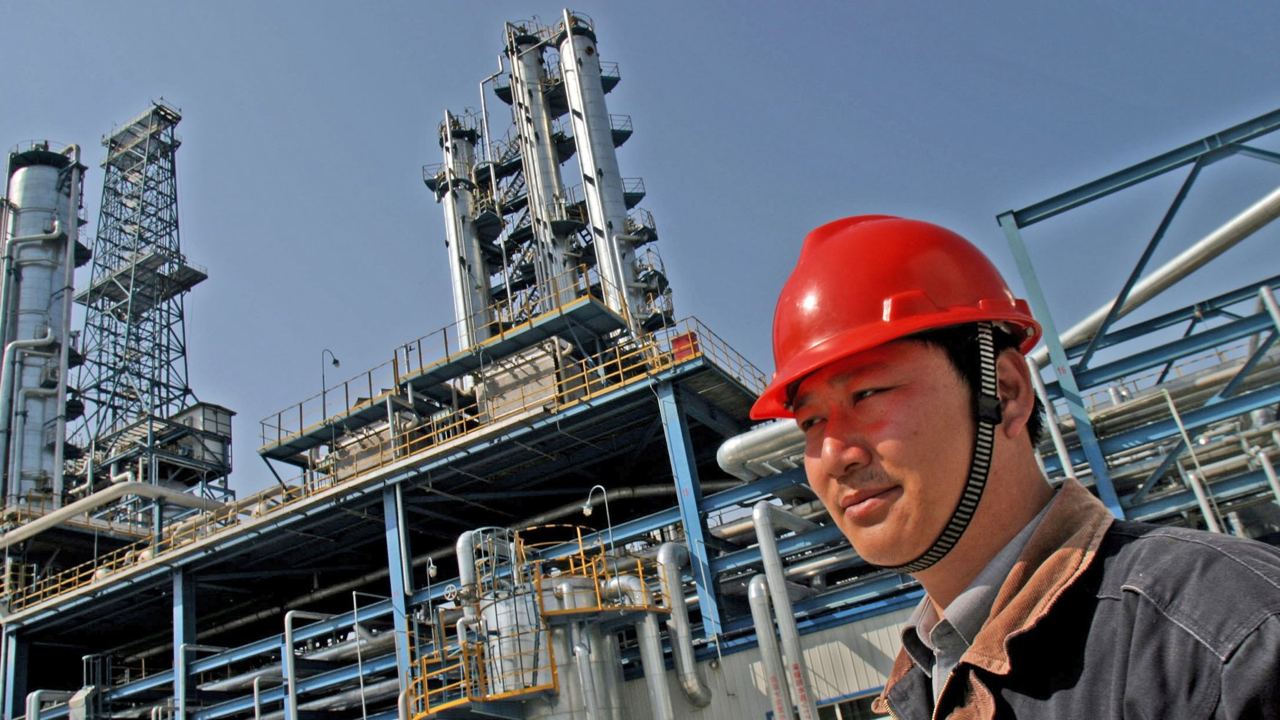
Global Economic Uncertainties Make Oil Market Unstable and Volatile. OPEC+ Voluntary Production Cuts Are Not Enough to Combat the Perception of Demand Decline Triggered by China’s Economic Slowdown.
Experts warn of possible drops in oil prices due to weak demand from China in the first quarter of 2023. Even with the OPEC+ voluntary production cuts, which aim to prevent a price decline, the market remains jittery and concerned about potential global economic slowdown.
At the beginning of April, the OPEC alliance announced voluntary production cuts totaling 1.16 million barrels per day, which led to an initial increase in oil prices in the global market. Brent jumped 6% to US$85, and WTI reached US$80 per barrel. However, three weeks later, prices returned to the levels seen at the end of March, with Brent trading below US$80 per barrel, according to a report from Folha de São Paulo.
Banks and their analysis departments predicted at the end of 2022 that oil would return to three digits in 2023, due to the possibility of demand exceeding supply. However, China’s industrial demand indicators remained mixed in the first quarter of 2023, raising concerns about the state of the global economy. Based on information about refining operations, oil imports and exports of refined products from China, it appears that local demand was weak, increasing inventories.
-
The rise in oil prices could ensure an extra revenue of R$ 100 billion for the Federal Government, indicates a recent economic study.

-
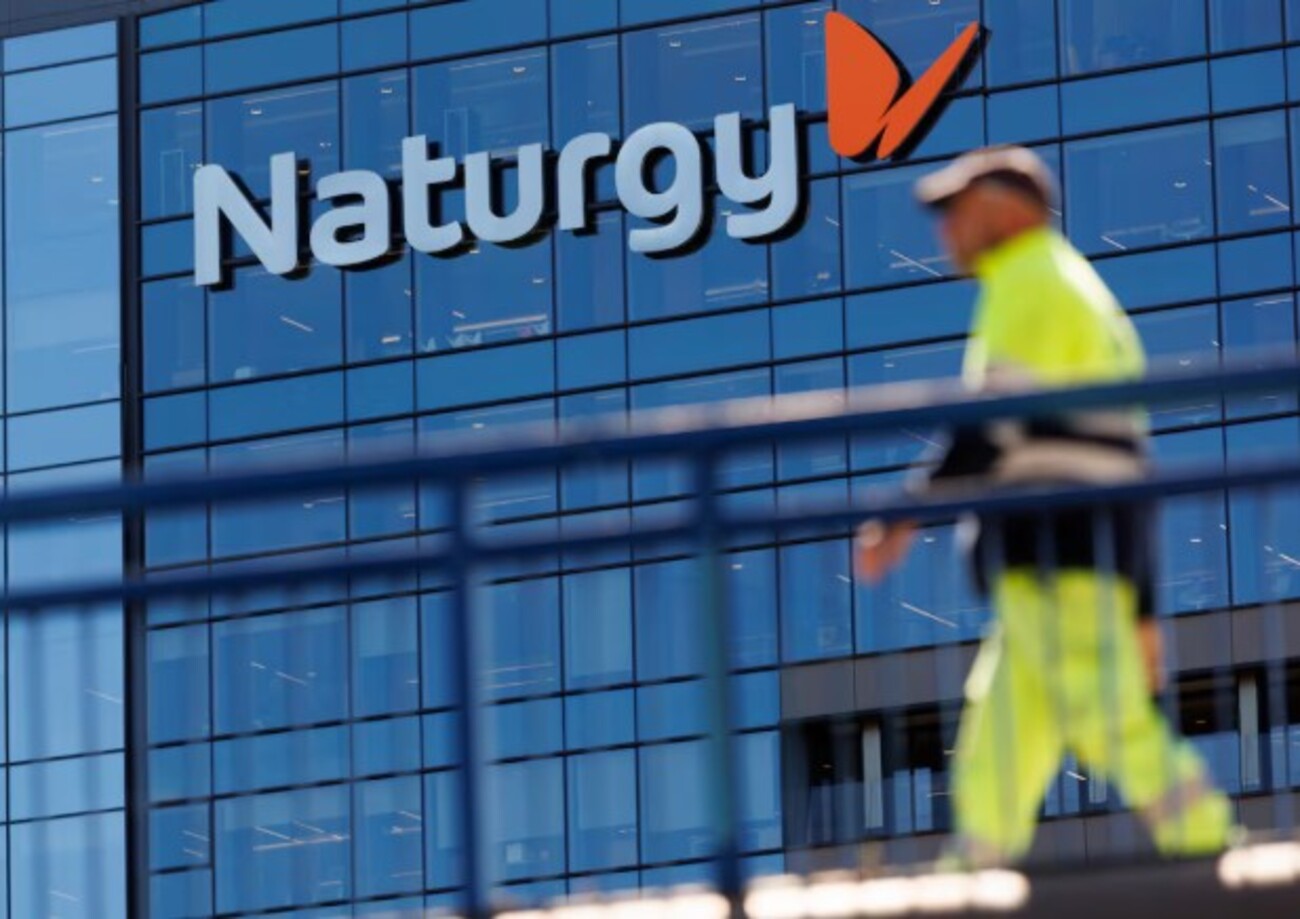
Naturgy begins an investment of R$ 1.6 million to expand the gas network in Niterói and benefit thousands of new residences and businesses.
-
A major turn in the Justice system suspends tax increases and directly impacts oil and gas companies in Brazil by affecting costs, contracts, and financial planning, leaving uncertain what could happen to the sector if these costs had increased.

-
Brava Energia begins drilling in Papa-Terra and Atlanta and could change the game by reducing costs in oil while increasing production and strengthening competitiveness in the offshore market.


While there is a possibility that China is stockpiling the product for the end of the year, when prices are expected to rise, it may also be the case that local demand falls short of expectations. It is quite possible that Chinese authorities will implement stimulus measures to boost industrial demand, but this may not be sufficient if the global economy slows down.
Economic Indicators Below Expectations in the US and EU Generate Negative Reactions in Oil Prices.
Each economic indicator below expectations in the US and EU has generated negative reactions in oil prices. Last week, prices fell after slightly higher employment numbers and an unexpected accumulation of gasoline inventories in the US. This week, the Dallas Fed’s industrial survey data showed that there was little growth in manufacturing production and an index of production near zero.
The OPEC+ states that it is trying to prevent a drop in oil prices like in 2008, which required emergency action from the cartel, while others assert that the organization is trying to raise prices due to the budget constraints of producing countries. Although the voluntary production cuts announced by OPEC+ have had a strong impact, both at the beginning of April and now, when the market expects more actions from the group, they may not be sufficient to combat the perception of demand decline.
Investors should pay attention to economies like India and China, whose governments may adopt measures to increase domestic demand, especially if prices are relatively low and there is availability of cheap Russian oil.
In the face of uncertain economic and political conditions, experts expect future volatility in the oil market. The OPEC+ shows that it is willing to intervene in prices by implementing production cuts as much as possible, although with each decision to do so, its effect dissipates.
As mentioned, the oil market reacts strongly to all economic indicators, which can lead to exaggerated price movements. It is important for investors to closely monitor government actions and economic events to adequately prepare for potential declines or increases in oil market prices.
With the oil market unstable and volatile, it is important for consumers and companies to stay alert and know how to adapt to different scenarios. Knowledge and information are essential to prepare and make the best decisions.
Analysis: Lula’s Government Plans for the Oil Industry










Seja o primeiro a reagir!