





 Portuguese
  English
  Spanish
  4 min of reading
  0 comments


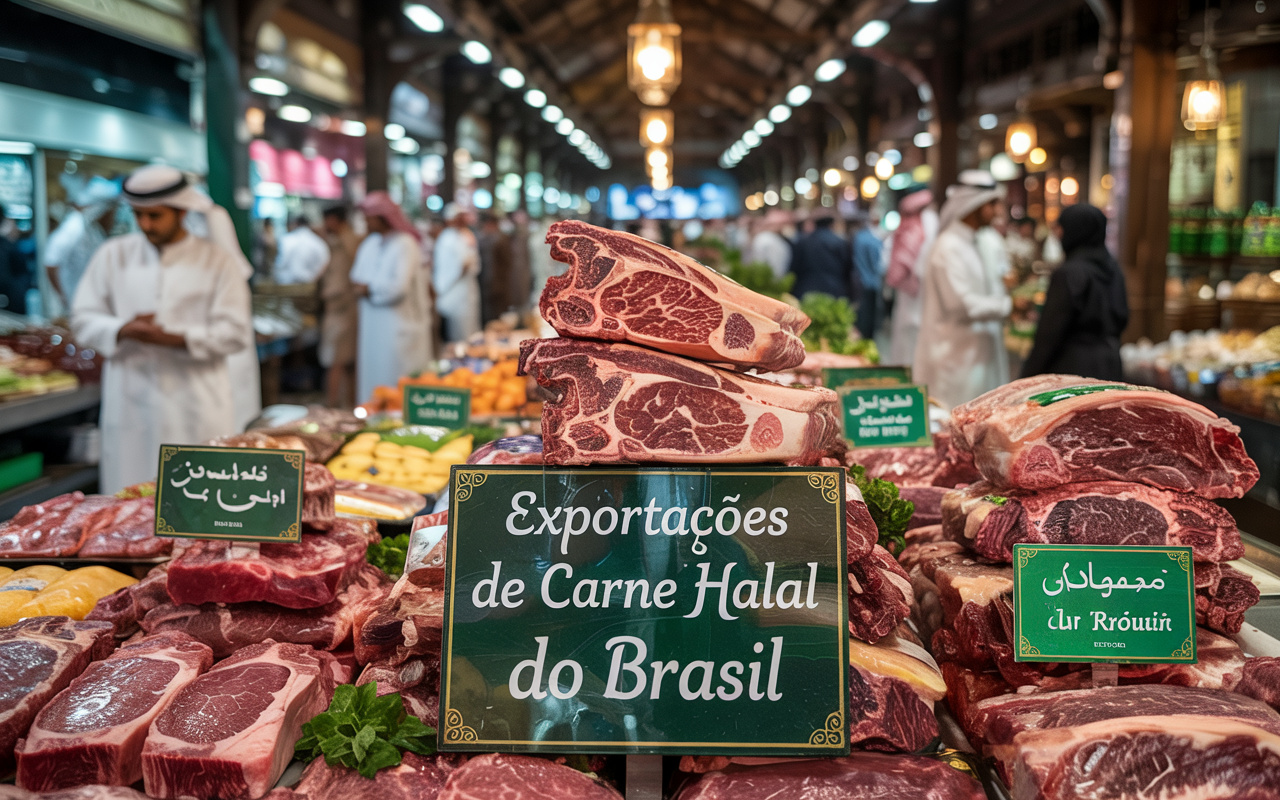
Brazilian Halal Meat Exports Rise 20% in 2025, Strengthening Global Leadership, but Risks of Barriers and Dependence Worry the Sector.
Brazil wrote a new historical chapter in 2025 by skyrocketing halal meat exports. In a global market that moves over US$ 1.4 trillion annually, the country has consolidated itself as an absolute protagonist, supplying millions of Muslim consumers with beef and chicken certified according to strict Islamic standards. In just the first nine months of 2025, Brazilian sales rose 20% compared to 2024, a result that reinforces its position as a giant but also exposes risks of dependence and bottlenecks that could threaten the sector’s future.
The Growth That Impressed Arab Markets
According to data from the Arab-Brazilian Chamber of Commerce, Brazil exported over US$ 3.6 billion in halal meat between January and September 2025, representing an increase of more than 20% compared to the same period in 2024.
The result confirms the robustness of demand in Arab countries, which see Brazil as a reliable supplier capable of ensuring scale and quality.
-
IPTU exemption for seniors in 2026: see how to secure the benefit.

-
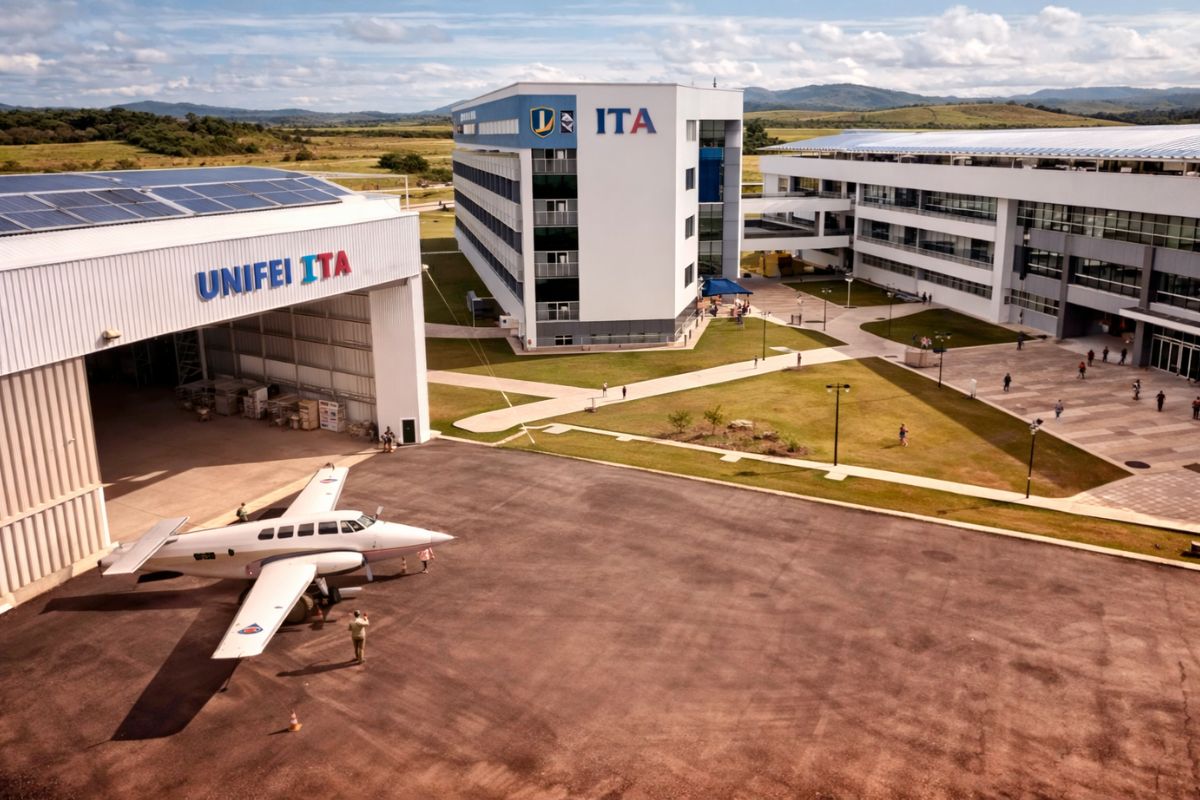
The institute that trained the greatest aerospace engineers in Brazil has just opened its first campus outside São Paulo after 75 years: ITA Ceará will have R$ 445 million, new courses in energy and systems, and classes are expected to start in 2027.
-
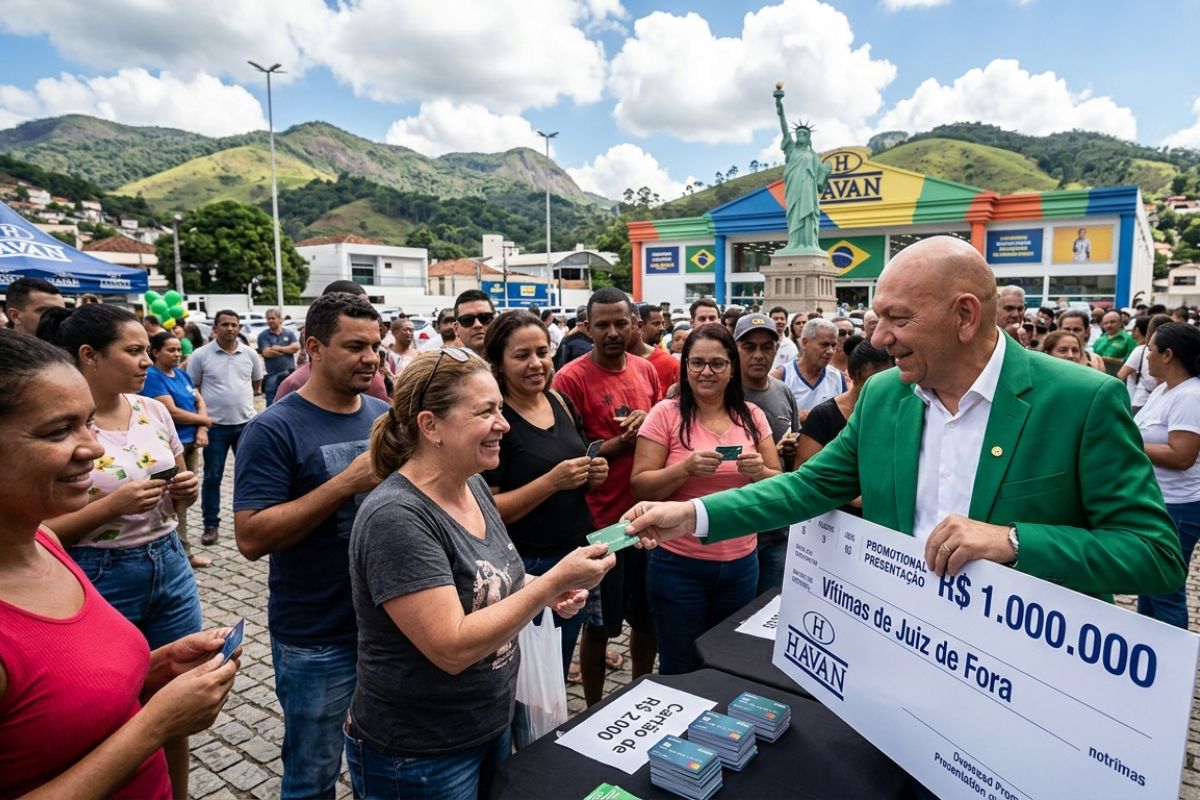
Luciano Hang, owner of Havan, goes to Juiz de Fora after the tragedy in February, brings R$ 1 million, hands out R$ 2,000 cards, and donates up to R$ 15,000 to victims in the region.
-
The Brazilian passport allows legal residence in dozens of countries without the need for a prior visa, and most Brazilians are unaware that they can apply for residency directly upon arriving in nations in South America, Africa, and even Europe.

This performance has even greater weight when compared to the global scenario: it is estimated that the halal market, which includes not only meats but a whole ecosystem of certified foods, will exceed US$ 1.4 trillion annually. Brazil accounts for a significant slice of this pie, leading shipments to strategic markets such as Saudi Arabia, United Arab Emirates, Egypt, and Indonesia.
What the Halal Seal Means


The concept of halal goes far beyond meat. The word, which means “permissible” in Arabic, involves a set of rules for slaughter, handling, and transportation of foods in accordance with Islamic precepts. In the case of meats, it requires that animals be slaughtered in a ritualized manner, with supervision from religious authorities and respect for practices that make the product acceptable for consumption by the Muslim population.
Brazil has developed a robust industry to meet these requirements, with adapted slaughterhouses, internationally recognized certifiers, and a specialized technical team to ensure that the product meets the strictest standards. This infrastructure is one of the secrets to Brazil’s success in the halal market.
Brazil, A Global Power in Halal Meat
The country is not just another supplier. Today, Brazil is seen as a global powerhouse in halal meat, accounting for over 40% of the chicken imported by Arab countries and also being one of the largest suppliers of certified beef.
Domestic slaughterhouses compete for billion-dollar contracts and even adapt entire production lines just to meet halal orders.
This prominence has brought significant gains to the economy. It is estimated that the halal sector alone is responsible for around US$ 5 billion in annual revenue, in addition to generating thousands of jobs throughout the production chain—from the field to the ports. For states like Paraná, Goiás, and Mato Grosso do Sul, which specialize in animal protein, the impact is direct on regional development.
The Red Alert: Dependence and Barriers
But not everything is billion-dollar figures and good news. Experts warn of the growing risk of excessive dependence on this market. With over 95% of exports destined for Muslim countries, any change in sanitary regulations or import tariffs could trigger an immediate shock in the sector.
The alert became even more evident after the announcement that some countries are considering revising their sanitary requirements, imposing stricter standards to ensure quality and animal welfare. Additionally, there is the risk of competition from other giants in the sector, such as India and Turkey, which have been increasing investments to compete for slices of this billion-dollar market.
Another bottleneck is logistical vulnerability. Just like what happens with minerals and agribusiness, Brazilian ports operate near their limits. Lines and delays in the shipment of meat containers have already been recorded, which could compromise Brazil’s image as a reliable supplier.
The Geopolitical Game of Food
Brazil’s dominance in the halal market goes beyond the economy: it is also a geopolitical card. Being the largest supplier of animal protein to countries in the Middle East and North Africa grants the country strategic bargaining power in international forums. Not by chance, Brazilian diplomacy works closely with the Arab-Brazilian Chamber to solidify partnerships and expand the reach of these products.
This strategic relationship, however, can turn into a vulnerability if there is no diversification. A geopolitical shock, such as regional wars or trade sanctions, would have a direct impact on a sector highly concentrated in a single consumer bloc.
The Promise of Expansion and Next Steps
Despite the risks, the potential for growth remains enormous. Estimates suggest that by 2030 the halal market should exceed the mark of US$ 2 trillion in global revenue. With the Muslim population growing and the Arab middle class expanding its purchasing power, the demand for certified foods is only expected to increase.
Brazil is in a position to further expand its share, especially if it invests in diversification of halal products, including dairy, processed foods, and even cosmetics and pharmaceuticals, which are also part of the consumption ecosystem permitted by Islam. Brazilian companies are already starting to explore this frontier, but still timidly.
Brazil is at a crossroads that could define its role in the global food trade in the coming decades.





-

-

-

-

-

30 pessoas reagiram a isso.