





 Portuguese
  English
  Spanish
  3 min of reading
  0 comments


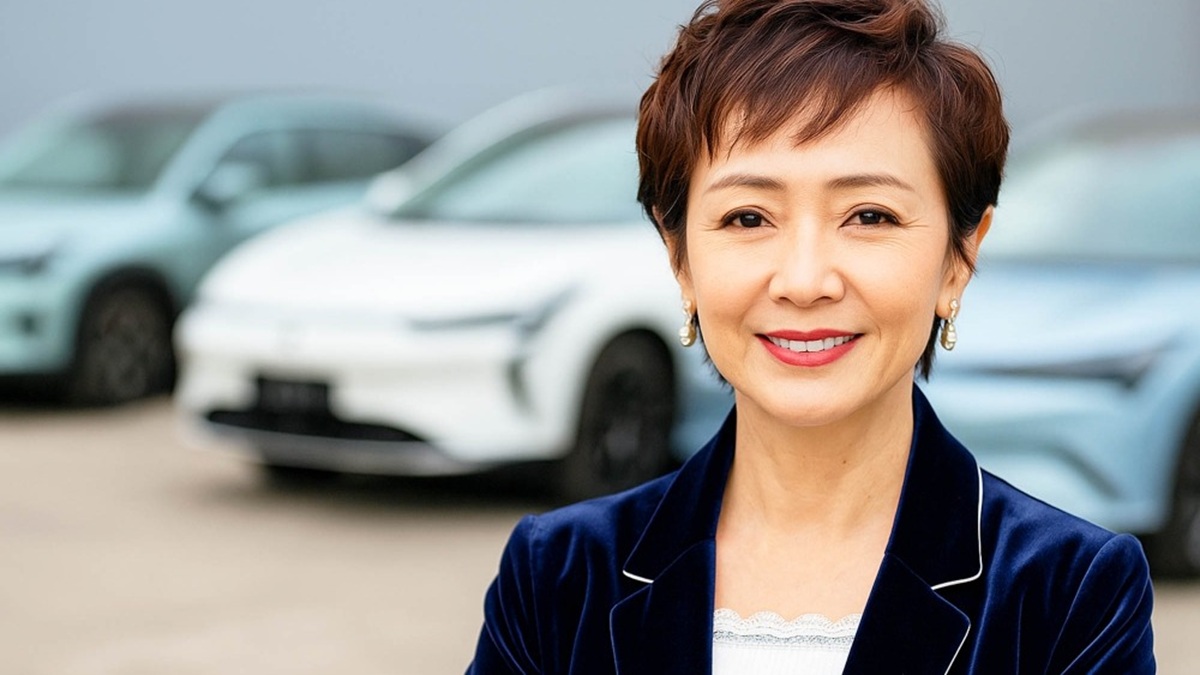
Executive Stella Li Claims That Price War, Overcapacity, and Beijing’s Intervention Should Cause Unprecedented Consolidation in the Electric Sector.
China, responsible for the majority of global electric vehicle production, is undergoing an adjustment phase that may radically transform the market.
According to executives and sector analyses, overproduction capacity, price wars, and regulatory intervention from Beijing are leading to deep consolidation, capable of eliminating hundreds of small and medium manufacturers.
The most emphatic warning came from Stella Li, vice president of BYD, during the Munich Auto Show, in a statement reported by Business Insider Spain.
-
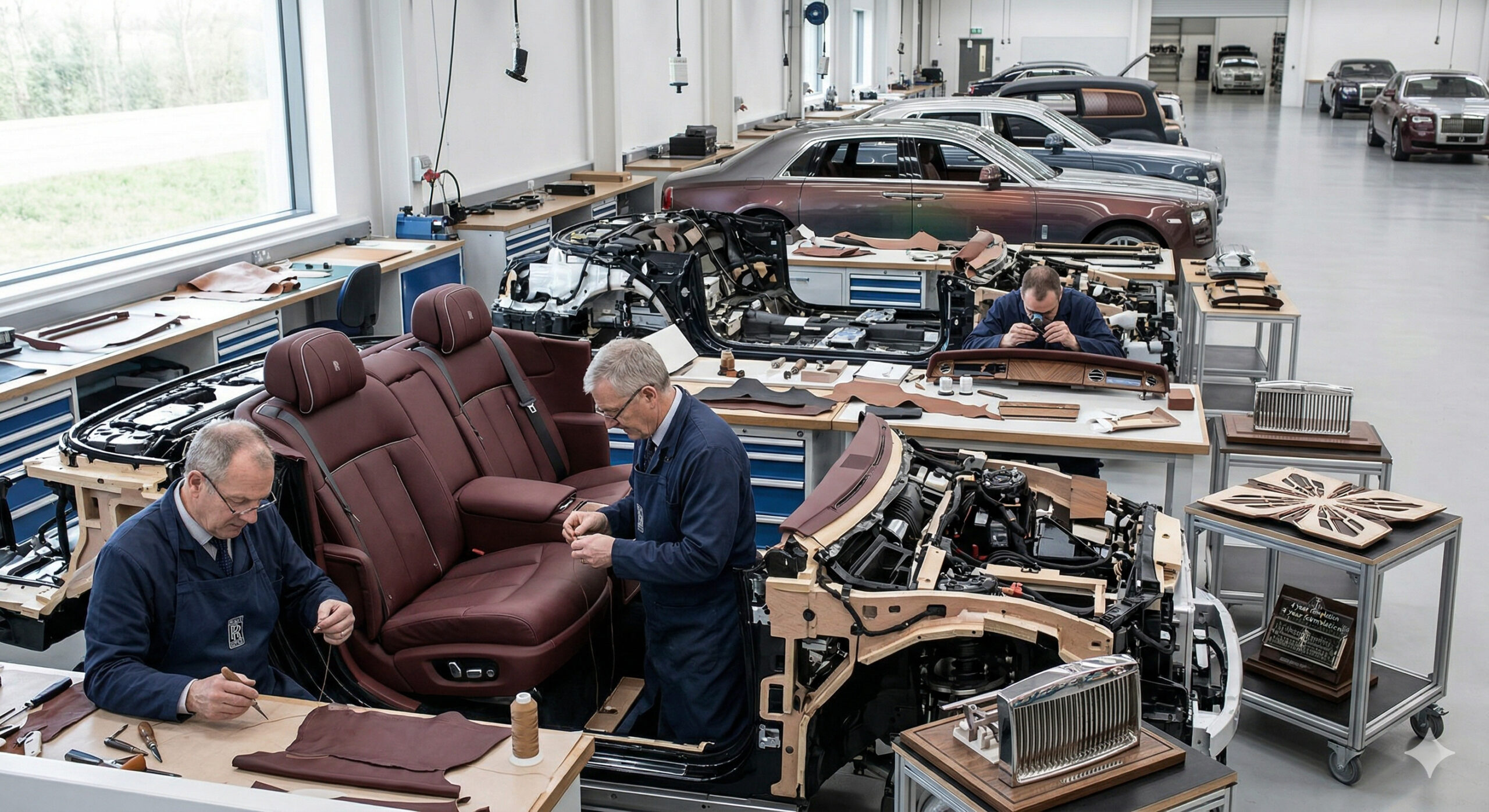
While much of the industry rushes to automate production, Rolls-Royce takes over 600 hours to hand-build each car in Goodwood and still accepts orders so complex that they can take up to four years to be completed.
-
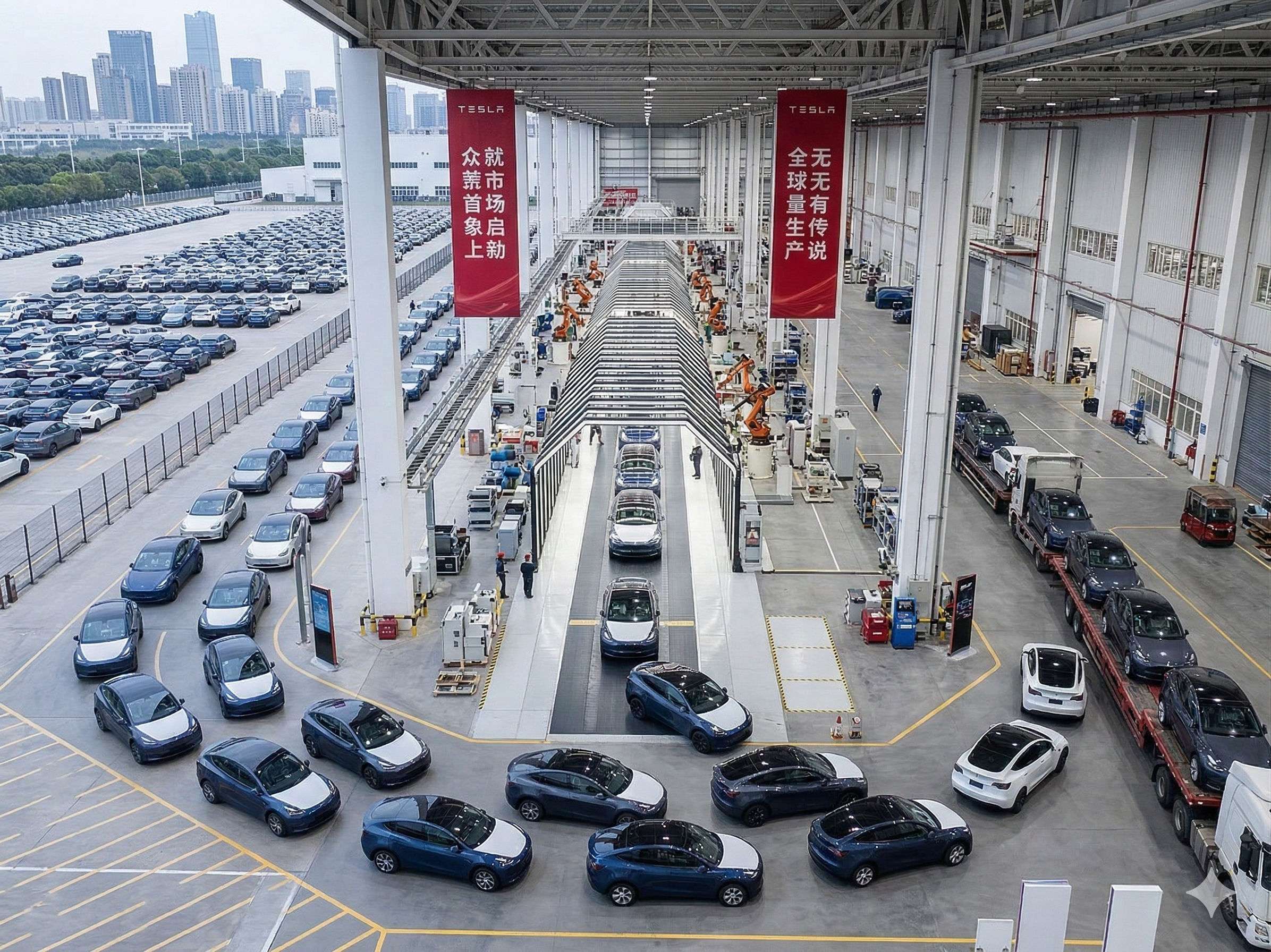
Smaller than the Model Y, lighter, with a single motor and designed to cost less than the current Model 3, Tesla’s new compact electric SUV is born in China and could seal the automaker’s return to the race for mass-market electric vehicles.
-
Kawasaki took the technology from its most brutal racing bikes, squeezed it into a 400cc 4-cylinder engine that revs to 15,000 RPM, and created the ZX-4R, a machine that shouldn’t exist in this displacement but is making experienced riders rethink everything they thought they knew about mid-range motorcycles.

-
The culture of cars that jump on the asphalt was born in the garages of Mexicans in the 1940s, was treated as a crime in the United States for decades, and has now become an official postage stamp of the American Postal Service in a twist that no one expected.

According to her, of the 130 brands operating in the country today, around 100 could be “expelled” if the pressures for aggressive discounts and sales conditions continue. The diagnosis coincides with consultancies projecting survival only for large consolidated groups.
The Role of Price War and Regulation
In recent years, the Chinese market has plunged into a competition marked by significant discounts, zero-cost financing, and constant promotions. This scenario, dubbed “price war,” helped maintain sales volumes but severely compromised the sector’s profitability.
With the advance of deflation and the risks to companies’ financial health, Beijing decided to intervene. According to the Financial Times, new rules began to restrict extreme discount practices, reducing the maneuvering room for smaller manufacturers.
Thus, companies with fragile structures began to face immediate survival difficulties.
Overproduction Capacity
Another factor worsening the situation is the installed overproduction capacity. Chinese factories can produce far more than the domestic market absorbs, and the average utilization rate of the plants has dropped significantly.
Consultancy AlixPartners estimates that of the 129 brands that would sell electric and plug-in vehicles in 2024, only 15 will be financially healthy by 2030.
These few brands are expected to concentrate up to three-quarters of the market, while the rest will face mergers, exits, or closures.
Impact on BYD and Consumers
Even leading companies like BYD are feeling the effects of the correction. The manufacturer acknowledged that its quarterly results showed deterioration, a direct result of reduced government incentives and new regulations.
The company was forced to revise forecasts and margins, although it sees the adjustment as an opportunity to face less competition in specific segments and gain greater price stability.
For consumers, especially in Europe and Spain, the scenario may mean access to cheaper and more advanced vehicles but also risks of trade tensions.
Tariff barriers, technical requirements, and protectionist measures may increase costs or limit access to these models.
Global Effects and Uncertainties
The impact of the Chinese adjustment extends beyond its borders. Brands that lose ground in the domestic market will seek expansion abroad but will face obstacles such as higher production costs in Europe and the United States, in addition to the need for robust distribution networks.
According to Reuters, another side effect may come from global supply chains: the disappearance of Chinese suppliers may compromise the delivery of batteries and electronic components, raising costs and deadlines in the global automotive sector.
Analysts note, however, that consolidation will not be automatic. Local governments that invested in subsidies and incentives to attract factories may try to protect certain companies for employment and industrial structure maintenance reasons.
Additionally, mergers, regional concentrations, and reorientation towards specific niches may ensure the survival of some brands.
A New Competitive Balance
The “clean-up” movement in the electric vehicle sector projects a future with fewer competitors, greater concentration, and competition for economies of scale. The transformation envisioned by executives and consultancies will reshape the market, reinforcing the race for productive efficiency and international expansion.
China, which led the electric vehicle revolution, now faces the task of reorganizing its own industrial ecosystem—a process that will determine which companies will have the stamina to compete in an increasingly demanding global market.








-

-

-

-

-

10 pessoas reagiram a isso.