





 English
  Francês
  Alemão
  Italiano
  Japonês
  Norueguês
  Portuguese
  Spanish
  2 min of reading


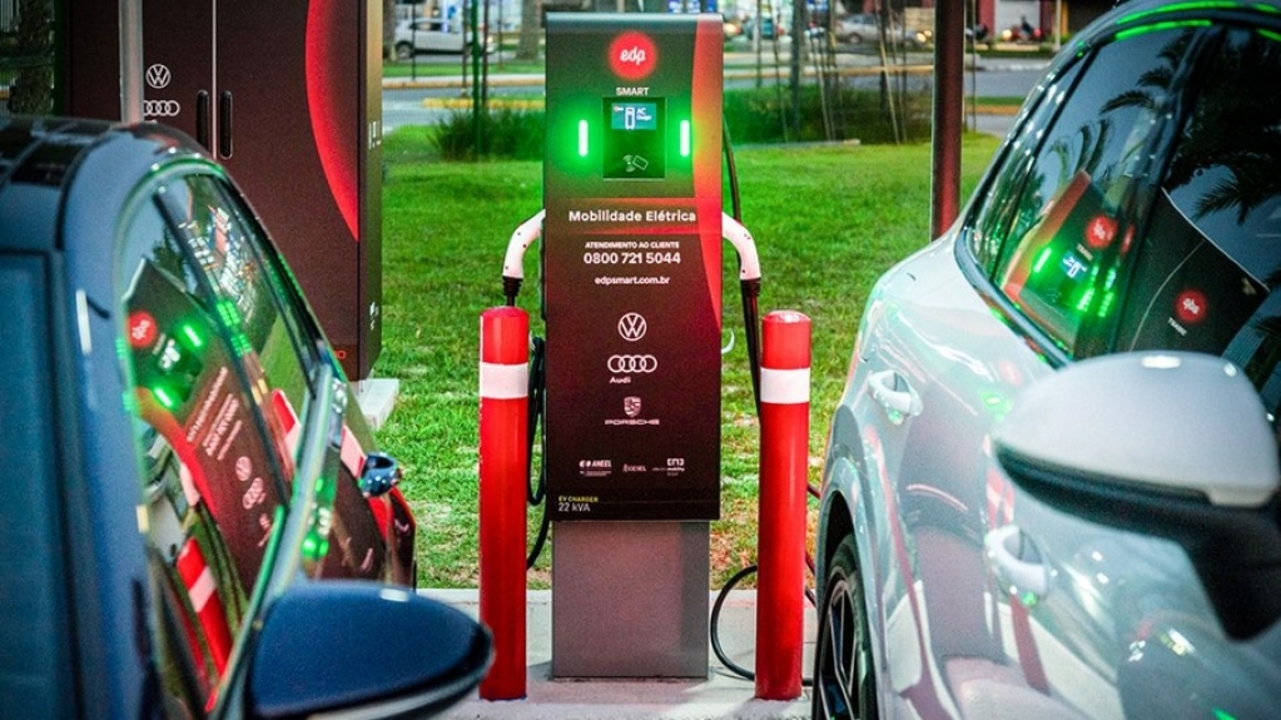
Electric Car Manufacturers Seek Government Help for Vehicle Launch in Brazil
Anfavea decided to prepare a case study addressing the main bottlenecks of the country’s energy industry and possible alternatives for manufacturers and the government to overcome them and successfully launch electric cars.
Read Also
Electric Cars Face Bottlenecks in Brazil
Compared to countries like China and Europe where access to and success of electric cars is a topic of discussion, the Brazilian market faces difficulties, especially regarding pricing.
Anfavea (National Association of Motor Vehicle Manufacturers) requested help from the Brazilian government with the aim of accelerating the use of electric cars in the Brazilian market.
-
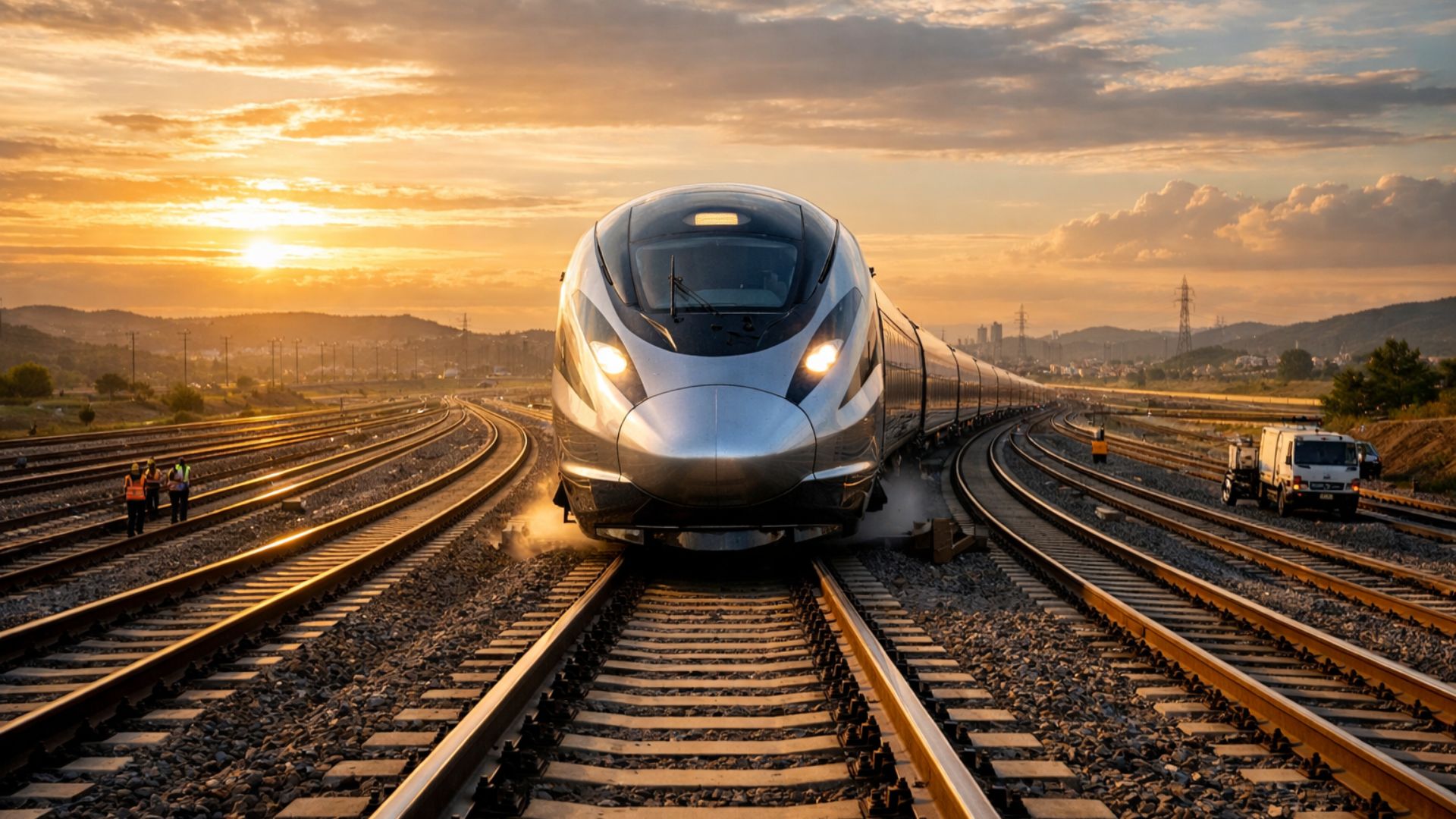
São Paulo surprises the world with a colossal railway network project that promises over 1,000 km of tracks, R$ 194 billion in investments, and 40 projects connecting the capital to the interior with fast and sustainable trains.
-
The world’s largest escalator, measuring 905 meters in China, reduces urban travel time from 1 hour to about 20 minutes and transforms mobility in mountainous regions with an engineering solution adapted to the terrain.

-
A R$ 300 million logistics giant is taking shape in Serra with over 100,000 m² and raises a question: how can this transform e-commerce and distribution in the state?

-
Could Uber Rides Lose Minimum Fare? Understand What’s Happening!


“We can no longer work in isolation. The private and public industry must unite to improve the outcomes of electric cars. Simply launching electric cars is not enough and won’t solve our problem. Brazil has solar power plants, a clean energy matrix, and yet there are still bottlenecks,” reports Luiz Carlos Moraes – president of Anfavea.
Market Moving Slowly
In December, news circulated that Brazil could eliminate taxes on electric cars, but the issue did not progress in the Chamber. The cost of recharging vehicles remains one of the obstacles to be resolved.
Stellantis recently stated that it will only produce electric cars in Brazil with government support. Stellantis’ plan involves focusing on combustion vehicles in Brazil and Latin America while there are no government incentives to make production viable.
It is worth noting that the group aims to have 39 hybrid or electric models in its lineup by the end of 2021. By 2025, the plan is to offer an electrified version for every new vehicle.









Seja o primeiro a reagir!