





 Portuguese
  English
  Spanish
  4 min of reading
  0 comments


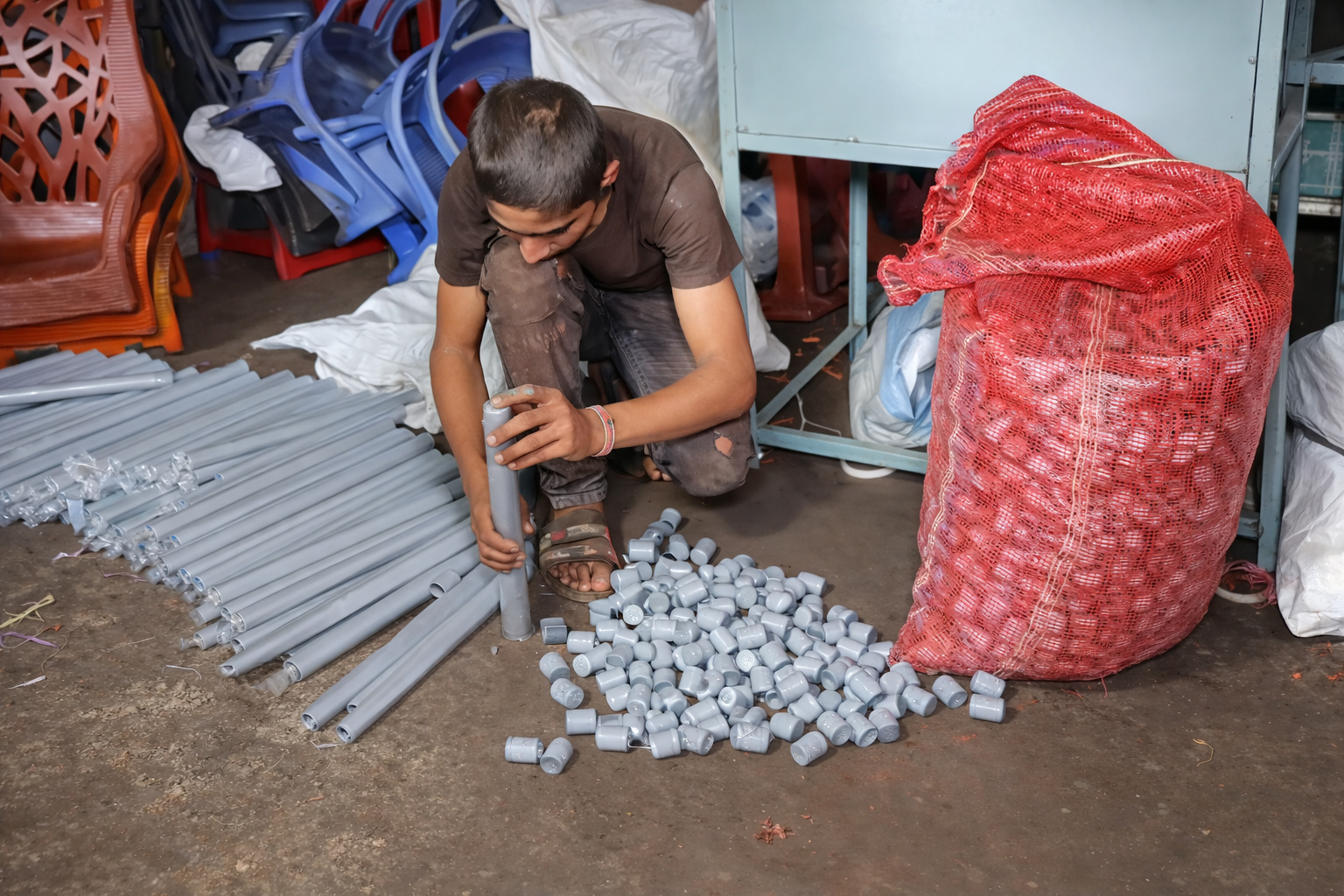
Understand how the recycling process of a factory that transforms plastic bags into durable and accessible chairs with positive environmental impact works
The factory produces recycled plastic chairs from plastic bags and shows how waste can gain a new use with real value. The process transforms common waste into durable furniture, helping to reduce pollution and encourage more sustainable practices.
This type of recycling has a direct impact on the environment and on people’s daily lives. By reusing discarded plastic bags, the industry reduces the volume of waste and creates useful products with a long lifespan.

Factory collects and separates the plastic bags that initiate the recycling process
The journey begins with the collection of used plastic bags, which would normally be discarded in landfills or the environment. This material has a large-scale composition to enable industrial production.
-
Fine of up to R$ 10,000 for wood stoves? Yes, but it’s not a crime: excessive smoke, burning trash, and urban use can lead to fines, and the rules change depending on the local inspector.
-
Army military bases in the Amazon will gain solar power plants that promise to eliminate almost 11 thousand tons of CO2 in 15 years, and the jungle that protects Brazil will now also generate clean energy with an investment of nearly 10 million reais.

-
Archaeologists accidentally discover an intact 4,500-year-old tomb during highway construction in Romania, with a body in a fetal position and artifacts from the Yamnaya culture.
-
Couple transforms abandoned boat worth $5,000 into luxury yacht, with a lot of improvisation, savings, manual labor, faces a hurricane, and creates a new life on board.

After collection, the separation of waste occurs, an essential step to remove impurities and materials that cannot be recycled. This care ensures quality in the final product and avoids failures in the process.
According to Amazing Global Skills, a channel specialized in industrial processes and recycling, the reuse of plastics begins with this rigorous sorting to ensure efficiency in production.
Cleaning and preparation of plastic ensure quality of recycled chairs
After separation, the bags undergo a complete washing, which removes dirt, organic waste, and contaminants. This step is important to avoid defects in the recycled material.
After cleaning, the plastic is shredded into small pieces, facilitating the subsequent steps. This shredded material is already ready to be transformed into a new raw material.
The process ensures that the recycled plastic has good strength and durability, essential characteristics for chair manufacturing.
Melting of material in the factory transforms waste into reusable raw material
The shredded plastic goes through a high-temperature heating stage, where melting occurs. At this moment, the material transforms into a uniform mass.
This process allows different types of plastics to be combined and molded. The melted mass is then prepared to enter the manufacturing machines.
According to Amazing Global Skills, a channel specialized in industrial processes and recycling, this stage is fundamental to ensure that the recycled material has the appropriate consistency for industrial use.
Injection molding gives shape to recycled plastic chairs
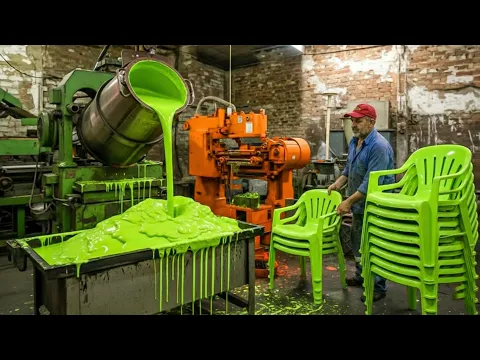
With the material already melted, the technique of injection molding, widely used in the industry, comes into play. The liquid plastic is inserted into molds shaped like the chair.
These molds are designed to ensure strength, comfort, and standardization. After cooling, the plastic hardens and takes on its final shape.
The result is sturdy and durable chairs, ready for use in homes, businesses, and outdoor environments.
Mass production shows efficiency of plastic reuse
The industrial process of the factory allows for the mass production of recycled chairs, making the product accessible and competitive in the market. Modern machines accelerate all stages.
Moreover, the use of waste reduces costs with raw materials and contributes to a more sustainable production chain. This model reinforces the idea of a circular economy.
Manufacturing shows that it is possible to transform waste into useful products, with quality and performance similar to new materials.
Recycling of plastic bags helps reduce environmental impacts
The reuse of bags prevents large volumes of plastic from being improperly disposed of. This reduces pollution in rivers, soils, and oceans.
There is also a decrease in the use of natural resources, as recycled material replaces virgin plastic. This process contributes to a more sustainable future.
The transformation of waste into chairs shows that recycling can be a practical solution to current environmental problems.

Transformation of waste into chairs shows strength of the circular economy
The production of recycled plastic chairs from plastic bags represents a smart solution for waste reuse. The process combines technology, sustainability, and efficiency.
This practice reduces environmental impacts and also generates useful products for daily life. The industry shows that waste can have value when well utilized.
Did you enjoy learning about this process? Leave your comment and share with others who are also interested in sustainable solutions.









Seja o primeiro a reagir!