





 Portuguese
  English
  Spanish
  5 min of reading
  1 comment


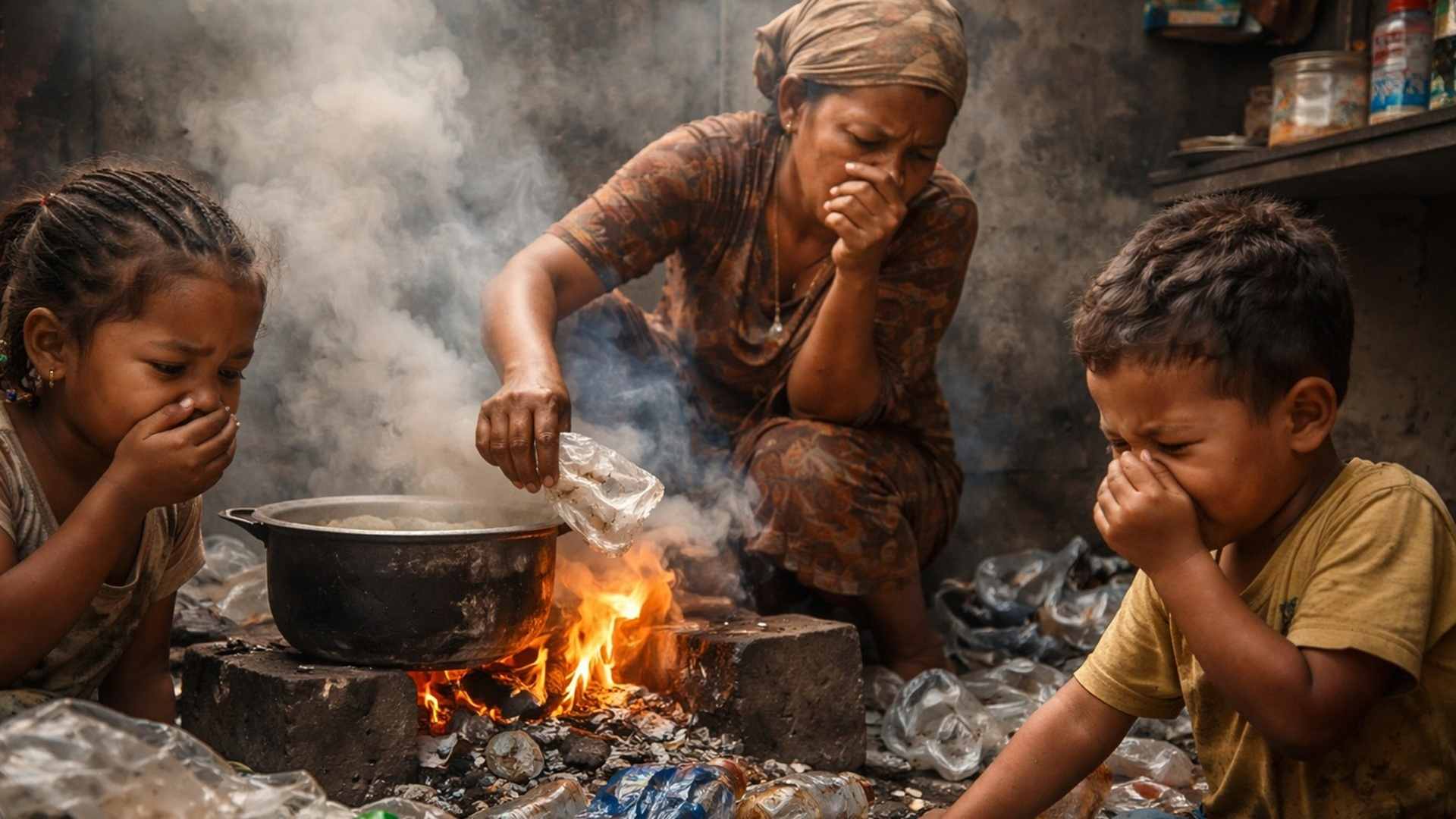


International Survey With Over A Thousand Observers In 26 Countries Documents The Daily Burning Of Plastic Waste As An Improvised Source Of Energy In Vulnerable Urban Neighborhoods, Practice Associated With The Lack Of Gas, Electricity And Waste Collection, With Chronic Effects On Health, Air, Soil And Food
An international study identified that families in vulnerable urban neighborhoods burn plastic for cooking and heating due to a lack of energy and waste collection, practice observed by one in three respondents in 26 countries, with direct impacts on health and the environment.
The Invisible Practice That Turns Waste Into Domestic Energy
Plastic plays central roles in urban daily life, packaging food and transporting water. In low-income areas, it also starts to fuel makeshift stoves.
The practice does not result from choice, but from the absence of energy alternatives and basic services.
-
INMET danger alert: heavy rains between the 3rd and 4th may drop up to 100 mm/day and winds of 60 to 100 km/h in several regions of Brazil require extra caution.

-
The parts crisis may bring back the drop notch and microSD in 2026; while Windows 11 promises to become lighter, leaks mention batteries of up to 10,000 mAh and 200 MP cameras.

-
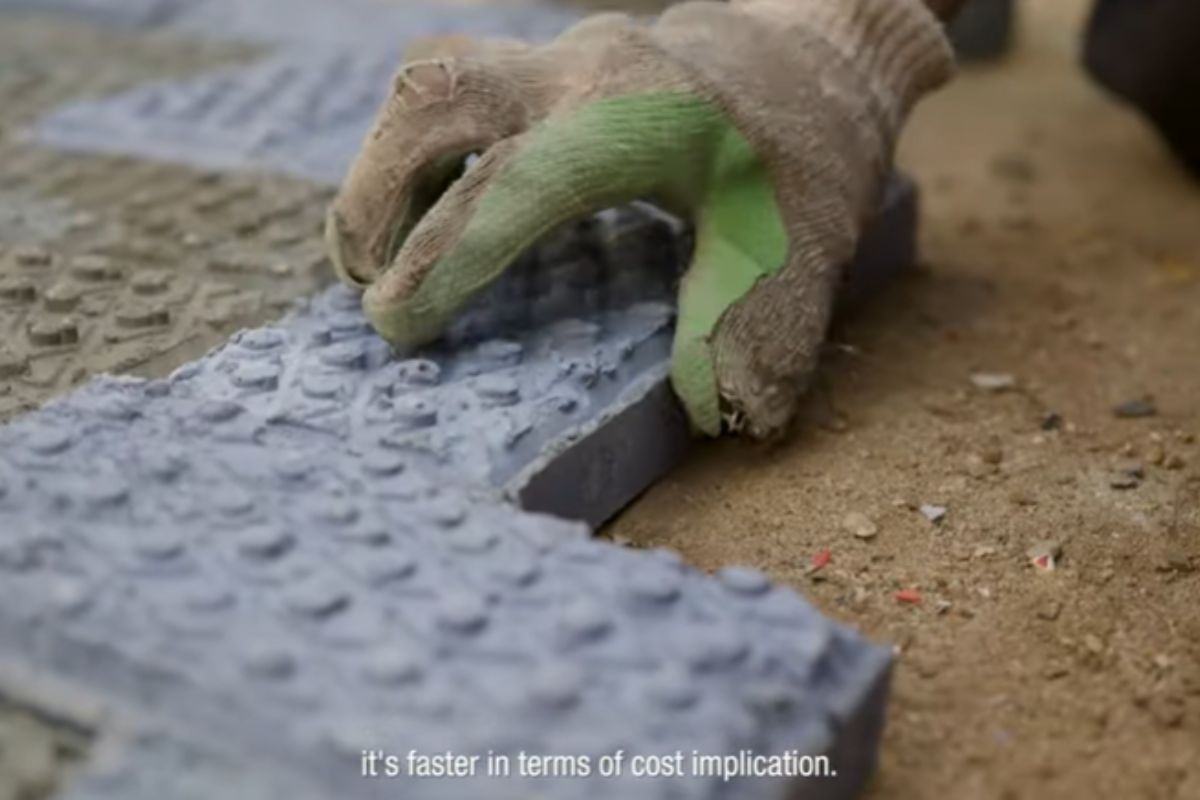
In Kenya, engineer Nzambi Matee created “bricks 2.0” using packaging plastic: a mixture with sand, heated and pressed; they are 5 times more resistant, already have official licensing, and are being used in streets and construction projects.
-
More than 20,000 positions could be opened, and thousands of technicians are starting to be trained in Brazil, as the expansion of data centers creates an urgent race for professionals to keep the internet, cloud, and artificial intelligence running 24 hours a day.


In streets without regular collection and where gas and electricity are inaccessible, plastic waste becomes domestic fuel.
The daily gesture remains outside the news, even though it repeatedly affects millions of people, accumulating sanitary and environmental impacts over time.
The study describes toxic smoke in kitchens, yards, and balconies, invisible from outside.
Pollution disperses into the air, seeps into the soil, and reaches food. Women, children, and the elderly face greater exposure indoors.
Measuring Plastic Burning In Vulnerable Urban Contexts
Researchers began quantifying a practice that occurs behind closed doors. More than a thousand people, including researchers, municipal technicians, and community leaders working in vulnerable urban neighborhoods, responded to a survey based on daily work observations.
One in three respondents reported seeing families regularly burning plastic. A smaller but significant group admitted to resorting to the practice at some point out of necessity.
Reports indicate diverse uses, such as cooking, heating, lighting fires, and repelling insects.
The data reveals simultaneous failures in energy and waste management systems. When both collapse, they merge into a single improvised circuit, where the landfill becomes an informal energy deposit, without planning or safety net.
Why The Practice Remains Hidden And Outside Statistics
According to the team from the Curtin Institute for Energy Transition, domestic plastic burning does not resemble classical pollution. There are no industrial chimneys or fires detectable by satellite, only confined domestic spaces.
When there is no money for gas, electricity, or coal and no proper disposal exists, plastic ceases to be waste and becomes an emergency solution. Bags, packaging, and bottles start to burn as a daily palliative.
This form of poverty energy does not appear in official statistics or climate plans. Still, it exists and persists, sustained by structural deficiencies and institutional invisibility, with costs falling on vulnerable bodies and territories.
Smoke Inside The House And Continuous Exposure
Families use three-stone fires, charcoal stoves, or improvised burners made from cans and bricks. In these systems, combustion is incomplete.
The dense smoke remains indoors, in cooking, sleeping, and eating areas.
Continuous exposure primarily affects women, children, the elderly, and people with reduced mobility. Over the years, the body absorbs polluted air cumulatively, increasing risks already associated with burning wood and coal.
Plastic exacerbates the situation by introducing additional compounds. Dioxins, furans, heavy metals, and ultrafine particles become part of the inhalable mix, turning the kitchen into a persistently toxic environment, with prolonged effects.
Toxic Substances Released And Environmental Contamination
Not all plastics react the same way, but many share concerning chemical fates when burned.
PVC, common in packaging and utensils, releases dioxins and furans, persistent pollutants that resist degradation.
These substances remain in the air, settle in the soil, and enter the food chain through plants and animals.
The return to plates occurs indirectly and continuously, increasing exposure beyond the immediate domestic environment.
Associated effects include hormonal disturbances, reproductive problems, immune system weakening, and various types of cancer. The risk is cumulative, built from small repeated doses over the years.
Shared Pollution In Densely Populated Neighborhoods
Contamination is not limited to the lungs. Ashes and combustion residues mix with the soil, rainwater, and vegetables grown in small urban gardens. The exposure cycle is completed within the territory itself.
In dense areas, the smoke from one kitchen becomes the air breathed by neighbors. It is shared pollution, without borders or warnings, that adds to the lack of sanitation, food insecurity, and limited access to health.
Under these conditions, sustainability assumes a concrete dimension. To breathe or not to breathe ceases to be a metaphor and begins to express a daily reality, marked by inequality and prolonged exposure.
Limits Of Prohibitions And Pathways Suggested By The Study
Prohibiting plastic burning without alternatives does not solve the problem. Most people are aware of the risks but resort to the practice due to a lack of safer options. The root is twofold: energy poverty and dysfunctional waste management.
Without accessible gas, reliable electricity, and regular collection, policies remain on paper. On top of that, the continuous growth of plastic use increases waste and pressures already vulnerable communities.
The approaches mentioned combine clean kitchens with biogas, solar energy, or subsidized liquefied gas, in addition to community collection and recycling systems. Circular economy projects divert residential combustion and reduce chronic exposure.
Environmental Impacts And Effects On Air Quality
Reducing domestic plastic burning immediately improves local air quality, with less particulate matter and persistent compounds in urban soils and crops.
On a larger scale, there is a reduction of short-lived climate pollutants.
Proper waste management through recycling, composting, and controlled recovery prevents dispersion into rivers, soils, and the atmosphere. A direct pollution route that currently passes through the kitchens of the most vulnerable neighborhoods is interrupted.
The issue goes beyond the environmental. It involves public health, essential services, and dignity. Without structural alternatives, the practice persists. With integrated solutions, the hidden crisis could cease to be a silent routine.








Queiram ou não,se não der um jeito de acabar c isto,logo ,a longo prazo esse poluente chegará à todos os lares,contaminando as pessoas do mundo todo, simplesmente até pelo oxigênio q respiramos.O homem paga o preço q faz ao desprezo dos menos favorecidos no planeta.