





 Portuguese
  English
  Spanish
  5 min of reading


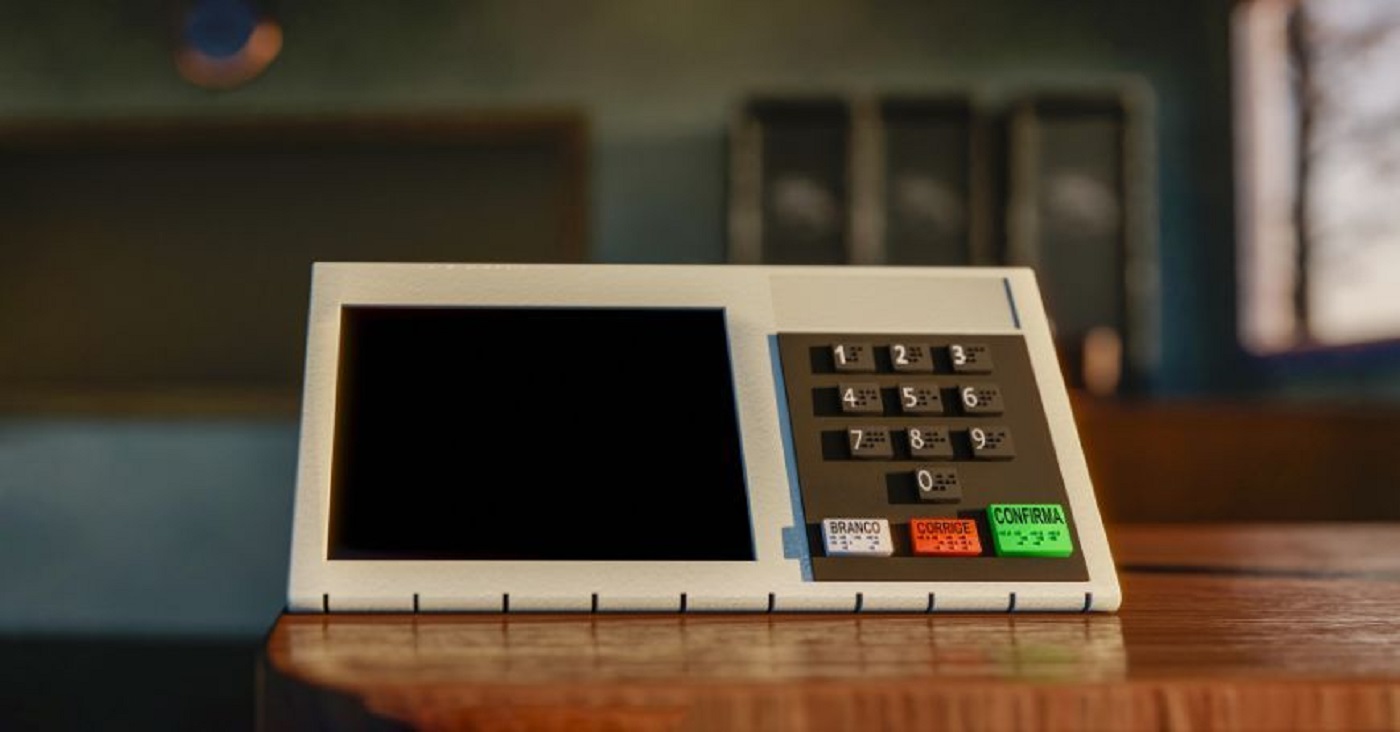
The 2022 Elections Are Approaching! Less Than 1 Month Before the Great Exercise of Democracy, We Take the Opportunity to Explain How the Electronic Voting Machine Works and Its Security System
It has finally arrived: 2022, the year of the elections. The elections and the World Cup, of course. And among all the topics surrounding this theme, the one that is always surrounded by controversy is the famous electronic voting machine. After all, why is the electronic voting machine so debated?
Created in 1995 and used in the following 12 elections, the electronic voting machine remains irreplaceable. Currently, about 147 million voters use the electronic system to exercise their citizenship through voting.
The fact is that despite this, the electronic voting machine has its detractors. Therefore, we decided to write this article to explain how the electronic voting machine works, what the history of the voting machine is in Brazilian elections, and how the 2022 election will be. Finally, you will be able to decide if the controversy is fair or not. Happy reading!
-
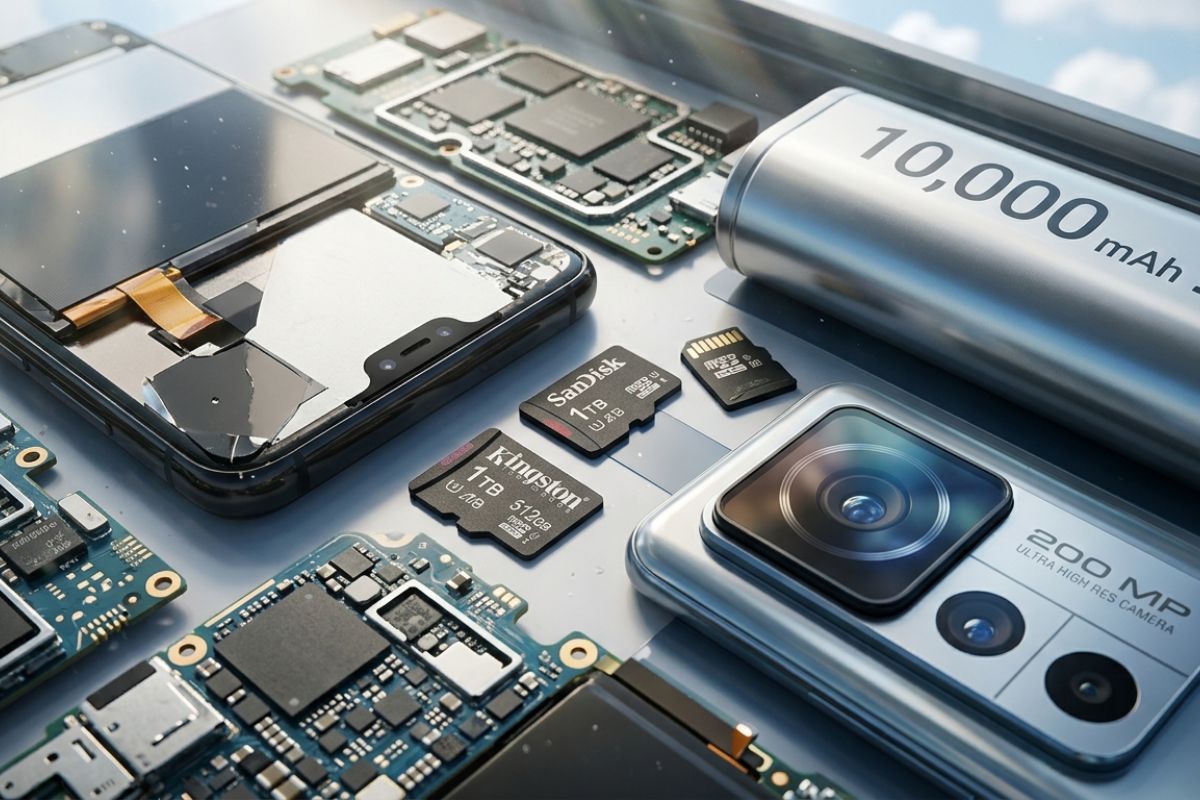
The parts crisis may bring back the drop notch and microSD in 2026; while Windows 11 promises to become lighter, leaks mention batteries of up to 10,000 mAh and 200 MP cameras.
-
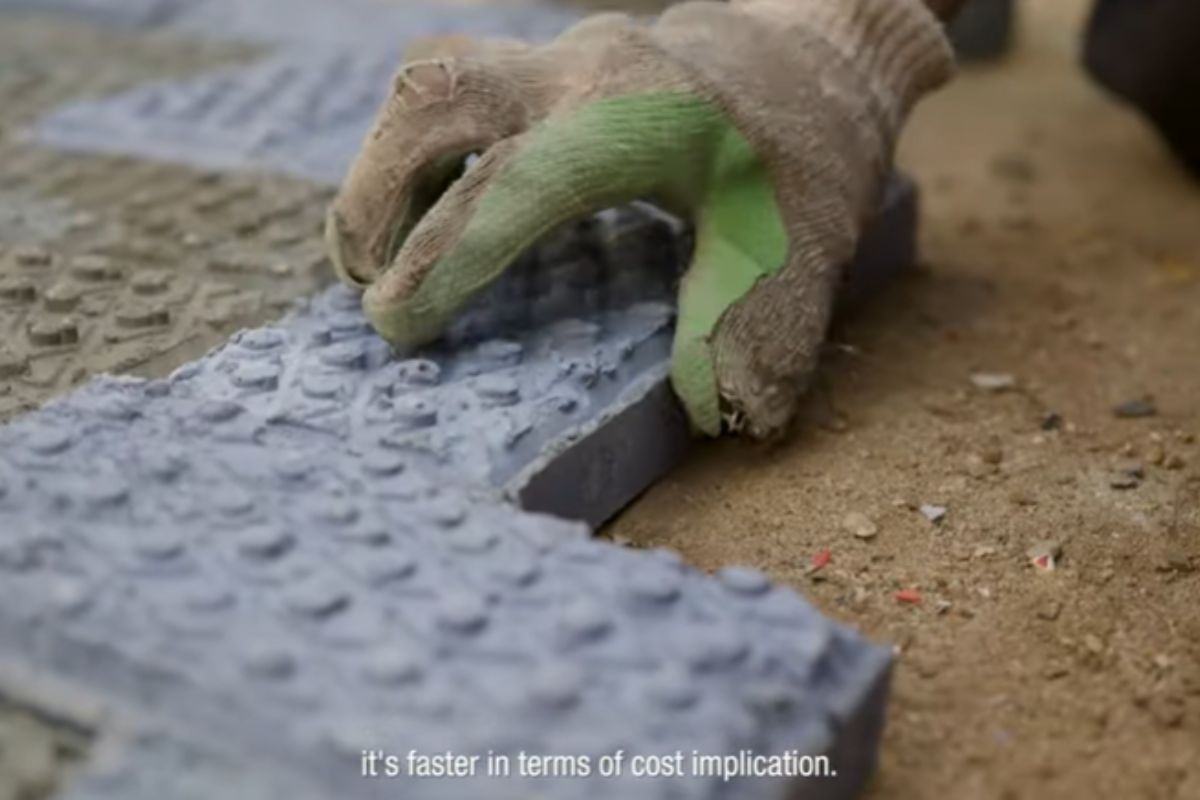
In Kenya, engineer Nzambi Matee created “bricks 2.0” using packaging plastic: a mixture with sand, heated and pressed; they are 5 times more resistant, already have official licensing, and are being used in streets and construction projects.
-
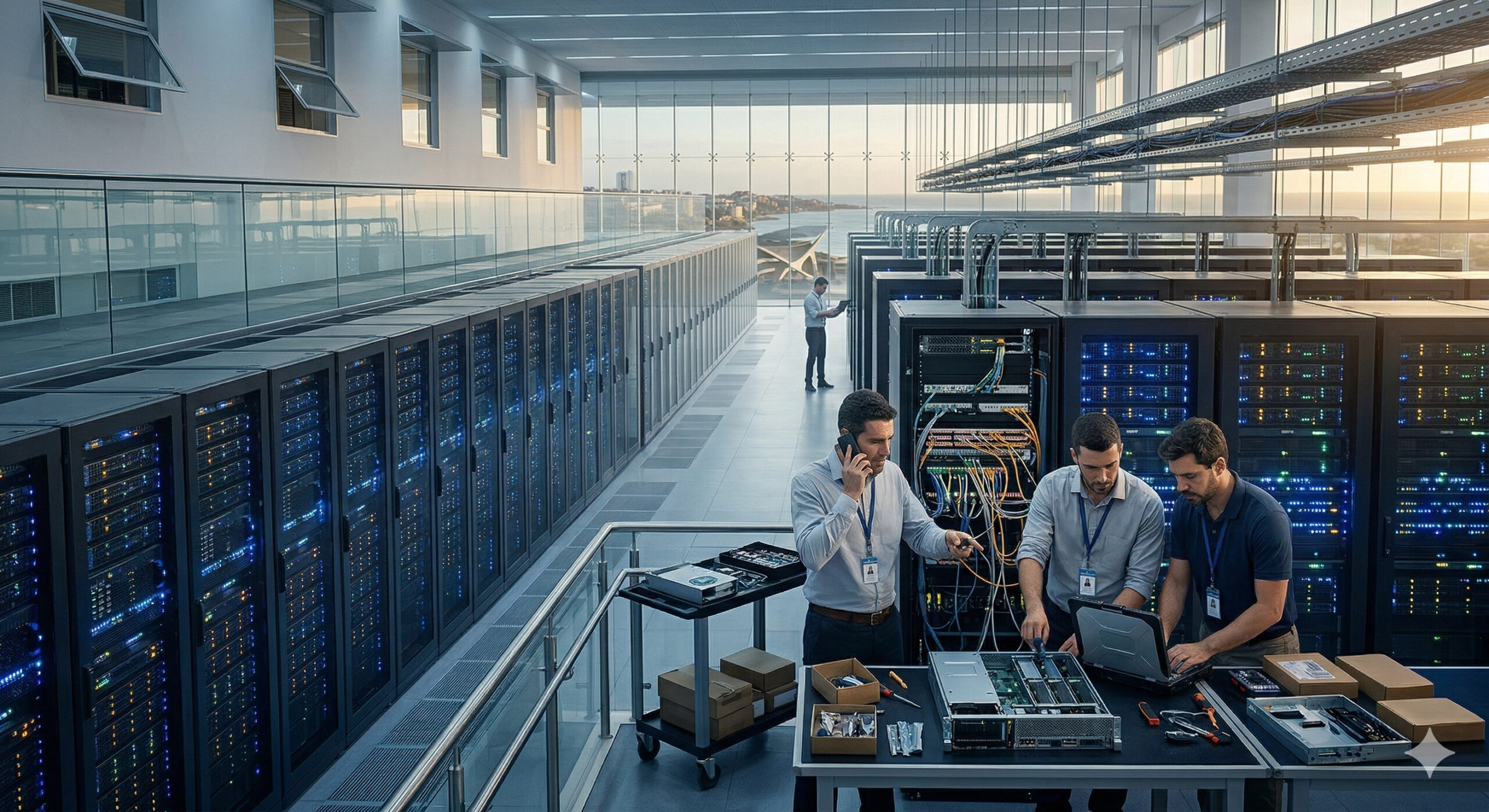
More than 20,000 positions could be opened, and thousands of technicians are starting to be trained in Brazil, as the expansion of data centers creates an urgent race for professionals to keep the internet, cloud, and artificial intelligence running 24 hours a day.
-
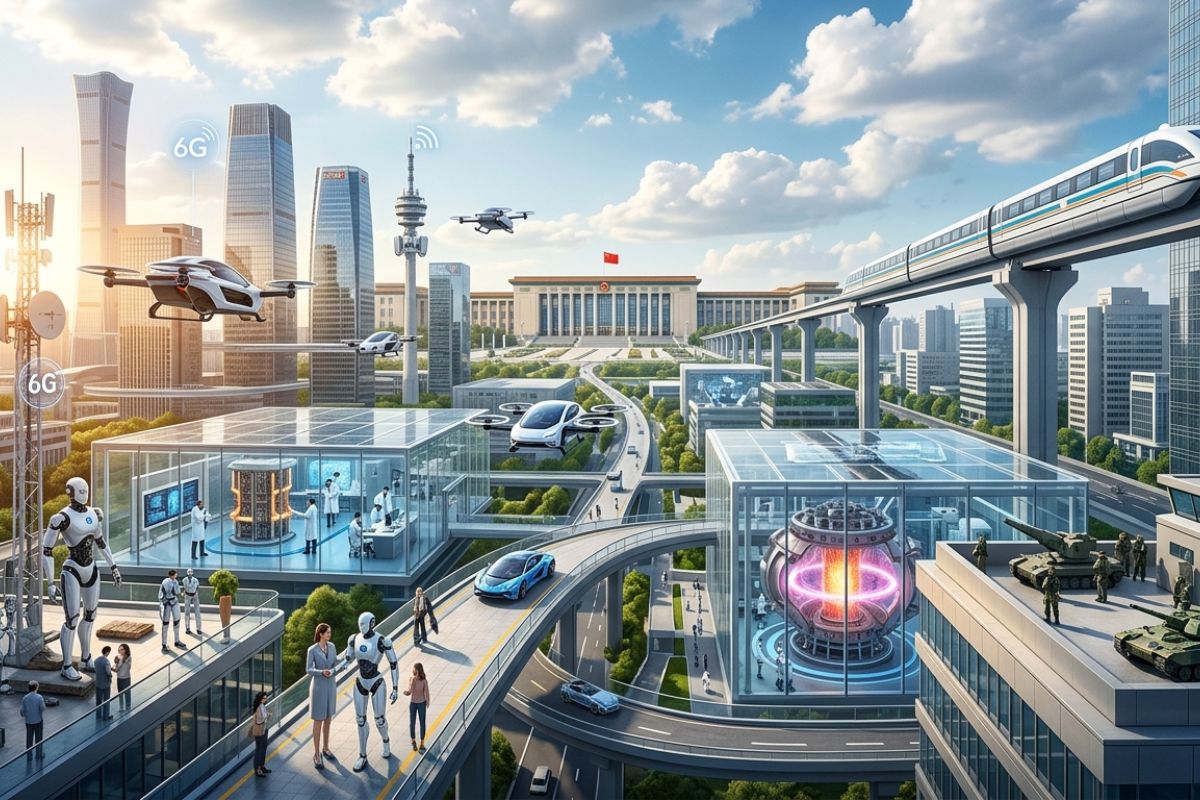
China approves the 15th Five-Year Plan 2026-2030 to become a global power: prioritizes brain implants, 6G with AI, humanoid robots, flying cars, quantum technology, and nuclear fusion, while strengthening defense and the economy.

History of the Electronic Voting Machine in Brazil
The electronic voting machine project was developed by the TSE and is entirely national, customized according to the characteristics of Brazilian voters, that is, intuitive to facilitate voting.
In the first computerized election in 1996, more than 32 million Brazilians voted on over 78,000 electronic voting machines. Since then, the Electoral Justice has also acquired voting machines in the years 1998, 2000, 2002, 2004, 2006, 2008, 2009, 2010, 2011, 2013, 2015, and 2020.
In 2008, biometrics began to be adopted in some locations, and by July 2020, more than 119 million voters had their fingerprints registered.
Therefore, as we can see, the electronic voting machine is a relevant part of the Brazilian electoral process and the realization of order and legitimacy in conducting elections.
How Does the Electronic Voting Machine Work?
With so many years of existence, millions of votes cast, and without presenting any failure or fraud that compromised the results of the votes, the electronic voting machine is nothing more than a supercomputer.
To begin explaining how the electronic voting machine works, we point out that the voting machine is not connected to the internet, neither via Wi-Fi nor via fiber optics, and therefore, during voting, there is no possibility of invasion.
At the end of the voting, the votes are shuffled, encrypted, and stored on a card sent to the electoral board. From there, the data is sent, through an exclusive network, to the TREs, which verify that they came from an official voting machine and pass them on to the TSE, which totals and announces the results.
There are several mechanisms used to ensure data security: the main ones are encryption (technology that conceals data) and secret security keys (which decrypt the encrypted data). Additionally, the voting machine records all events that occur during voting (the time it was turned on, the moment of each vote, any malfunction, shutdown, data removal, etc.).
Audit and Security
The voting machine was created not only to speed up the counting process but with the primary objective of eliminating fraud that occurred during the manual counting of paper ballots. Therefore, it is natural to assume that security is the fundamental factor for the use of the electronic voting machine. Among the various mechanisms used by the TSE, one of the main ones is the Public Security Test (TPS).
The Public Security Test (TPS) is an event of the Electoral Justice and was created precisely to monitor the electronic voting process. Preferably held in the year prior to the elections, it involves the participation and collaboration of specialists in search of problems or weaknesses that, once identified, will be resolved – and tested – before the elections take place.
The last TPS was held in November 2021. Access is free for several institutions and any Brazilian citizen.
Main Features of the Electronic Voting Machines
It is important to recall some features of the electronic voting machines to combat fake news: The electronic voting machines do not connect to any kind of network, internet or Bluetooth; They use encryption, digital signatures, and digests, ensuring that only the systems and programs developed by the TSE and certified by the Electoral Justice (JE) are executed on the equipment; Possibility of auditing the voting machines before, during, and after voting, by parties and oversight institutions and by society in general; Printing of the zero report (a voucher that shows that at the beginning of the voting, there are no votes recorded in the machine for any candidate); The machines also feature the Digital Vote Record (DVR). In it, the information about the votes is shuffled in a table that ensures the secrecy of the vote;
According to information from the TSE in 2021, Brazil has an electronic park of 577,125 equipment.
How Will the 2022 Elections Be?
You should be well informed about the 2022 elections, but it doesn’t hurt to recall.
The first round of the elections will be on 10/02/2022, Sunday. And if there is a second round, it will be held on 10/30/2022, also on Sunday. Remember that election day is a holiday.
In the 2022 elections, Brazilians will vote for the positions of President and Vice President of the Republic, Governor and Vice Governor of State and the Federal District, Senator (one seat), Federal, State, and District Representative.
It is important to emphasize that in the 2022 elections, the use of mobile phones in the voting booth is prohibited, whether turned off or not. Stay alert!
News for 2022
The electronic voting machines that will be used in the 2022 elections were produced in Manaus (AM) by Positivo Tecnologia, the winner of the bid that manufactured 225,000 new machines, out of a total of 577,000 that will be used in the 2022 elections.
More modern, the UE2020 Model voting machines bring new accessibility features and advancements in terms of security, transparency, and agility. The production focused on the motherboards of the machines. It is worth noting that every phase of the production of the equipment was monitored by the team of the Electoral Technology Coordination (Cotel) of the TSE’s Information Technology Secretariat. Another innovation is that the TSE launched a voting simulator on the electronic voting machine! Through the agency’s website, the voter can practice the voting sequence that will be adopted in the October elections.
And you, reader, are you preparing to exercise your right in the 2022 elections? There’s still time to study the candidates and make your vote count.
Source: https://comparaepoupa.com.br/blog/como-funciona-urna-eletronica/








Seja o primeiro a reagir!