





 Portuguese
  English
  Spanish
  3 min of reading
  0 comments


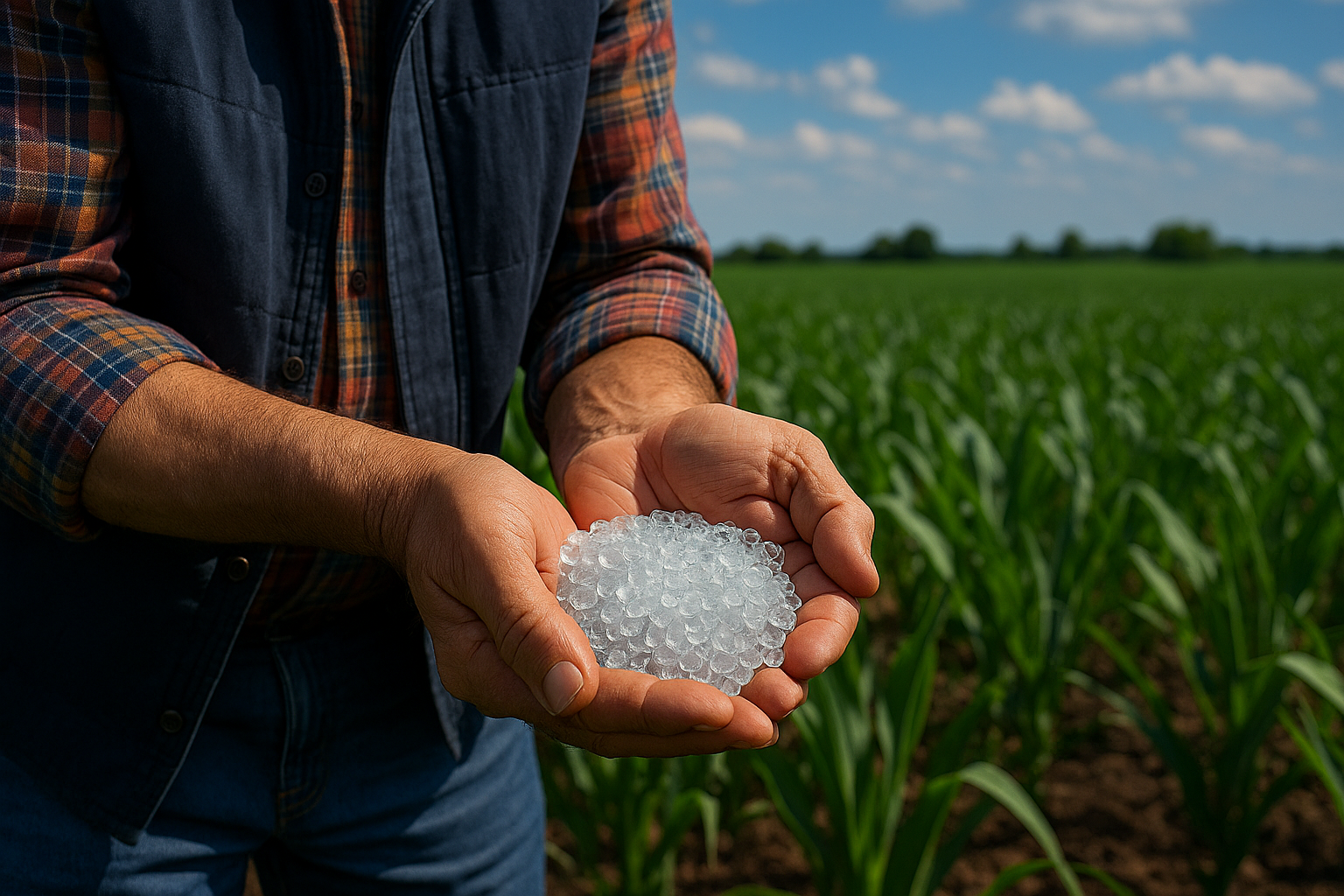
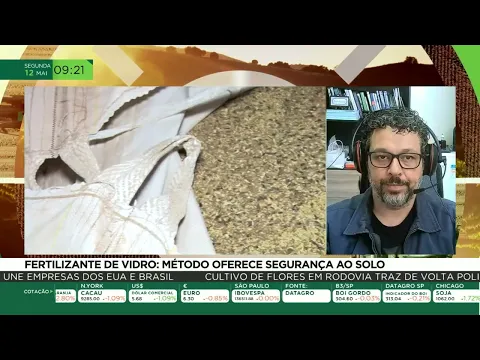
Meet the Glass Fertilizer Created in Brazil That Combines Innovation, Field Efficiency, and Less Impact on the Environment
Since 2018, Brazilian researchers have been working on developing a sustainable solution for the field. The project led to the creation of a glass fertilizer.
This material releases nutrients gradually and in a controlled manner into the soil. As a result, there is a significant reduction in the need for reapplying.
In addition, the technology helps to prevent leaching. That is, it stops the loss of nutrients through water that infiltrates the soil.
-
The rise in oil prices in the Middle East is already affecting Brazilian sugar: mills in the Central-South are seeing their margins shrink just as ethanol gains strength.

-
Rain gains strength in April, potentially exceeding 150 mm, placing the North, Northeast, and the coasts of the South and Southeast at the center of the heaviest forecast of the week.

-
A fish that survives out of water, crawls on land until it finds another river, and whose female lays 80,000 eggs at once is infesting rivers and lakes in Brazil, and no one can stop this invasion.

-
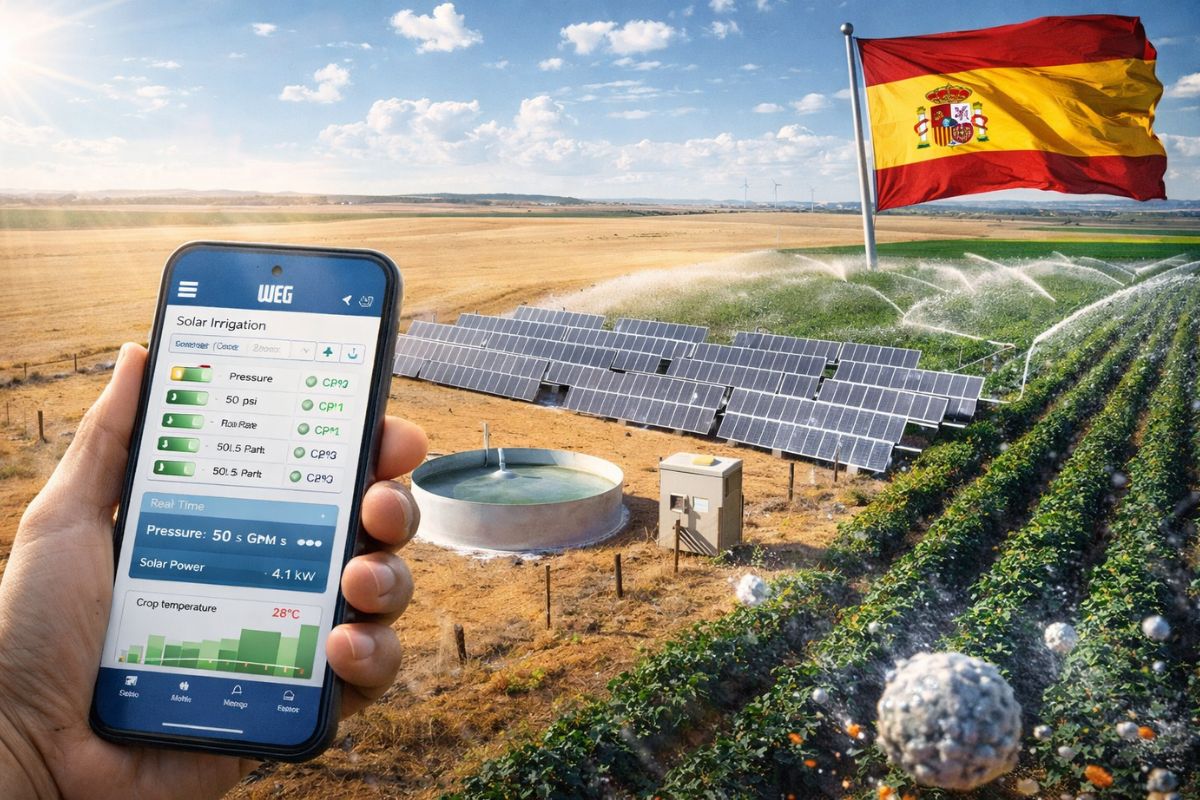
WEG took its technology to Spain to create a solar irrigation system that operates independently without needing an electrical grid, and now farmers control everything remotely via their mobile phones.

It also helps to prevent the eutrophication of rivers and aquifers. This occurs when there is an excessive amount of nutrients carried into water bodies.
Composition and Promising Tests
The formula includes essential macro and micronutrients. Among them are phosphorus, potassium, calcium, silicon, magnesium, and boron.
These elements are melted at 1,100°C. After this process, they are transformed into particles of approximately 1 millimeter.
In February 2025, the study was published in the ACS Agricultural Science & Technology journal. The publication confirmed the effectiveness of the glass fertilizer.
In vitro tests and greenhouse trials showed significant results. The agronomic performance was 70% higher than that of traditional NPK fertilizer.

Strategies for Applying Nitrogen and Sulfur
During the process, researchers faced a challenge. Nitrogen and sulfur do not withstand the high temperature of glass melting.
To overcome this limitation, researchers developed an innovative strategy. They encapsulate the nutrients in biopolymers.
These biopolymers incorporate nitrogen and sulfur into the fertilizer, allowing both elements to be released safely and efficiently into the soil later.
This solution maintains the sustainable proposal of the product. In addition, it ensures the full supply of nutrients to plants.
Environmental Impact and Economic Efficiency
While conventional NPK fertilizer has an efficiency of only 30%, the new glass formulation avoids losses.
This characteristic reduces environmental impact. Rivers and aquifers are less exposed to contamination from excess nutrients.
In the long term, using this fertilizer could mean savings for producers. Although the initial cost is higher, there is a reduction in the frequency of applications.
The production method is similar to that of common glass. This facilitates the adoption of the fertilizer on an industrial scale in the future.
Timeline and Next Steps
The project began in 2018.
Since then, Danilo Manzani from the Institute of Chemistry at USP São Carlos and Eduardo Bellini from the School of Engineering at São Carlos have been leading the initiative.
Additionally, Embrapa has also actively participated in the development and validation of the technology. To ensure the product’s safety, researchers have conducted various ecotoxicological tests.
These tests included, for example, lettuce and onion seeds.
As a result, the data confirmed that the fertilizer is safe for agricultural use.
This way, according to researchers, the expectation is to launch the commercial product between 2026 and 2027. Thus, the innovation is increasingly closer to the market.







Seja o primeiro a reagir!