





 Portuguese
  English
  Spanish
  2 min of reading
  6 comments




The French Automaker Discontinues Two Traditional Models While Strengthening Its Bet on SUVs, Aligning with New Market Trends
The Renault announced the end of production of the Sandero in Brazil, marking the end of an era of 17 years for one of its most iconic models.
The decision is part of a strategy by the automaker to focus on more profitable segments and follow market trends.
With this, compact SUVs become the main focus of the automaker, reflecting a growing demand for more spacious and versatile vehicles.
-
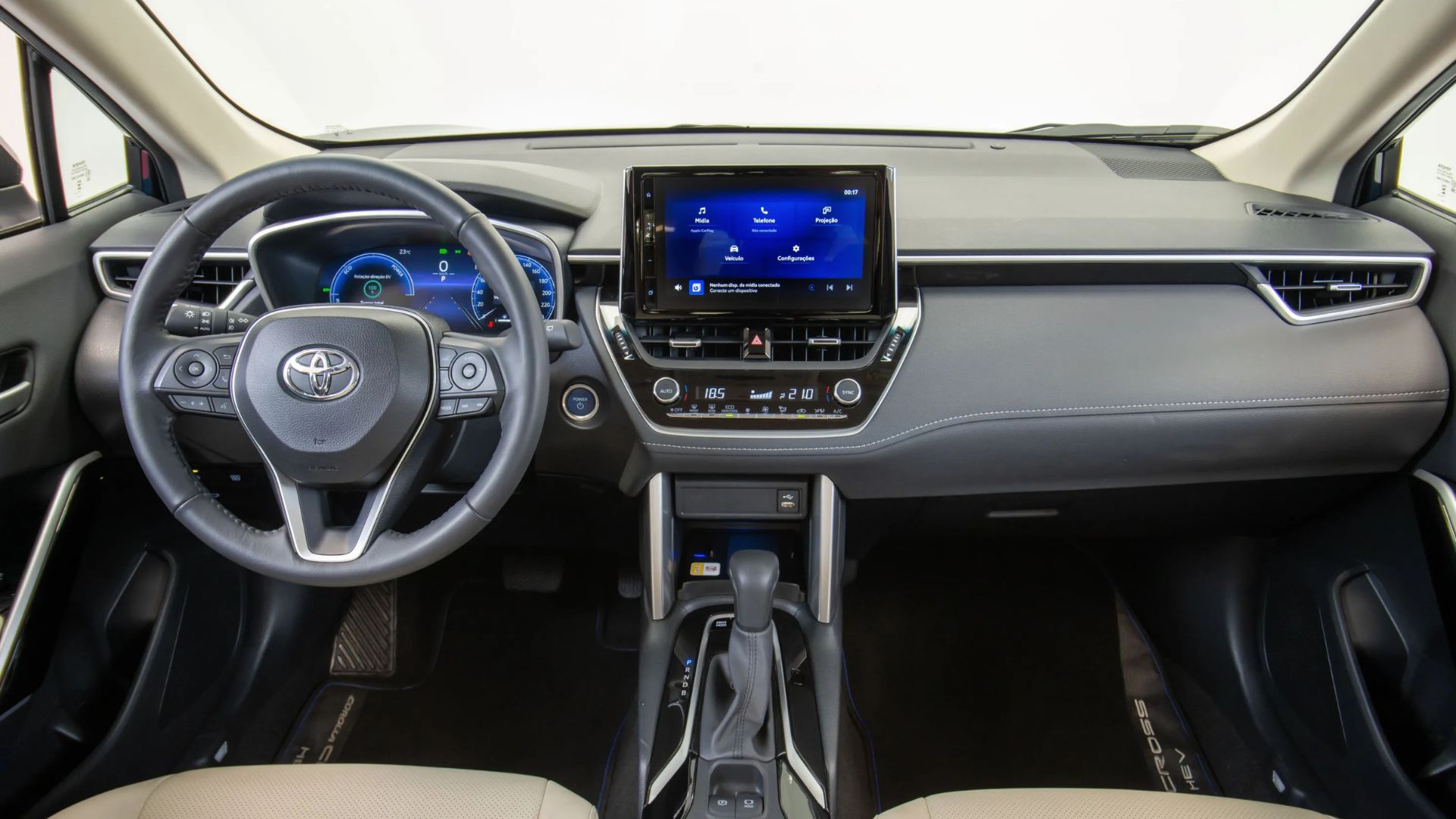
With 122 hp, fuel consumption of up to 17.7 km/l, and a trunk capacity of 440 liters, this hybrid SUV impresses even though it costs up to R$ 47,000 more than the Yaris — meet the Toyota Corolla Cross.
-
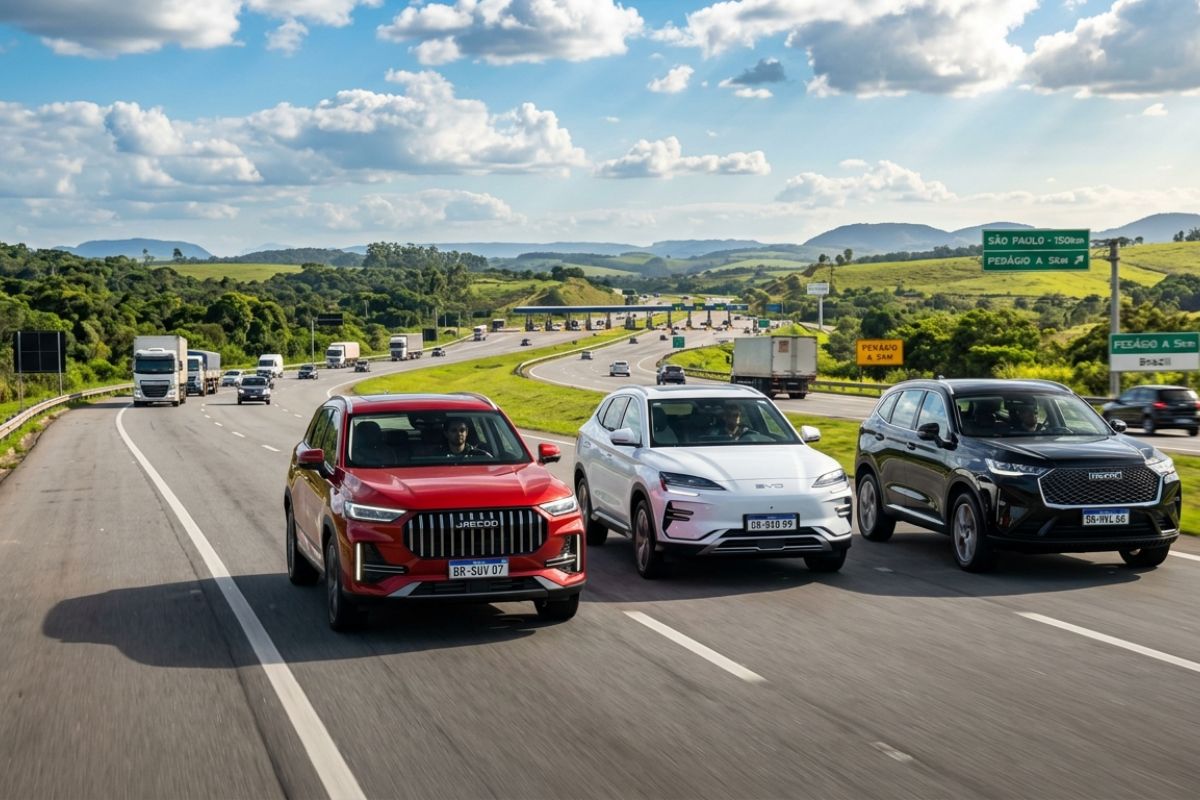
600 km with three Chinese plug-in SUVs, same mode and air conditioning on: Jaecoo 7, BYD Song Plus, and Haval H6 hit the road, and the pump reveals who was truly the most economical.
-
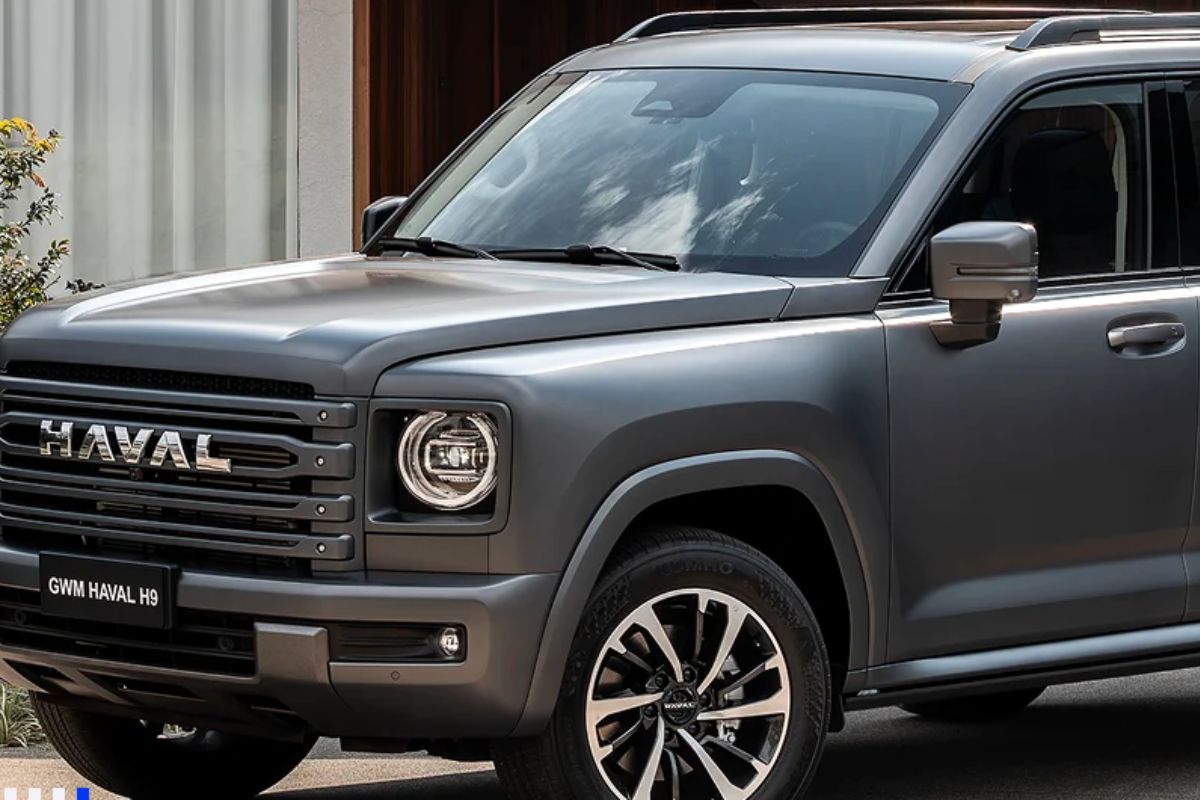
With a price almost R$ 100 thousand lower, the Haval H9 surpasses the SW4 for the first time in March, but Toyota still leads in the accumulated total for 2026; the Chinese SUV bets on technology and premium finishing to compete at the top.
-
6 used cars that cost less than a new Honda CG 160 Titan and still provide trunk space, four seats, and comfort that many new motorcycles cannot offer.

History and Legacy of the Sandero in the Brazilian Market
Launched in 2007, the Renault Sandero quickly became one of the favorites among Brazilian consumers.

Developed by Dacia, a subsidiary of Renault, the model attracted many buyers with its accessible and robust design.
Over the years, the Sandero offered various versions, including the adventurous Stepway and the sporty Sandero RS, which appealed to both regular consumers and speed enthusiasts.
Changes in Renault’s Production Line
The automaker also announced the end of production of the Oroch pickup with TCe 1.3 Flex engine, but reassured consumers by confirming that the versions with 1.6 engine will continue to be manufactured and sold in the Brazilian market. This decision ensures the model’s continuity in the brand’s portfolio, maintaining its presence in the country.
Renault’s Strategy for the Future
By deciding not to bring the latest generation of the Sandero, launched in 2020 in Europe, Renault is responding to changes in consumer preferences, which are increasingly inclined to choose compact hatches less frequently.
Instead, the automaker is betting on compact SUVs, which have shown greater growth potential and popularity in the current market.
Impact and Expectations in the Automotive Market
The end of production of the Sandero at the São José dos Pinhais factory in Paraná marks an important transition for Renault in Brazil.
By adjusting its offerings, the company seeks to position itself competitively, meeting the demands of the modern consumer.
With the continuity of the Oroch 1.6, Renault maintains a diverse offering, reinforcing its commitment to provide vehicles that align with Brazilian market preferences.
This strategy change not only highlights the evolution of the automotive market but also the ability of Renault to adapt to new trends, ensuring that its products remain relevant and competitive.
SOURCE: NEWSMOTOR



Por que não OROCH 4X4 NO BRASIL, ou pelomenos o kit de tração traseira para a OROCH!?
A Renault não leva o mercado brasileiro a sério. A prova disso é que ela não fabrica carros da Renault por aqui… os carros são todos Dacia . O Clio e o Megane continuam vendendo no mercado europeu e são carros muito superiores aos DACIA … e ainda temos que aguentar kwid por aqui.
Sandero e Logan os dois melhores carros que a Renault já comercializou no Brasil e simplesmente encerram . Já a carroça do kwid que nem de carro poderia ser chamado tá aí em produção firme e forte . Vai entender . Renault Brasil só fez sucesso aqui graças a Samdero e Logan !!!