





 Portuguese
  English
  Spanish
  3 min of reading


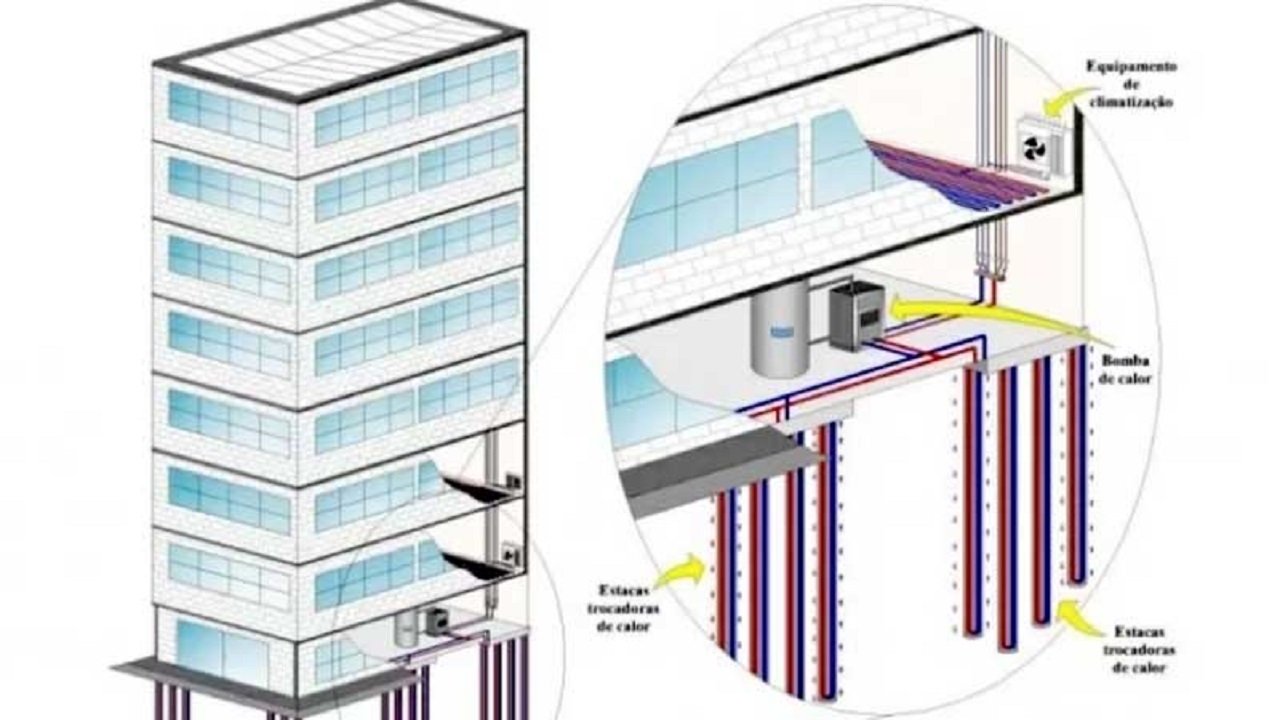
USP Engineers Are Advancing with Shallow Geothermal Energy Technique, Which Can Reduce Electricity Bills by Up to 40% and Eliminate Air Conditioning Use in Some Homes
In the future, traditional air conditioning will be replaced by a cleaner and more economical system. Engineers from USP are studying shallow geothermal energy, which uses pipes to extract fresh air from the underground, where temperatures are lower than at the surface. This technology promises to significantly reduce energy consumption and provide a more sustainable environment. With the implementation of this innovation, electricity bills can decrease and the environmental impact of cooling systems will be reduced.
How Does Shallow Geothermal Energy Work?
The project, which will put an end to air conditioning, was developed by the team of professor Cristina de Hollanda Cavalcanti Tsuha from USP, specifically through the collaboration between the School of Engineering of São Carlos and colleagues from the Polytechnic School.

The USP engineers will test the application of shallow geothermal energy through tubing placed within the elements of the foundations that support the buildings. Once this is done, a machine is responsible for pumping water through pipes down below. The water cools to the temperature of the underground and returns to climate the surface, making air conditioning unnecessary and decreasing the value of the electricity bill.
-
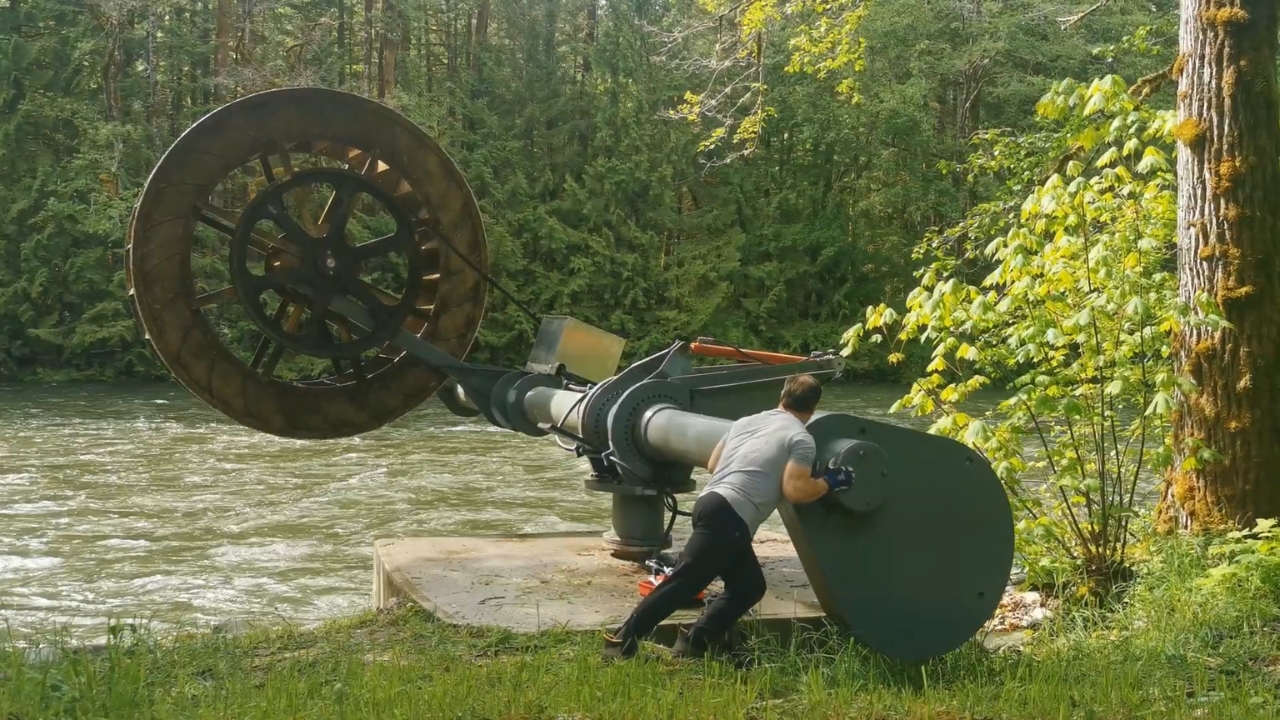
A Canadian retiree creates a hydroelectric system on a real river, generating energy continuously throughout the day and demonstrating how the power of water can supply a house with stability even in a simple structure.
-
Petrobras reaffirms its commitment to the market and ensures that it will carry out the energy transition safely to maintain national sovereignty.

-
Researchers discover a possible hydrogen deposit of up to 46 million tons beneath an ancient coal basin, and the volume could exceed half of the entire global production.

-
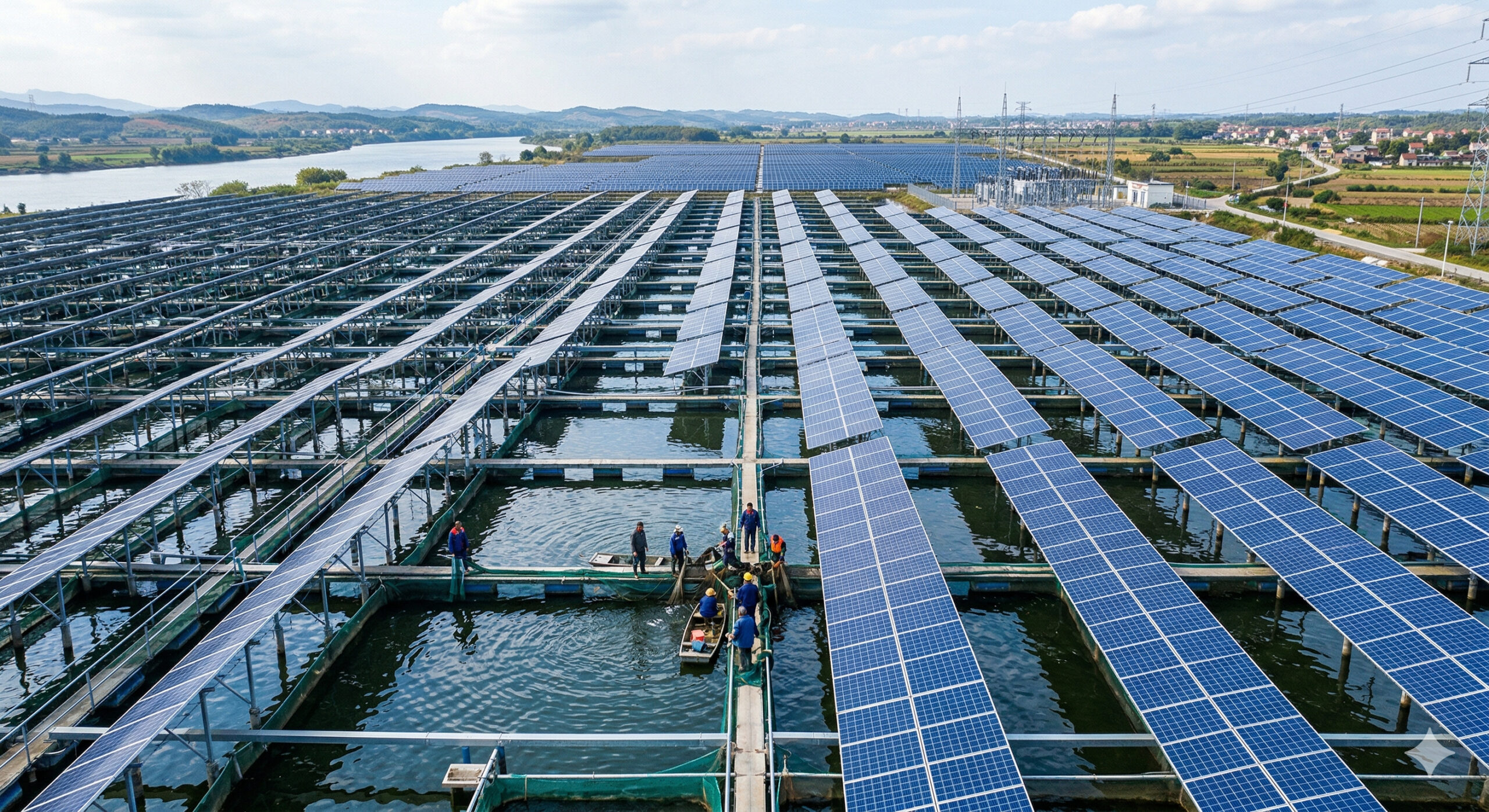
China bets on the Fishery-PV model and transforms fish farms into giant solar plants, covering ponds with panels that generate energy while utilizing the same space for large-scale aquaculture production.
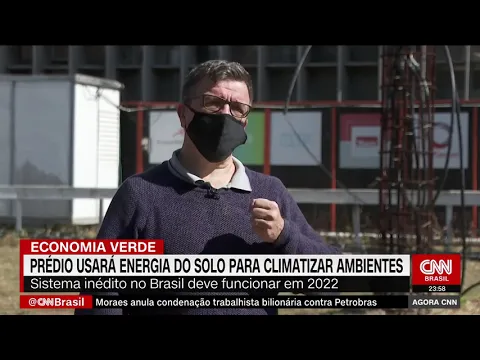
The coordinator of the USP project states that the plan is to use polyethylene pipes, and it will be the first building to utilize shallow geothermal energy through foundations in SP, and possibly even in all of Brazil, since none have been seen so far.
System That Will Replace Air Conditioning Can Reach a Temperature of 23°C
The shallow geothermal energy system is functional because the soil never heats up or cools down compared to the surface. Just a few meters deep, the temperature remains at the average of the region, as is the case in the western region of São Paulo, where the tests are being conducted, where the soil temperature is generally 23°C, even though it reaches 30°C at the surface.
According to USP engineers, the shallow geothermal energy system can reduce electricity bills by 40% to 60% in commercial buildings, including hotels and hospitals. Experts state that air conditioning accounts for half of the electricity bill in a company and 25% in an average home.
What is Missing to Use Shallow Geothermal Energy in Brazilian Homes?
According to the researcher, the system still requires a pump to send the liquid through the pipe and bring it back. In Europe, this technique has been working for some time, where shallow geothermal energy is used to heat or cool buildings.
Since the 1980s, shallow geothermal energy has been used in skyscrapers and other constructions in countries such as the USA and Austria. Additionally, the project coordinator also explains that the constant temperature of the underground is widely used for wine storage in France, or even in older cases, such as ancestors who hid in caves to protect themselves from low or high temperatures above the surface.
Geothermal Energy Gains Visibility in Brazil
Geothermal energy, a renewable and sustainable source, has gained prominence in Brazil due to its potential to reduce energy consumption and carbon emissions. In the country, this technology is being explored mainly in areas of greater geothermal activity, such as the Ribeira Valley and the São Pedro National Park, both in São Paulo.
USP is at the forefront of this research, developing systems that use the heat from the underground for cooling and electricity generation. These projects not only seek energy efficiency but also aim to integrate geothermal energy into national electrical grids, promoting a more sustainable future.
The application of this technology could revolutionize industrial and residential sectors, providing a viable and ecological alternative to conventional energy sources.






Seja o primeiro a reagir!