





 Portuguese
  English
  Spanish
  4 min of reading
  2 comments


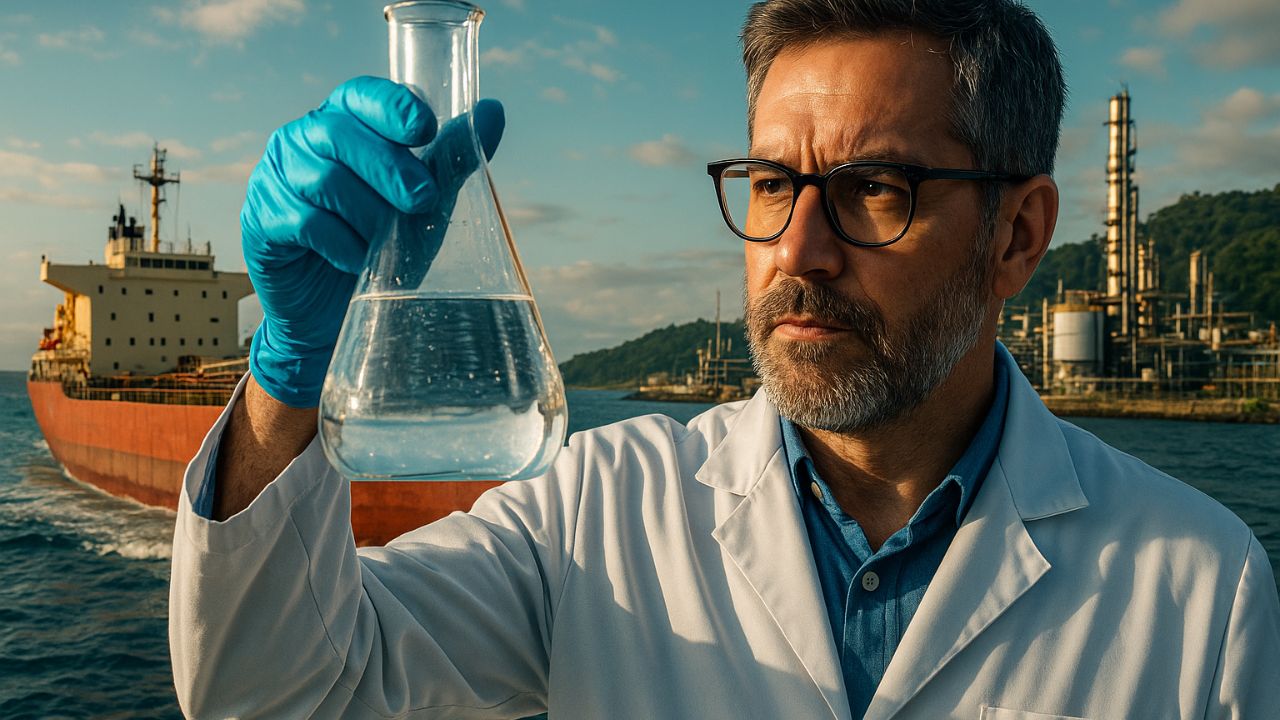


New Technology Developed in the UK Promises to Turn Seawater into Hydrogen Fuel with Zero Carbon Emissions, Challenging Diesel Dominance in Maritime Transport.
A collaboration between scientists from Brunel University London and the technology company Genuine H2 is developing an innovative system that could mark a milestone in global decarbonization. The research, highlighted by the portal Interesting Engineering, focuses on turning seawater into fuel for ships through a process that only emits water vapor. This approach promises not only to provide clean energy for maritime transport but also to eliminate the need for polluting fossil fuels.
The impact of this technology goes beyond sustainability. By utilizing a practically infinite resource, seawater, and eliminating the logistical and safety complexities associated with traditional hydrogen storage, the project could redefine the economic viability of clean energy in the sector. If successful on a commercial scale, this innovation could drastically accelerate the energy transition of one of the hardest industries to decarbonize.
How Does the Technology that Turns Water into Energy Work?
The process relies on two crucial technological innovations that address historical bottlenecks in hydrogen production. The first is the use of special electrodes that can separate hydrogen molecules directly from seawater. As detailed by Interesting Engineering, this eliminates the need for an expensive and complex desalination process, which normally precedes electrolysis, making hydrogen production cheaper and more efficient in a marine environment.
-
They were brilliant! Scientists discover that our ancestors in China were already making super advanced tools 160,000 years ago, changing everything we knew.

-
Scientists unveil 3 million years of climate secrets hidden in the ice of Antarctica.

-
Ancient farmers created “aggressive plants” that changed nature forever.

-
Astronomers find a “backward” solar system that ignores all the rules of space and leaves scientists scratching their heads!


The second major innovation lies in storage. Instead of compressing hydrogen in heavy, pressurized tanks or cooling it to cryogenic temperatures (-250 °C), the technology uses a “nanofilm” thinner than a sheet of paper. This material securely retains the hydrogen in a solid form at room temperature and without the need for high pressure. This approach, reported by outlets such as Fuel Cell Works, not only enhances safety on board but also drastically reduces the weight and space required for fuel storage.
The Impact of Innovation and the End of Maritime Diesel
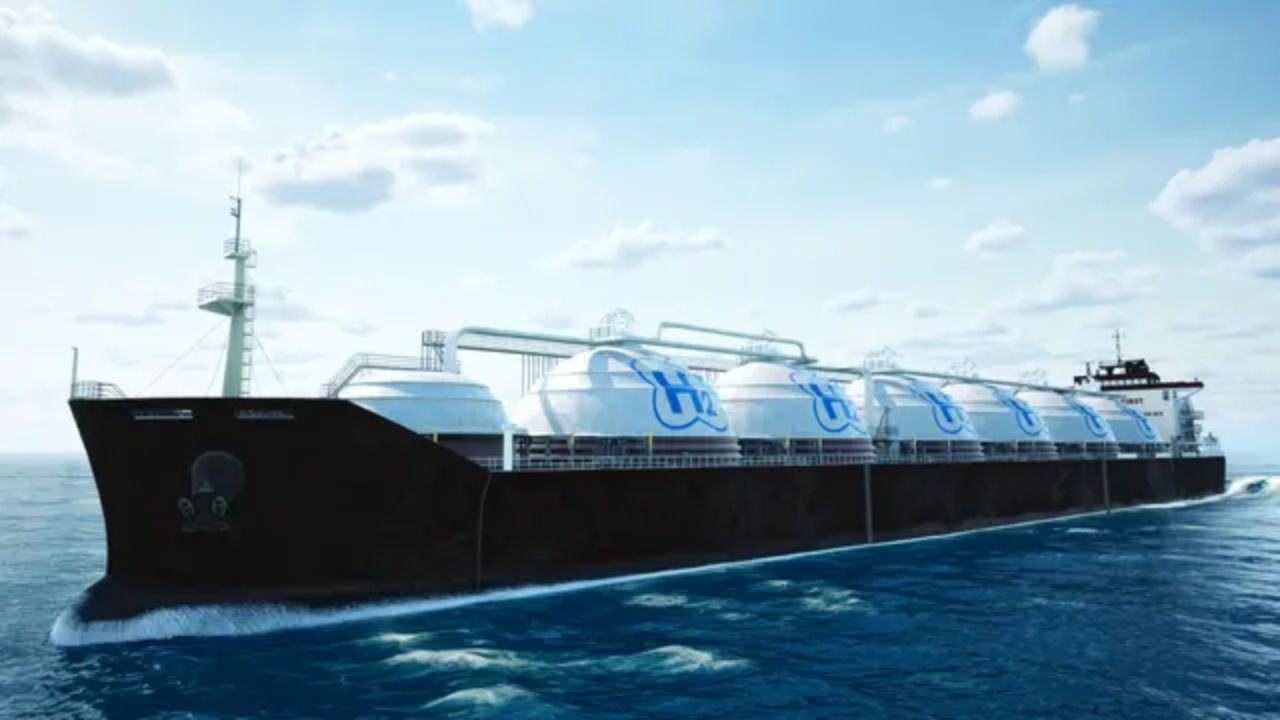
Genuine H2 describes its creation as a “plug & play circular technology”, which offers an immediate solution to the climate and energy crisis. The system not only generates clean hydrogen, but also extracts CO2 from water to create bicarbonates, making the electrolysis process carbon negative. The result is a combustion engine that, instead of emitting carbon dioxide and other pollutants, releases only pure water vapor into the atmosphere, a fundamental advancement for a sector responsible for a significant share of global emissions.
While the initial focus is on maritime transport, the scalability of the technology is universal. According to the developers, the system for turning seawater into fuel can be adapted to power yachts, ferries, tugboats, and large vessels, as well as other forms of transport such as trains, buses, and trucks. The same infrastructure can be used to create a network of fueling stations on land and at sea, providing energy for hospitals, remote communities, and industrial plants, as mentioned by Interesting Engineering.
Investment and Future of the GH2DEM Project
The viability of the project has gained strong recognition with a financial contribution of £1.44 million (around R$9.5 million), granted by the UK SHORE initiative of the UK Department of Transport and Innovate UK. This investment is part of a much larger governmental effort of £30 million aimed at cleaning waterways and decarbonizing maritime transport, signaling public agencies’ confidence in the potential of the technology.
With the codename GH2DEM, the next step of the project is a real-scale test. The high-strength hydrogen combustion engine, developed at Brunel, will be installed on campus and powered entirely by the electrolysis and storage system from Genuine H2. As reported by AZO Cleantech and Interesting Engineering, this test will create a complete hydrogen chain, from seawater capture to safe storage and propulsion, validating the effectiveness of the entire cycle and paving the way for commercial application.
The transformation of seawater into fuel is moving from a science fiction concept to a tangible reality, supported by serious investments and cutting-edge technology. If the tests confirm the promised efficiency and scalability, this could be the key to retiring diesel and ushering in a new era of truly clean maritime transport.
Do you agree with this change? Do you think it impacts the transport and fuel market in Brazil? Leave your opinion in the comments; we want to hear from those who live this in practice.








Great article, thank you for sharing these insights! I’ve tested many methods for building backlinks, and what really worked for me was using AI-powered automation. With us, we can scale link building in a safe and efficient way. It’s amazing to see how much time this saves compared to manual outreach.
Great article, thank you for sharing these insights! I’ve tested many methods for building backlinks, and what really worked for me was using AI-powered automation. With us, we can scale link building in a safe and efficient way. It’s amazing to see how much time this saves compared to manual outreach.