





 Portuguese
  English
  Spanish
  4 min of reading
  0 comments


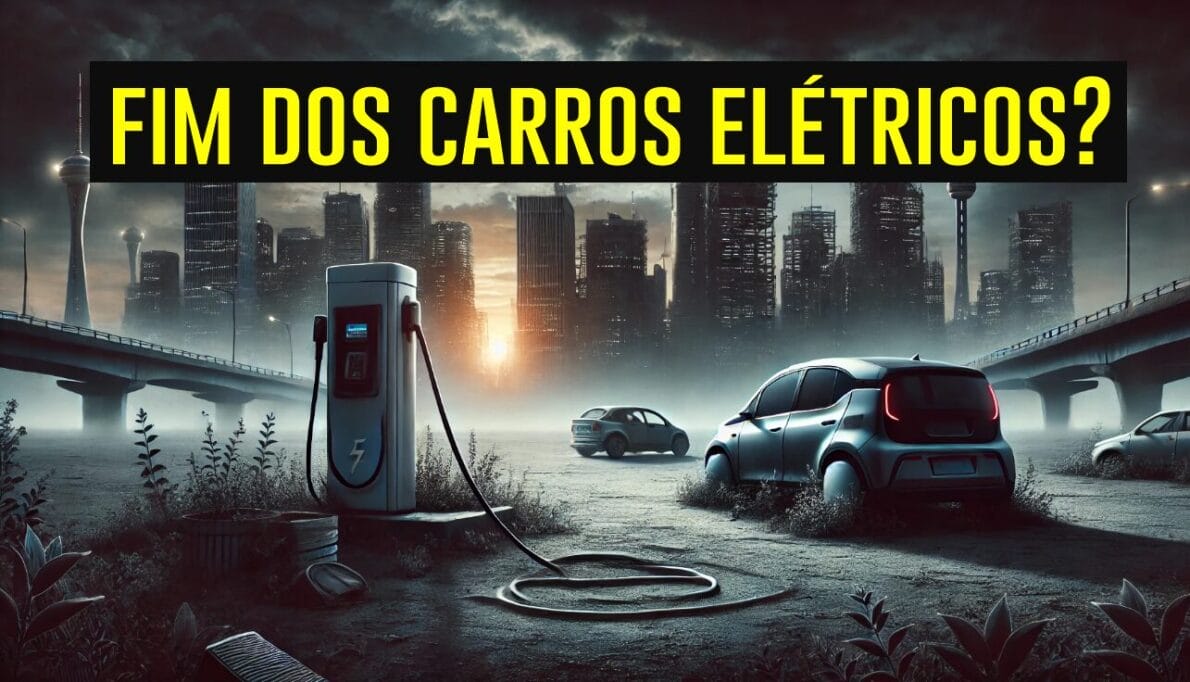
Alarming Graph Shows Decline in Electric Car Sales Worldwide. Volkswagen and Other Automakers Face Challenges, with Factory Closures Due to Low Demand. Discover What is Happening in the Electric Vehicle Market!
Electric vehicles have been promoted as one of the most promising solutions to the climate crisis, offering emission-free travel and contributing to a more sustainable future. However, it appears that this electric revolution, seen as essential for carbon emission reduction, is starting to lose momentum. Recent data suggests that global electric vehicle sales are declining, and Volkswagen, one of the giants in the automotive industry, is being forced to close factories due to a transition that is slower than expected to this type of vehicle.
The Sales Crisis: Tesla, BYD, and Volkswagen Face Declines
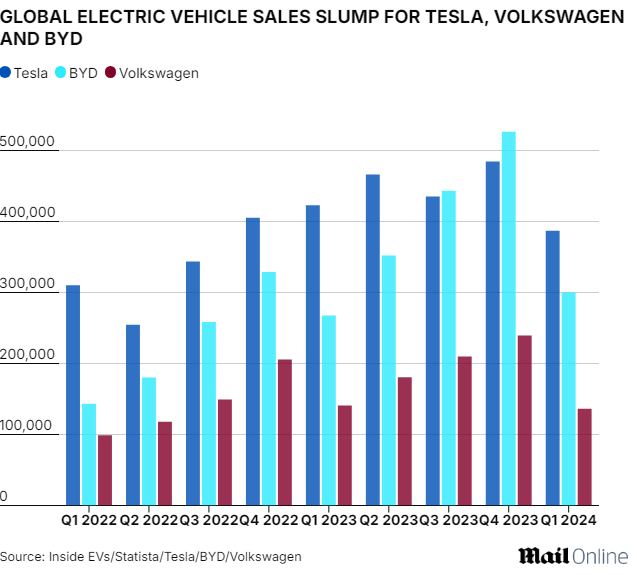
A graph from MailOnline shows a significant downward trend in electric vehicle sales over the past few months. Even Tesla, a pioneer in the segment, has faced difficulties: sales fell from 484,500 units in the fourth quarter of 2023 to 386,800 in the first quarter of 2024. This reduction of nearly 20% in a short period raises alarm bells for the industry.
In China, BYD, the largest seller of electric vehicles in the world, also recorded a sharp decline in sales. While in the last quarter of 2023 the company sold 526,000 vehicles, at the beginning of 2024 this number dropped to just over 300,000 units.
-
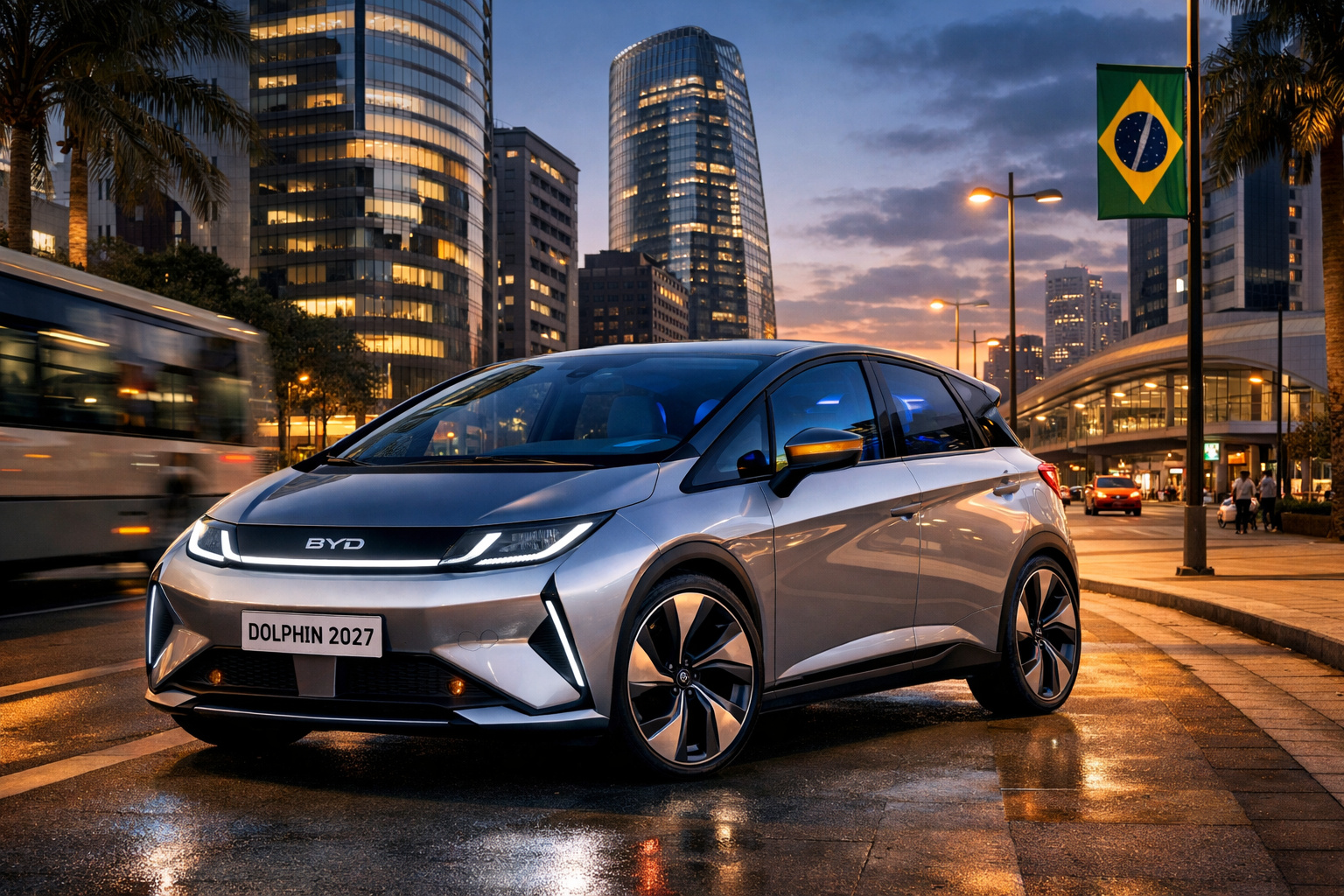
BYD Dolphin 2027 gains more power, increases in size, changes interior, and abandons controversial feature to face new competition in Brazil.
-
The German economist Wolf-Peter Schill has no doubts: “Electric cars are already far superior to cars with internal combustion engines.”

-
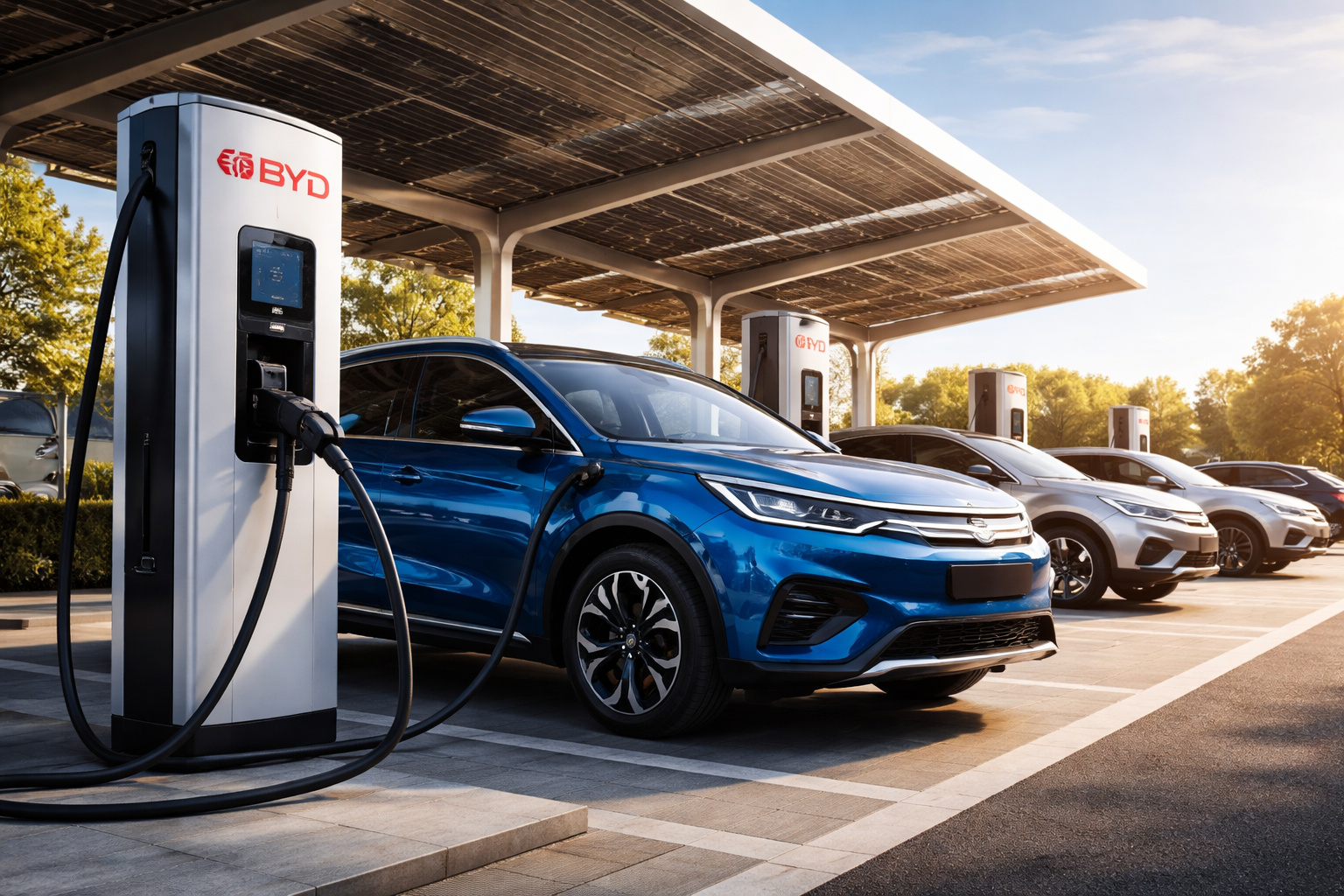
Largest public charging network in Brazil: BYD reaches 125 fast chargers and accelerates national expansion of electric mobility.
-
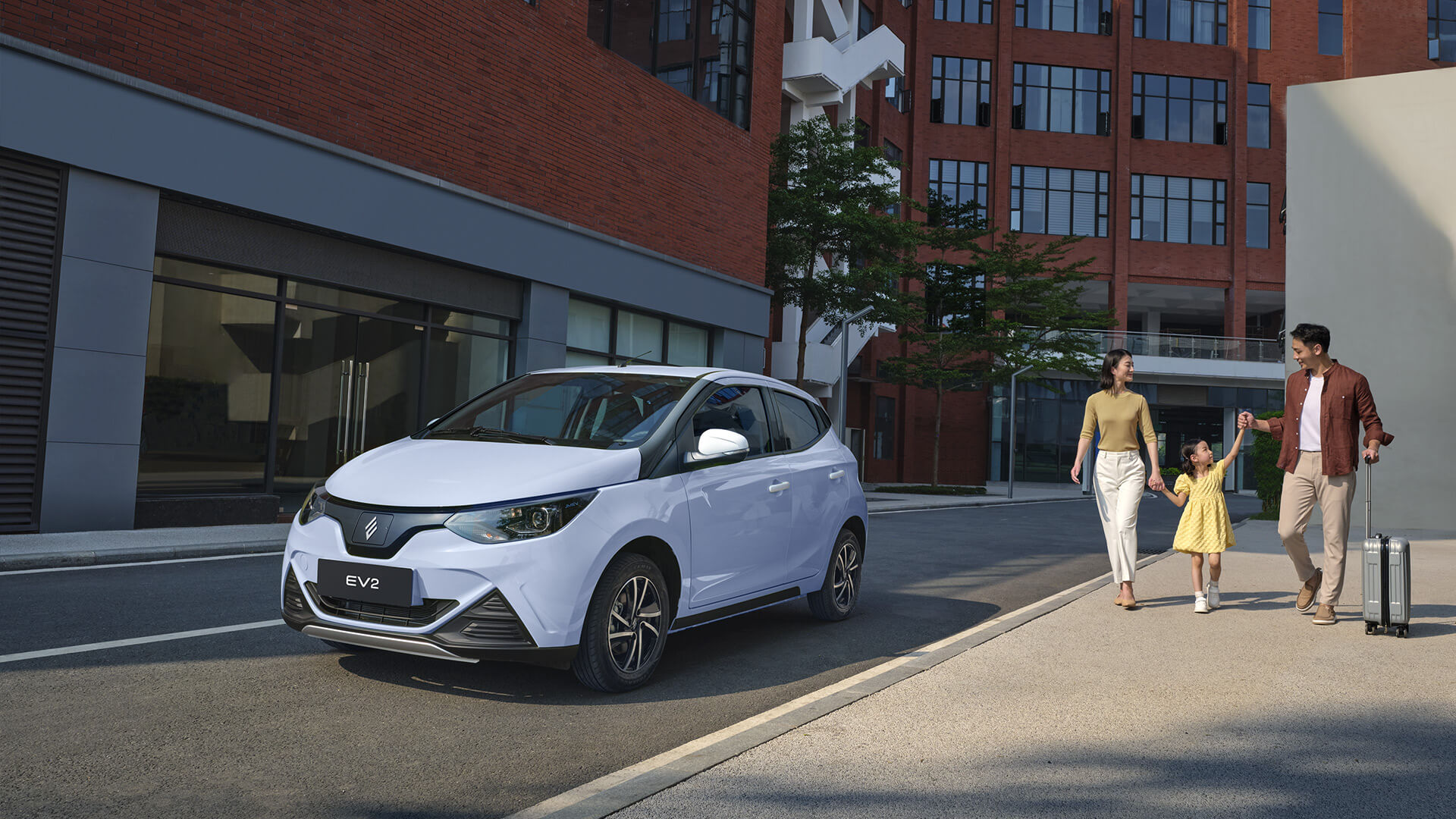
Goodbye expensive popular car: electric vehicle for less than R$ 70,000 starts being sold in Brazil with a range of 200 km and targets those looking to escape gasoline.
In Germany, Volkswagen followed the same pattern: in the last quarter of last year, the automaker sold 239,500 EVs, but that number dropped to 136,400 in the following quarter. Although there was a slight recovery in the second quarter of 2024, with sales rising to 180,800 units, the situation remains alarming.
According to G1, Volkswagen has been forced to close three factories, also eliminating some jobs.
Why Are Sales Declining?
According to experts Milad Haghani, a professor of urban analysis at UNSW Sydney, and Hadi Ghaderi, a professor of supply chain at Swinburne University of Technology, there is a “clear downward trend” in the electric vehicle market.
The reasons include high EV prices and a reduction in government incentives in regions like Europe and the United States. On the other hand, countries such as China and India continue to expand sales, driven by low-cost electric vehicles.
Another factor pushing buyers away is the uncertainty regarding the resale value of EVs. Many consumers fear that these vehicles will lose value quickly, especially with advances in battery technology, which makes current models rapidly outdated.
Furthermore, safety is also a critical point: cases of fires in EV batteries, including a recent incident in a parking lot in South Korea, have increased consumer distrust of this technology.
Challenges and Controversies Surrounding Electric Vehicles
Although electric vehicles represent a promising solution for reducing emissions, they still face issues. In addition to high initial costs and a lack of charging infrastructure, there are concerns regarding durability and tire wear, which release rubber particles into the air, potentially harmful to human health.
In fact, the tire pressure of electric vehicles, which are heavier due to batteries, can increase pollution from particles.
Another concern is the environmental impact during the production of EVs. According to studies, producing an electric car emits almost 70% more greenhouse gases compared to manufacturing a combustion vehicle.
This data raises questions about the actual environmental efficiency of these vehicles in terms of long-term sustainability.
Moreover, the use of rare earth materials in electric motors and the increasing demand for lithium for batteries present significant challenges, both for the environment and for economic stability, as these materials are extracted from specific regions with significant environmental and social impacts.
And What About the Future of Electric Vehicles?
The global transition to electric vehicles is still seen as inevitable, but not without obstacles. On one side, there is an effort from governments and the industry itself to make these vehicles more accessible and to address technological limitations.
On the other side, consumers remain hesitant due to safety issues, pricing, and uncertainties about the future market value of EVs.
For this transition to occur smoothly, more investment in charging infrastructure, reduction of production costs, and consumer awareness about the benefits of EVs are necessary.
Additionally, innovative solutions for particle pollution and battery disposal issues need to be developed to ensure that electric vehicles become a truly sustainable option in the long term.
The electric vehicle sector is at a crossroads. Although global sales have shown a concerning decline in recent months, the goal of reducing carbon emissions remains.
Automakers and governments now face the challenge of adjusting their strategies to attract consumers, offer more affordable prices, and ensure the necessary infrastructure for this technology to be widely adopted.









Seja o primeiro a reagir!