





 Portuguese
  English
  Spanish
  4 min of reading
  0 comments


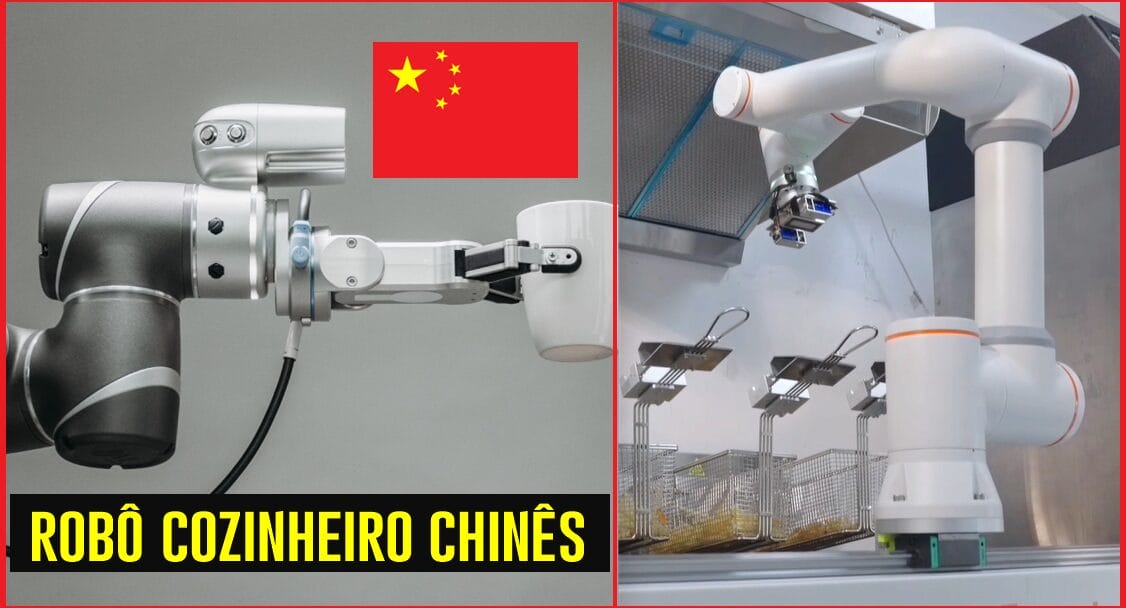
Authorized Chef Robots In China Can Cook 24 Hours A Day And Learn New Recipes In Record Time.
Recently, authorities in China issued the first commercial catering license for multitasking chef robots, marking a breakthrough in the regulation of artificial intelligence applications in the food and beverage industry.
The pioneering initiative highlights the growing role of technology in transforming the sector, which faces challenges such as high operational costs and the need for innovation.
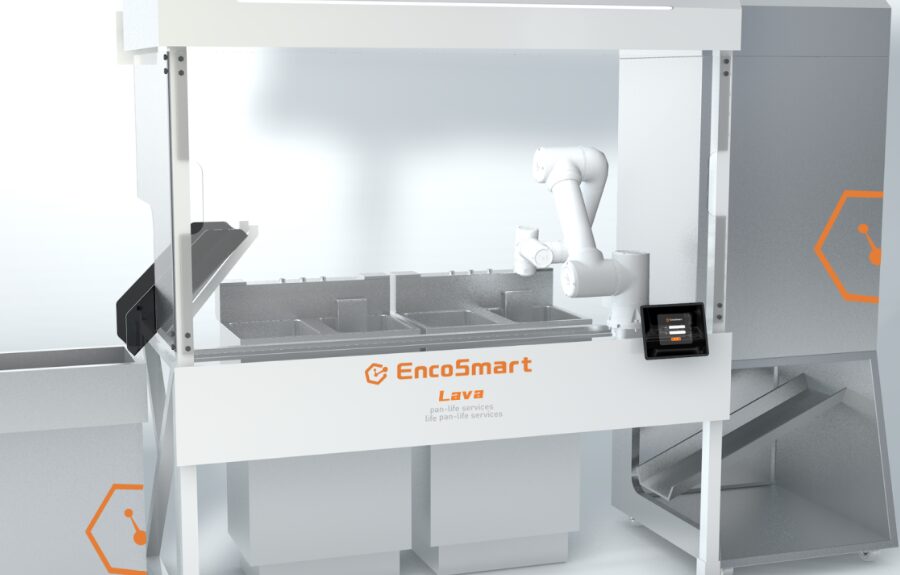
Unlike traditional robots that perform only one specific function, such as making pancakes or pasta, the chef robots developed by the company EncoSmart Technology, based in Beijing, have integrated intelligence that allows them to cook various types of dishes.
-
Mysterious object on Mars divides NASA and Harvard after Curiosity image reignites suspicions about what was really found on the planet.

-
Giant structures 14 meters beneath Egypt are revealed by satellites and expose a millennia-old secret buried in Buto.

-
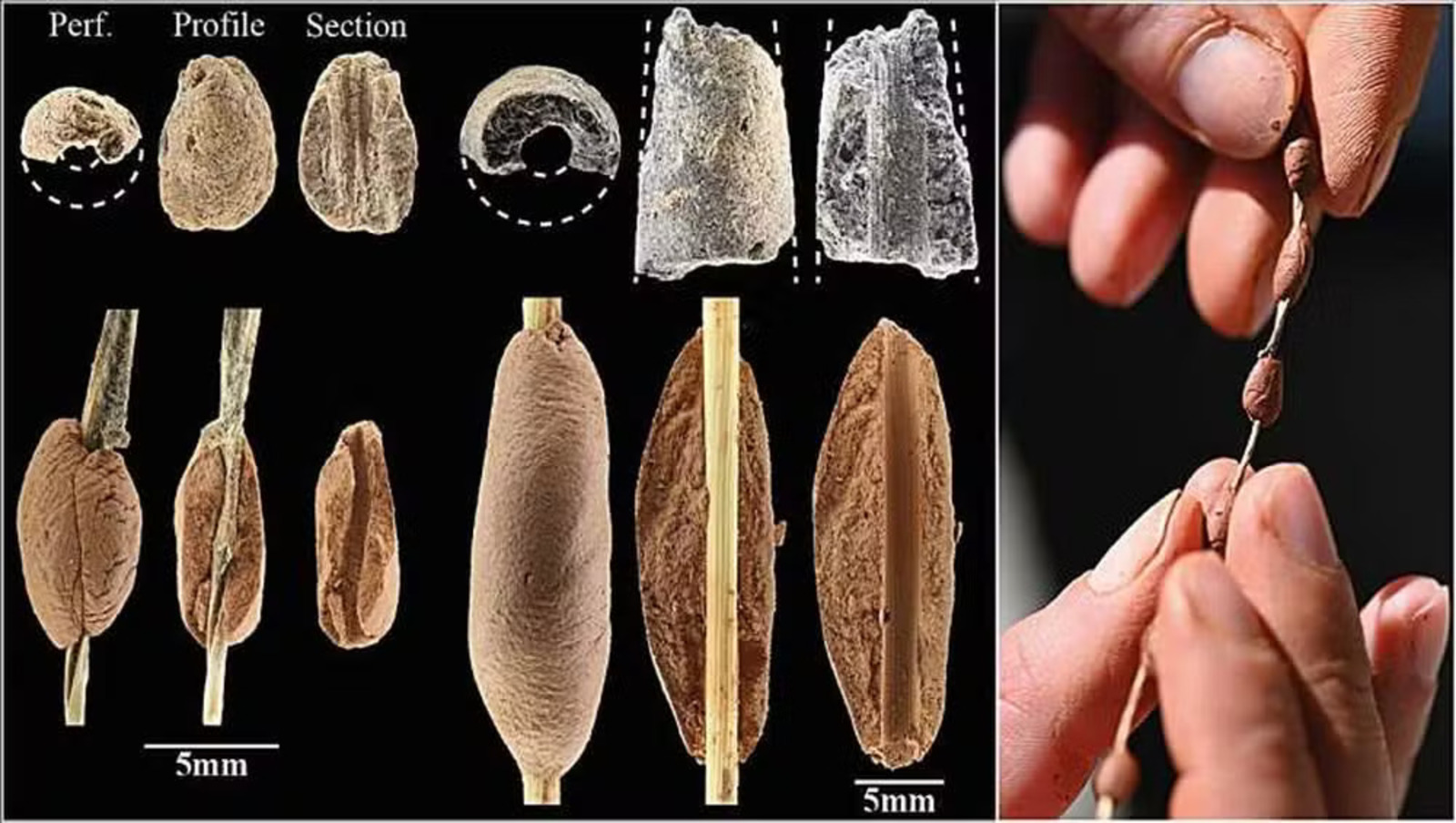
Children have been making clay pieces for 15,000 years in Southwest Asia, and fingerprints preserved on 142 ornaments helped archaeologists prove this.
-
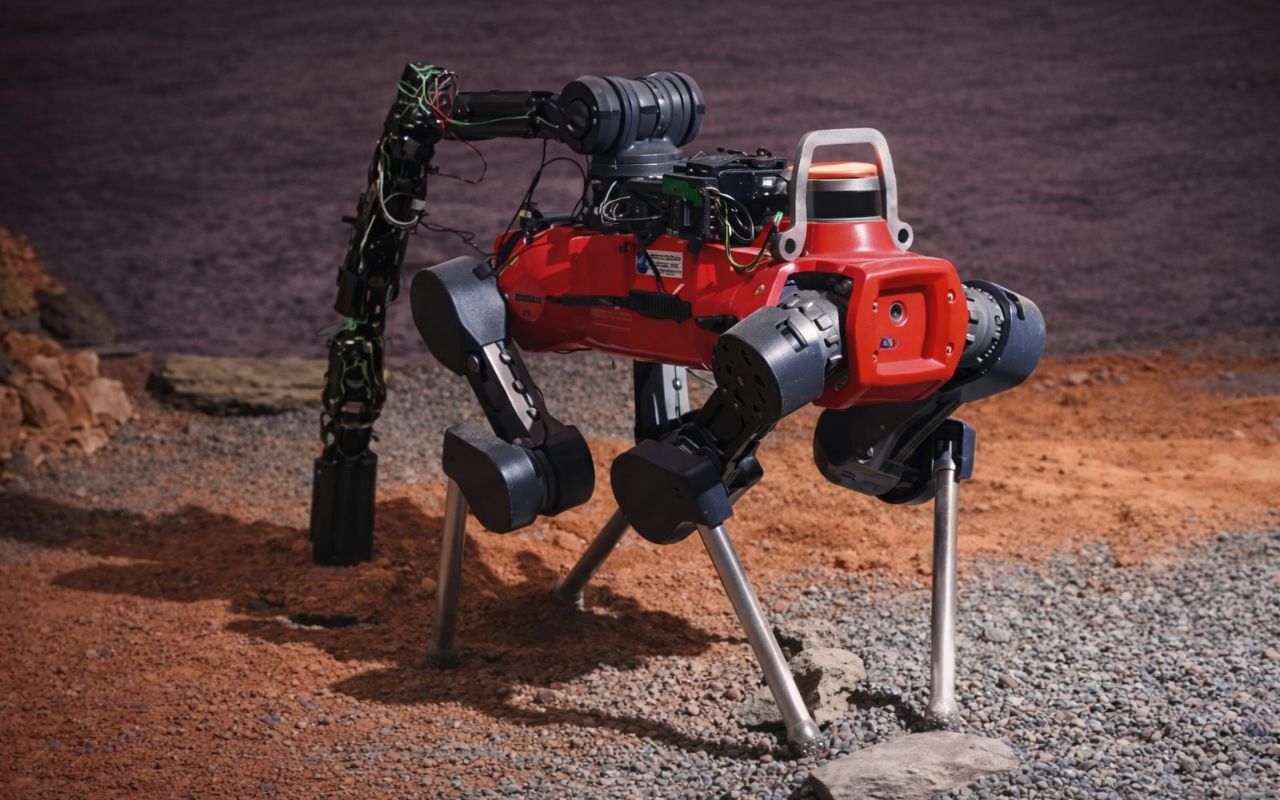
New semi-autonomous legged robot technology challenges the limitations of space exploration by operating almost without human intervention on the Moon.

These chef robots, resembling robotic arms, have the ability to continuously learn, creating new menus and adjusting their operations to ensure safety in the workplace.
Tian Yan, head of project development at EncoSmart, commented on the impact of this innovation: “We have already deployed our first generation of robots in some office buildings in the Haidian district, providing fried foods. Our goal is to expand services by the end of the year to restaurant chains, with robots capable of making ice creams, drinks, and salads.“
The Role Of Artificial Intelligence In The Industry
According to Xia Pingping, head of the catering department at the Market Regulation Department of Haidian District, “Artificial intelligence is an inevitable trend in the food and beverage industry.”
Safety has been a central concern since the project’s inception, as she emphasizes: “Before issuing the license, we rigorously examined the product to ensure it complied with national food safety regulations.“
The design of EncoSmart’s chef robots prioritizes safety in both hardware and the algorithms controlling the machines.
One of the biggest challenges faced by developers of multitasking kitchen robots was ensuring that the equipment could operate efficiently and safely in high-risk environments, such as commercial kitchens, where temperature control of oil and fire prevention are crucial.
Tian also noted that chef robots can adjust heating efficiency to ensure food is prepared optimally.
End Of Chefs? Cost Reduction And Quality Improvement
A report published in April by the Beijing Municipal Commerce Department highlighted some of the main challenges faced by the local restaurant industry, including high rents, labor costs, and ingredient prices.
In this scenario, integrated intelligence technology presents a potential solution to reduce costs, improve food processing, and provide consistency in the quality of dishes, something that consumers are increasingly demanding.
Tian believes that the chef robots developed by EncoSmart can help meet this demand for flavor precision while also reducing operational costs.
“Our goal is to make the robots more accessible to the end consumer, allowing a consistent dining experience while ensuring safety and quality.”
Regulation And Market Expansion
With the issuance of this first commercial license, Beijing takes the lead in regulating food safety based on AI.
The Haidian district has stood out in this regard, establishing standards for the application of integrated intelligence in food processing, covering aspects such as safety, system design, food hygiene, and operational standards.
This regulation, according to Duan Xing, head of the market regulation office in the Huayuanlu subdistrict of Haidian, differs from traditional restaurant oversight. “Our approach focuses on three main areas: process control, equipment control, and data traceability, to ensure a smooth and safe operation.“
Meanwhile, EncoSmart is already planning to expand its horizons to the international market. Chen Zhen, CEO of the company, stated they are preparing two major robotic products aimed at the Western catering market.
He mentioned that the overseas market offers opportunities but also challenges, especially regarding product certification and gaining customer trust.
Opportunities For The Future
The advancement of artificial intelligence in the food and beverage industry not only aims to improve efficiency but also to bring a new era of innovation to the sector.
According to Wang Xinwei, deputy secretary-general of the Beijing branch of the World Federation of Chinese Catering Industry, the large-scale commercialization of integrated AI robots will bring significant transformation to the market.
“While the proliferation of AI robots may cause an initial impact on the job market, in the long run, they will lead the industry to greater intelligence, creating new jobs and development opportunities“, said Wang.
He emphasized that the balance between technological progress and social responsibility will be essential to ensure harmonious economic and social development.
With this initiative, Beijing positions itself at the forefront of the culinary revolution, showing the world how technology can be used to optimize and innovate the food sector while aiming to maintain high standards of safety and quality.









Seja o primeiro a reagir!