





 English
  Francês
  Alemão
  Italiano
  Japonês
  Norueguês
  Portuguese
  Spanish
  2 min of reading
  0 comments


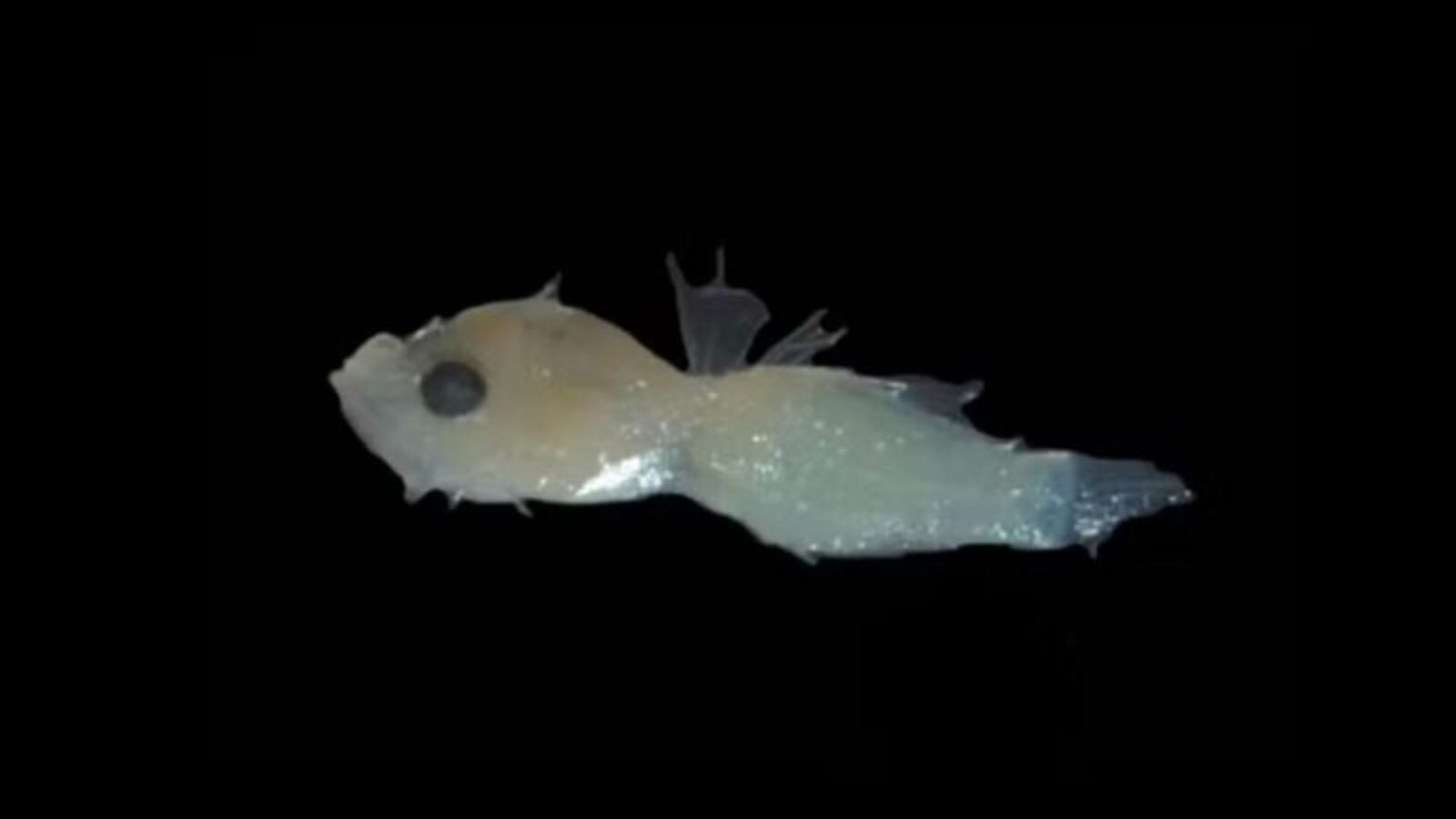
The discovery of a lionfish larva with 9 days of life at the mouth of the Amazon indicates local reproduction of the invasive species, dismantles the hypothesis of a natural barrier of the plume, and expands the alert about risks to the Great Amazon Reef System
Brazilian researchers located at the mouth of the Amazon a 3.9 mm lionfish larva, the largest invasive species in the Atlantic, with 9 days of life, indicating reproduction in the region and dismantling the idea that the river plume would block the predator.
Findings change the scenario
The encounter with the larva surprised specialists who viewed the freshwater plume of the Amazon as a natural barrier against the lionfish, coming from saltwater.
The discovery showed that this blockage did not prevent the arrival of the predator.
-
Kawasaki surprises by revealing a 140-ton aircraft capable of winning wars without a single shot and bets on ultra-secret technology to protect Japan by 2027.

-
A trick with a fan and a PET bottle goes viral in the extreme heat of 2026 and promises to cool the environment while using almost no electricity.

-
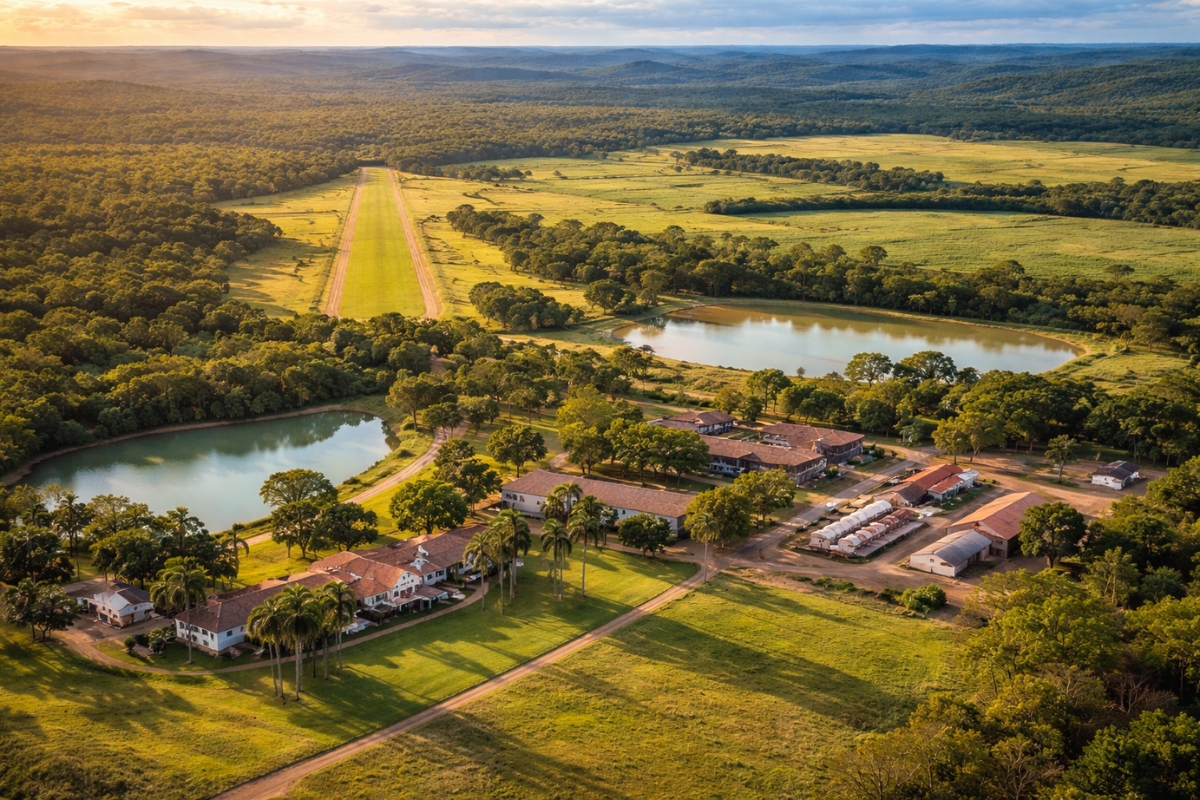
A 176,000-hectare farm in the Northeast is up for sale for R$ 1.2 billion, featuring a runway, fuel station, river, schools, and warehouses, and has become a phenomenon on social media due to its size, which surpasses that of Brazilian capitals.
-
On a tiny island of 6.3 hectares, Mitsubishi created a city for over 5,000 residents, sustained by underwater coal mining, until the project’s collapse left ruins that still impress Japan.



Barrier turned filter
According to the material, the highly adaptable species managed to cross the area of turbid and low-salinity water formed at the confluence of the river and the Atlantic. Instead of a definitive blockage, the plume began to function as a brief filter.
Larva expands concern
The most alarming data for researchers was the age of the animal found. At only 9 days old, the larva was not yet developed enough to swim, indicating that the lionfish managed to reproduce in the very region.
Study points to installation
The study by researchers Paula Campos, Igor Hamoy, and master’s student Lucas Corrêa showed that the cycle closed. In practice, this means that the lionfish managed to infiltrate and settle permanently in the region.
The main concern now is the impact on the Great Amazon Reef System, described in the material as one of the most exuberant ecosystems on the planet. The area is unique, fragile, and still little explored by science.
Containment is still possible
According to the cited interview, researchers state that there is not much hope left for eradicating the lionfish in the region.
Still, they consider it possible to contain and mitigate the effects of the invasive species on this ecosystem. The case has made everything more complex there.
With information from Aventuras na História.







Seja o primeiro a reagir!