





 Portuguese
  English
  Spanish
  3 min of reading
  0 comments


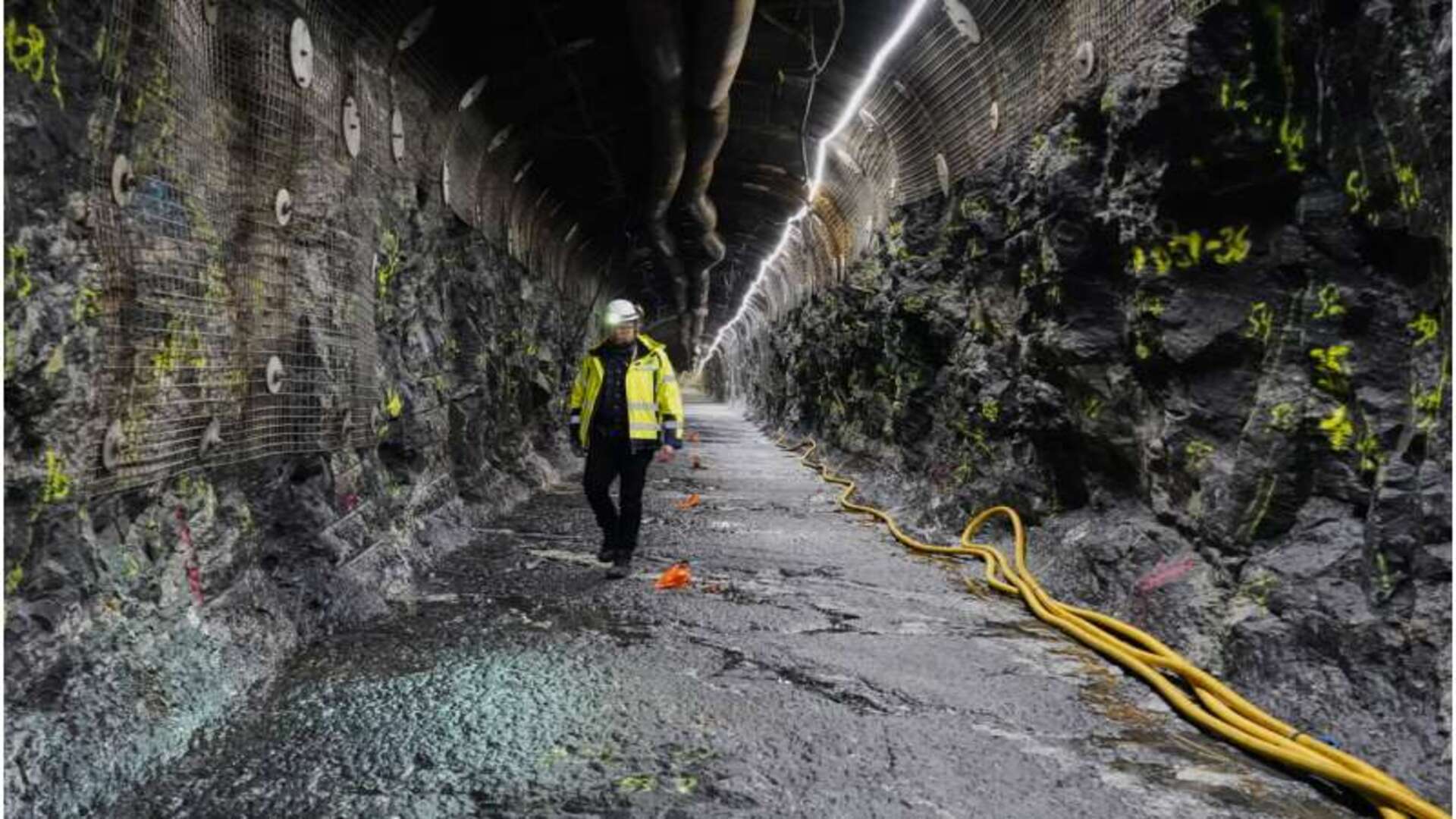
Onkalo Project uses deep barrier system to isolate used fuel and protect future generations.
Finland is about to inaugurate the world’s first deep geological storage site for high-level nuclear waste, utilizing a 1.9 billion-year-old rock formation.
The project, called Onkalo, is designed to safely isolate used nuclear fuel for 100,000 years, ensuring the protection of future generations. Located on the island of Olkiluoto, the complex represents a historic milestone in the management of atomic energy waste, offering a final solution to one of today’s greatest environmental challenges.
Unlike temporary storage methods in pools or surface drums, the Finnish repository uses a multi-barrier system to confine radioactive material. The fuel is sealed in thick copper containers, surrounded by bentonite clay and deposited in tunnels excavated 450 meters deep in stable bedrock.
-
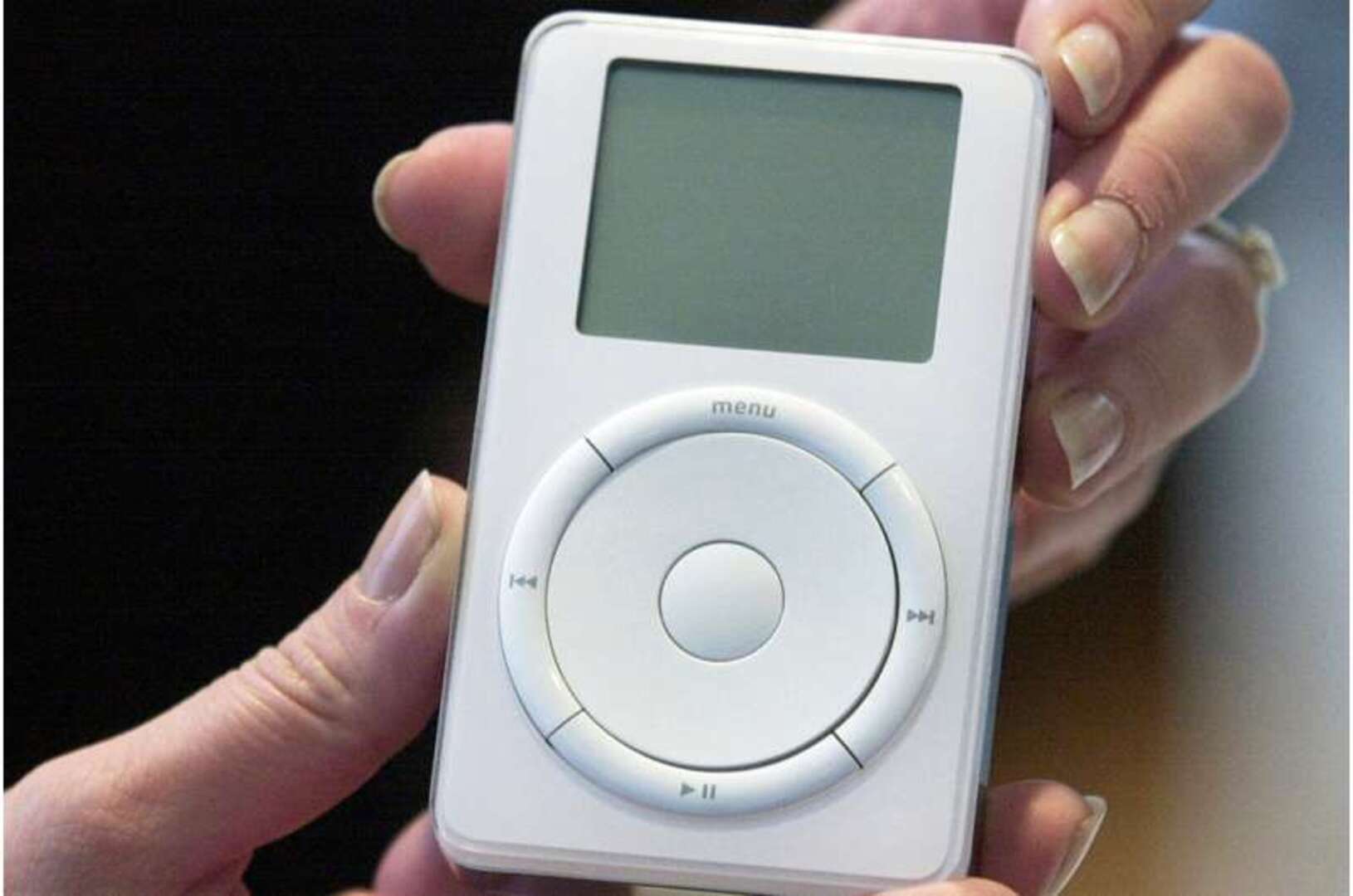
Generation Z is reviving classic iPods and investing in technical modifications to create a listening zone free from notifications and algorithms.
-
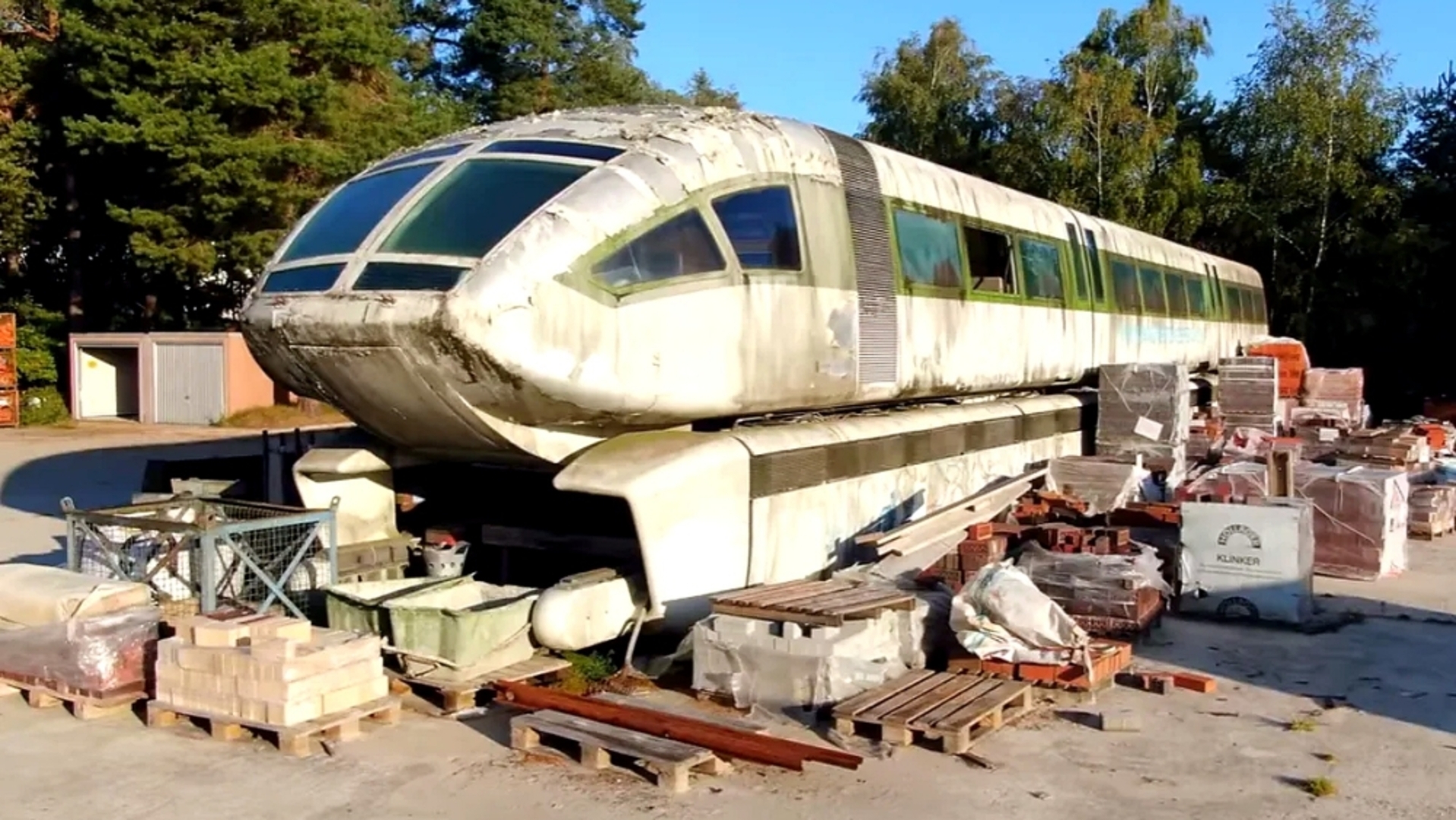
Germany scraps billion-euro project for a 450 km/h maglev train after spending 1.25 billion euros and sees technology thrive in China.
-
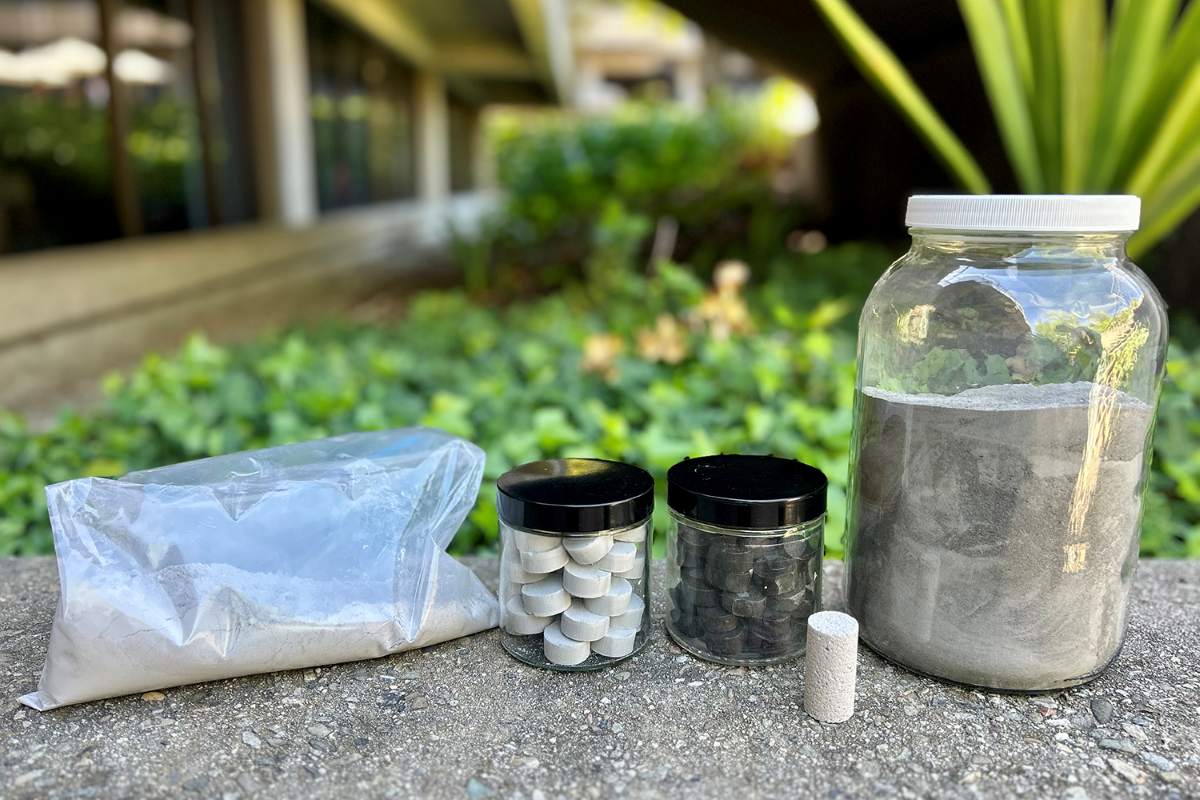
Stanford scientists develop new cement with volcanic rock capable of cutting carbon emissions by 67% in construction.
-
Research from the University of Manchester confirms that waste heat from combustion engines increases city temperatures by up to 0.35 °C.

By utilizing this 1.9 billion-year-old rock, the project takes advantage of a geological structure that has remained virtually unchanged for eras, providing resistance against seismic movements and erosion.
Geological safety and protective barriers
The choice of 1.9 billion-year-old rock to house the complex was not random, based on exhaustive geological studies on the stability of the Finnish crystalline. The engineers explain that the depth and nature of the rock minimize the risk of contact between the material and the biosphere or groundwater.
The isolation in the rock of 1.9 billion years is reinforced by expansive clay, which acts as a physical and chemical seal, preventing any potential leakage from reaching the surface.
This containment system has been developed to withstand even future ice ages that may occur over the coming millennia. The inherent stability of the 1.9 billion-year-old rock ensures that the tunnels remain intact even under the pressure of kilometers of ice.
The Onkalo project demonstrates that modern engineering can work in harmony with ancient geological formations to create a disposal environment that does not rely on active human maintenance after its final closure.
Waste management for the next millennium
Finland has opted for a transparent approach and social consensus to advance construction in the 1.9 billion-year-old rock. The project cost billions of euros and took decades to plan, involving collaboration from scientists, politicians, and the local community of Eurajoki.
By depositing used fuel in the 1.9 billion-year-old rock, the country takes full responsibility for the life cycle of its energy production, preventing the problem from being passed on as an unsolved legacy to future societies.
Once the deposition tunnels are full, they will be permanently filled and sealed with inert materials. The surface above the 1.9 billion-year-old rock may eventually be used for other activities, while the danger remains isolated hundreds of meters below ground. The success of the Finnish model is being closely watched by other countries operating nuclear power plants that are still seeking suitable sites for their own long-term waste.
Global impact and scientific pioneering
The start of operations at Onkalo positions Finland at the forefront of global nuclear safety and industrial sustainability. The use of 1.9 billion-year-old rock proves that it is technically possible to create a “100,000-year solution” for complex technological byproducts.
The international scientific community recognizes that deep geological isolation in 1.9 billion-year-old rock is currently the safest and most ethical option available for the disposal of residual plutonium and uranium.
With the completion of testing phases, the site will begin receiving regular shipments of used fuel from the Olkiluoto and Loviisa plants. The legacy of this endeavor in the 1.9 billion-year-old rock will be the silence and total isolation of materials that would otherwise pose a constant risk. Finland thus closes the nuclear energy cycle, transforming a generational concern into a long-term engineering achievement buried in the depths of geological time.
Click here to access the study.




Seja o primeiro a reagir!