





 Portuguese
  English
  Spanish
 4 min of reading
  0 comments


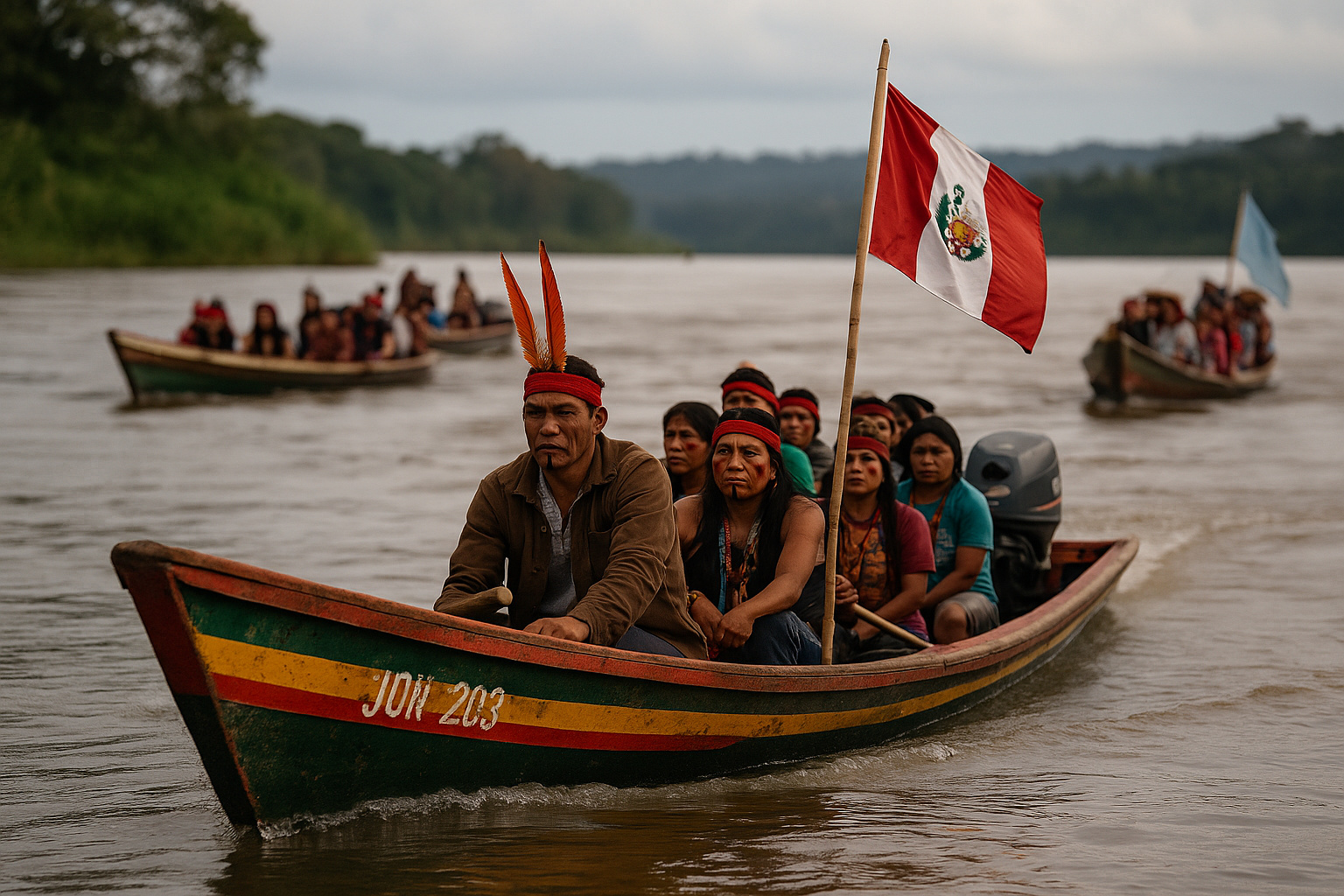
River Voyage Unites Peoples of the Amazon in a 3,000 km Journey to Belém, Expected to Arrive on November 9, Eve of the Climate Conference.
Since the beginning of the journey, the Amazonian flotilla Yaku Mama draws attention for its symbolic strength and the unity among the forest peoples.
The movement brings together communities from across the Amazon basin and started on October 8, 2024, after a sacred ritual in the Cayambe volcano region, in Ecuador.
Moreover, the group travels more than 3,000 kilometers through the rivers of Abya Yala, the ancestral name of the American continent.
The route connects distinct cultures in defense of the Amazon and the climate.
The arrival in Belém will occur on November 9, 2025, one day before COP30, the UN global climate conference.
During the journey, the Indigenous people will pass through Coca and Nueva Rocafuerte in Ecuador, Iquitos in Peru, Leticia in Colombia, as well as Manaus and Santarém in Brazil.
With this, the caravan grows at each stop, as new vessels and communities join the movement, strengthening the message of climate justice and environmental preservation.
The Message of Resistance and Climate Justice
With determination and faith, the Yaku Mama expedition unites the peoples of the forest in defense of climate justice and traditional knowledge.
In addition, participants record stories of resistance and environmental actions in their territories.
The organizers aim to mobilize governments and institutions to adopt public policies that meet the needs of local communities.
In Belém, Indigenous leaders will present proposals based on ancestral knowledge, pointing out practical solutions for facing climate change.
According to Alexis Grefa, an Indigenous Quichua (Kichwa) and organizer of the flotilla, “the caravan represents the fight against predatory enterprises that threaten our territories.”
He mentions mining companies, oil companies, hydroelectric plants, and carbon markets as key factors of environmental and social destruction.
Thus, the flotilla expresses hope and resistance, inspiring other Indigenous communities to unite for a sustainable future.
In an interview with Folha de S.Paulo, in October 2024, Grefa stated that COP30 is a real opportunity for Indigenous protagonism in global climate decisions.
ARTICLE CONTINUES BELOWSee also
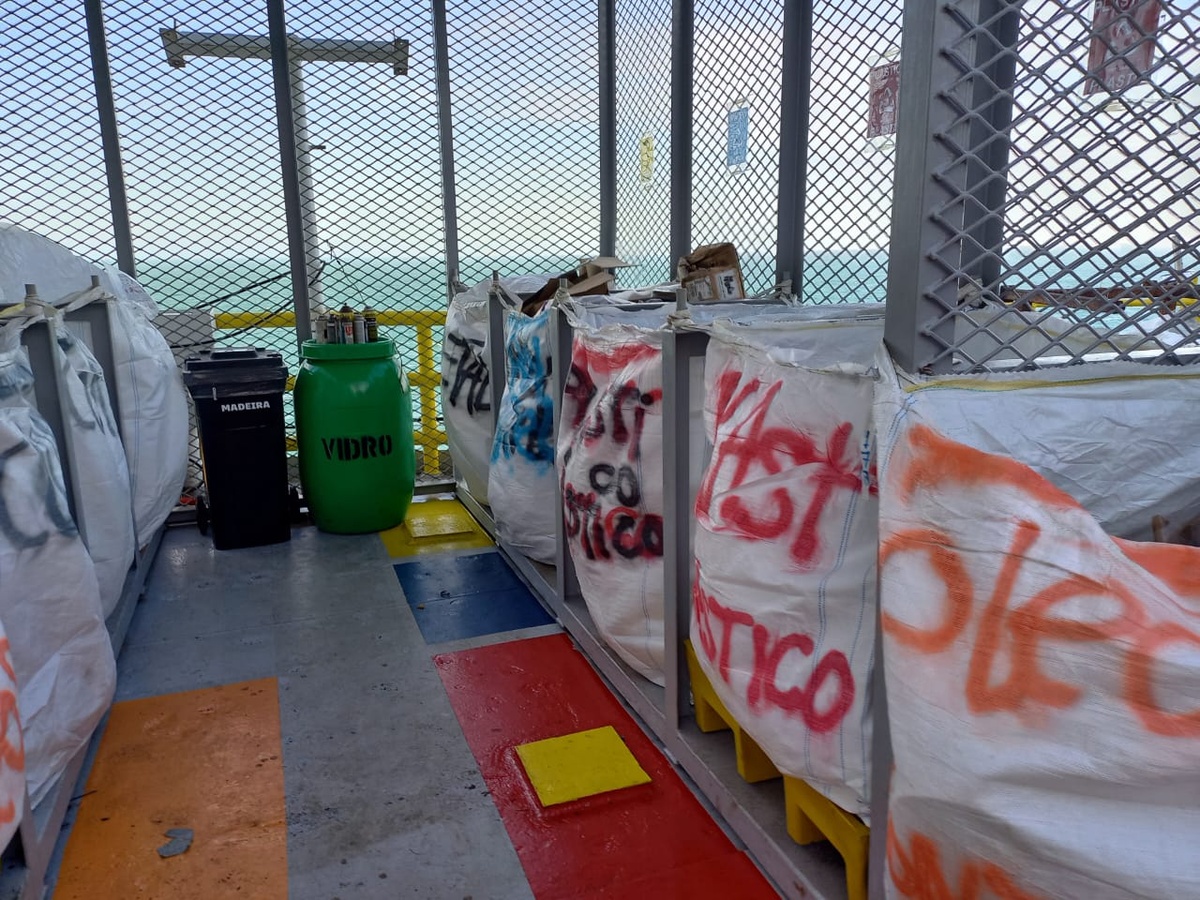
Foresea achieves 100% offshore waste reuse in 2025, eliminates landfill disposal, and consolidates sustainable strategy with 1,500 tons recycled.
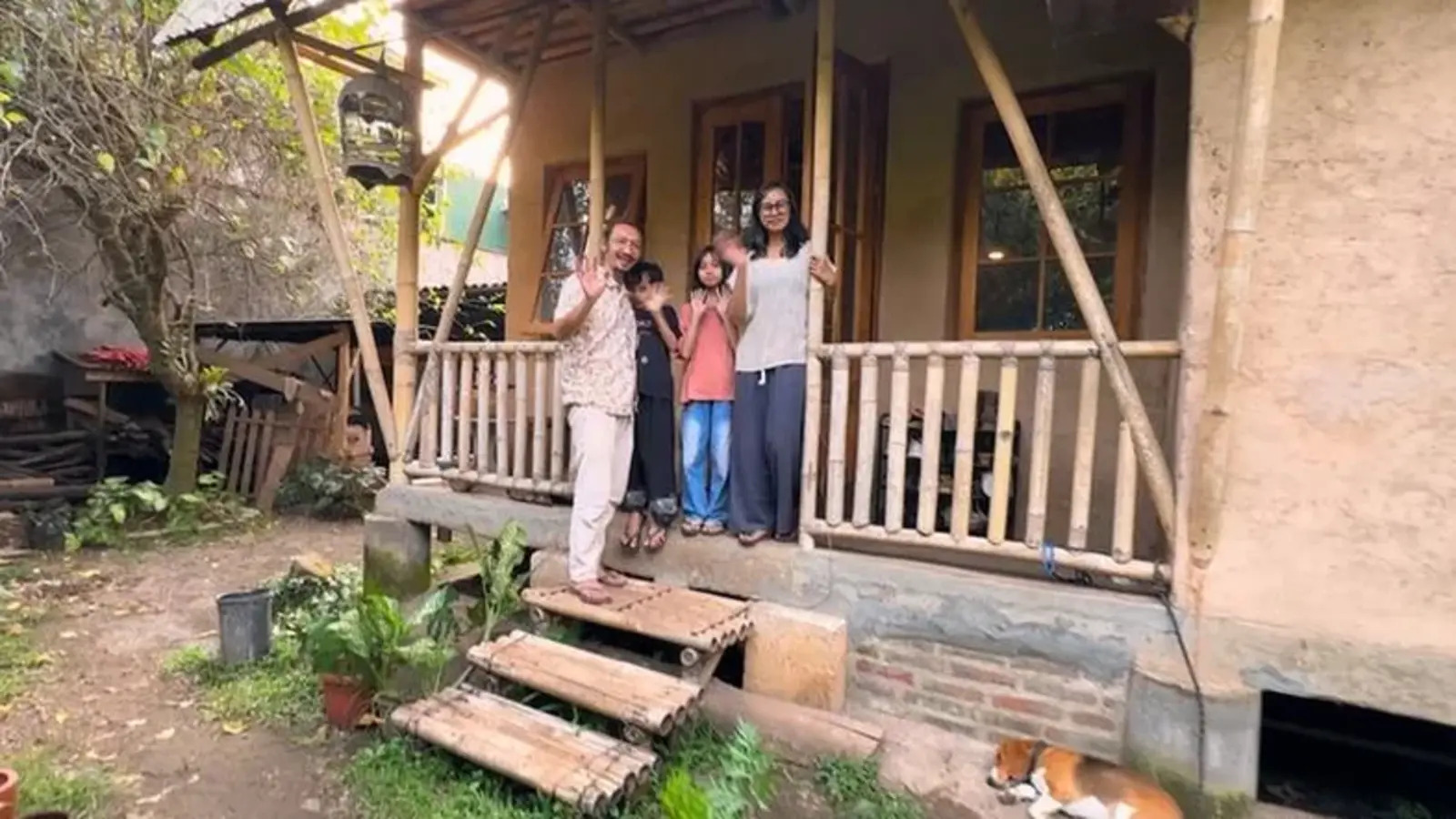
With earth, bamboo, straw, and lime mortar, a specialist builds a house for just over $460 and draws attention for its cost being much lower than traditional construction.
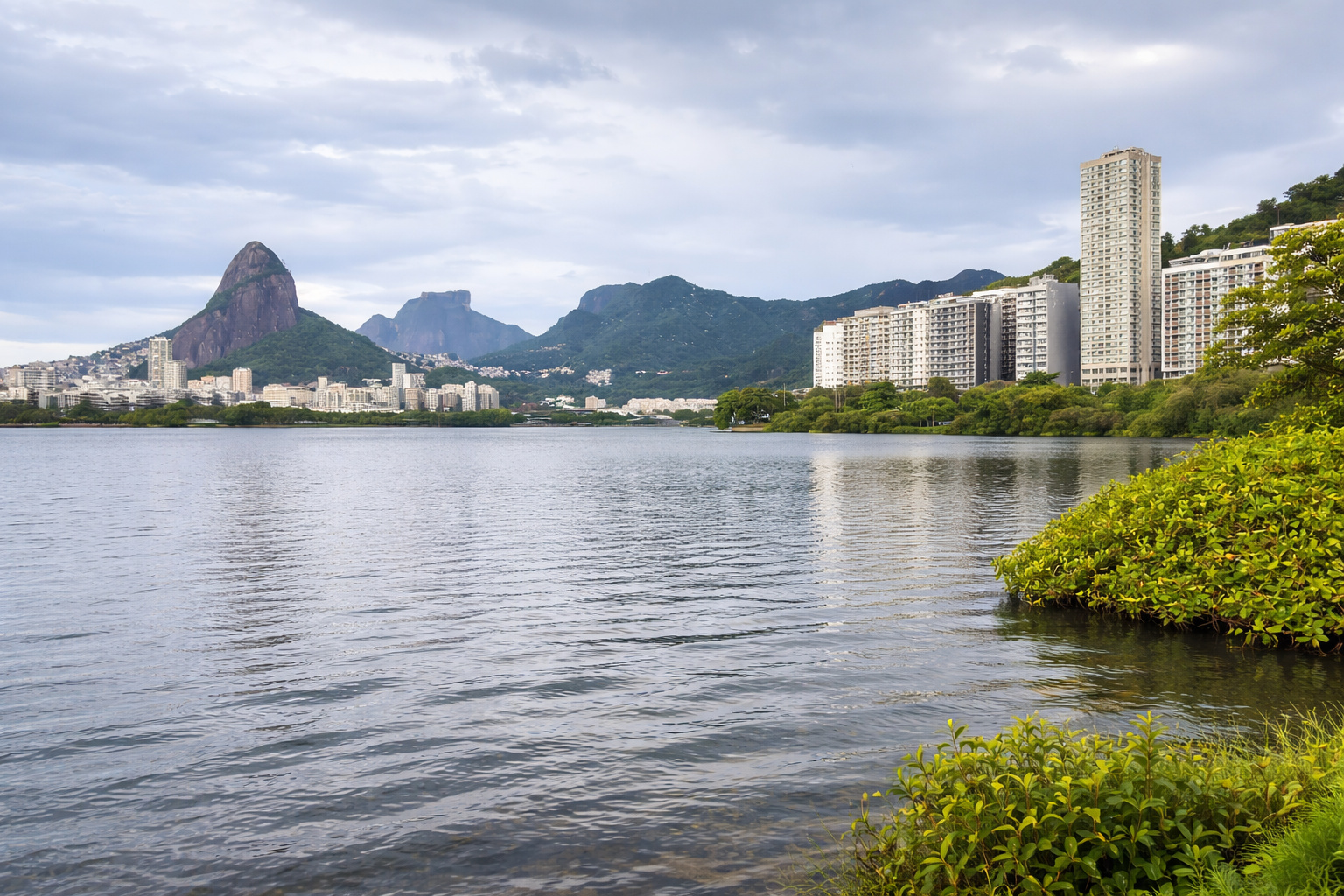
Rodrigo de Freitas Lagoon advances in environmental recovery with sanitation, elimination of irregular sewage, and the resumption of water sports in Rio de Janeiro.
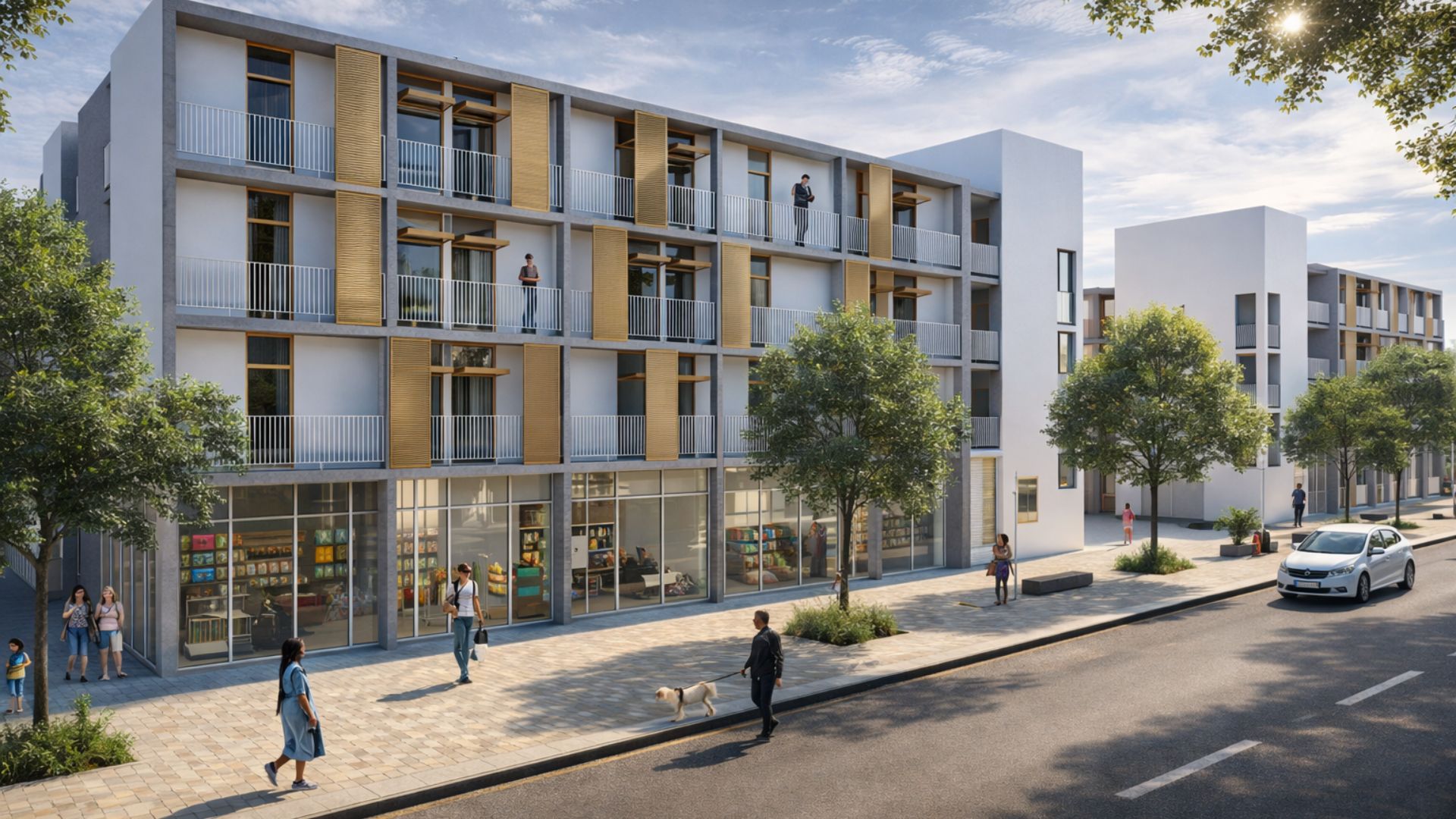
Sustainable housing gains strength with a nationally awarded project in Campo Grande, highlighting innovative solutions that combine sustainability, urban integration, and efficiency in the use of natural resources.
Organization and Reception in Belém
With cooperation and solidarity, the journey has the support of collectives of Indigenous peoples from Latin America.
These groups ensure food, transportation, and logistical support during the river journey.
Additionally, in Belém, the delegations will occupy their own camps and the COP Village, a space provided by the Brazilian federal government.
Some of the leaders will stay on their own boats, maintaining the spiritual connection with the Amazon rivers.
In this way, the arrival of the flotilla will mark a historic moment of COP30, highlighting the importance of Indigenous peoples in the global climate debate.
Consequently, Indigenous presence will reinforce the urgency of recognizing the Amazon as a focal point of global environmental discussions.

The Strength of the G9 and Continental Articulation
In October 2024, Indigenous leaders from nine Amazon countries formed the G9, a coalition dedicated to defending the biomes and traditional peoples.
The group emerged during COP16 on biodiversity, in Cali, Colombia, and launched the campaign “We Are the Answer”, aimed at preserving territories and defending life.
Since then, the G9 strengthens cooperation among Amazonian communities and works to pressure governments to fulfill real environmental commitments.
With this union, Indigenous leaders gain a voice on the international stage and reinforce the importance of the Amazon for the planet’s climate balance.
Thus, the G9 has become a symbol of resistance, dialogue, and continental organization.
Convergence of Issues for COP30
In April 2025, during the Free Land Camp (ATL), held in Brasília, representatives of the G9 met with leaders from Oceania.
The meeting served to align joint issues to be presented at COP30.
Among the topics discussed, the demarcation of Indigenous lands was classified as a priority, as it ensures the preservation of biodiversity and reduces deforestation.
Shortly thereafter, activists from 70 countries also participated in Brasília in an international conference on just energy transition.
Over five days, the debates highlighted the effects of climate change on vulnerable peoples and possible sustainable solutions.
The results of these meetings will be presented in Belém, according to participating Indigenous and environmental organizations.
Thus, the leaders aim to ensure a just, inclusive, and socially balanced energy transition.
A Movement of Unity and Hope
Finally, the Yaku Mama flotilla represents the spiritual and political unity of the forest peoples.
The crossing through the rivers expresses faith, resistance, and collective commitment to environmental preservation.
In summary, COP30, Belém, Yaku Mama, Amazon, climate justice, Abya Yala, G9, ATL, and energy transition are the central axes of this mobilization.







Seja o primeiro a reagir!