





 Portuguese
  English
  Spanish
  4 min of reading
  0 comments


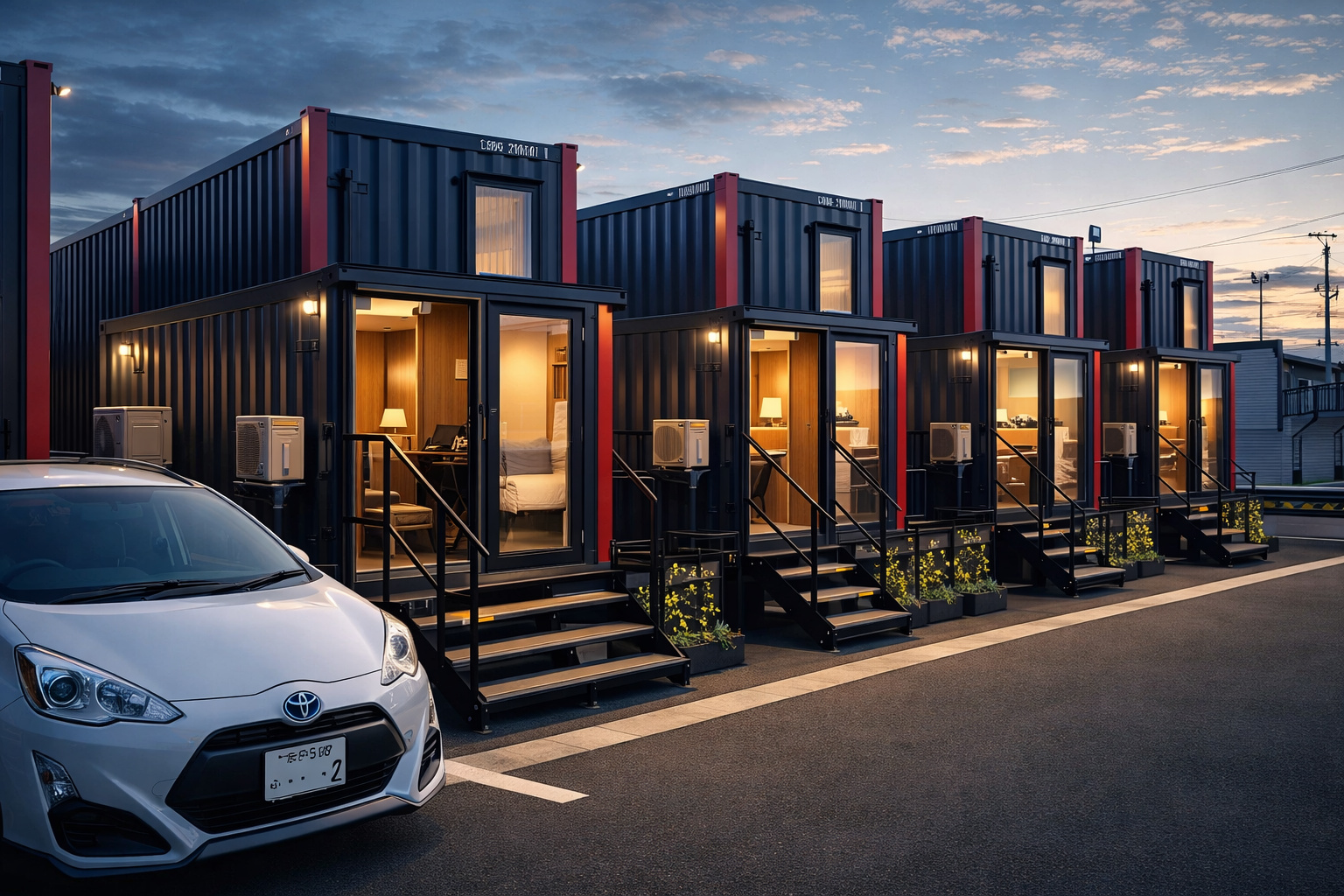
Container hotel models in Japan offer affordable prices, mobility, and modern comfort in strategic locations, surprising with structures that protect during disasters and can be solutions for those traveling by car
The container hotels in Japan are spreading across various regions and attracting attention for combining low cost, practicality, and innovation. The model uses adapted containers as complete rooms, offering a different experience for those traveling for work or leisure.
In addition to the more affordable price, these hotels offer practical advantages, such as ample parking, direct access to the room, and less noise between guests. The proposal also caters to emergency situations, as the structures can be transported to areas affected by disasters.
The report was published by Japan News by The Yomiuri Shimbun, a traditional Japanese news outlet, which highlighted the advancement of this type of accommodation in various regions of the country.
-
It looks like a movie scene: “Forgotten” Brazilian city surprises with a waterfront of nearly 11 km, tranquil beaches, and a GDP that exceeds R$ 6 billion; meet Navegantes, in Santa Catarina.

-
Milei’s government launches surprise police operations on the streets of Argentina to hunt undocumented immigrants, but the government’s own data reveals that only 4% were irregular. Critics say it is a copy of Trump’s policy without real necessity.

-
Indonesia is the largest producer of tropical seaweed in the world, and this market is already worth billions of dollars, but 90% of the production goes directly to China as raw material. Now the country wants to change the game and process everything on its own.

-
This extremely contagious virus has already affected 90% of the population of Brazil and has no cure.

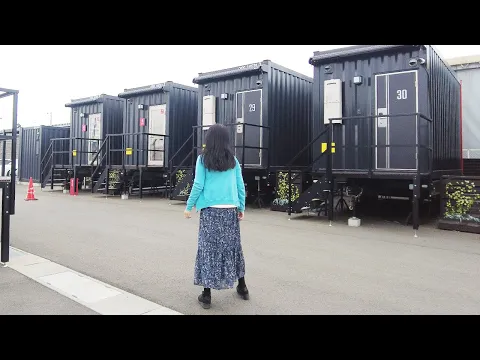

Simple structure on the outside, complete comfort on the inside surprises guests
The rooms of the container hotels in Japan are about 13 square meters, but they have everything that a traditional hotel offers. Inside each unit, there is air conditioning, television, a complete bathroom, and high-quality beds.
Additional items also catch attention, such as microwave, refrigerator with freezer, electric kettle, and massage chair. The proposal is to ensure comfort even in a compact space, focusing on functionality.
The separation between the containers reduces direct contact between guests, which brings more privacy. This detail is noted as an important differentiator for those seeking tranquility during their stay.
Lower prices and convenience attract travelers by car and professionals
Prices start at 6,200 yen per night for one person, making the model more accessible compared to traditional hotels. Free parking and proximity to highways facilitate access.

This type of accommodation is therefore widely used by people on business trips. The practicality of driving up and going directly to the room without elevators or long corridors makes the experience faster and more efficient.
A traveler reported that the experience is relaxing precisely because of the absence of noise between rooms and the ease of access.
Business model bets on mobility and use in emergency situations
The container hotels in Japan are not just a tourist solution. They also have a strategic function in crisis situations. The structures can be transported and used as temporary shelters or medical facilities.
During the pandemic, some units were used as temporary medical centers in Tochigi Prefecture. There are also contracts with about 160 municipalities, allowing for the rapid deployment of these structures in disaster cases.
Container hotel network grows and already totals thousands of rooms in Japan
The company responsible for much of this growth started the project in 2017 and currently operates about 100 hotels with approximately 3,500 rooms in various regions, from Kanto to Okinawa.
An example is a unit in Chiba Prefecture, with about 40 containers transformed into rooms. The total space occupies approximately 2,600 square meters and includes ample parking.
According to Japan News by The Yomiuri Shimbun, a traditional Japanese news outlet, the growth of this model is linked to the demand for more flexible and economical accommodations after the pandemic.
Structure includes laundry, machines, and practical services for long stays
In addition to the rooms, the hotels offer separate areas in other containers. Among the services are laundries with machines available from 6 AM to midnight and spaces with beverage machines accessible 24 hours.
There is also distribution of basic items such as toothbrushes, pajamas, and frozen meals, which can be heated in the room. This practicality eliminates the need for restaurants within the hotel.
The proposal is simple: to offer the essentials with quality, keeping costs low.

Expansion should reach areas where traditional hotels do not arrive
The low construction cost allows the container hotels in Japan to be installed in locations where there was previously no accommodation infrastructure. This includes more remote areas and less explored tourist regions.
This model also opens up space for new formats, including larger units for families, with wooden interiors and structures similar to mobile homes.
The trend is for these hotels to continue growing, following the increase in tourism and the search for different experiences.
Container hotels show a new way to travel with economy and practicality
The container hotels in Japan represent, therefore, a change in the way of accommodation, combining technology, mobility, and reduced cost in a single solution.
With complete rooms, easy access, and the possibility of use in emergencies, this model is gaining ground and is expected to continue expanding in the coming years.
And you, would you stay in a container hotel? Share your opinion in the comments and share this news with those who enjoy different travel experiences.








Seja o primeiro a reagir!