





 Portuguese
  English
  Spanish
 5 min of reading
  0 comments


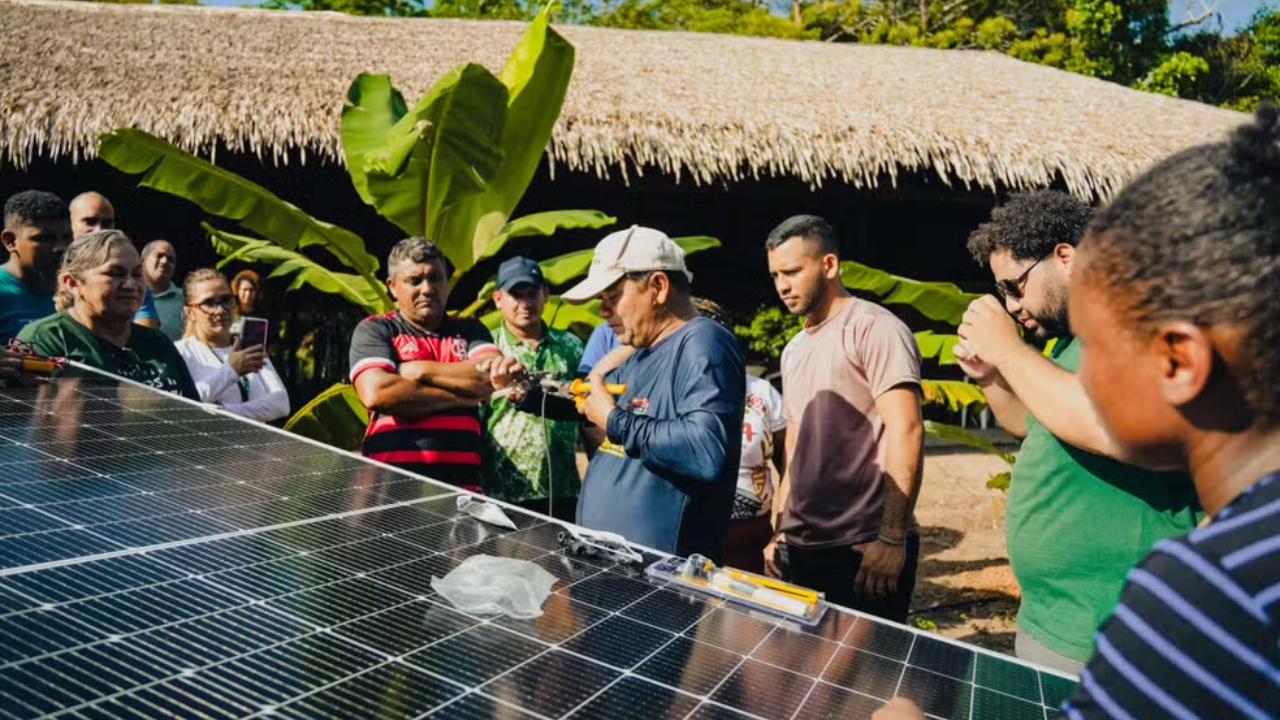
Pioneering Training in the Amazon Empowers Indigenous, Riverine, and Quilombola Communities to Operate Solar Energy Systems and Manage Their Own Structures, Strengthening Autonomy and Expanding Rights in Isolated Areas of the Resex Tapajós-Arapiuns, in Pará.
The expansion of solar energy in the country’s most remote regions is transforming the daily lives of indigenous, quilombola, extractive, and riverine communities.
In places where access to the electrical grid has never been guaranteed, photovoltaic technology has become an alternative that promotes autonomy, reduces inequalities, and strengthens rights.
This week, dozens of community members from the Amazon completed an unprecedented training program that prepares them to operate, maintain, and manage solar energy systems.
-
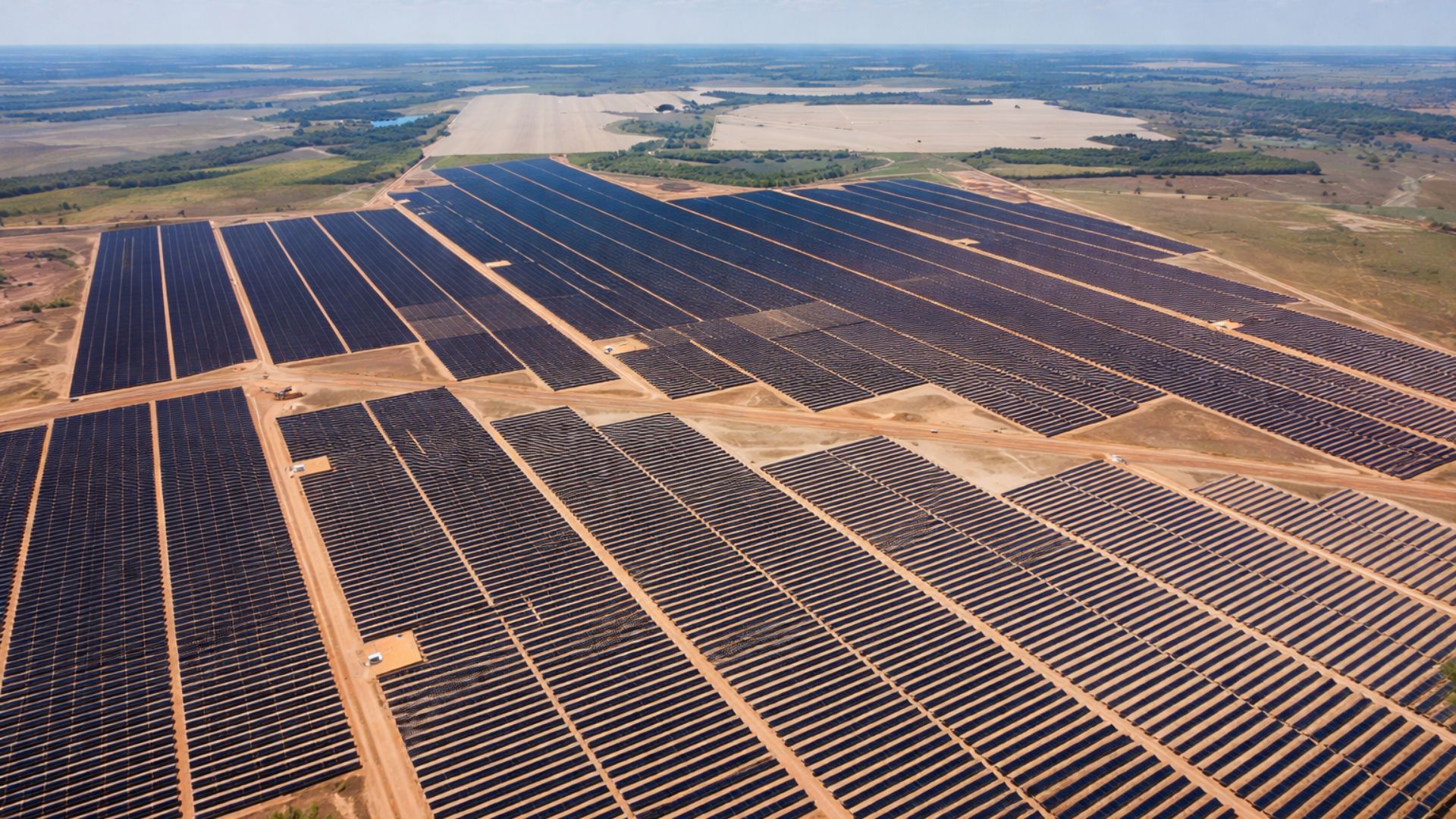
Solar energy gains strength with the Barro Alto solar complex, which increases renewable energy production in Brazil, creates jobs, strengthens the clean matrix, and transforms the electric sector with innovation and sustainability.
-
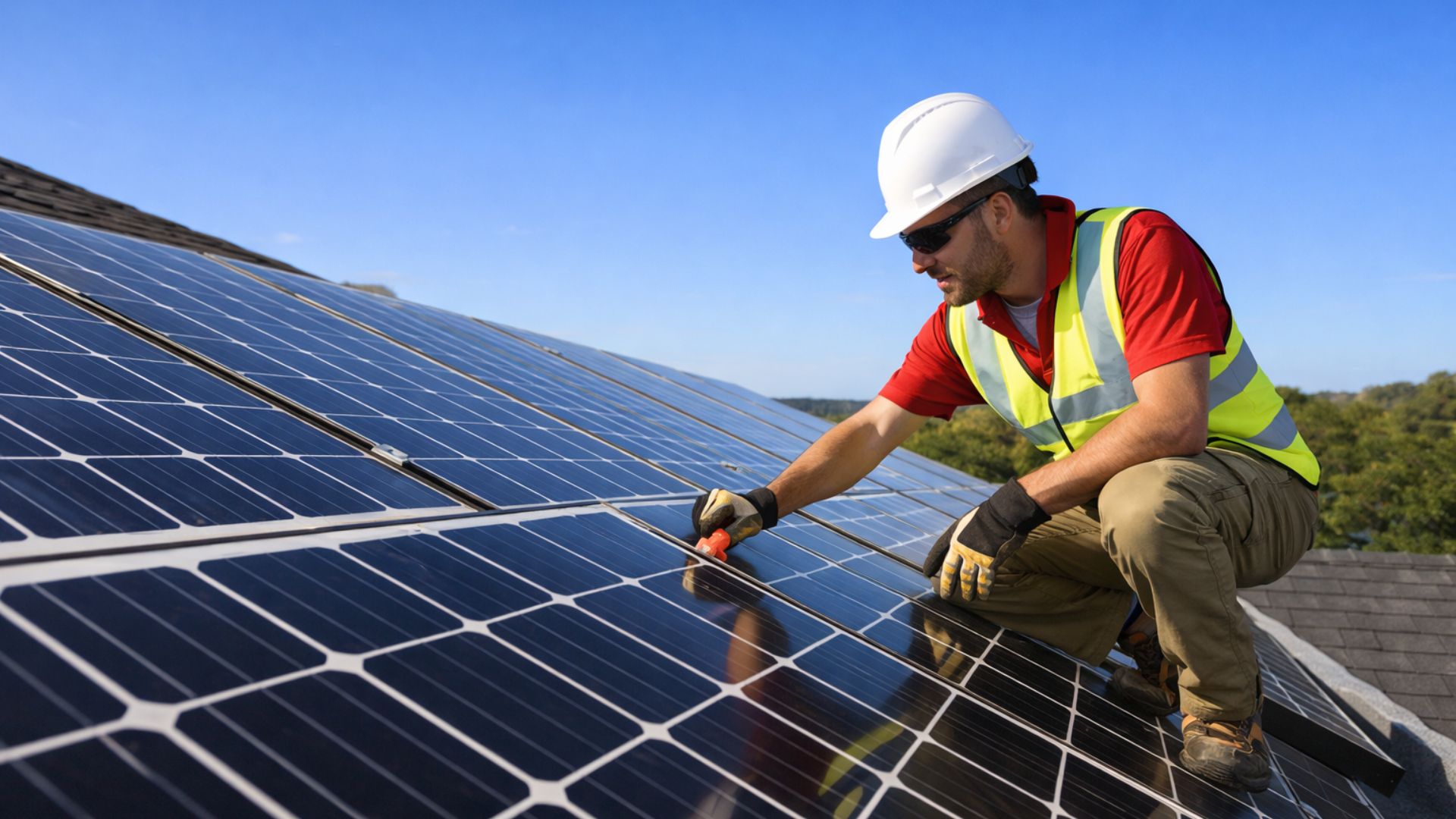
Seagri’s headquarters invests in solar energy with Neoenergia Coelba and promises to cut electricity costs, highlighting a strategic advance in sustainability and energy efficiency within state public administration.
-
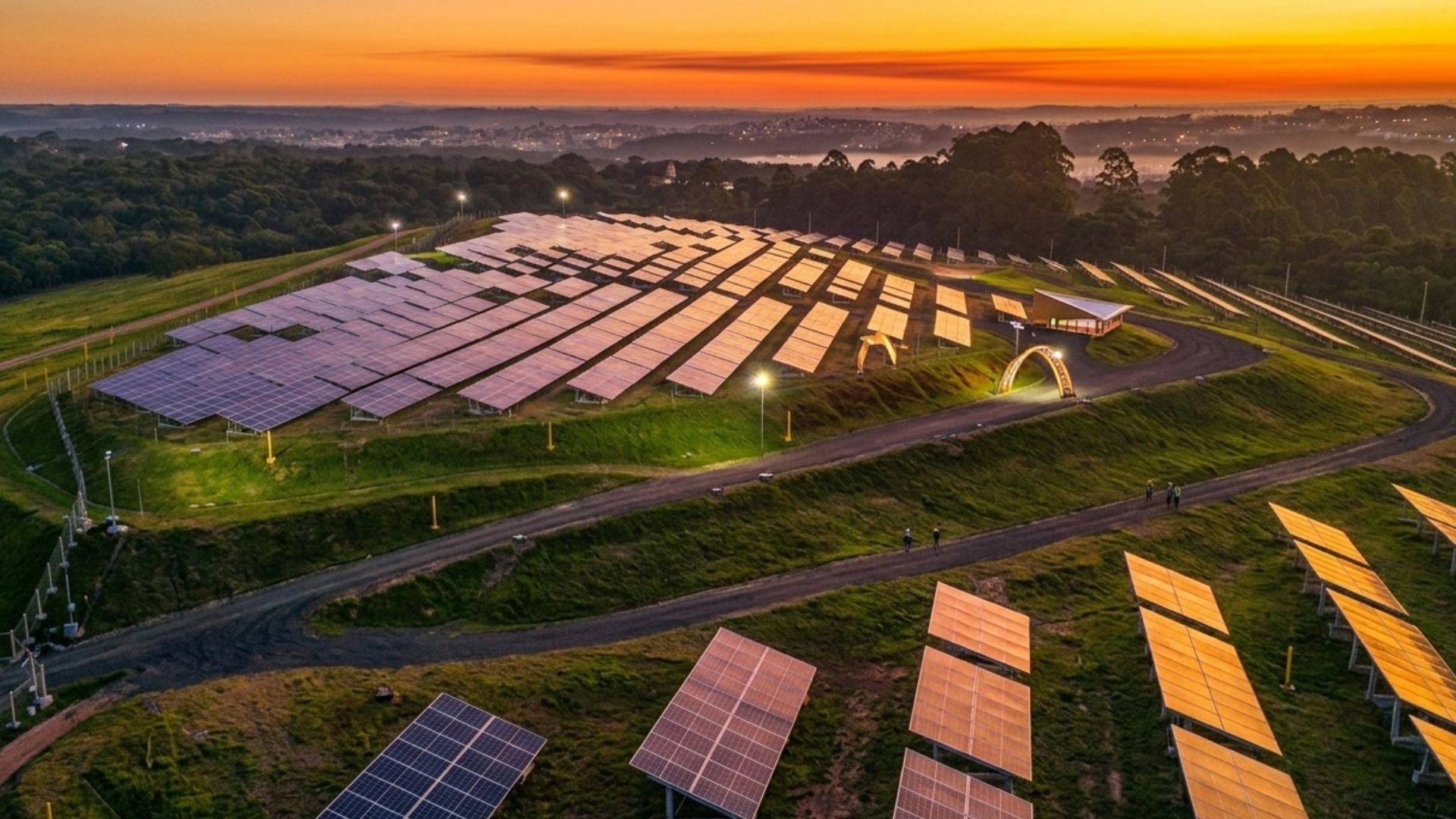
Solar Pyramid draws attention by converting solar energy into million-dollar savings and repositioning the City Hall of Curitiba as an example of innovation, sustainability, and intelligent use of public resources.
-
Europe records strong euro economy with solar energy in March and sparks curiosity about which country leads growth that redefines the energy market and reduces costs.
The course marks the first stage of a broad project aimed at creating a network of community energy agents directly engaged in their own communities.
Five Days of Learning About Solar Energy in the Resex Tapajós-Arapiuns
The in-person phase of the 1st Training of Community Energy Agents took place at the Centro Experimental Floresta Ativa (CEFA), in the Carão community, within the Resex Tapajós-Arapiuns, in Santarém.
It was an intensive five days, concluding a cycle that began in October when the group started remote activities.
There, participants who already work with solar energy began to see technical daily life as a field for study, organization, and rights defense.
The training was created based on demands from the communities themselves, connected by the Conexão Povos da Floresta Network.
The Saúde e Alegria Project (PSA) is a partner of the network in the course, which aligns with the community infrastructure axis and the historical trajectory of the institution in testing and developing renewable energy arrangements for Amazonian territories.
The coordinator of community infrastructure for PSA, Jussara Salgado, emphasizes that the main objective is to democratize access to energy in areas not served by the conventional system.
“The training aims to bring access to energy content to communities that do not have this right, that are not assisted by this right, do not receive access to energy from the grid, and end up resorting to other sources.”
According to her, the course prepares community members to manage their systems, ensuring autonomy and reducing dependence on external technicians. “The purpose of the course is to strengthen the communities so that they can manage on their own and also have autonomy for the maintenance of these systems,” she highlighted.
The proposal also connects to the Regulatory Sandbox of the MME and ANEEL, bringing together technicians, legislators, concessionaires, and traditional communities.
Real Demands Shaped the Solar Energy Course
The researcher from IEMA and advisor to the Network, Vinícius Oliveira da Silva, who acts as a facilitator for the Energy Working Group, explained that the training arose from urgent needs identified in the territories.
“The course to train community energy agents was demanded by the communities that are part of the Conexão Povos da Floresta Network. These communities had many demands regarding how to operate energy systems, security issues, and lack of energy.”
These challenges intensified with the recent arrival of solar systems in many territories, which quickly required maintenance and local technical presence.
The experience of each participant reveals the social impact of solar energy.
Reginalva Godinho, from the community of Anã, Rio Arapiuns
“Being here in the course is a challenge and, at the same time, very important for us women, for us leaders who are working in the territories. (…) The quality of energy within the communities is very important because it is the means for everything, for health, for education. It can save lives through connectivity.”
Ildimar dos Santos, from the quilombola community of Jarauacá, Oriximiná
With a newly arrived system, the community faced maintenance issues.
“Many families have suffered with the problems that occurred in some systems. So, for me, it has been very important to learn how to do the calculations, the load assessment that in the community we did not have an idea of what to use in our system.”
He already sees himself as a local reference: “Well, from this training, it will change a bit my life and the life of my community. I will be able to qualify professionally and help the community members in my territory.”
Marcelo Rodrigues, from the community of Samaúma, region of Tapajós
A farmer and informal electrician, he wants to immediately apply what he learned.
“What caught my attention and what was interesting and that I can take back is the correct use of energy. For me, also in technical terms, it will serve a lot. We work a lot in practice without technical knowledge, and here this is being passed on very well.”
Practical Modules Motivate Participants and Strengthen Technical Networks
The training received support from various partners. Alessandra Mathyas, from WWF Brazil, recalled the importance of CEFA as a regional reference. “There was no other place for us to start this pilot project than here, where some solar electricians have already emerged for the region of Santarém.”
In the technical module, engineer Gustavo Moncayo, from Ion Energia, worked directly on the assembly and sizing of off-grid photovoltaic systems. He highlighted the group’s enthusiasm:
“The more we talked, the more we explained, the more they wanted to learn, to get hands-on; they wanted to understand. I found it very cool, their curiosity, their willingness to learn.”
With the first pilot concluded, the Conexão Povos da Floresta Network, the Saúde e Alegria Project, and partner organizations are already planning next steps for 2026. The expectation is to expand training to new territories and strengthen community agents as central figures in the management of solar energy systems within their own communities.




Seja o primeiro a reagir!