





 Portuguese
  English
  Spanish
  5 min of reading
  0 comments


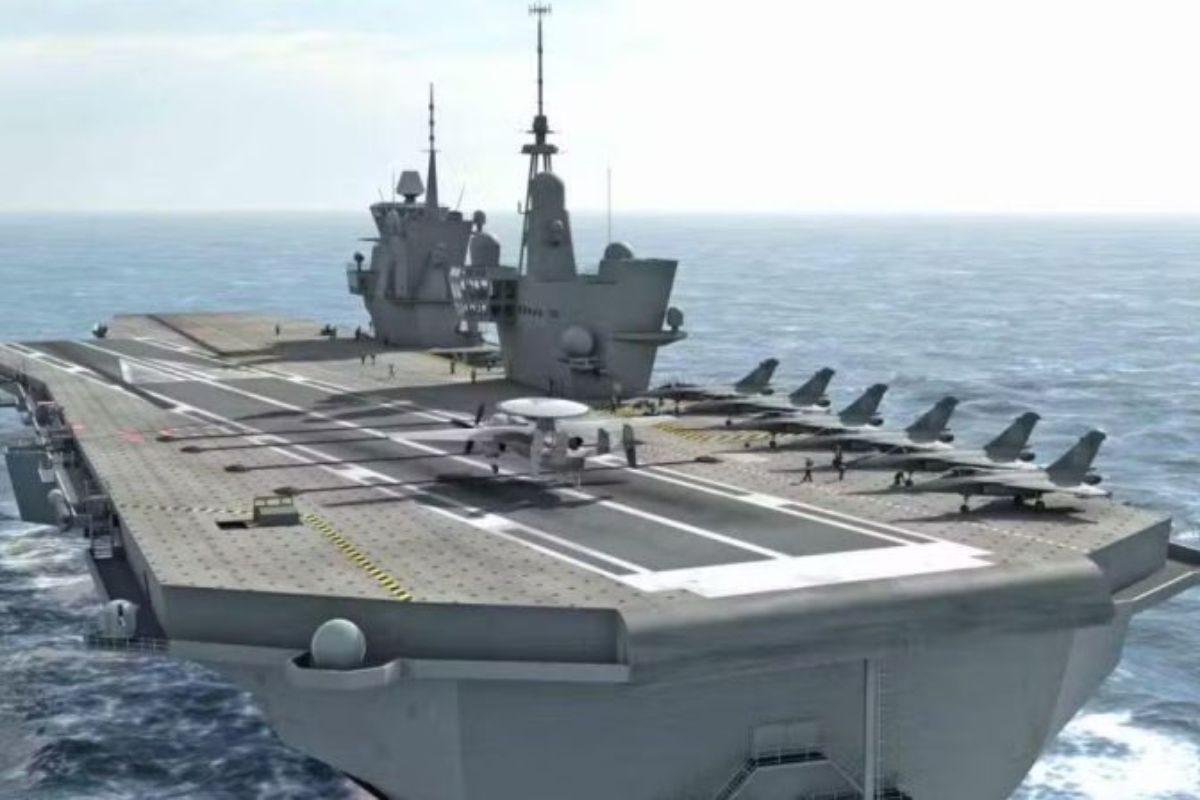
The Aircraft Carrier Charles de Gaulle Was Deployed by France to the Mediterranean Amid Increasing Tensions with Iran, Leading Up to 40 Aircraft, About 2,000 Crew Members, and A Combat Structure That Allows the Ship to Operate as a Floating Air Base Alongside Close Western Allies.
The Aircraft Carrier Charles de Gaulle Has Returned to the Center of International Military Debate Following President Emmanuel Macron’s Decision to Transfer It from the Baltic Sea to the Mediterranean. The Move Repositions France’s Main Military Vessel in A Sensitive Area Marked by Rising Tensions in the Middle East and the Need for Coordination with the United States and Israel.
More Than Just A Simple Warship, The Charles de Gaulle Represents A Power Projection Platform That Brings Together Embarked Aviation, Operational Command, Defense, Surveillance, and The Ability to Remain on Mission for Long Periods. Its Deployment Has Strategic Weight Because It Alters French Military Presence in The Region, Expanding Rapid Response Capability and Reinforcing The Country’s Position Alongside Allies at A Time of Significant Instability.
The French Deployment Puts The Aircraft Carrier Back at The Center of The Crisis

The Decision to Move The Aircraft Carrier to The Mediterranean Has A Significance That Goes Beyond Geography. By Leaving The Baltic Sea and Heading to An Area Directly Linked to The Tensions with Iran, The Ship Joins A Scenario Where Military Presence, Deterrence Capability, and Operational Readiness Become Decisive Elements.
-
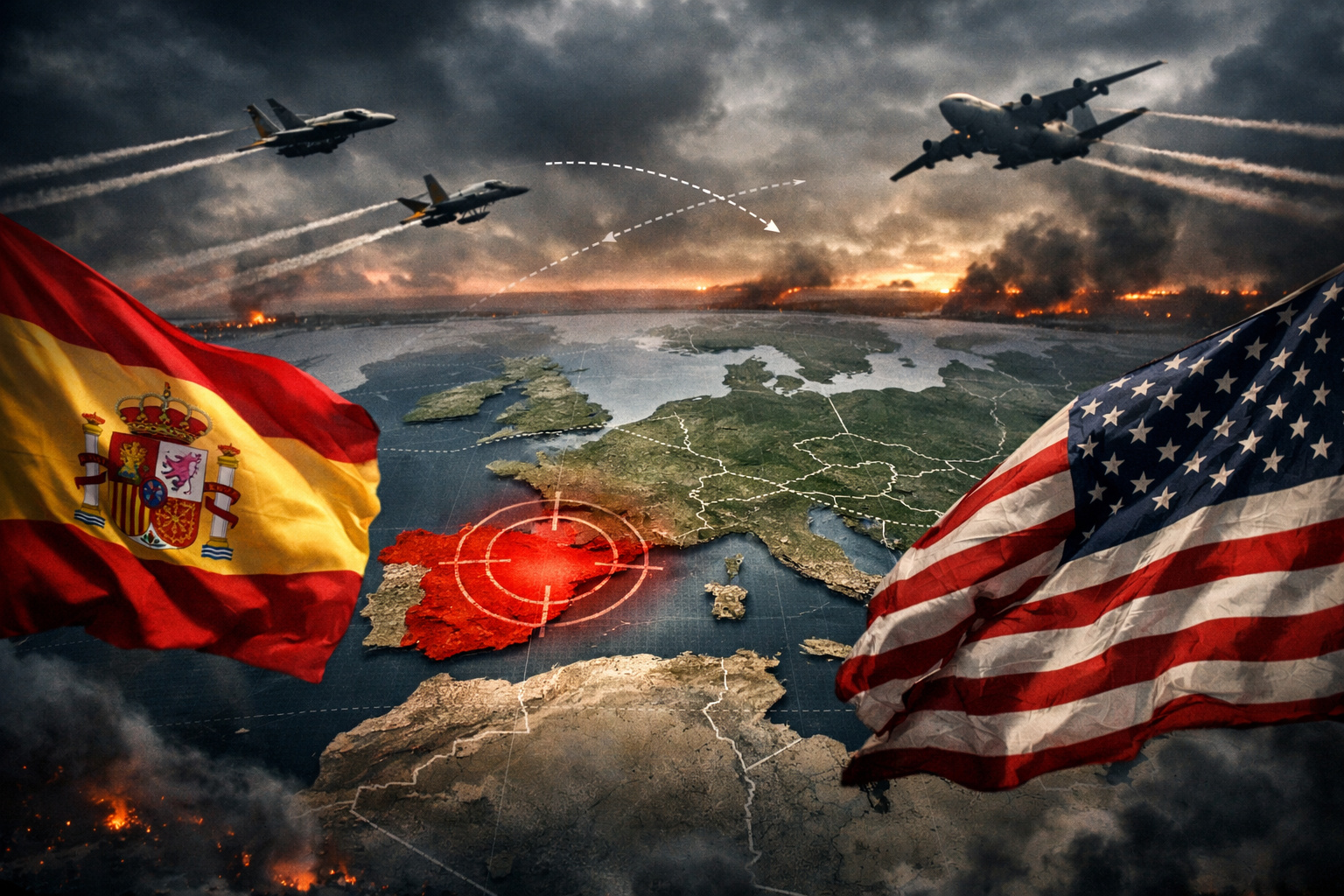
Spain challenges the USA and closes its airspace for operations against Iran, raising global tension and provoking the threat of a trade rupture.
-
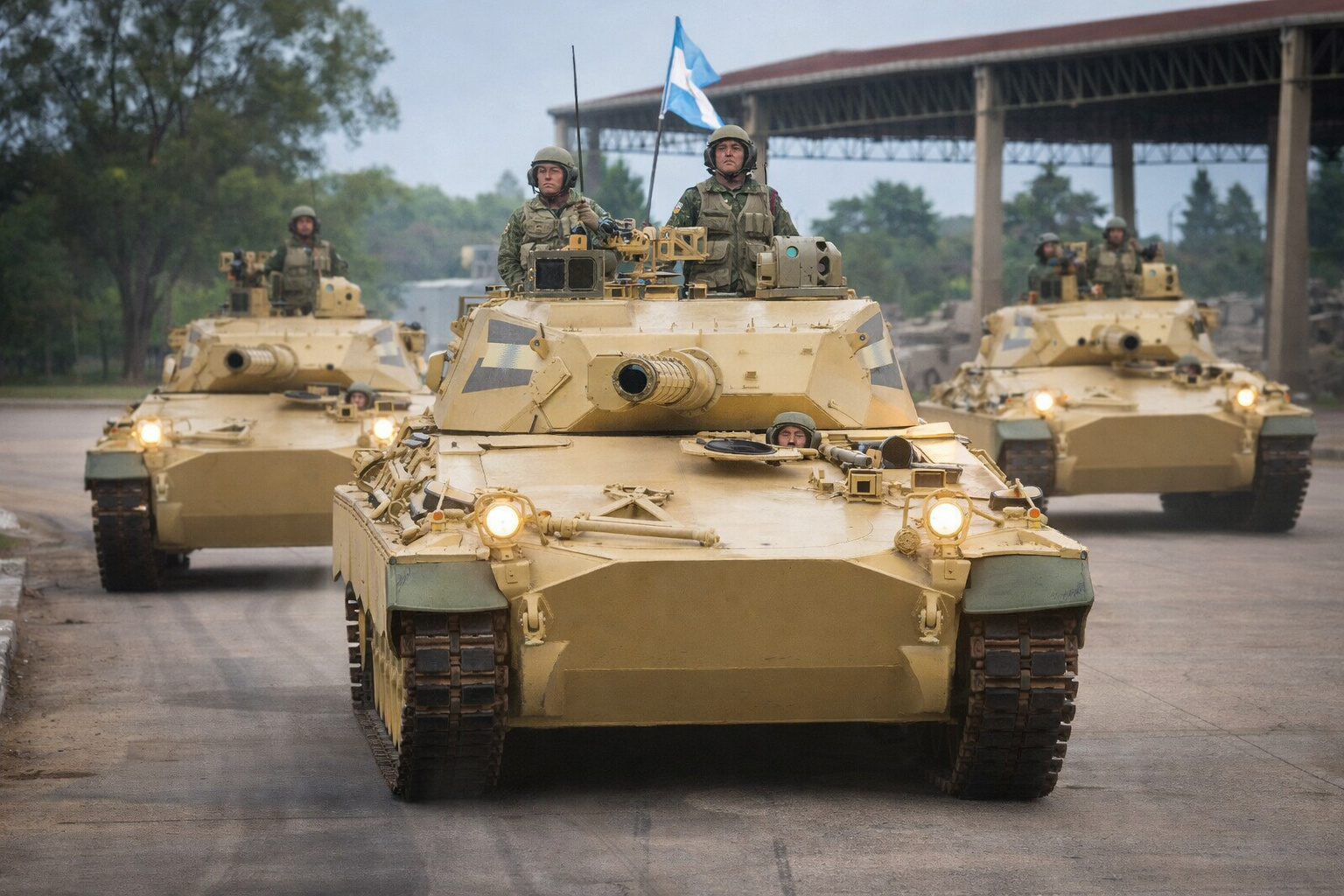
While no other country manufactures tanks in Latin America, Argentina activates the TAM 2C-A2 and raises a curiosity about the technological lag in the region.
-
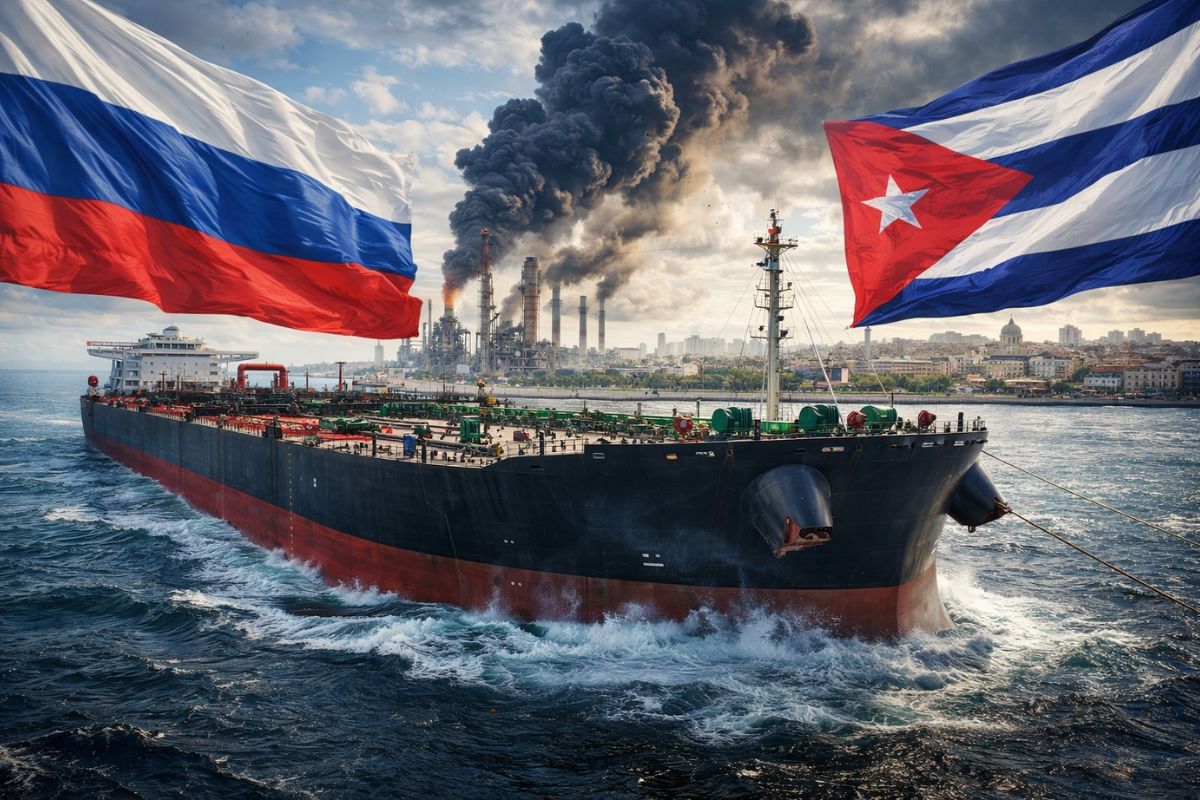
A Russian ship with 730,000 barrels of oil has just arrived in Cuba while Mexico negotiates fuel sales through private companies: the communist island is desperately seeking alternatives after losing its supply from Venezuela due to American military action.
-
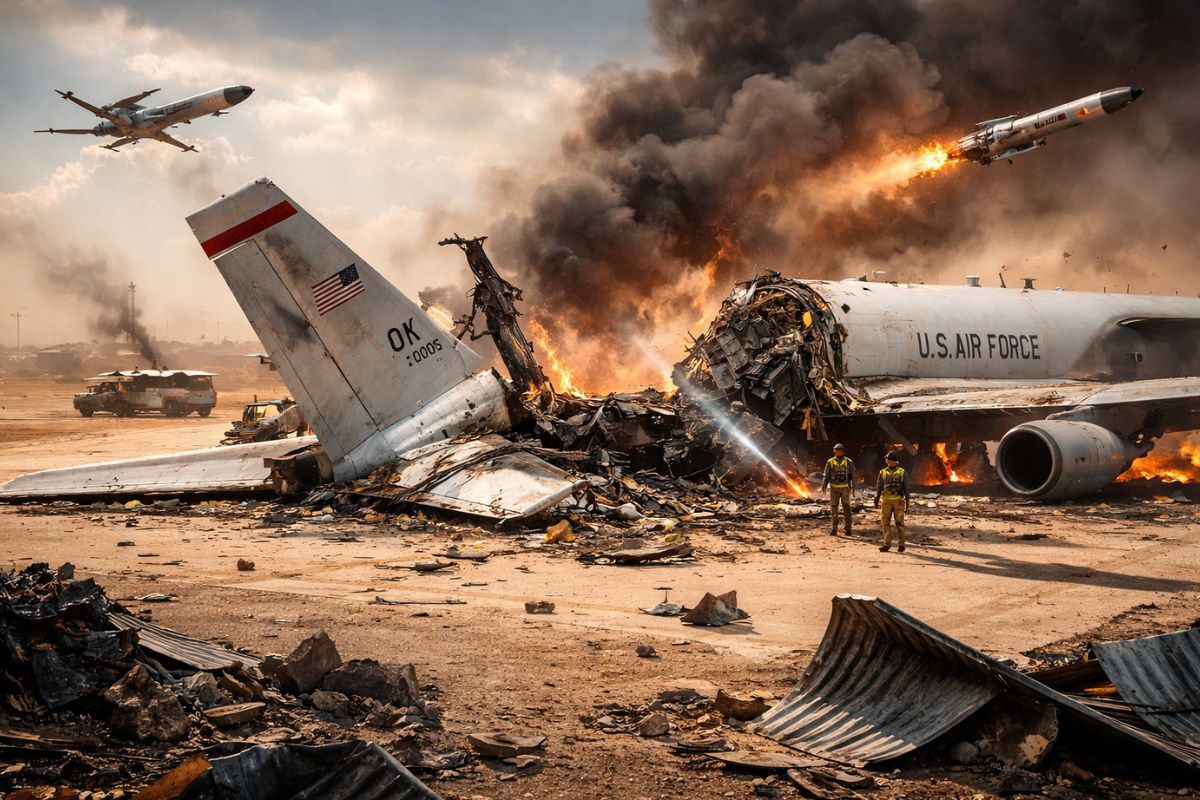
Iranian drones and missiles destroyed a 270 million dollar American spy plane in Saudi Arabia, splitting the E-3 Sentry aircraft in half and injuring 12 military personnel in an attack that exposes the vulnerability of U.S. bases in the Persian Gulf.

France Is Not Just Moving A Ship, But Repositioning A Floating Air Base in One of The Most Sensitive Spaces at The Moment.
This Move Also Helps Explain Why The Charles de Gaulle Is Often Treated As A Symbol of French Military Capability. It Concentrates Technology, Range, and Versatility in A Single Platform, Capable of Operating Far from National Territory and Engaging in Combined Missions with Allied Forces.
In A Context of Growing Pressure in The Middle East, The Deployment of The Aircraft Carrier Serves As A Concrete Demonstration of Support and Strategic Presence.
How The Charles de Gaulle Operates As A Floating Air Base
The Charles de Gaulle Is Described As The Largest Aircraft Carrier in Western Europe and The Only Nuclear-Powered One on The Continent.
With A Displacement of About 42,500 Tons and Approximately 261.5 Meters in Length, The Ship Combines Physical Dimension and Operational Capacity Compatible with High-Intensity Missions.
On Board, It Can Carry Between 30 and 40 Aircraft, In Addition to A Crew of About 2,000 People, Forming A Structure of Great Human and Technical Complexity.
The Embarked Air Group Is One of The Main Elements That Explain Its Importance. The Aircraft Carrier Primarily Transports Naval Fighters Dassault Rafale M, Early Warning Aircraft E-2C Hawkeye, and Support Helicopters, Allowing For A Combination of Attack, Surveillance, Coordination, and Support Within The Same System.
In Practice, This Transforms The Ship Into A Mobile Military Runway, Capable of Launching and Receiving Aircraft in Continuous Operations and Sustaining Missions Far from Traditional Land Bases.
Catapults, Electronic Systems, and Combat Capacity Expand The Range of The Aircraft Carrier
One of The Central Features of The Charles de Gaulle Lies in The Steam Catapults, Which Allow For The Launch of Aircraft with Full Fuel and Armament Loads.
This Technical Detail Is Not Secondary: It Expands The Operational Weight of The Aircraft Carrier, Because It Enables Takeoffs with Greater Action Capacity and Longer Mission Autonomy. The System Also Makes Room For The Use of Aircraft Like The F/A-18E/F Super Hornet and The C-2 Greyhound for Specific Logistics Support Missions.
In Addition to The Embarked Aviation, The Ship Features Radars, Advanced Electronic Systems, Armaments, and A Complex Command and Communication System. This Means The Aircraft Carrier Operates Not Only As A Means of Launching Aircraft but Also As A Military Coordination Center At Sea.
This Combination of Sensors, Command, and Embarked Air Power Gives The Charles de Gaulle A Role Much Greater Than Just Military Transport, Consolidating Its Function As An Operational Hub in Crisis Scenarios.
Nuclear Propulsion Gives Autonomy, But Does Not Eliminate Dependencies
Nuclear Propulsion Is One of The Main Differentiators of The Charles de Gaulle. Thanks to Its Onboard Reactors, The Aircraft Carrier Can Remain Operational for Long Periods Without The Need for Refueling to Power Its Movement.
This Characteristic Significantly Expands The Strategic Autonomy of The Vessel and Allows It To Cover About 1,000 Kilometers Per Day, Maintaining Constant Operational Speed for Extended Periods.
This, However, Does Not Mean Total Independence. Even with The Energy Advantage, The Aircraft Carrier Still Relies on Regular Resupply of Food, Munitions, Spare Parts, and Medical Supplies.
Moreover, The Reactors Themselves Require Specialized Maintenance in Dry Dock, With Cycles That Can Last Months and Are Part of The Vessel’s Operational Planning.
Nuclear Autonomy Increases Presence Capability, But Does Not Eliminate The Need for A Robust and Ongoing Logistics System.
The History of Operations Helps To Explain The Significance of The French Aircraft Carrier
Since Entering Service, The Charles de Gaulle Has Participated in Different International Operations, Helping To Define The Role It Occupies Within French Military Strategy.
The Aircraft Carrier Supported Allied Forces in Afghanistan in 2001 and 2002, Integrated The No-Fly Zone Operation in Libya in 2011, and Took Part in Missions Against The Islamic State in Syria in 2015. This Sequence Shows That The Ship Is Not Just A Technological Showcase but An Instrument Effectively Used In Real Missions.
The Last Major Modernization Took Place in 2017, When The Nuclear Reactor Was Replenished and Support, Communication, and Combat Systems Were Updated. This Is Important Because It Reveals That The Capacity of The Aircraft Carrier Depends on Update Cycles Compatible With Its Strategic Relevance.
A Vessel of This Size Represents Not Only Firepower But Also Technological Continuity, Planned Maintenance, and Preparation To Operate in Varied Scenarios, From Supporting Allies To Projecting Presence in High-Tension Areas.
What The Deployment of The Aircraft Carrier Reveals About French Strategy
The Deployment of The Charles de Gaulle to The Mediterranean Shows That France Is Banking on The Combination of Mobility, Autonomy, and Embarked Air Capacity to Sustain Its International Presence.
Rather Than Relying Exclusively on Land Bases, The Country Uses The Aircraft Carrier As A Platform Capable of Bringing Military Power, Command, and Aviation Close to Critical Areas, Preserving Operational Flexibility and Expanding Its Response Margin.
At The Same Time, This Move Reinforces How The Ship Remains A Central Piece of French Strategy in Times of Crisis.
When An Aircraft Carrier of This Size Changes Position, The Political and Military Weight of French Presence at Sea Also Changes.
In This View, The Use of Large Naval Platforms Is Still The Most Efficient Way To Project Power in Conflicts and Regional Tensions, or Is This Model Starting To Face New Limits in The Face of Contemporary Warfare?








Seja o primeiro a reagir!