





 Portuguese
  English
  Spanish
  3 min of reading
  0 comments


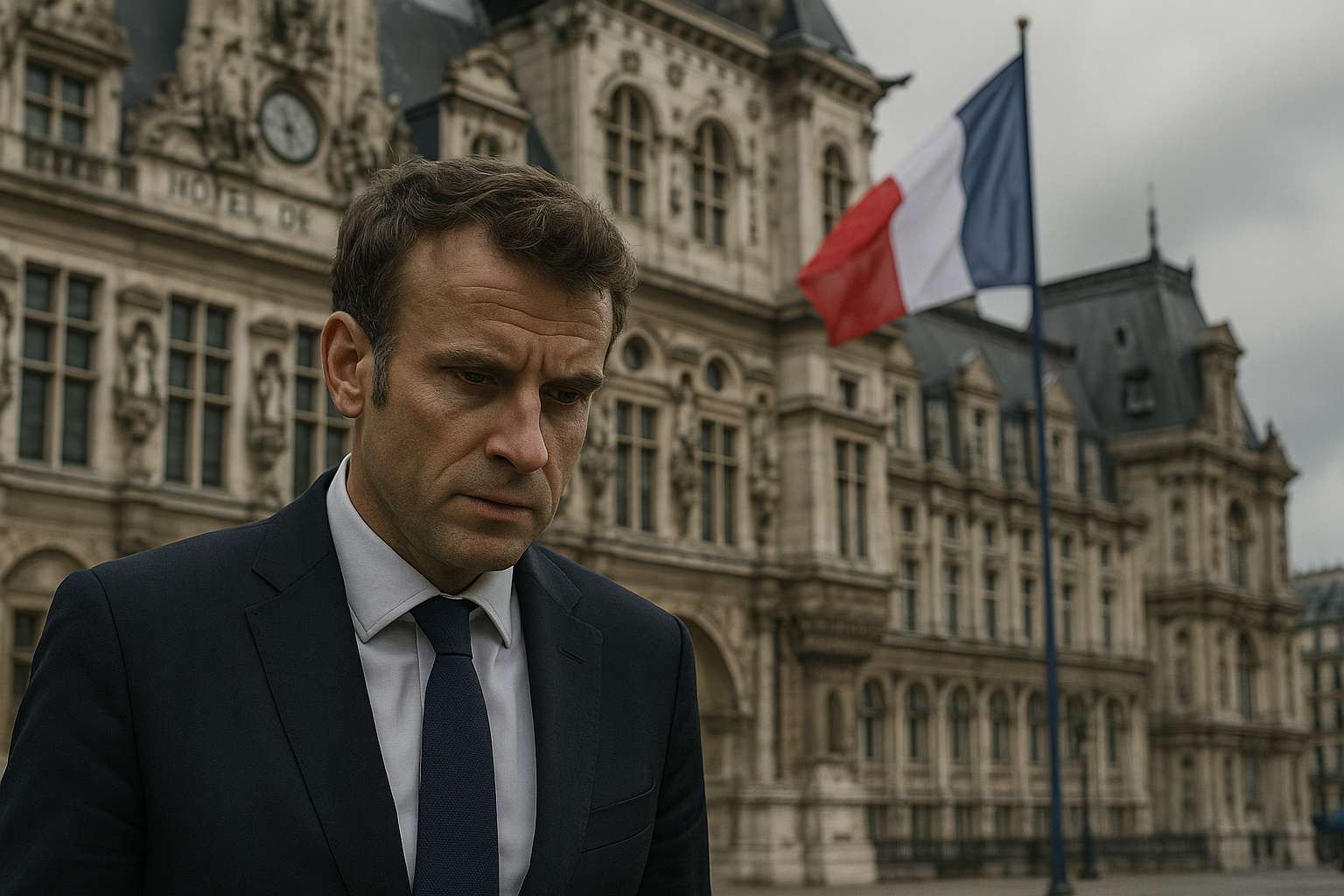
France Sees Wave of Protests Against Budget Cuts and Appointment of New Prime Minister. Mobilization Gathered Thousands and Left More Than 50 Detained in Paris.
Protests Against Cuts and New Prime Minister Shake France
France woke up in a tense atmosphere this Wednesday (10), when thousands of protesters took to the streets to protest against the budget cuts planned for 2026 and the appointment of the new Prime Minister Sébastien Lecornu.
The mobilization, which gained traction on social media under the slogan “Let’s Block Everything,” resulted in more than 50 arrests just in the Paris area.
The protests began early in the morning, with young people trying to block bus garages and sections of the ring road that encircles the capital.
-
Iran authorizes the passage of ships with essential goods in the Strait of Hormuz, requires coordination and protocols; UN postpones resolution to reopen the oil route, while China, France, and Russia reject the use of force.
-
The Ukraine war exposes the strength of the M113 armored vehicle amid modern warfare with military drones.

-
Maritime geopolitics: China and the USA compete for strategic ports in Peru.
-
Iran shoots down two US aircraft: F-15 fighter crashes in mountainous area, one crew member is rescued and another is still missing; second crash in the Persian Gulf exposes still active air defense, says US intelligence.

However, the heavy police presence, almost 6,000 officers just in Paris, quickly dispersed the groups, although new focal points of mobilization have emerged in other French cities.
What Motivated the Protests in France
Therefore, the spark of the mobilization occurred with the fall of then-Prime Minister François Bayrou, announced last Monday (8), shortly after the presentation of a controversial budget proposal. The plan called for cuts of €44 billion, the elimination of two national holidays, and drastic adjustments to public services.
The next day, President Emmanuel Macron announced the appointment of Sébastien Lecornu, former Minister of Defense, as the new head of government. The official transition with Bayrou was scheduled for this Wednesday, amid a strong environment of public pressure.
Mobilization Across the Country
In addition to Paris, several French cities recorded blockades and attempts to shut down services. In Bordeaux, security forces intervened quickly to unblock the tram garage. In the Poitiers region, protesters attempted to close the A10 highway.
The Ministry of the Interior mobilized nearly 80,000 police officers and gendarmes across the territory to prevent the escalation of violence. Minister Bruno Retailleau emphasized that he had given clear orders not to tolerate vandalism, blockades, or occupations of essential infrastructure.
Fear of a Repeat of the “Yellow Vests”
The French government fears that the current wave of protests may evolve into a long-term movement, similar to the “Yellow Vests,” which paralyzed the country between 2018 and 2019 and posed a significant challenge to Macron’s first term.
With public discontent growing and strategic sectors being affected, unions have already called for a national strike on September 18. Thus, the expectation is that the mobilization will gather even more workers from public companies, universities, and transportation services.
Geopolitics and Internal Impacts
The French political crisis occurs at a delicate moment for European geopolitics. Domestically, Macron faces popular resistance against austerity measures.
As a result, externally, there is pressure to maintain stability amid global economic challenges.
Thus, Macron appointed Lecornu to bring firmness to the government, but the new prime minister has already started his term amid the turmoil of the streets.
Therefore, the extent of the mobilization is still uncertain, but experts warn that the strain may compromise governability in the coming months.









Seja o primeiro a reagir!