






 Portuguese
 Spanish


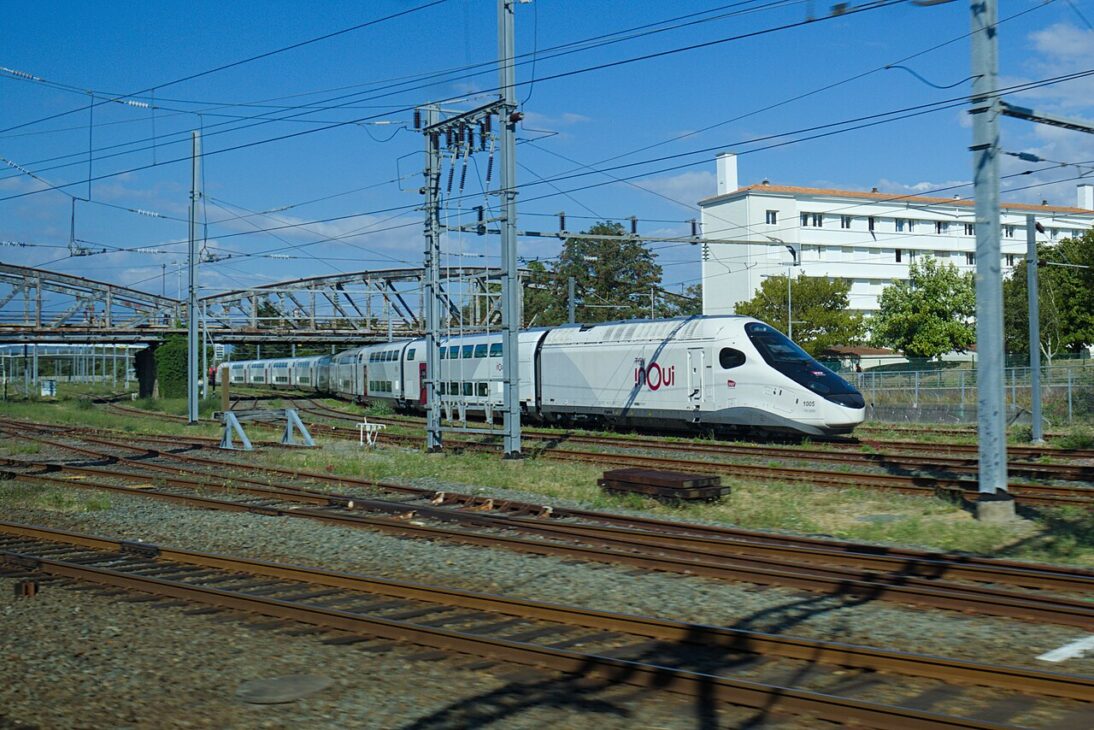

France’s new TGV debuts between Paris and Marseille with nine passenger cars and 17% more space in the same 200 meters. The train has modular interiors, reaches speeds of up to 320 km/h, and can be configured to carry up to 740 people.
A 200-meter-long French high-speed train has just gained an entire passenger car without increasing the total length of the trainset. SNCF and Alstom found a way to do this for the new TGV by rearranging the space taken up by the traction equipment and the cars themselves, making better use of the train’s length.
The first train in the new generation made its inaugural trip between Paris and Marseille on November 6, 2026. According to SNCF Voyageurs, the nine-car configuration offers 17% more space than current TGV Duplex trains. The company has also developed interiors that allow a first-class car to be converted to second class, or the reverse, in a single day in the workshop.
The debut comes 45 years after the first French TGV began operating. The new model remains focused on high-speed travel, but its main advance is the number of passengers it can carry and how efficiently it uses every meter of the train.
-
Imported goods reach São Paulo in as little as seven days: Amazon cuts international delivery times by about 40% since 2024 and now offers 55 million products in Brazil

-
Dinner Comes Down on a Cable: Uber Eats Launches U.S. Drone Deliveries That Fly at Up to 113 km/h and Hover About 100 Meters Above the Ground While Lowering Meals to Customers
-
Pedestrians Bent and Broke Delivery Robots’ Masts in the U.S., Prompting Redesign After 1 Million Deliveries

-
A 4,000-ton, 130-meter bridge travels intact on wheels for 230 meters in Belgium, then is installed over a highway in one night without median piers


Engineers reclaimed space at both ends to fit an additional passenger car
On a high-speed train, the available length must be divided between passenger areas and the equipment that moves the train. For the Avelia Horizon family, which gave rise to the new TGV, Alstom redesigned the two power cars at either end of the trainset.
As explained in a Clubic report published on the day of the debut, each power car was shortened by about four meters, while the passenger cars were shortened by approximately one meter. Together, those changes made room for the ninth car.
The total length of 200 meters is particularly important for rail operations: increasing capacity without lengthening the train makes it possible to use existing platforms. Infrastructure that previously served a certain number of passengers can accommodate a trainset with greater capacity, subject to the station’s and line’s other operating limits.

Debut version has 573 seats, but another configuration can carry up to 740
The design allows for trainsets with seven, eight or nine passenger cars, depending on the operator’s needs. Capacity also varies with the seating layout, the share of first- and second-class seats, and the space set aside for services and luggage.
The INOUI version presented on the inaugural trip has 573 seats, according to a report by L’Écho touristique. The highest-capacity configuration, intended for the low-cost OUIGO service, can accommodate 740 passengers per trainset. Those figures refer to different versions with different interior layouts.
Alstom says the seat count can increase by as much as 20% compared with the previous generation. Double-decker cars help accommodate passengers without making the train wider.
Another new feature is that the rail operator can change a car’s interior in a workshop, rather than relying exclusively on the configuration selected during manufacturing. This gives the operator flexibility to adapt the fleet to demand on different routes over its service life.
Two-level restaurant, more legroom and wheelchair-accessible boarding
Passengers on the new TGV INOUI will find a redesigned bar car. The lower level houses the purchase and self-service area, while the upper level has a lounge with 28 seats. Passengers can take a break from their seats during the trip.
The SNCF sales portal lists up to five additional centimeters of legroom in second class, individual power outlets, adjustable headrests, eight spaces for full-size bicycles, and 20% more luggage storage space.
Accessibility has also been improved. An integrated platform lift and a device that brings the train entrance closer to platform level are designed to make boarding easier for passengers who use wheelchairs. The operator says there is a dedicated area with five spaces on the lower level.
The train promises to use less electricity, even at 320 km/h
Reducing energy use starts with changes to the train’s exterior. The elongated nose and the materials used for the body were designed to reduce air resistance, a particularly significant challenge at high speeds.
During deceleration, the electric motors can also act as generators and feed electricity back into the overhead power line. Alstom estimates that the train will use 20% less energy than the previous generation, and 32% less energy per passenger-kilometer when the trainset operates at full capacity.
To limit service disruptions, the SNCF Group details an emergency battery system that can keep essential equipment running and move the train at reduced speed if the main power supply fails. Electronic monitoring also tracks components during operation, helping identify maintenance needs before some failures occur.
Nearly one million kilometers of testing before the first passengers board
Development took years, with power cars built in Belfort and passenger cars assembled in La Rochelle. The first order, placed in 2018, covered 115 trainsets under a contract worth 3.5 billion euros.
In May 2026, SNCF announced that the European Union Agency for Railways had granted authorization, after more than 1,000 technical documents were submitted. The tests covered nearly one million kilometers, and final adjustments continued even after regulatory approval.

The launch date was postponed repeatedly after the initial plan to introduce the train for the Paris Olympics in 2024, as reported by Made in Marseille in its coverage of the debut. Regular commercial service began on November 9, with a gradual rollout on routes connecting Paris with Marseille and Nice.
The new train was not designed to break France’s rail speed record. Its goal is to carry more people within the available space, use less energy and offer better travel conditions. Would high-speed trains with this capacity be welcome between major Brazilian cities? Share your thoughts in the comments.


