





 Portuguese
  English
  Spanish
  3 min of reading
  0 comments


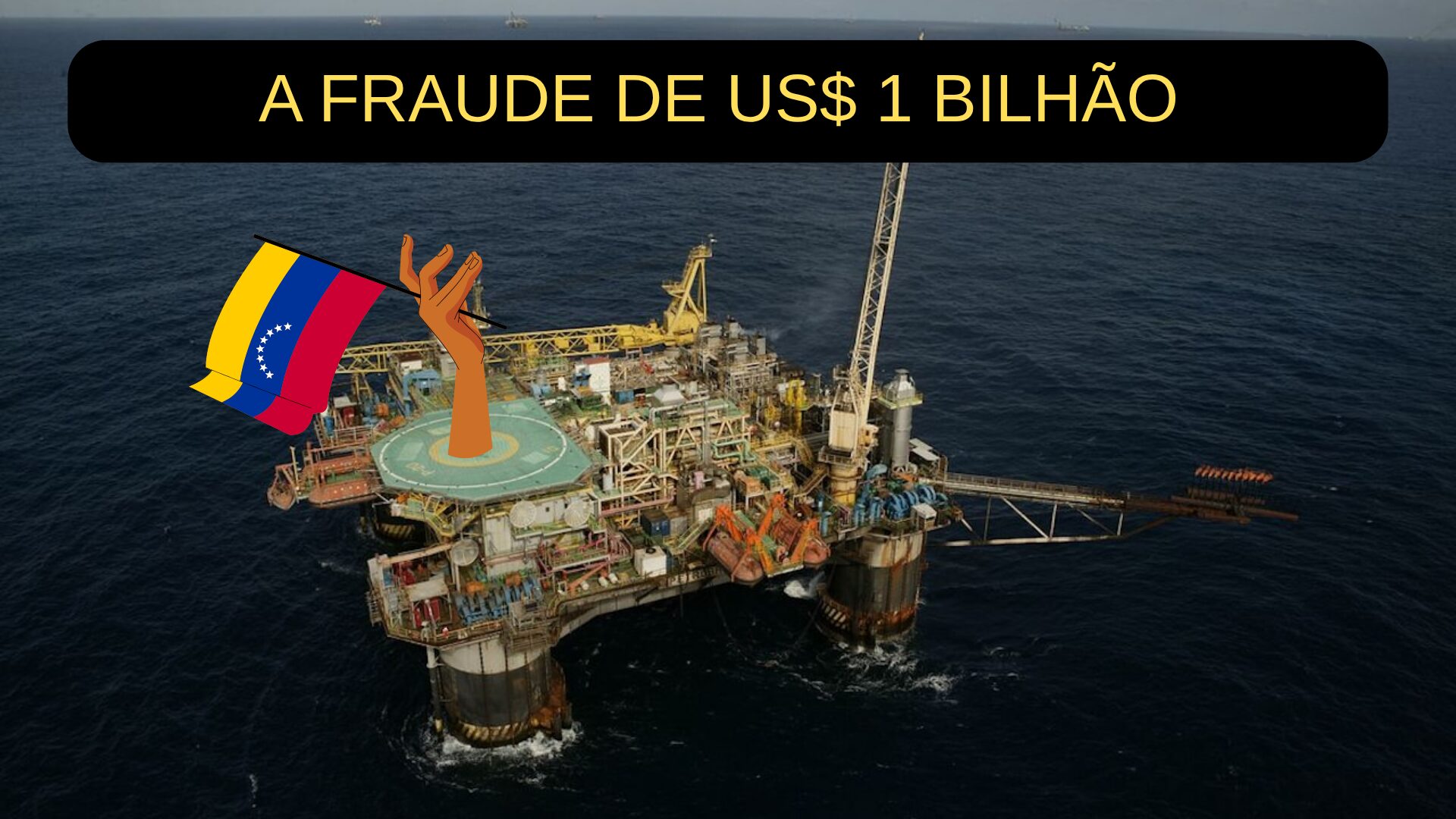
Manipulations in the Origin of Venezuelan Oil Exports May Have Generated Over US$ 1 Billion in Fraudulent Sales
The Venezuela may be involved in a billion-dollar fraud, manipulating the origin of its oil exports to bypass international sanctions and trade barriers.
According to the Reuters agency, companies have adopted irregular practices, such as spoofing, which involves altering location signals and transferring oil from one ship to another.
This maneuver allows oil destined for China to bypass barriers in Malaysia, avoiding inspection. Have you ever imagined how far some countries can go to circumvent the rules?
-
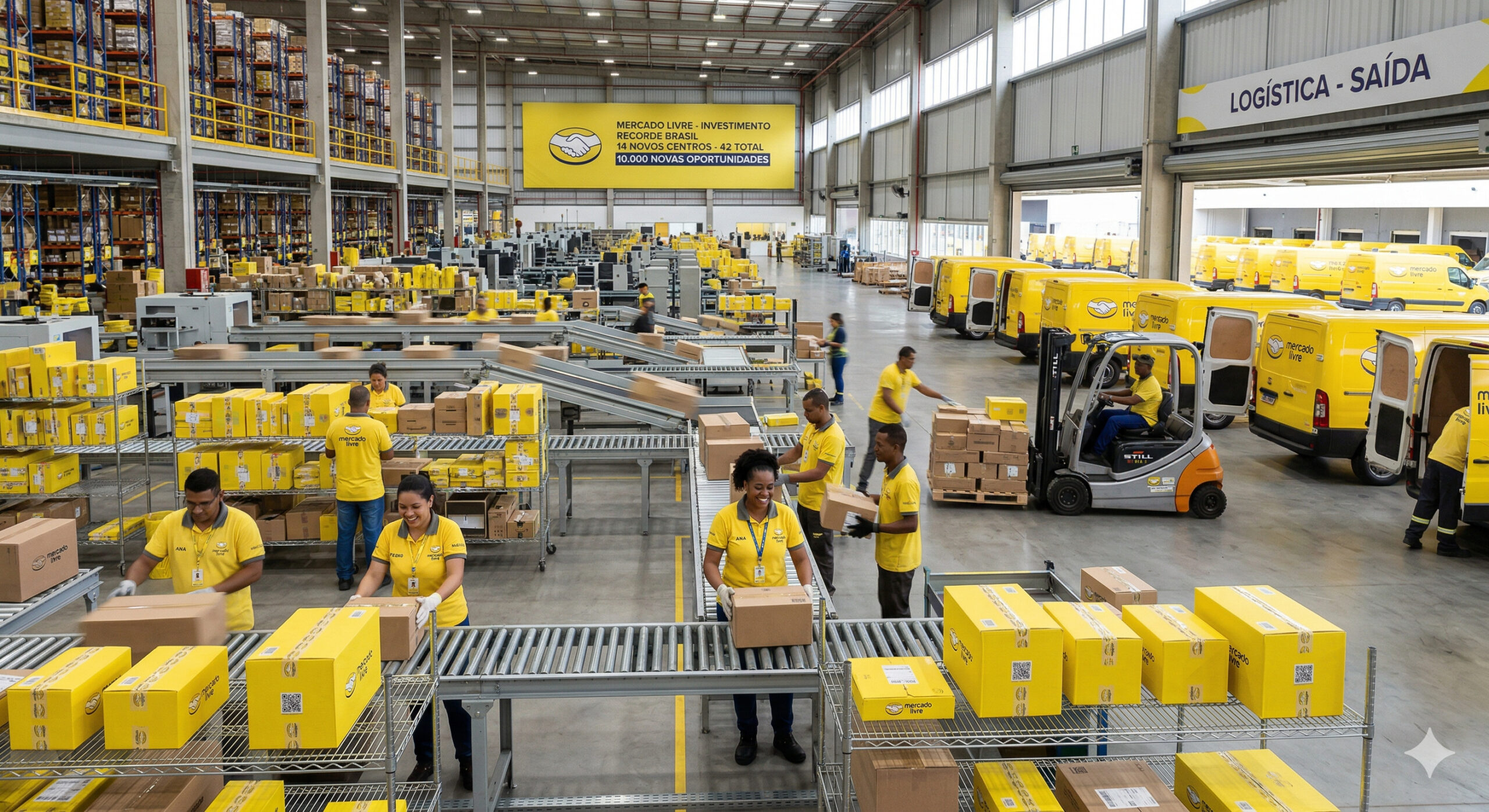
Mercado Livre “opens the vault” and announces a record investment of R$ 57 billion in Brazil in 2026, a value 50% higher than the previous year, with an expansion plan that includes 14 new logistics centers, totaling 42 units in the country and hiring an additional 10,000 employees.
-
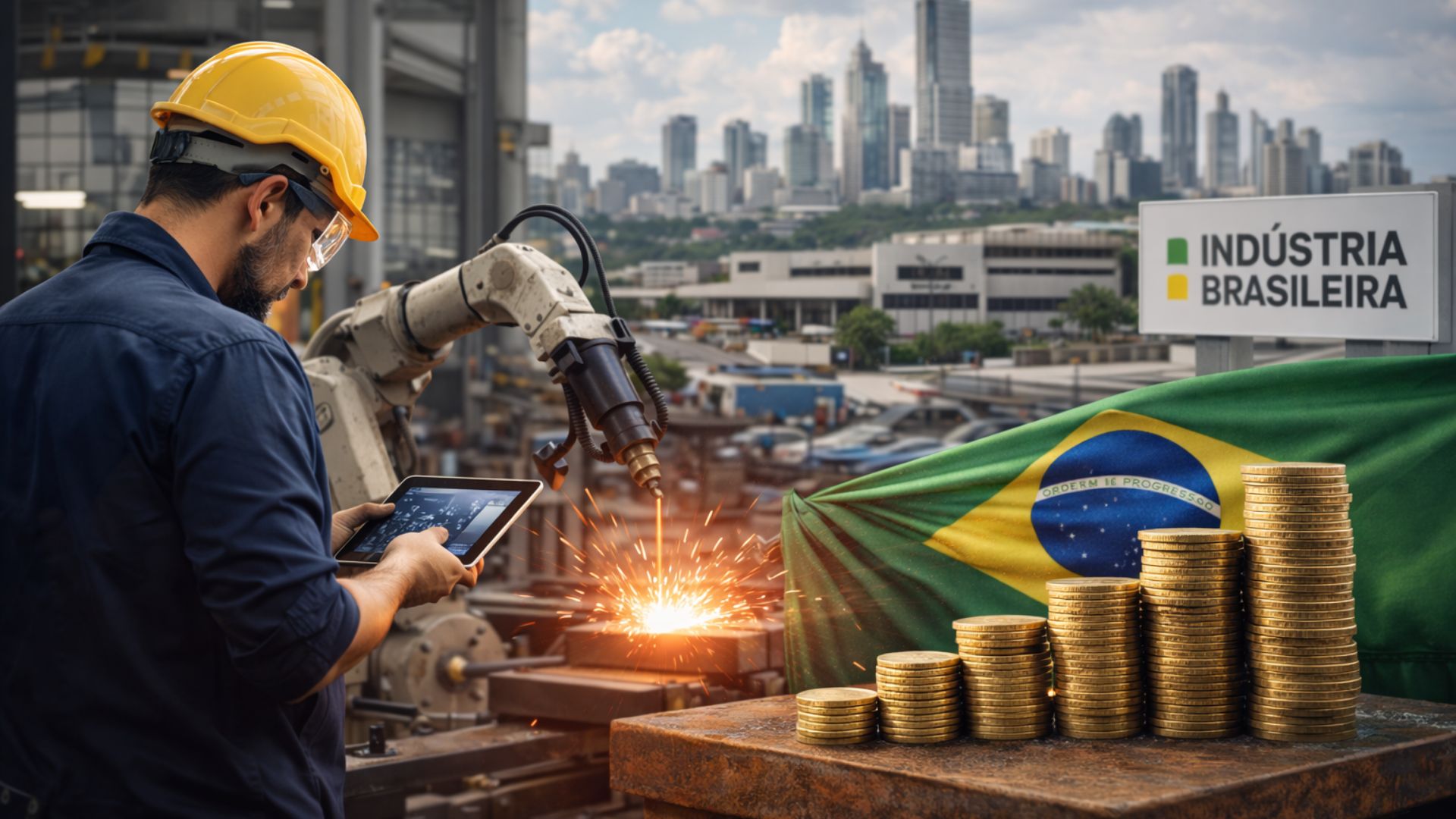
How investment in technology can revolutionize the national economy and enhance industrial gains, according to a study that highlights the direct impact on productivity, innovation, and wealth retention within Brazil.
-
The rise in oil prices could ensure an extra revenue of R$ 100 billion for the Federal Government, indicates a recent economic study.

-
Naturgy begins an investment of R$ 1.6 million to expand the gas network in Niterói and benefit thousands of new residences and businesses.


The Scheme Behind the Fraud
According to disclosed information, at least US$ 1 billion in shipments of Venezuelan oil have been rebranded, using Brazil as the country of origin.
This scheme not only reduces costs and transport time but also offers access to more favorable banking financing conditions.
Did you know that by rebranding the oil, companies can escape sanctions and still make more profit?
It’s impressive how the market adapts, isn’t it?
Oil traders are altering the locations of tankers to make it seem like they are departing from Brazilian ports.
Maritime data, satellite images, and coastal photographs confirm that the ships are indeed leaving from Venezuela.
To facilitate this change, resellers alter the shipping documentation, creating a new certificate of origin that falsifies Brazilian provenance, without the ships ever approaching Brazil or conducting transfer operations between vessels.
Motivations Behind the Manipulation
But why is Venezuela selling its oil as if it were from Brazil?
The answer lies in the severe sanctions imposed by the United States, which have directly impacted the country’s international trade.
Since 2019, the U.S. government has enforced stringent sanctions on the oil and gas sector of Venezuela, which is the country’s main source of revenue under the government of Nicolas Maduro, accused of manipulating fraudulent elections.
Independent refineries in China have become the main buyers of oil shipments from countries sanctioned by the United States.
Malaysia has been a significant transshipment point for Venezuelan and Iranian oil, but the new strategy of rebranding Venezuelan oil as Brazilian allows ships to sail directly to China, shortening the journey by four days and avoiding the stop in Malaysia.
Implications and Repercussions for Brazil
This fraud scheme not only harms the integrity of international trade but also raises serious questions about Brazil’s responsibility in allowing its name to be associated with illegal practices.
Should Brazil be stricter in monitoring its exports? It’s a topic that deserves discussion.
This type of manipulation can have significant consequences, not only for Venezuela but also for Brazil’s reputation on the international stage.
The country’s image could be compromised if fraudulent practices continue to be associated with it.
Additionally, investor confidence may be affected, resulting in long-term economic impacts.
Are you concerned about Brazil’s image abroad?
What Can Be Done?
Brazilian authorities need to be vigilant and implement effective measures to monitor exports and ensure legality is maintained.
This could include intensifying scrutiny over the loads entering and leaving the country, as well as increasing information exchange with other nations to identify fraudulent practices.
How do you see the government’s actions on this issue?
Do you believe there are viable solutions?
The current situation reveals the complexity of the global oil market and the maneuvers that some countries are willing to undertake to escape international scrutiny.
The practice of rebranding oil can not only bring financial benefits but also create a cycle of distrust in global trade.
Do you believe actions should be taken to protect the integrity of Brazil’s trade?
Share your thoughts and reflections in the comments! We love to hear what you think!
SOURCE: DIÁRIO DO COMÉRCIO







-

Uma pessoa reagiu a isso.