





 Portuguese
  English
  Spanish
  3 min of reading
  0 comments


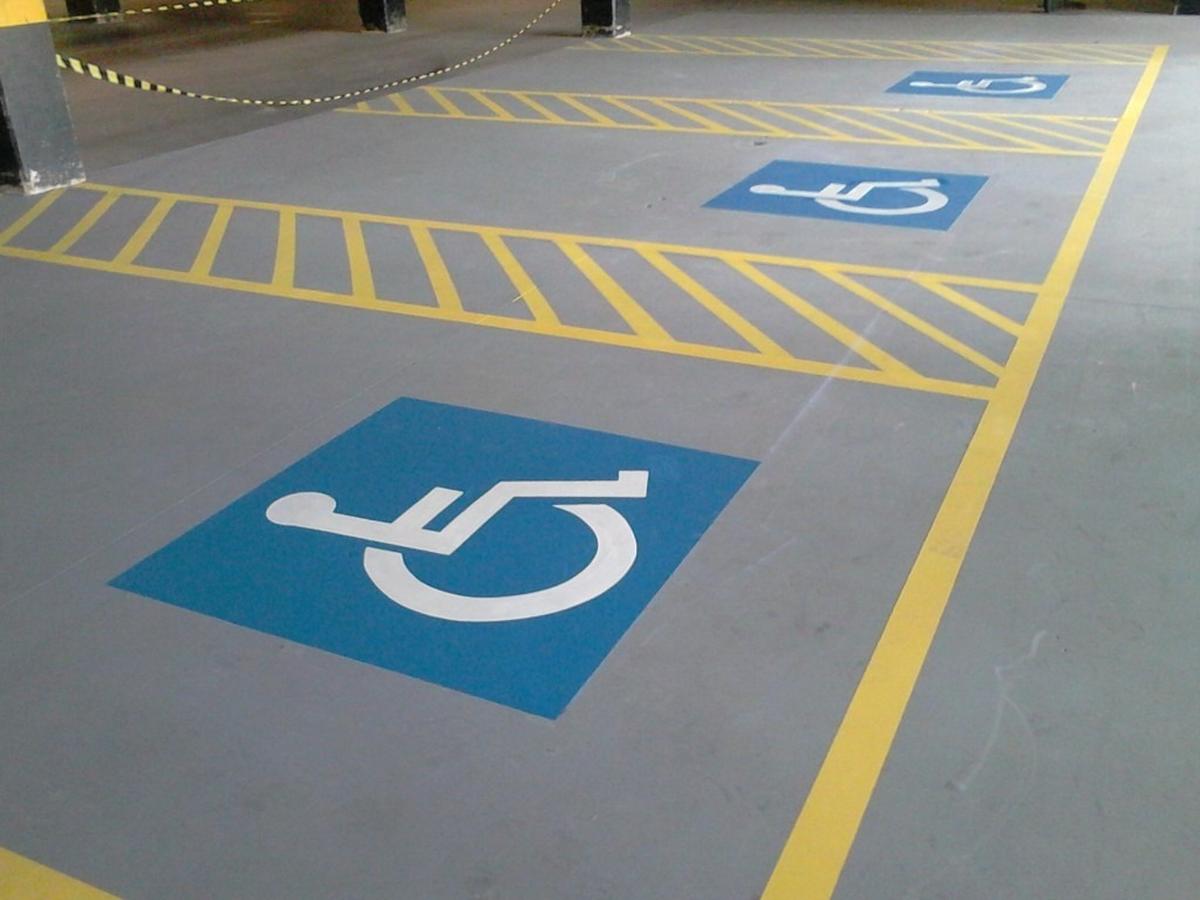
Sector Questions In STF State Regulation That Extends Free Time For People With Disabilities In Private Parking Lots And Reignites The Debate On Legislative Competence And Private Property
Sector questions in STF state regulation that extends free time for people with disabilities in private parking lots and reignites the debate on legislative competence and private property
The State Law No. 18.419/2015 of Paraná, which doubles the free time for people with disabilities in private parking lots and guarantees 30 minutes of exemption when there is no minimum provision, has been questioned by Abrasce in the Supreme Federal Court, in a lawsuit filed in November 2025.
Challenge In STF And Change In The Parking Sector
The Brazilian Shopping Centers Association (Abrasce) brought to the Supreme Federal Court a Direct Action of Unconstitutionality, in November 2025, against the Paraná regulation. The entity argues that the law, created in 2015, interferes with the economic exploitation of private properties and, therefore, invades the area of exclusive competence of the Union to legislate on Civil Law, as reiterated by the Court in previous rulings. Thus, the discussion reaches the core of commercial activities, as shopping center parking lots have come to be treated as services regulated by state regulation, which, according to the association, significantly alters the daily operation of the sector.
State Rules On Extended Free Parking
The law in Paraná establishes that people with disabilities have the right to free parking time equivalent to double that offered to other users. In private properties that do not provide for a minimum free period, the rule stipulates at least 30 minutes of exemption, to facilitate mobility and accessibility. According to Abrasce, these provisions directly impact the internal organization of the enterprises and create obligations not contemplated in federal legislation.
-
The noise law will no longer be in effect at 10 PM starting in June with a new rule valid during the 2026 World Cup.
-
The Chamber opens a debate on driver’s licenses at 16 years old as part of a reform that includes around 270 proposals to change the Brazilian Traffic Code and may redesign rules for licensing, enforcement, and circulation in the country.
-
The new Civil Code could revolutionize marriages in Brazil with “express divorce” and changes that could exclude spouses from inheritance.
-
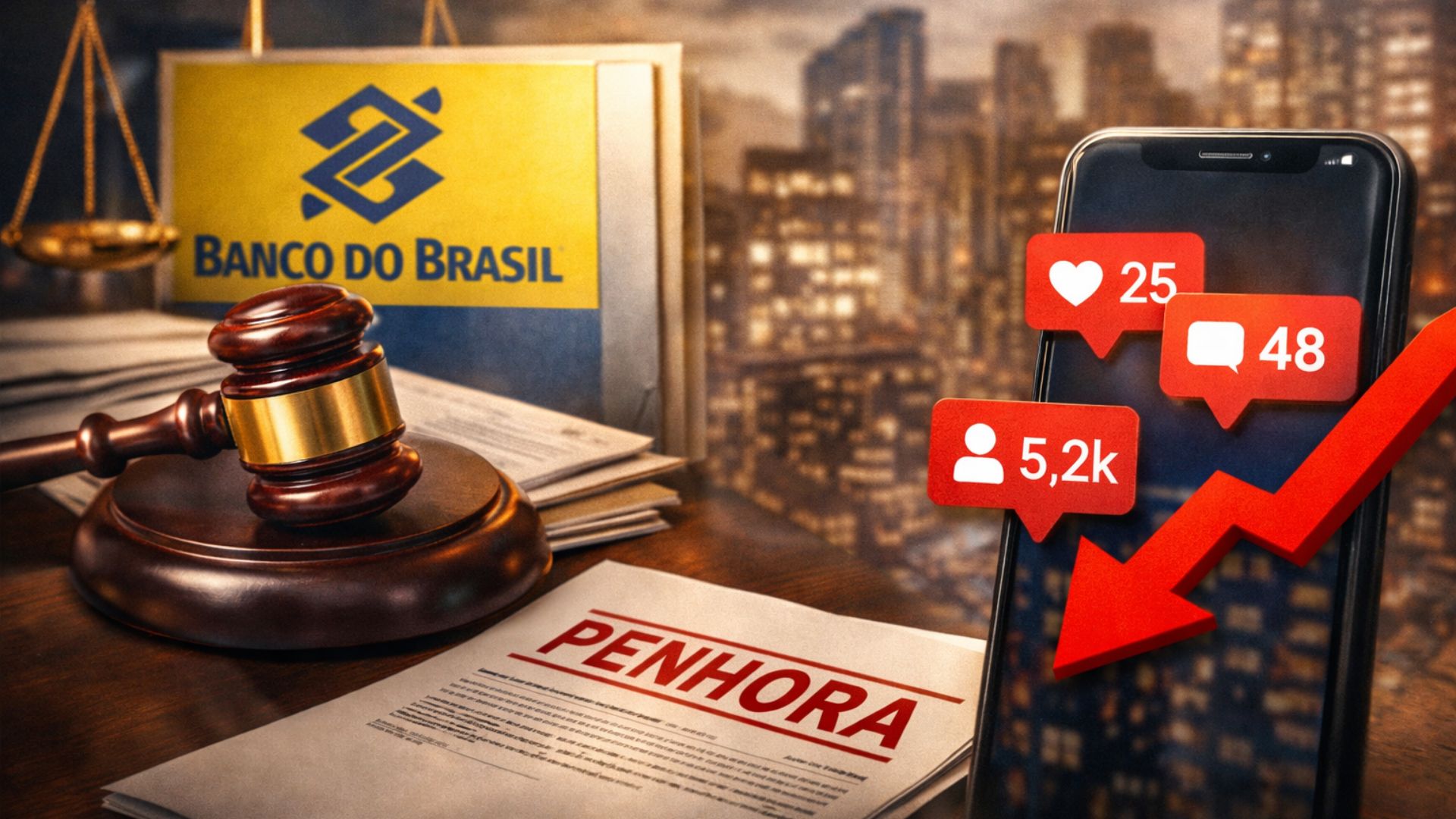
Banco do Brasil sues famous influencer for million-dollar debt and intensifies debate on delinquency, risks of seizure, and direct impact on Gkay’s credibility.

Legislative Competence And Impact On Property Rights
The entity maintains that the state regulation exceeds the limit established by the Constitution, by regulating an activity that is part of Civil Law, an area of exclusive competence of the Union. In addition, it claims that there is a violation of property rights, as the law interferes with the economic exploitation of private areas designated for parking. Abrasce also highlights that the STF, in previous decisions cited by the entity, has already recognized that parking activities in commercial centers integrate the field of civil relations, thus reinforcing the thesis that the State could not legislate on the topic.
Free Initiative, Competition And Business Operation
The association claims that the law compromises free initiative, as it imposes equal parameters on all establishments. Thus, the regulation directly interferes with competition, as it limits the freedom to define free parking policies. Furthermore, the entity argues that the rule creates relevant financial impacts for the sector. Therefore, Abrasce maintains that state legislation standardizes a private activity without constitutional support.
Technical Structure Of The Dispute: Central Points Under Review
- Doubled Free Parking: Free parking time for people with disabilities must be double that offered to other users.
- Minimum Exemption: In the absence of a minimum time provision, the law guarantees 30 minutes of free parking.
- Constitutional Competence: Abrasce claims invasion of the exclusive competence of the Union over Civil Law.
- Private Property: Regulation directly impacts the economic exploitation of parking lots.
- Competition And Free Initiative: The entity asserts that the law creates obligations that destabilize business dynamics.
Legal Debate And Effects On The Shopping Center Sector
Thus, the debate in the STF will determine to what extent state laws can regulate private activities. Additionally, the decision may consolidate understanding regarding accessibility in private establishments. Therefore, the ruling has the potential to guide future state regulations. Thus, the controversy illustrates how rules on free parking can generate relevant constitutional conflicts.






-

-

3 pessoas reagiram a isso.