






 Portuguese
  Spanish
  3 min of reading
  0 comments


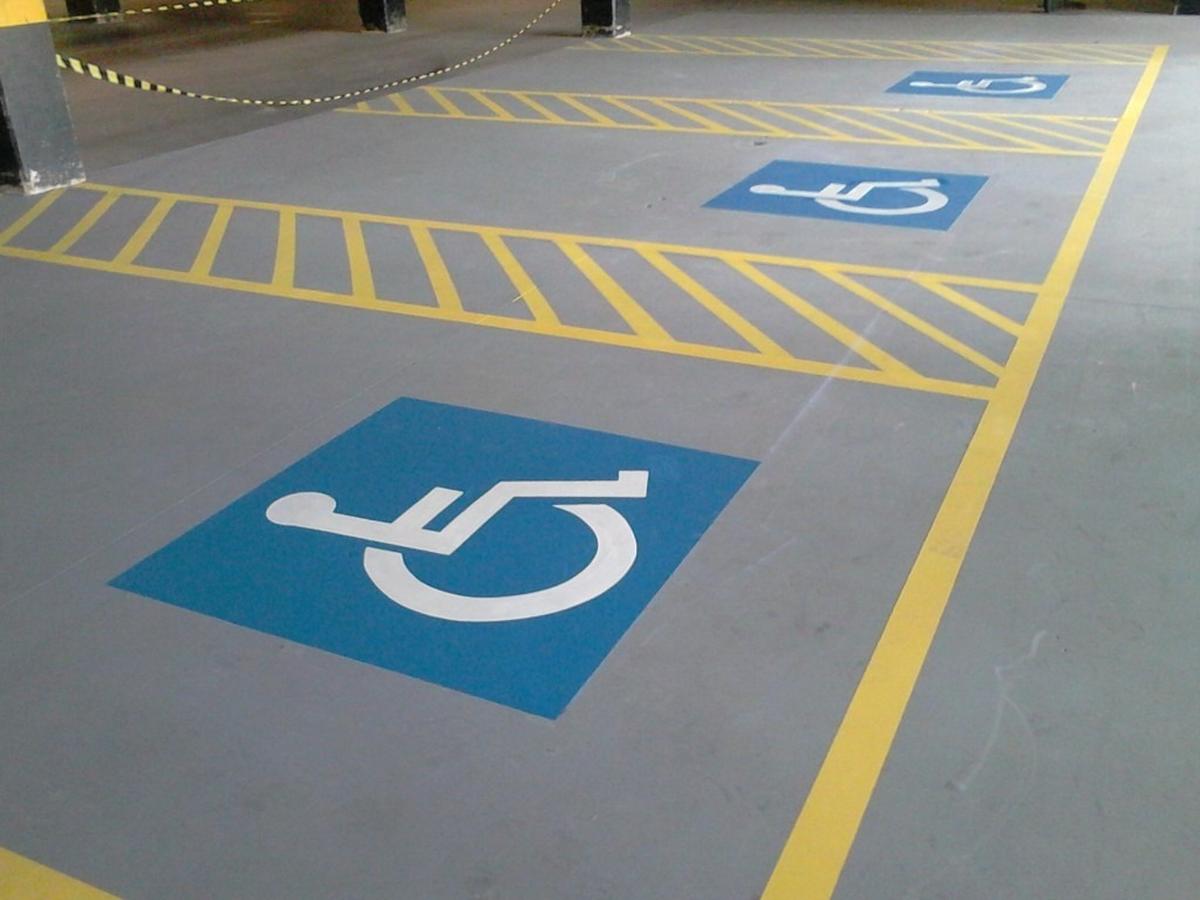
Sector Questions In STF State Regulation That Extends Free Time For People With Disabilities In Private Parking Lots And Reignites The Debate On Legislative Competence And Private Property
Sector questions in STF state regulation that extends free time for people with disabilities in private parking lots and reignites the debate on legislative competence and private property
The State Law No. 18.419/2015 of Paraná, which doubles the free time for people with disabilities in private parking lots and guarantees 30 minutes of exemption when there is no minimum provision, has been questioned by Abrasce in the Supreme Federal Court, in a lawsuit filed in November 2025.
Challenge In STF And Change In The Parking Sector
The Brazilian Shopping Centers Association (Abrasce) brought to the Supreme Federal Court a Direct Action of Unconstitutionality, in November 2025, against the Paraná regulation. The entity argues that the law, created in 2015, interferes with the economic exploitation of private properties and, therefore, invades the area of exclusive competence of the Union to legislate on Civil Law, as reiterated by the Court in previous rulings. Thus, the discussion reaches the core of commercial activities, as shopping center parking lots have come to be treated as services regulated by state regulation, which, according to the association, significantly alters the daily operation of the sector.
State Rules On Extended Free Parking
The law in Paraná establishes that people with disabilities have the right to free parking time equivalent to double that offered to other users. In private properties that do not provide for a minimum free period, the rule stipulates at least 30 minutes of exemption, to facilitate mobility and accessibility. According to Abrasce, these provisions directly impact the internal organization of the enterprises and create obligations not contemplated in federal legislation.
-
Detran RJ starts requiring a toxicological test for those obtaining their first driver’s license in the car and motorcycle category starting June 29; see who will be affected.

-
Florida takes TikTok to court and accuses the Chinese giant ByteDance of ignoring the law that bars minors under 14, while parents and authorities demand more protection for children on social networks.
-
Chamber approves constitutional amendment reducing the age of criminal responsibility from 18 to 16 years; what now?

-
Justice confirms that old debts in tax executions that have been stalled for more than 15 years can no longer be collected through judicial or administrative means.


Legislative Competence And Impact On Property Rights
The entity maintains that the state regulation exceeds the limit established by the Constitution, by regulating an activity that is part of Civil Law, an area of exclusive competence of the Union. In addition, it claims that there is a violation of property rights, as the law interferes with the economic exploitation of private areas designated for parking. Abrasce also highlights that the STF, in previous decisions cited by the entity, has already recognized that parking activities in commercial centers integrate the field of civil relations, thus reinforcing the thesis that the State could not legislate on the topic.
Free Initiative, Competition And Business Operation
The association claims that the law compromises free initiative, as it imposes equal parameters on all establishments. Thus, the regulation directly interferes with competition, as it limits the freedom to define free parking policies. Furthermore, the entity argues that the rule creates relevant financial impacts for the sector. Therefore, Abrasce maintains that state legislation standardizes a private activity without constitutional support.
Technical Structure Of The Dispute: Central Points Under Review
- Doubled Free Parking: Free parking time for people with disabilities must be double that offered to other users.
- Minimum Exemption: In the absence of a minimum time provision, the law guarantees 30 minutes of free parking.
- Constitutional Competence: Abrasce claims invasion of the exclusive competence of the Union over Civil Law.
- Private Property: Regulation directly impacts the economic exploitation of parking lots.
- Competition And Free Initiative: The entity asserts that the law creates obligations that destabilize business dynamics.
Legal Debate And Effects On The Shopping Center Sector
Thus, the debate in the STF will determine to what extent state laws can regulate private activities. Additionally, the decision may consolidate understanding regarding accessibility in private establishments. Therefore, the ruling has the potential to guide future state regulations. Thus, the controversy illustrates how rules on free parking can generate relevant constitutional conflicts.





-

-

3 people reacted to this.