Portuguese
 Spanish



Stellantis will end its factory programs in two world championships by 2027 and redirect engineers and technology resources to new sports cars for brands including Maserati, Alfa Romeo, and Peugeot.
Stellantis, the automaker behind brands including Fiat, Jeep, Peugeot, Citroën, Dodge, and Maserati, has announced a shift in its global motorsports strategy. The group will leave two major international championships to focus resources on developing high-performance vehicles and supplying race cars to customers.
The decision, announced on November 23, 2026, calls for Stellantis to end its factory participation in the World Endurance Championship (WEC) after the 2026 season and in Formula E after the conclusion of its 13th season, in 2027.
According to an official Stellantis statement, the shift is part of the FaSTLAne 2030 strategic plan, which prioritizes renewing the company’s lineup, improving vehicle quality, and expanding the group’s commercial presence.
-
BYD’s new luxury hybrid SUV logs 3,777 registrations in Brazil, challenges BMW X1’s lead, and will be built in Bahia by 2027; meet the Denza B5

-
With 469 hp and up to 828 km of range on a single charge, new BMW iX4 enters production in Hungary, promising to revolutionize the luxury electric SUV segment in 2027

-
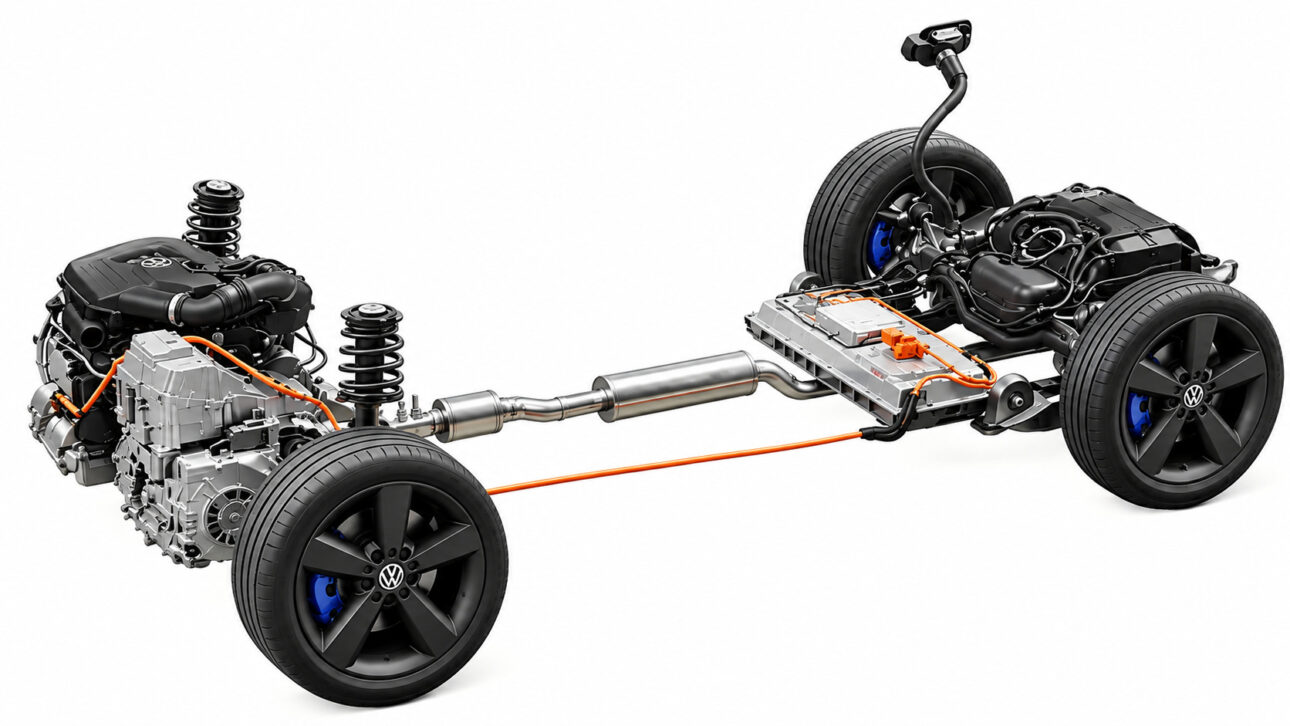
Volkswagen introduces 1.5-liter TSI Evo2 turbo engine for its first flex-fuel hybrid in Brazil, to be produced in São Bernardo do Campo with a 2027 launch, combining ethanol, gasoline, and electricity
-
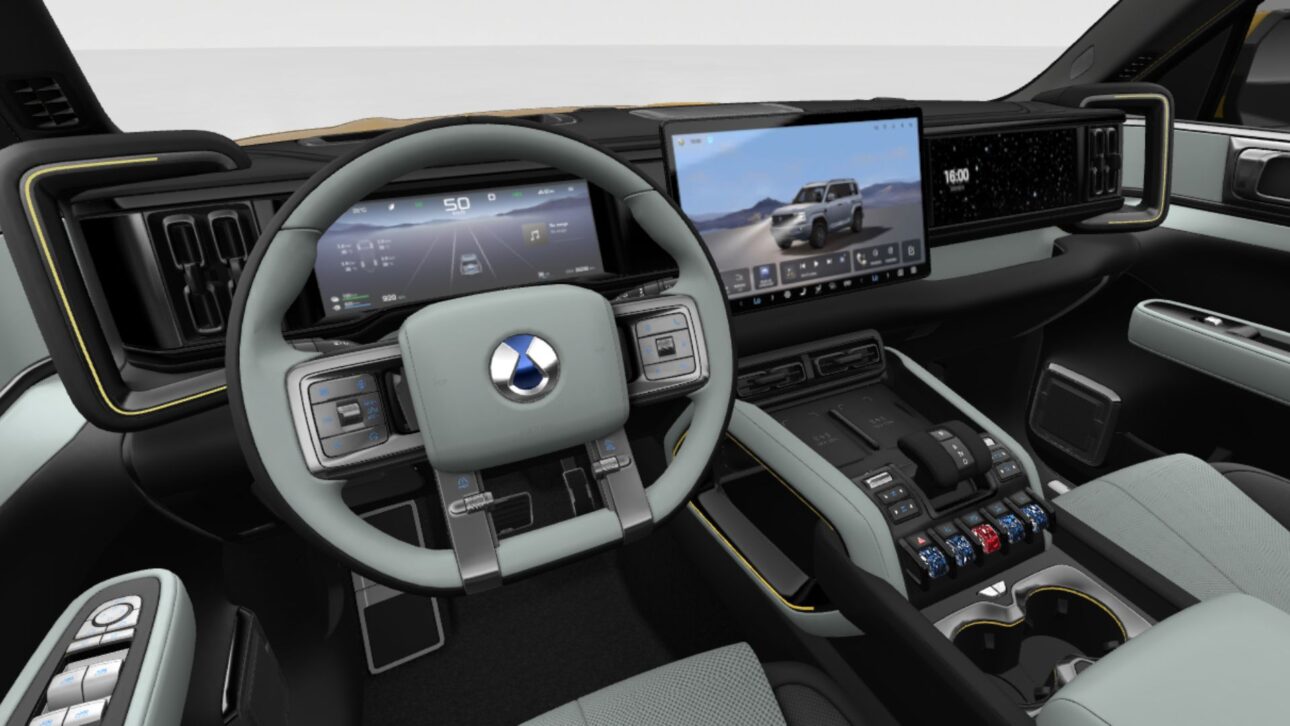
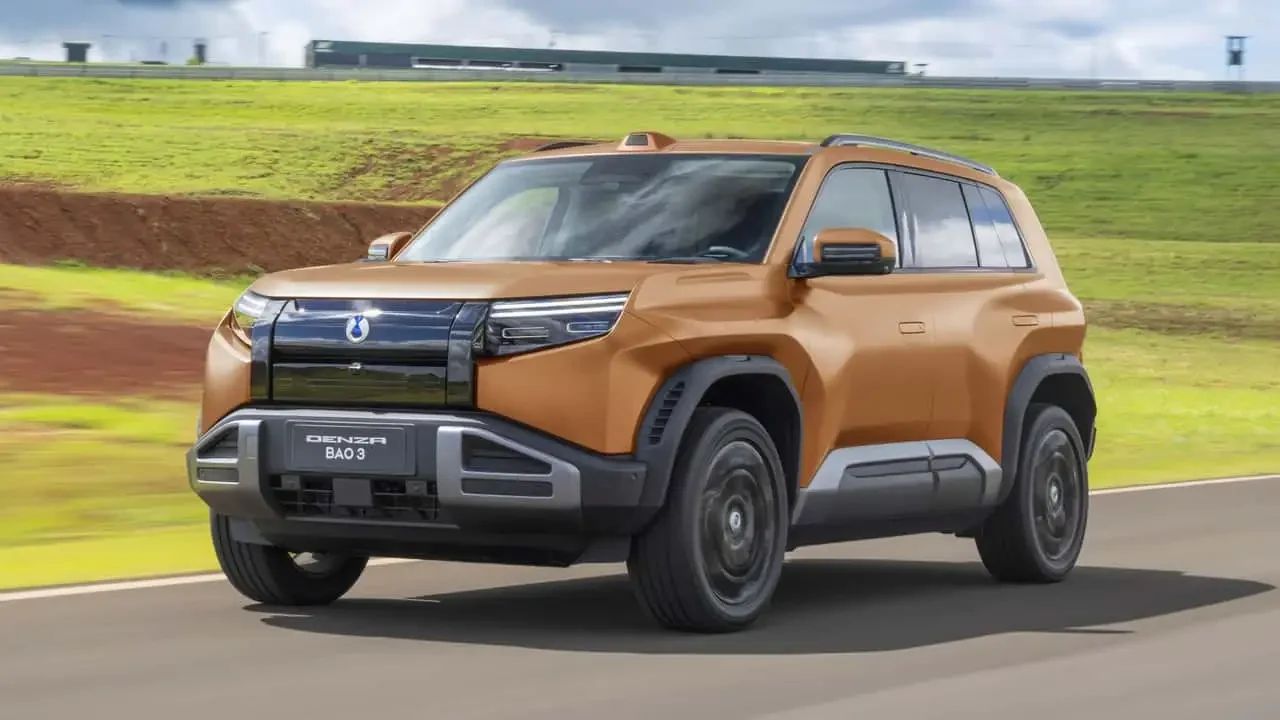
Denza Bao 3 debuts in Brazil with 354 hp, five-minute charging and price still under wraps


Peugeot leaves the 24 Hours of Le Mans after returning to the race in 2022
One of the brands directly affected by the decision is Peugeot, which returned to the World Endurance Championship in 2022 with the 9X8 hybrid hypercar.
The project was an effort to restore the French automaker’s prominence in endurance racing, particularly at the storied 24 Hours of Le Mans.
Peugeot had already won the French race in 1992, 1993, and 2009. Its return to the track, however, produced more modest results.
Motorsports outlet RACER reported that the automaker was preparing an updated Peugeot 9X8 for the 2027 season when the program’s end was announced.
The end of its factory participation halts that project and marks another shift in Peugeot’s international motorsports history.
Citroën and Opel will also leave Formula E in 2027
The second phase of the withdrawal will come in Formula E, the world championship for electric single-seaters.
Citroën and Opel will remain in the series through the end of the next season, expected in mid-2027, before concluding their factory programs.
The series serves as a test bed for technologies involving energy efficiency, energy recovery during braking, and electronic management of electric motors.
Some of that expertise could be applied to future electrified road cars, even after the brands end their factory racing activities.
Stellantis also plans to retain and reassign the employees involved in these projects, drawing on their experience in other areas of automotive engineering.
Maserati, Alfa Romeo, and Peugeot to focus on new sports cars
The strategy shift is expected to directly support the development of sports cars across several brands in the group.
Product lines included in the plan are:
- Alfa Romeo: Veloce sport models and exclusive high-performance vehicles;
- Maserati: luxury sports cars;
- Peugeot: models from its storied GTi division;
- Lancia: sports cars in the HF lineup;
- Opel: models from its GSE division.
The group will also continue developing competition vehicles for sale to independent teams and drivers, particularly in the rally segment.
There is an important difference between funding a factory team in a world championship and selling cars prepared for competition. In the latter case, the automaker can turn its engineering capabilities into products sold directly to customers.
Stellantis plans €60 billion in investment and more than 60 new cars by 2030
The withdrawal from racing is part of a broader corporate transformation.
Unveiled in May 2026, the FaSTLAne 2030 strategic plan calls for €60 billion in investment over five years.
The global plan calls for more than 60 new vehicles and about 50 major updates to existing models.
The powertrains covered include all-electric vehicles, conventional hybrids, plug-in hybrids, and cars equipped with internal combustion engines.
In the European market, the company plans 50 launches and updates, including 25 new products.
The future of Stellantis’ motorsports division will therefore depend on its ability to turn decades of track experience into commercially competitive cars. Upcoming announcements are expected to reveal which projects will receive this technology and when they will reach dealerships.