Portuguese
 Spanish




German automaker bets on Brazilian biofuel to cut carbon emissions as part of an industrial strategy that includes R$16 billion in investment through 2028.
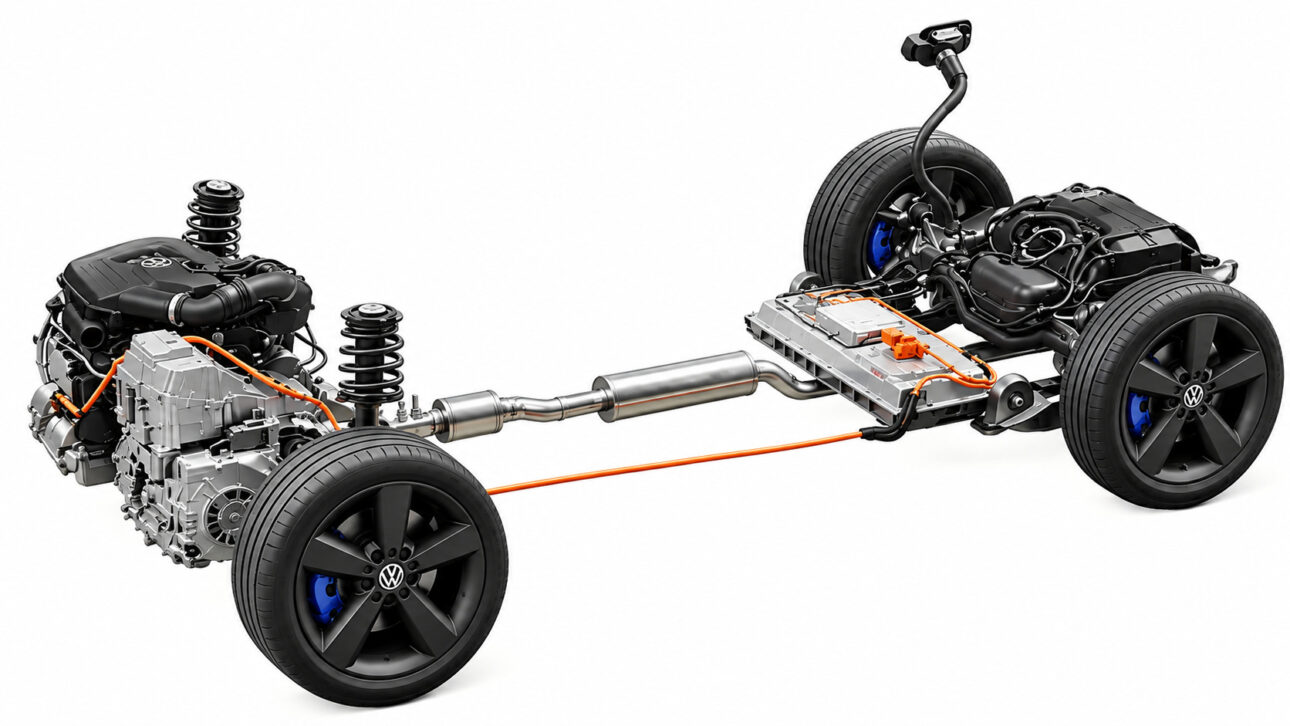
Volkswagen unveiled the 1.5-liter TSI Evo2 turbo engine on Wednesday (25). It will power the automaker’s first flex-fuel hybrid in Brazil. According to information published by Brazilian news outlet g1, the model is scheduled to launch in the second half of 2027 and will be built in São Bernardo do Campo, in São Paulo state.
The system combines electric propulsion with an internal combustion engine that can run on ethanol or gasoline. The new vehicle is part of the automaker’s investment program in Brazil, which calls for R$16 billion in funding through 2028.
1.5-liter TSI Evo2 engine marks a new phase in Volkswagen’s electrification push in Brazil
Volkswagen’s first flex-fuel hybrid for the Brazilian market was developed on the MQB37 Evo platform. The architecture will underpin a vehicle combining an internal combustion engine with electric propulsion.
-
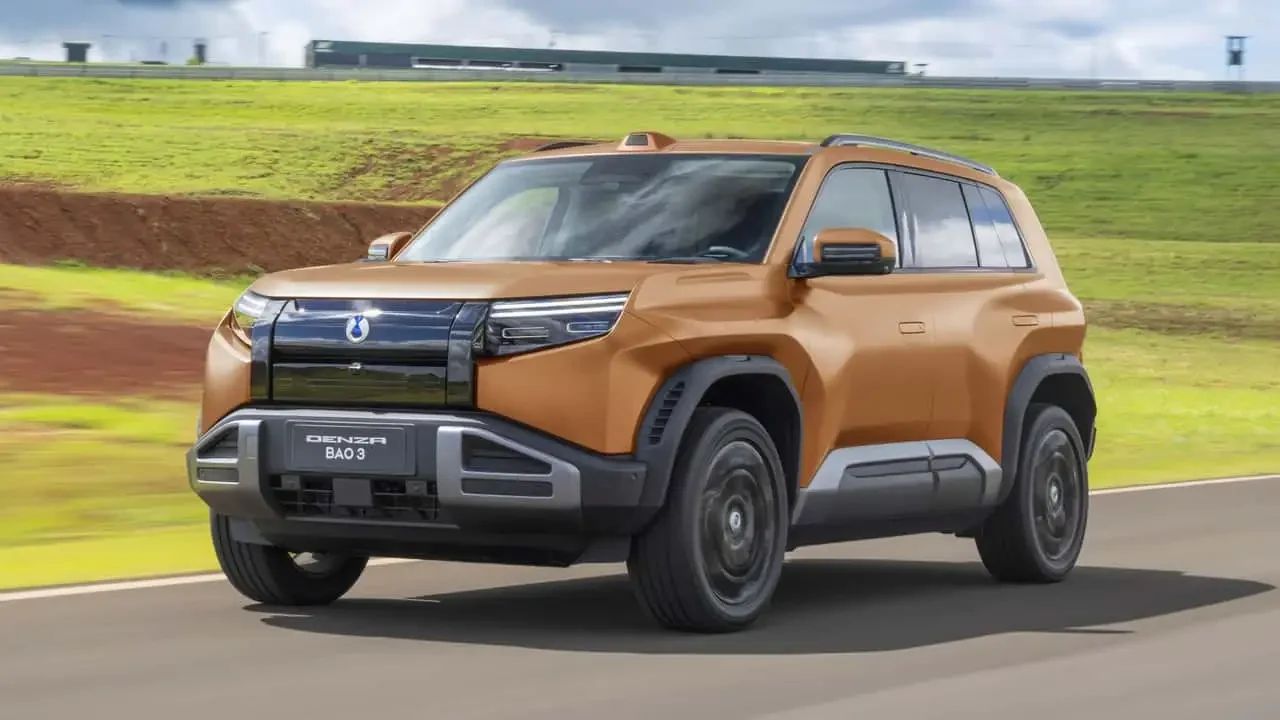
Denza Bao 3 debuts in Brazil with 354 hp, five-minute charging and price still under wraps

-
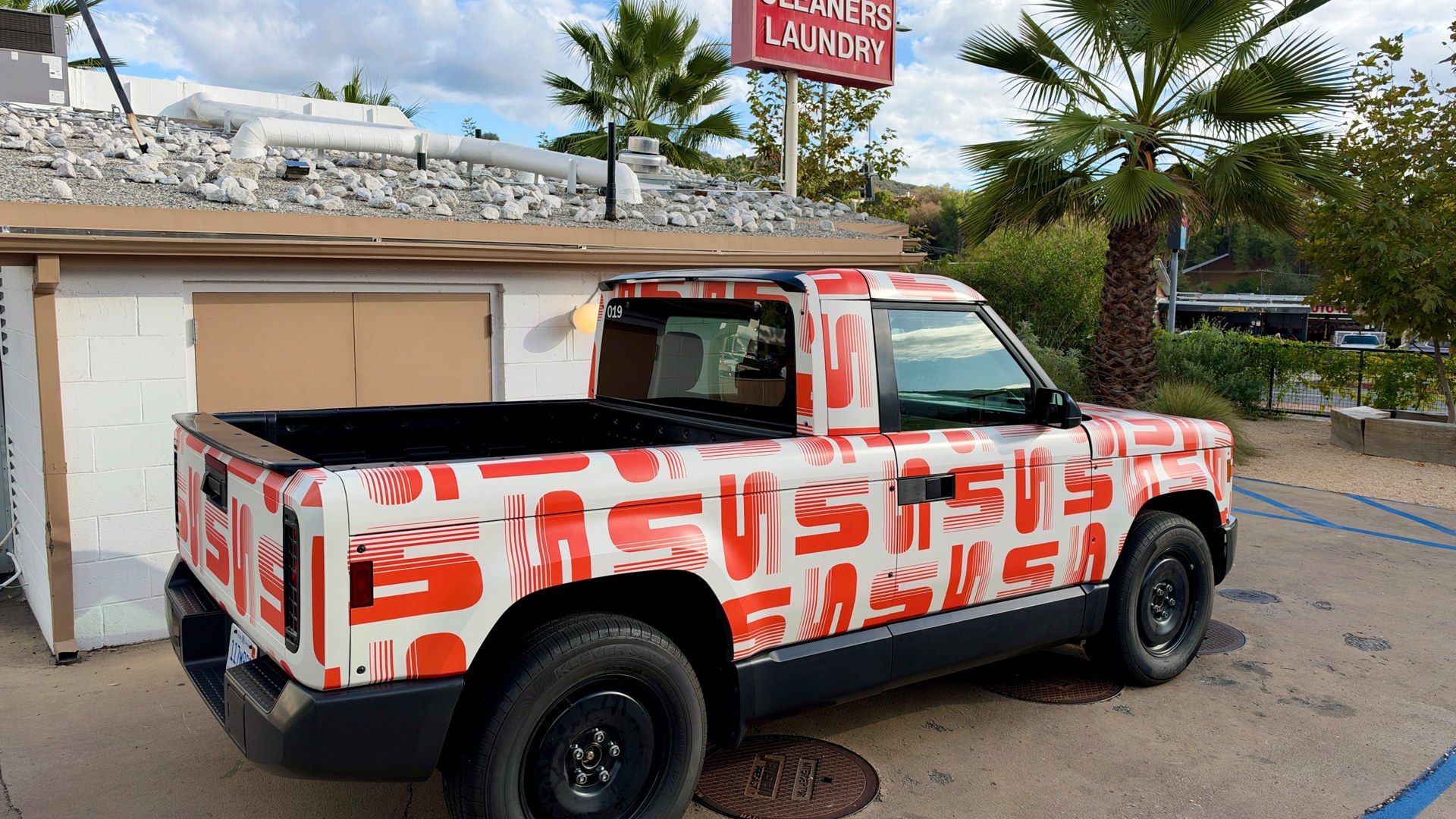
Pickup buyers waiting for the $24,950 Slate Truck now have the first drive reports, as reviewers took pre-production prototypes around Pasadena and found a 65-kWh battery, a single rear motor and up to 205 miles of claimed range

-
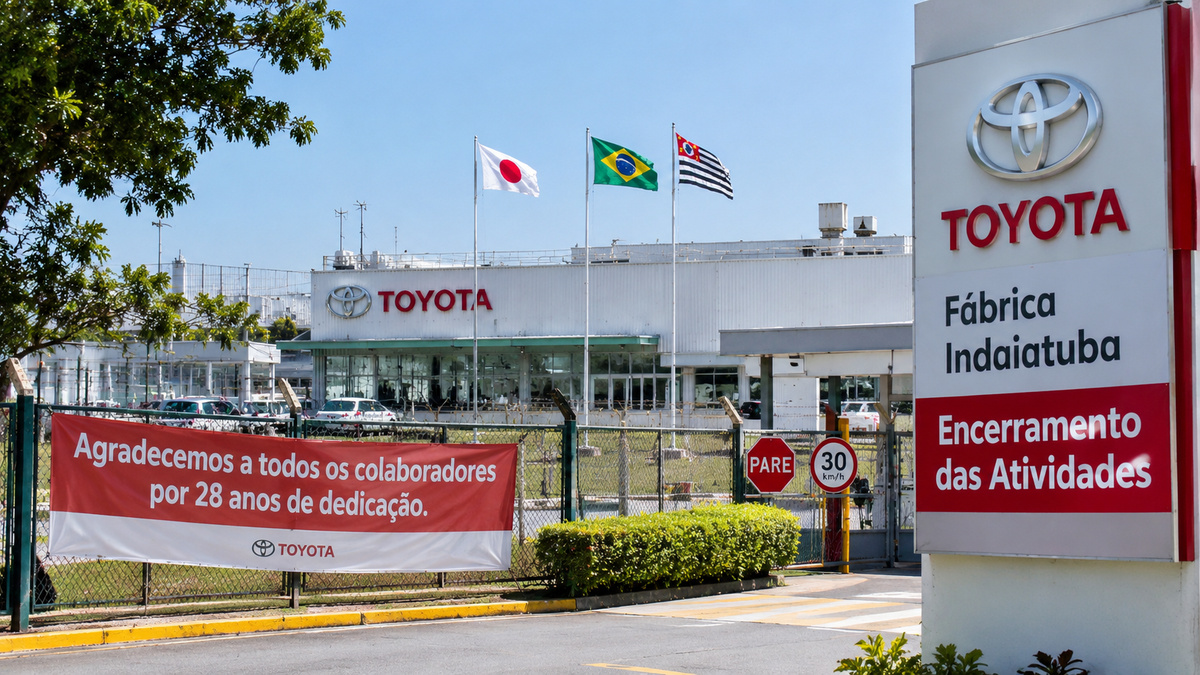
Toyota, the world’s largest automaker, closes Brazil factory with 1,500 workers after 28 years, negotiates severance over 80 months’ pay, centralizes production in Sorocaba

-
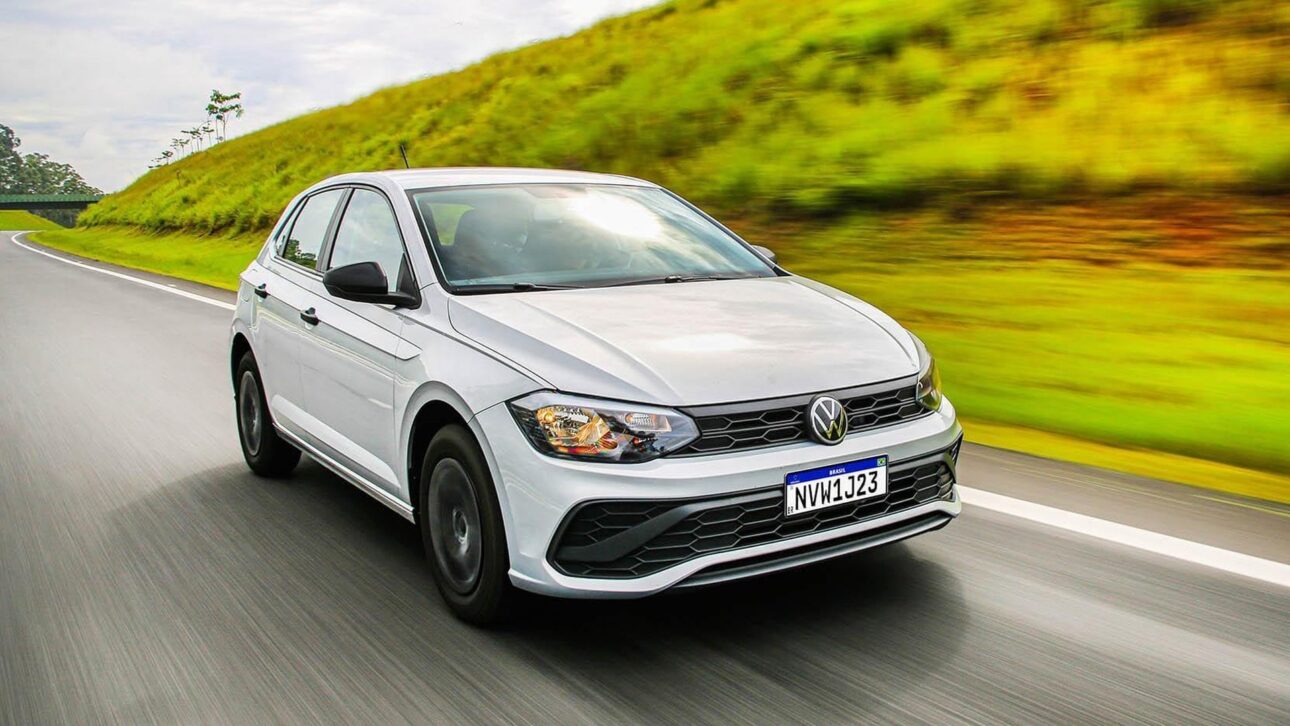
Buyers seeking a new car under R$100,000 can get the 2027 Volkswagen Polo Track for R$91,690 cash through Monday (30), R$6,300 below list; 48 payments of R$999 require R$56,846.92 down and bring the total to R$104,798.92

The automaker has not yet released figures for power, torque, fuel economy or performance. Volkswagen says those technical specifications will be announced closer to the launch, which is scheduled for the second half of 2027.
Anchieta plant to build the new flex-fuel hybrid
The new vehicle will be built at the Anchieta plant in São Bernardo do Campo, in the state of São Paulo. The facility currently produces models including the Nivus, Nivus GTS, Polo Track and Saveiro.
The plant selection is part of Volkswagen’s industrial planning for the Brazilian market. Development of the flex-fuel hybrid is part of a strategy that brings together investment and new vehicle launches in the country.
Volkswagen simulation projects roughly 60% lower emissions with ethanol
At ESG Day, held on November 25, 2026, Volkswagen presented an internal simulation comparing different versions of a fictional SUV. The analysis covered a 200,000-kilometer life cycle, including production of the vehicle and components such as its battery.
The hybrid SUV, which cannot be charged externally and runs exclusively on ethanol, was estimated to produce 16 metric tons of CO₂ equivalent. The version running on gasoline alone was projected to produce 41 metric tons, while the all-electric SUV came in at 23 metric tons.
Compared with the gasoline-only version, the ethanol-fueled flex-fuel hybrid had estimated emissions approximately 60% lower. The results, however, are based on an internal simulation by the automaker, not tests of the future vehicle.
Ethanol and electrification underpin German automaker’s environmental strategy
The 1.5 TSI Evo2 engine was presented during ESG Day, an event focused on sustainability discussions. At the event, Volkswagen discussed the potential of combining ethanol with electrification to reduce vehicle emissions.
Ricardo Plöger, Volkswagen’s vice president of product development for Brazil and South America, explained the strategy adopted by the automaker.
“By combining ethanol and electrification, we are advancing a technology pathway that expands the options for reducing emissions and meeting our customers’ needs,” he said.
Volkswagen plans 17 new models under multibillion-real investment in Brazil
Development of Volkswagen’s first flex-fuel hybrid in Brazil is part of a program involving R$16 billion in investment through 2028. The plan calls for 17 new models to reach the domestic market, 10 of which have already been launched.
The presentation of the 1.5 TSI Evo2 engine previews one of the program’s upcoming models. With production in Brazil and a launch planned for 2027, the vehicle will combine the ability to run on ethanol or gasoline with electric propulsion features.