





 Portuguese
  English
  Spanish
  5 min of reading
  0 comments


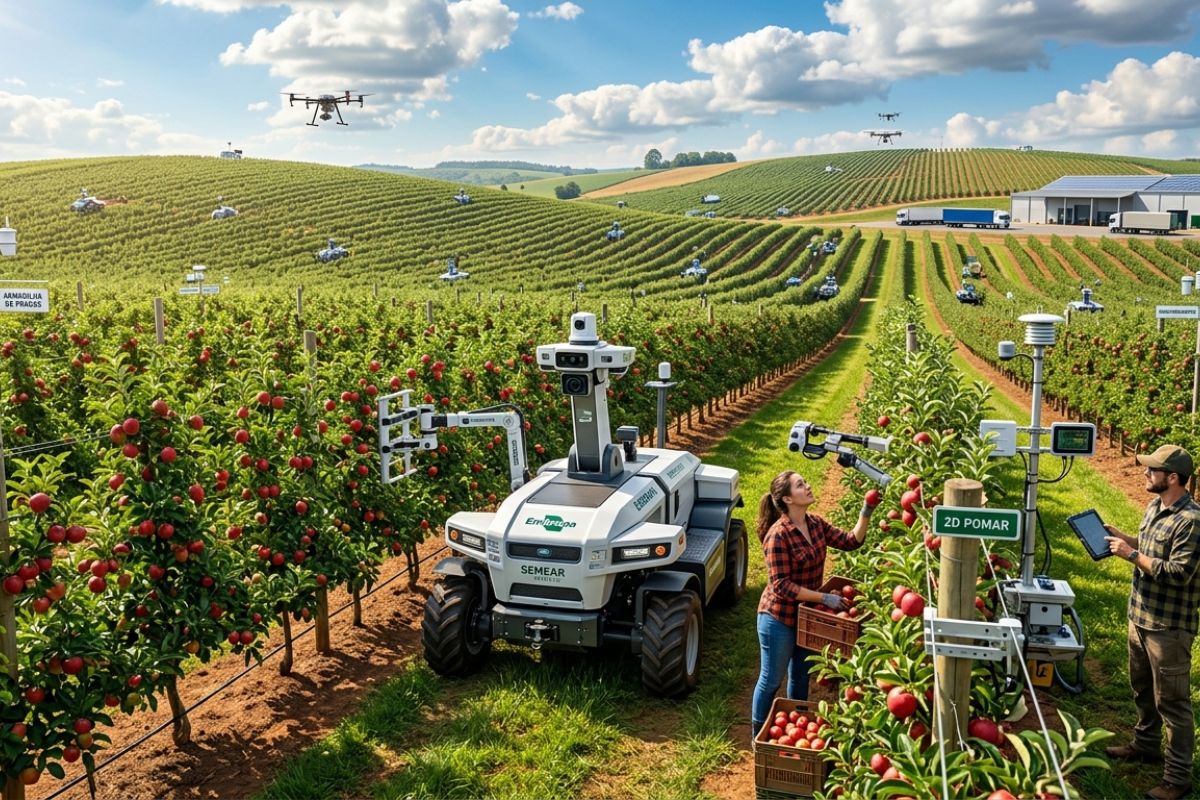
In Semear Digital, the apple capital tests point-to-point mapping, traceability, and 2D orchards, with pest traps and robotics to reduce losses and increase efficiency.
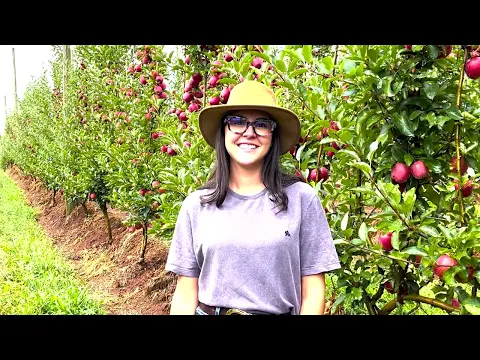
The apple that reaches your table may have passed through Vacaria, in Rio Grande do Sul, and now this path is beginning to change with connected pest traps to precision agriculture. In the municipality, Embrapa conducts Semear Digital actions in a “living laboratory” model, bringing instrumentation, automation, and validation of technologies directly to the orchard reality.
The proposal is to tackle the biggest bottleneck cited by producers and technicians: labor shortage, which pressures manual harvesting and makes it urgent to modernize routines. The package includes point-to-point mapping, traceability from tree to box, orchards in a 2D system, and solutions such as pest traps for continuous monitoring, in addition to prototypes with cameras, georeferencing, and autonomous navigation.
Vacaria and Semear Digital: a real-time testing field

Vacaria appears as one of the largest apple-growing centers in the country and also as one of the municipalities chosen to serve as a laboratory for Semear Digital, a project for social and digital inclusion by Embrapa.
-
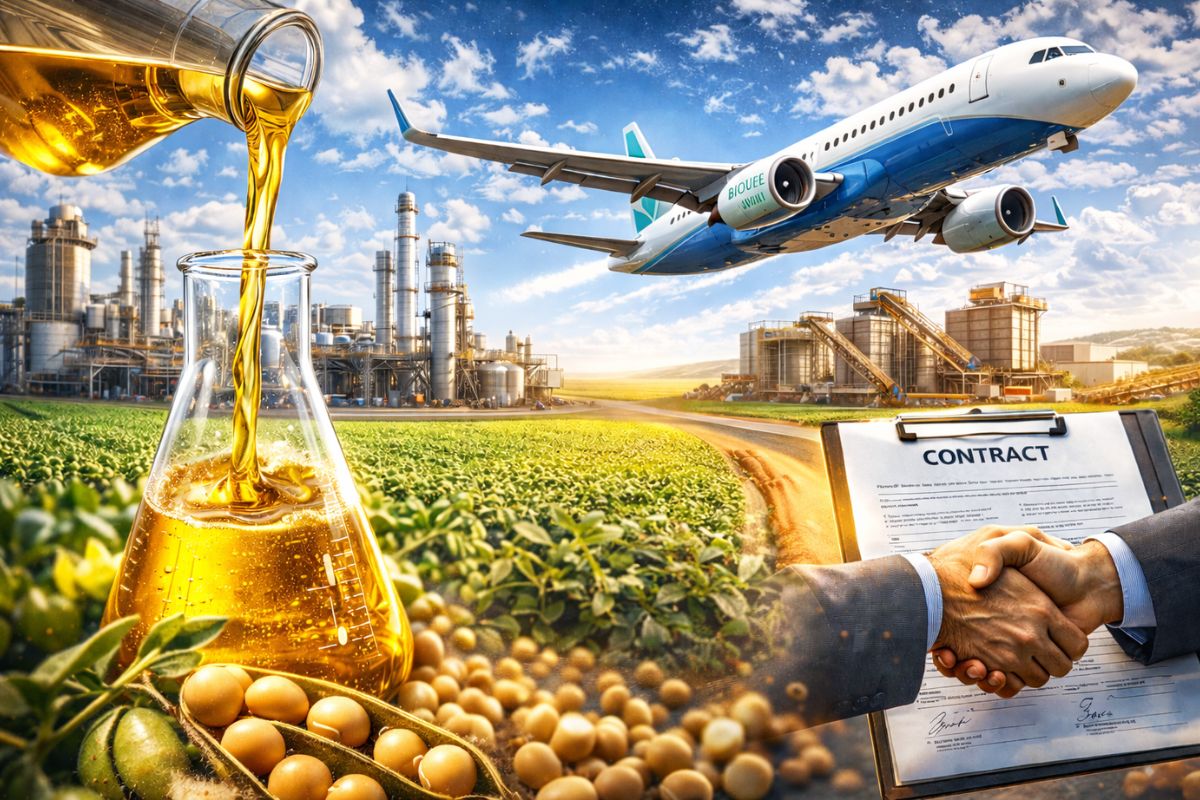
In 2026, Brazilian soy becomes airplane fuel: Corsia mandates SAF, oil gains a premium of 40% to 80%, biorefineries alongside crushing plants and long-term contracts remove the producer from the commodity discount.
-
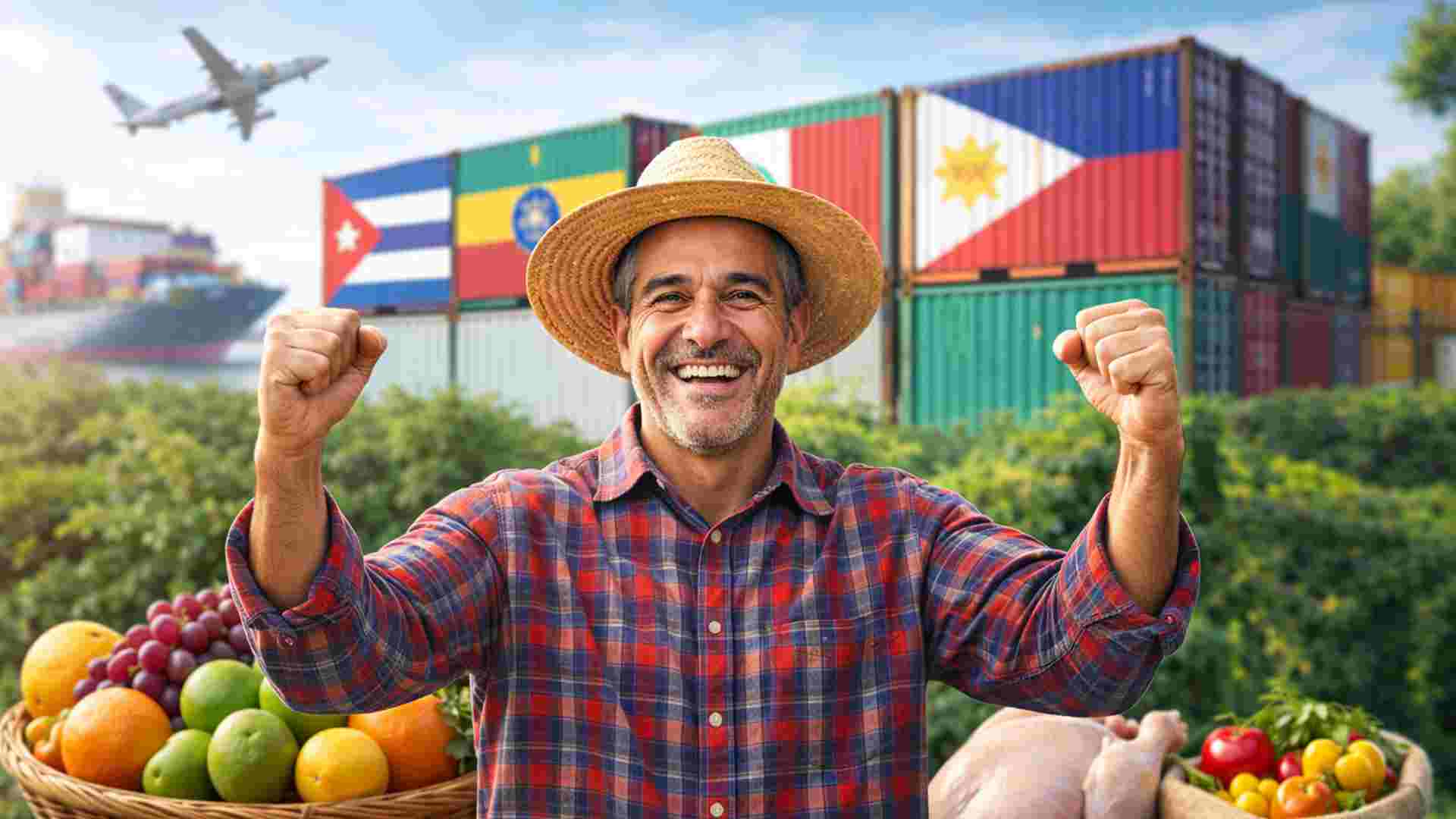
Brazilian agribusiness advances in four countries at the same time, gains space to sell fruits to Cuba, and opens shipments of meat, seeds, and feed to new markets.
-
At least two ships loaded with fertilizers for Brazil are stranded in the Strait of Hormuz amid the conflict with Iran, and Brazilian importers still do not know when the shipments will arrive.

-
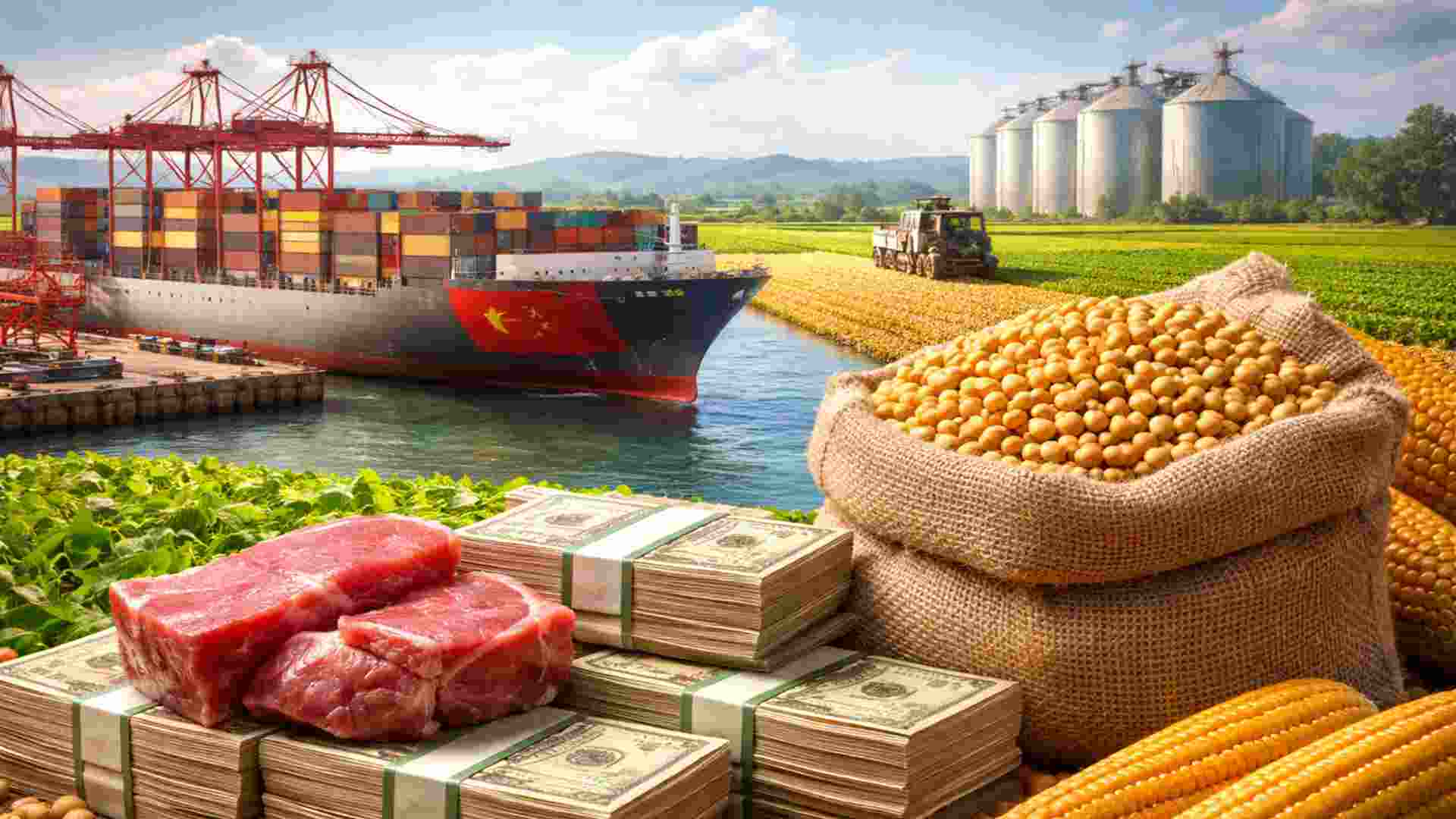
Brazilian agribusiness found in China more than just a giant buyer: it was US$ 55.3 billion in 2025.
Fruit growing, less automated than grain farming, is entering a turning point by bringing together large companies, family farming, and small and medium enterprises around the same challenges.
The project team engages in dialogue with communities and producers, focusing on precision agriculture and automation at Embrapa’s temperate fruit experimental station in Vacaria.
The text mentions local partnerships involved in this effort, reinforcing that the technology is being built to work in the field, not just in the laboratory.
Point-to-point mapping: knowing exactly where each fruit came from
One of the described advancements is the development of a system capable of indicating exactly at which point in the orchard that production was harvested, point by point.
The idea is to generate a map that allows corrective measures in subsequent harvests, which is the basis of precision agriculture applied to fruit growing.
In practice, this changes decision-making: instead of treating the orchard as a single block, the producer begins to see internal variations and act with more precision. When management becomes data, errors cost less and corrections arrive faster.
Pest traps: the technology that monitors the orchard continuously

Within the monitoring, the foundation highlights the development of a trap aimed at the fruit fly, cited as one of the main pests for apples, grapes, and other fruit crops.
This is where pest traps as a central tool come into play, as they allow tracking insect pressure and anticipating control decisions.
In addition to the direct impact on productivity, pest traps integrated into monitoring reduce the dependence on “human eye” all the time, which is even more important when labor is scarce. By transforming pest presence into information, management tends to become more directed and less reactive.
The problem that drives everything: labor shortage and still manual harvesting

The foundation is clear in showing the contrast: apple harvesting is still predominantly manual, and the “technological leap” cited by a producer is the tractor that pulls the cart.
However, the difficulty in hiring people grows year by year, and the outlook described is that there will come a point when automated harvesting ceases to be an option and becomes a necessity.
The discourse is not about eliminating people, but about robotizing tasks that can be robotized and preserving human work where it is crucial for quality. Mechanization and robotization appear as support to keep the orchard operating, not as a promise to replace everything.
2D Orchard: trees in “trellises” to facilitate management and mechanization

A practical example of this adaptation is the vertical training system and the orchard in a 2D format, described as easier to perform tasks with fewer people.
The idea is to make the plant structure more “manageable,” opening the way for technological innovations that reduce the laboriousness of work and help in problem detection.
For young producers mentioned in the foundation, the 2D system is also seen as a future strategy: it facilitates operation in a scenario of scarce labor and can favor mechanization, in addition to seeking quality and stability over the years.
Traceability from tree to table: harvest control, classification, and shipping
The text also describes traceability as an increasing requirement. The chain goes through field notebooks, harvest control, and identification until the product reaches the consumer.
In agro-industry, stages such as reception, quality analysis, selection, packaging in trays, boxing, palletizing, identification, and sending to cold storage appear before shipping.
This type of “tied” control makes sense because traceability is not just a label, it is management. It connects what was done in the orchard to what was seen in classification and what was delivered to the market.
Robotics and embedded intelligence: the prototype that sees, counts, and navigates
Among the initiatives, a prototype aimed at georeferenced management of the crop emerges, with cameras pointed at the plant rows, global positioning system, and onboard computer for intelligent applications.
The foundation describes that it can detect fruits and track them, avoiding double counting, and that it should also be used in autonomous navigation tests.
The ambition is clear: to create a platform capable of safely navigating between orchards, collecting data and supporting decisions. And this directly relates to the role of pest traps, as automation in the orchard depends on continuous and reliable monitoring.
Diseases as targets: European canker and the use of images for diagnosis

The foundation also mentions research to identify diseases such as European canker, described as severe and capable of compromising production, requiring the removal of diseased branches.
The work includes recording images at different stages to form a database and using special cameras that enhance the contrast between healthy and diseased branches.
Here, technology enters as a way to gain scale: if the disease can be detected more quickly and accurately, management becomes more efficient and less dependent on lengthy inspections.
Small fruits and family farming: logistics, forecasting, and income
Besides apples, the foundation presents similar challenges in small fruits, with difficulties related to climatic adversities, irrigation, dry periods, excessive rain, pests, diseases, and logistics of perishable products.
The mentioned response includes collective solutions and also the creation of structures such as cold storage and family agro-industry, to reduce the rush of delivery and expand markets.
In this front, the idea of a mobile system that, by filming plants and observing the phenological stage, would help predict production in the coming days and improve logistics appears. It is digitalization arriving as a planning tool, not just as a “novelty.”
In the end, Vacaria becomes a portrait of where fruit growing is headed: less improvisation, more data, more traceability, more automation, and more monitoring, with pest traps as a practical piece to reduce losses and guide decisions in the orchard.
Have you seen pest traps or any digital monitoring system being used in orchards in your area?
Content and information based on material from the channel Embrapa.






Seja o primeiro a reagir!