





 Portuguese
  English
  Spanish
  3 min of reading
  0 comments


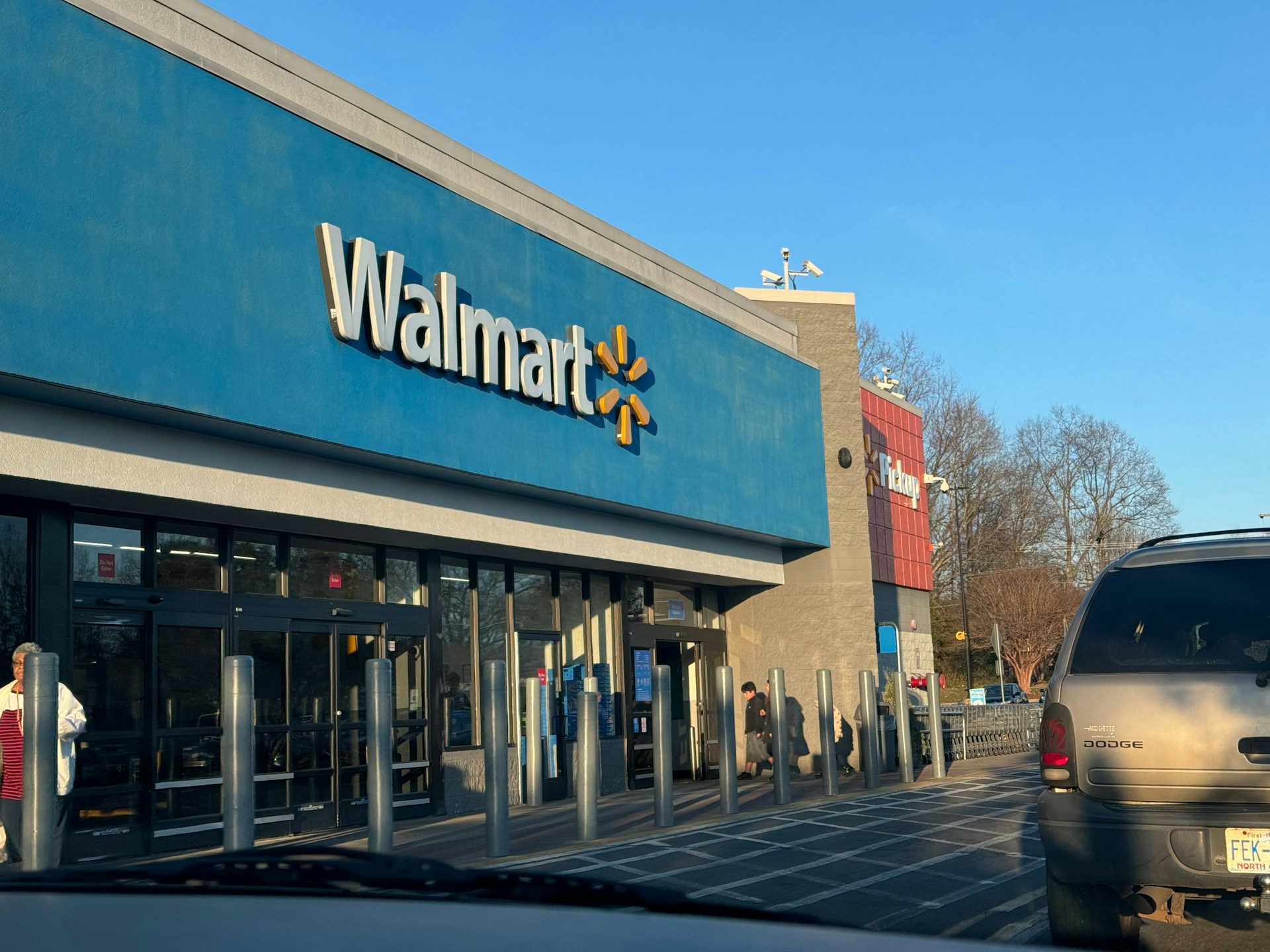
Walmart Came to Brazil With Ambition to Lead Retail, but Strategic Mistakes, Losses, and Lack of Adaptation Culminated in the Sale of Its Operation and the End of the Brand in the Country
Walmart, the largest retail chain in the world today, arrived in Brazil in 1995 with big plans. The first store was opened in Osasco, São Paulo, and the idea was simple: replicate the success from the United States. Focusing on low prices and large stores, the company began its journey in the country with the expectation of dominating the national retail market.
In the following years, the strategy was to grow rapidly. In 2004, Walmart acquired the Bompreço chain for US$ 300 million, adding 118 stores to its portfolio.
The following year, it further expanded its presence by acquiring the Brazilian operation of Sonae for R$ 1.7 billion. As a result, it began controlling brands like BIG, Mercadorama, Nacional, and Maxxi. In a short time, it became the third-largest retailer in Brazil, operating various banners and formats. But problems began to arise.
-
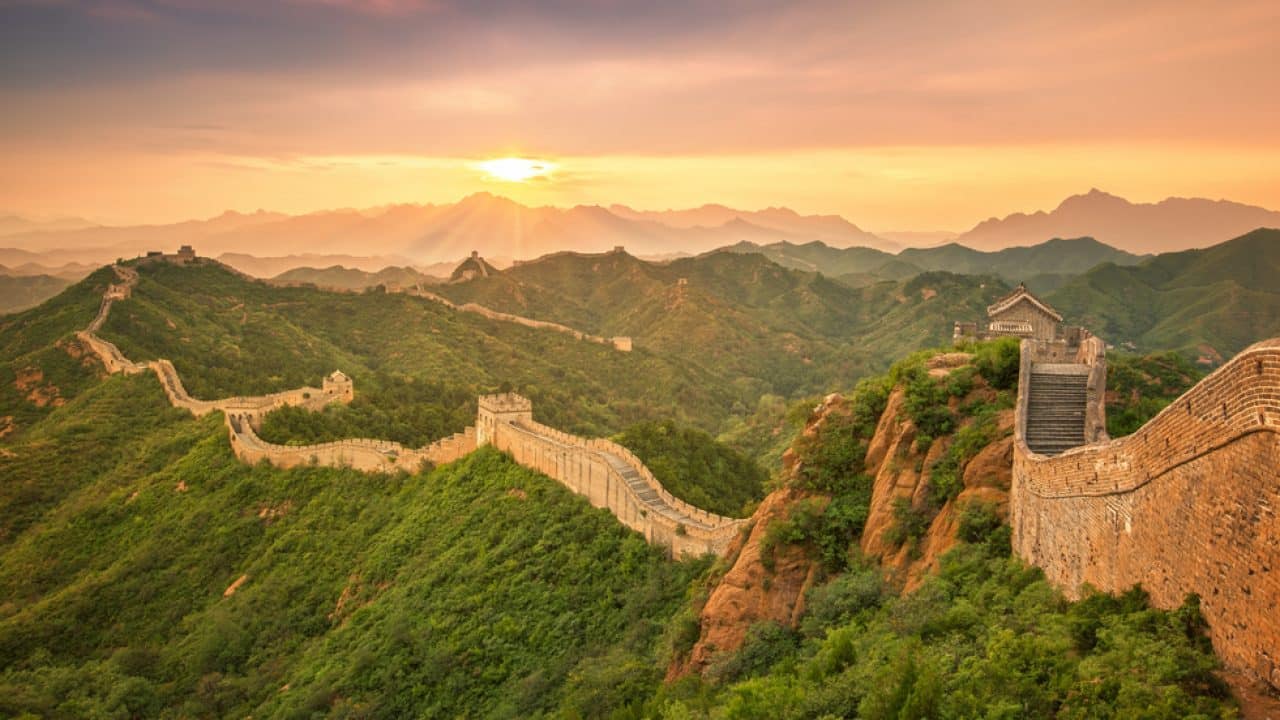
Why was the Great Wall of China built? The truth that many are unaware of!
-
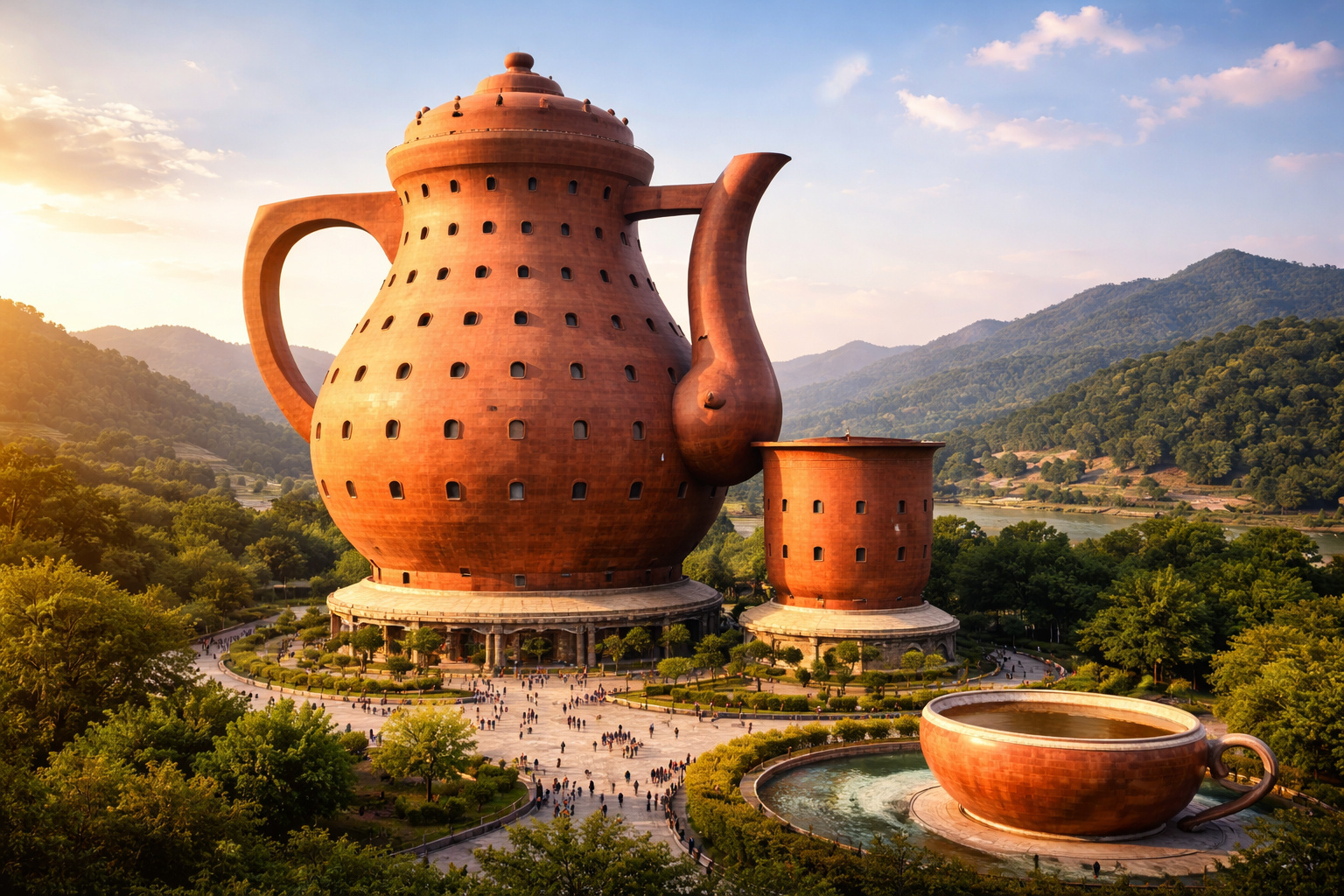
At 73.8 meters tall, the world’s tallest teapot-shaped building has 15 floors, ensures stability, and impresses with an internal space of 28,000 cubic meters.
-
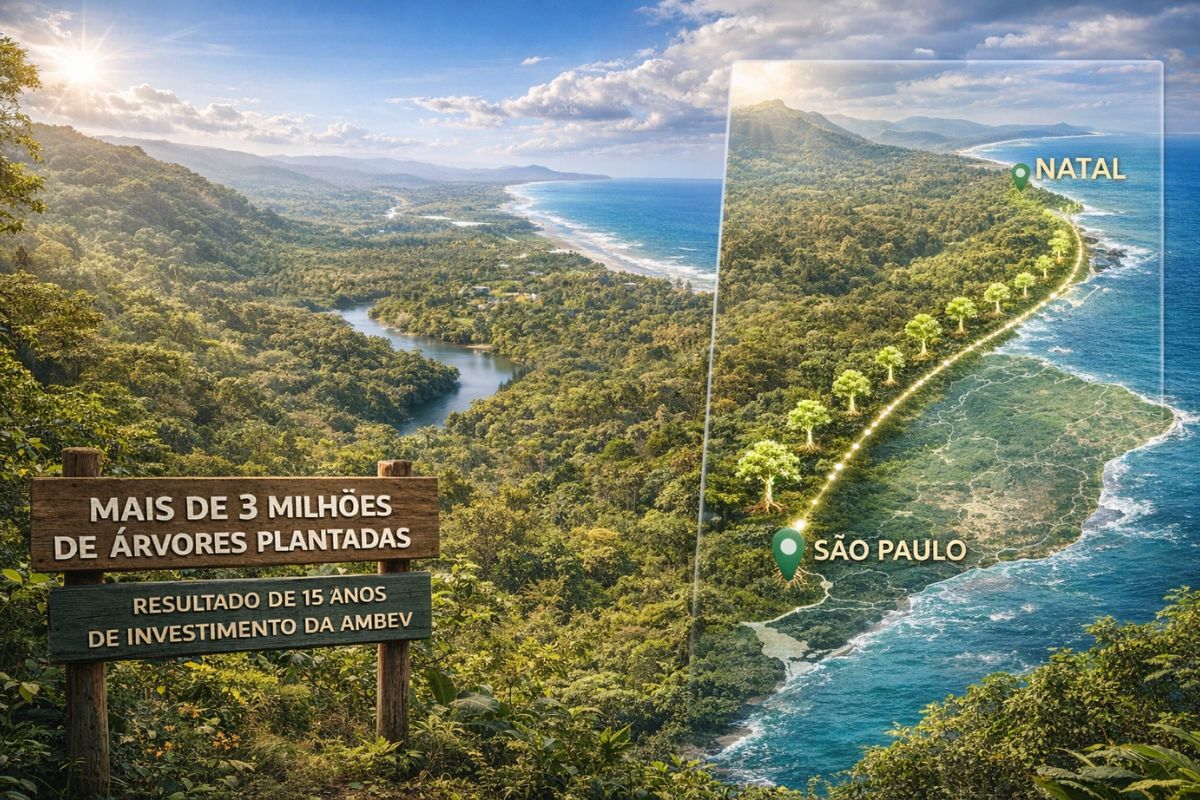
Ambev has planted over 3 million trees and restored an area equivalent to the coastline from São Paulo to Natal, and the result after 15 years of silent investment has finally appeared for all of Brazil to see.
-
A new AI collar technology for cattle eliminates physical fences, creates virtual barriers, monitors animals 24/7, and detects changes in behavior and health.


Model Did Not Work in Brazil
The big mistake Walmart made was trying to apply its North American model to the Brazilian market without adaptations. The “Every Day Low Price” strategy did not convince local consumers, who are used to occasional promotions, discount flyers, and sales.
Additionally, the company faced difficulties integrating the brands it had acquired. Each maintained its own identity, which created confusion among customers. Internally, the operation became fragmented and disorganized.
Another obstacle was the bureaucratic and centralized structure. Decisions required approval from headquarters, which reduced the agility of operations in Brazil. Poor store locations, inefficient processes, and unattractive prices also contributed to the result: seven consecutive years of losses.
Sale to Advent Fund and Walmart’s Exit
In June 2018, Walmart decided to change everything. It sold 80% of its Brazilian operation to Advent International investment fund.
The transaction did not involve direct payment. Instead, Advent committed to investing R$ 2 billion by 2021. Walmart retained 20% of the company and recorded an accounting loss of US$ 4.5 billion.
The new management rebranded the company as Grupo BIG. The Walmart name was abandoned. The strategy also shifted: the focus turned to stores better suited to Brazilian preferences, with an emphasis on the atacarejo — a store format that blends wholesale and retail.
Carrefour Takes Control
Three years later, in March 2021, Carrefour Brazil announced the purchase of Grupo BIG for R$ 7.5 billion. The deal was closed with 70% of the amount in cash and 30% in Carrefour Brazil shares.
The operation was approved in June 2022 by CADE, but with one condition: some stores had to be sold to avoid market concentration.
With the acquisition, Carrefour strengthened its presence mainly in the South and Northeast regions. It also took over brands like Sam’s Club and bolstered its leadership in the atacarejo with Atacadão.
The cycle of Walmart in Brazil, which began with ambition, ended with the brand off the shelves and under the total control of competitors.
With information from Exame.




Seja o primeiro a reagir!