





 Portuguese
  English
  Spanish
  5 min of reading
  0 comments


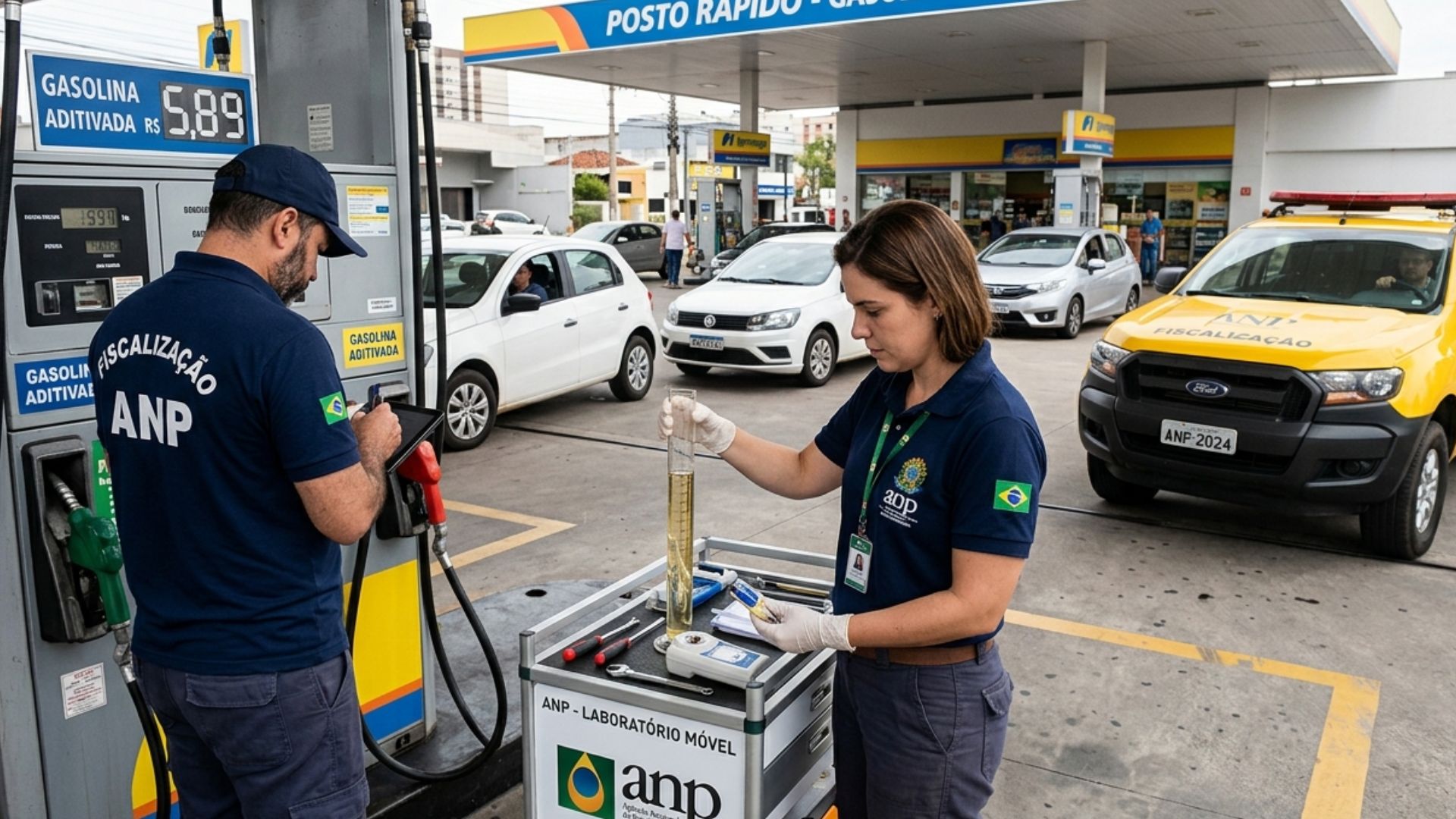
National task force operation intensifies supervision in the fuel market, identifies price abuses, and expands consumer protection with measures that reinforce transparency and control across the country.
The recent rise in fuel prices has placed the sector under strong pressure and scrutiny in Brazil. In direct response to this scenario, a national task force has begun to intensify supervision throughout the territory, targeting abusive practices and distortions in the market. In just a few weeks, the operation has already reached 5,358 fuel stations and 322 distributors, revealing a large-scale coordinated effort.
According to a publication from the Social Communication Secretariat (SECOM), the initiative brings together different public agencies and relies on the Consumer Defense Code to act rigorously. So far, more than 3,500 notifications have been issued, which could result in fines reaching R$ 14 million.
In parallel, the National Agency of Petroleum, Natural Gas and Biofuels (ANP) has already fined 85 stations and 19 distributors, with penalties that can reach R$ 500 million in more serious cases. This movement marks a new moment in sector control, with direct impacts for both consumers and companies.
-
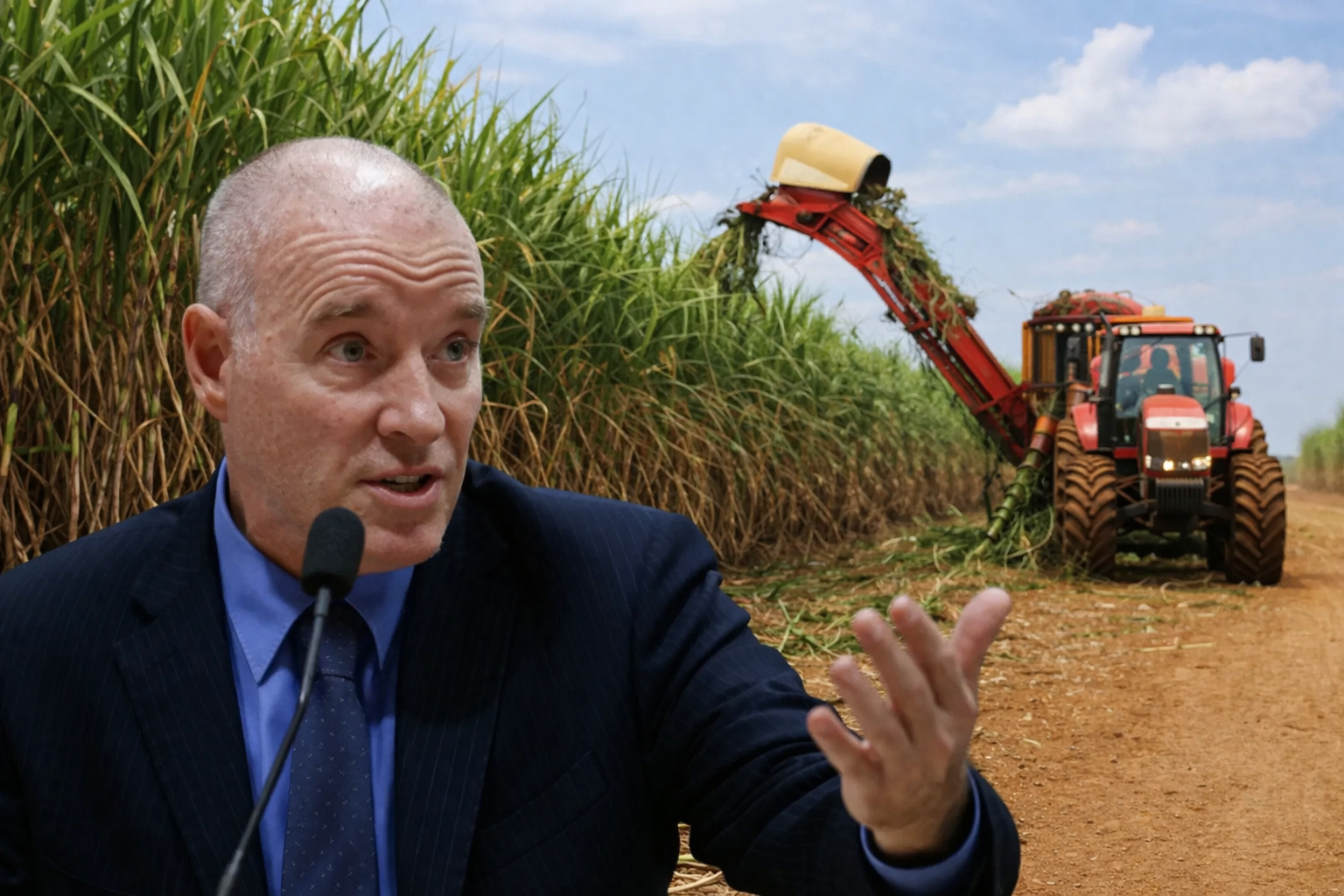
3 times more ethanol per hectare can be produced with Eike Batista’s supercane amid rising gasoline prices — how can this technology change fuel prices in Brazil?
-
Former president of IBP highlights that dependence on diesel imports pressures prices in Brazil, increases vulnerability to global crises, and underscores the need for more robust and sustainable energy policies.
-
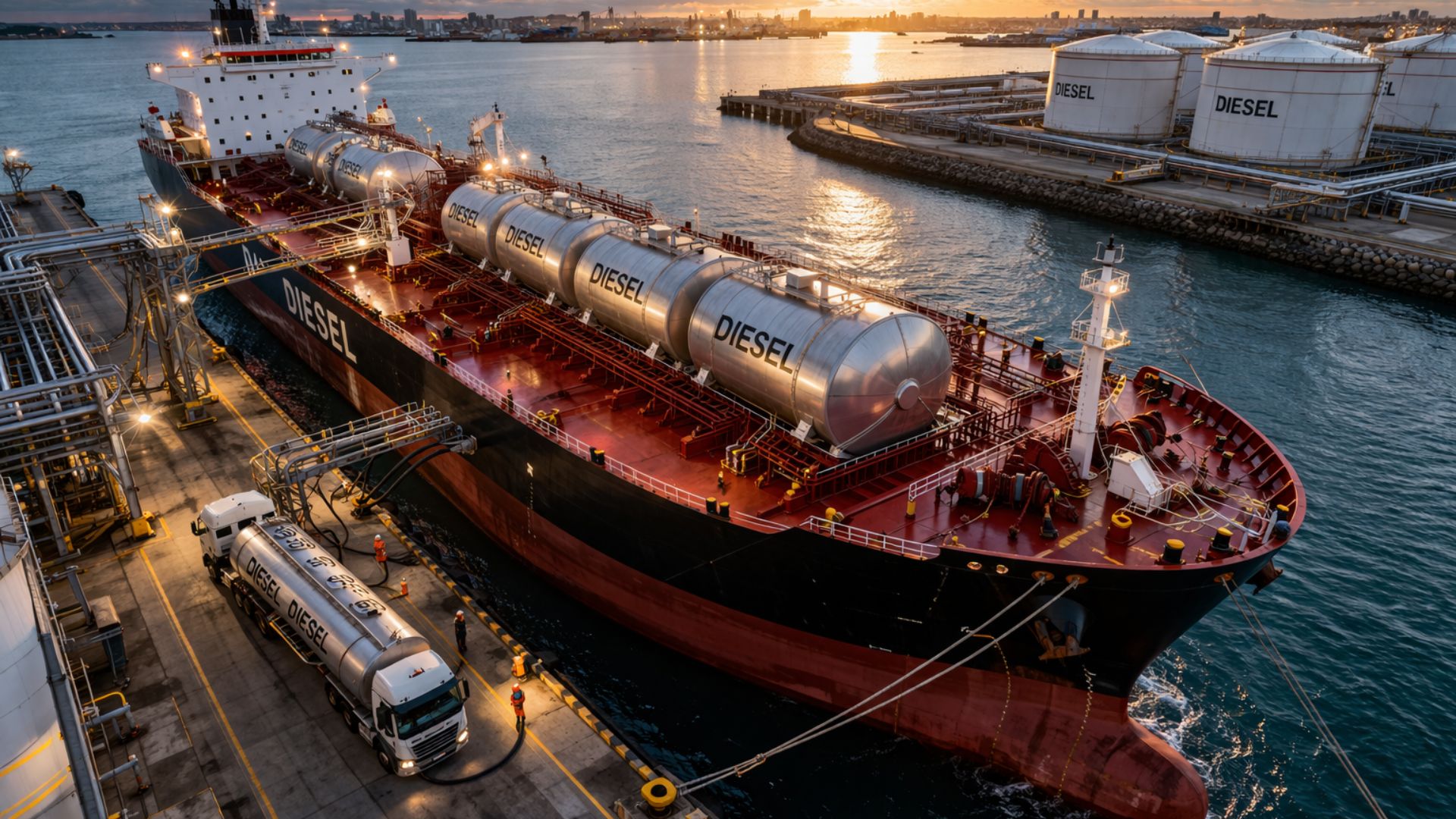
Middle East War Drives Up Oil Prices, And Petrobras Increases Diesel: Fuel Reaches R$ 3.65 Per Liter At Distributors
-
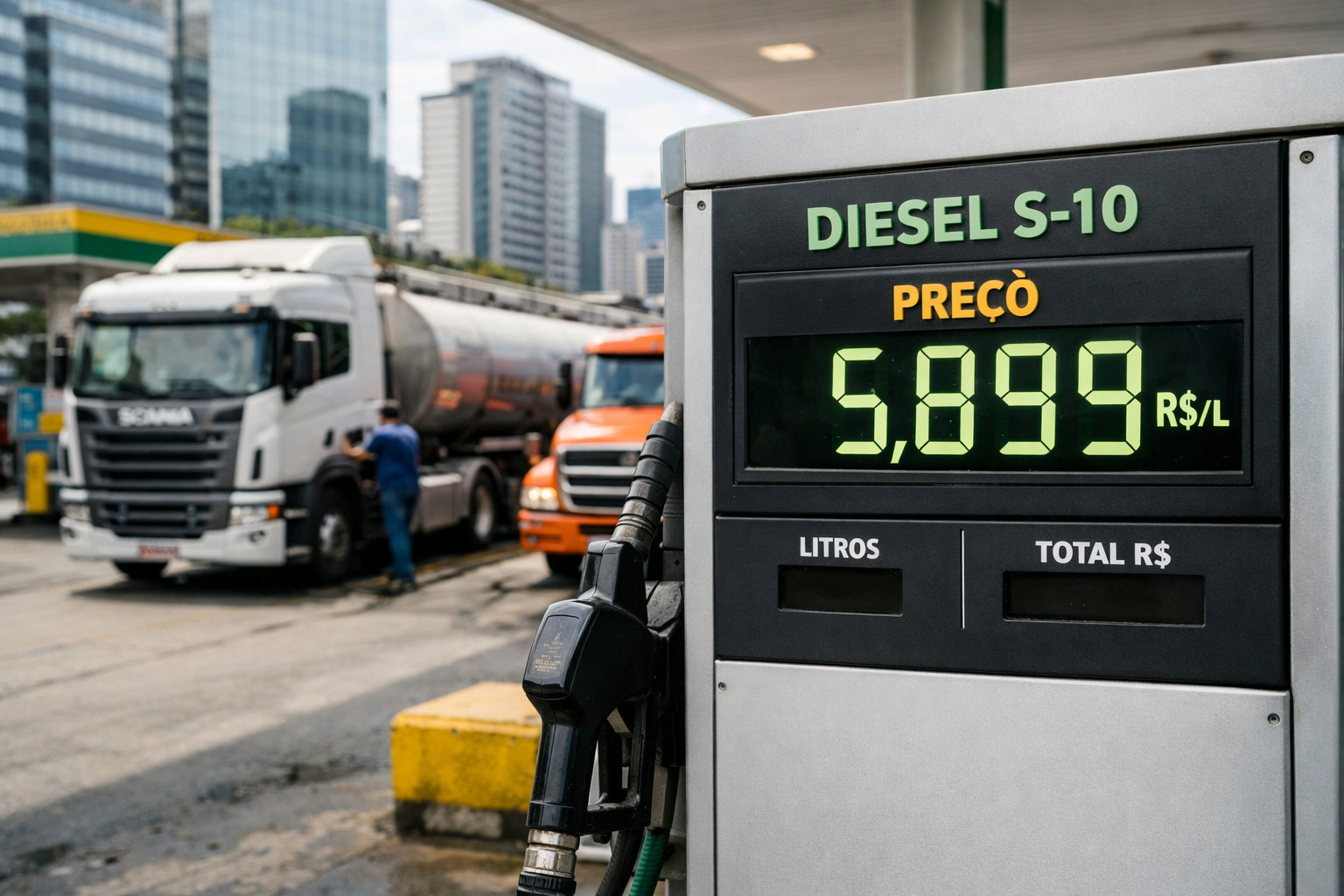
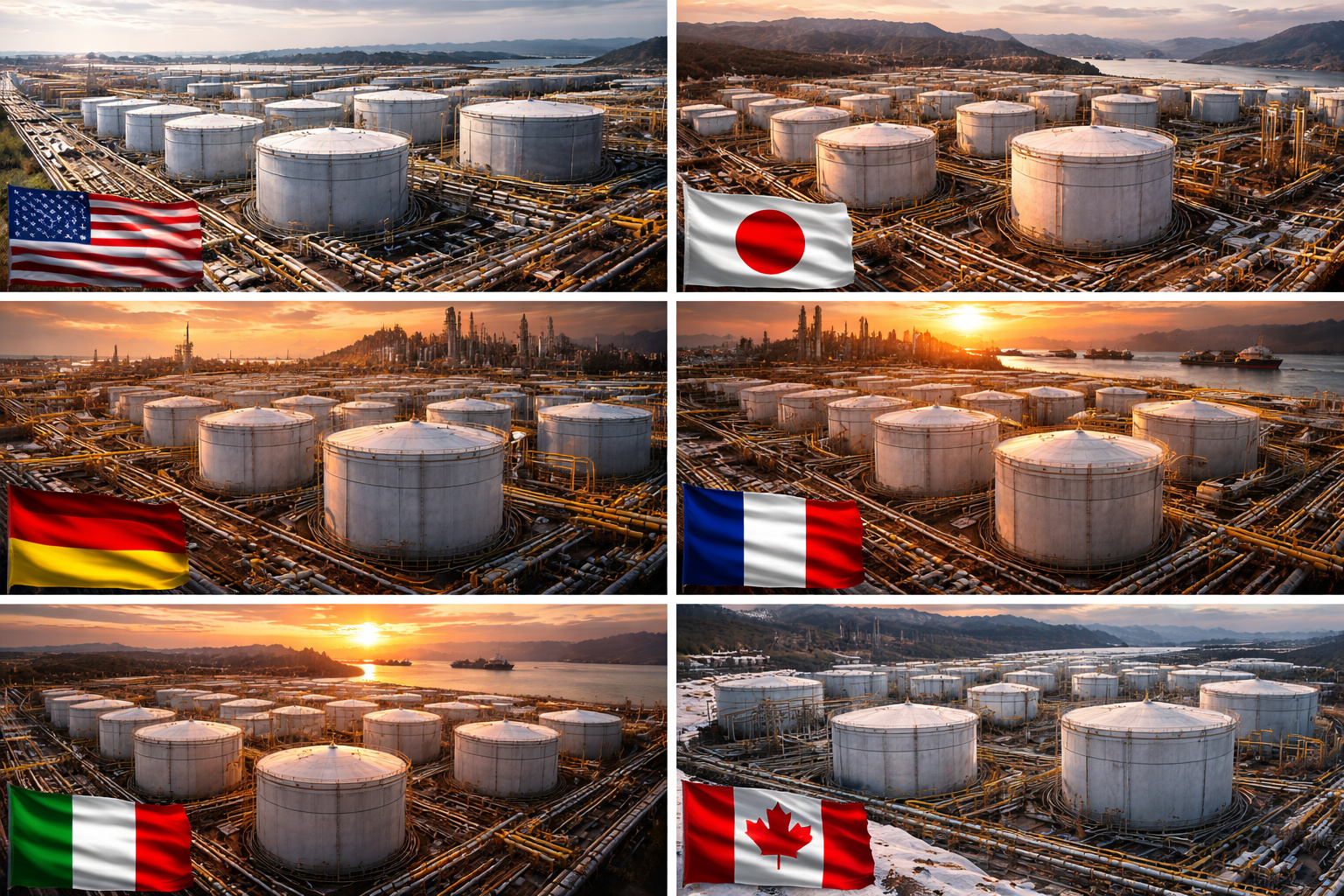
Oil Soars to Nearly $120, Middle East Tensions Shake Global Market, and a Little-Known Detail Returns to Energy Debate: The Gigantic Strategic Reserves Hidden by G7 Countries — See How Many Millions of Barrels Each Nation Holds in Reserve to Face a Global Crisis

Fuels under national surveillance with integrated and coordinated action
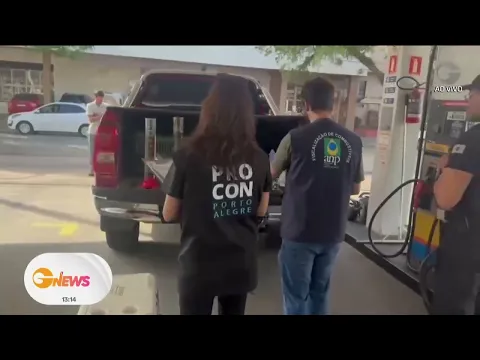
The action of the national task force is one of the most relevant points of this operation. The group includes institutions such as Senacon, Senasp, Federal Police, Federal Highway Police, ANP, and Procons from across the country.
This integration allows for a broader and more efficient supervision of fuels, covering everything from distribution to final sale at stations. The goal is to quickly identify irregularities and prevent abusive practices from spreading.
Furthermore, the simultaneous presence of different agencies increases the power of action, reducing failures in supervision and enhancing response capacity.
Fuel supervision reveals irregularities and price distortions
The initial results show that intensive supervision is already beginning to produce concrete effects. The more than 3,500 notifications indicate a scenario with various irregularities, many of them related to unjustified increases in fuel prices.
The ANP, within the national task force, identified problems in 85 stations and 19 distributors, including 16 fines against large distributors for indications of abusive pricing.
Among the main irregularities detected, the following stand out:
- Increases inconsistent with actual acquisition costs
- Lack of transparency in price formation
- Possible indications of abusive practices in price formation
- Non-compliance with ANP regulatory standards
These practices directly impact consumers and distort competition in the market.


Real impacts of supervision for consumers and the economy
The intensification of supervision brings practical and immediate effects for those who refuel daily. The action of the national task force helps to reduce abuses and increase price predictability for fuels.
In practice, the main benefits include:
- More balance in prices charged at stations
- Reduction of arbitrary increases
- Greater security for consumers when refueling
- Encouragement of fair competition among companies
Furthermore, constant supervision creates an environment of greater accountability for sector agents, who begin to act more cautiously in light of the risk of penalties.
Economic measures reinforce control in the fuel sector
In addition to supervision, the federal government has adopted complementary measures to contain the impacts of rising fuel prices. One of the main actions was the decree that eliminated federal taxes on diesel, specifically PIS and Cofins.
This reduction represented a cut of R$ 0.32 per liter, directly impacting the final price to consumers. At the same time, a subsidy of the same amount was created for refineries and importers, ensuring stability in supply.
Another important measure was the expansion of ANP’s powers, allowing for more rigorous action within the national task force to identify and punish abuses.
National task force expands supervision and strengthens market regulation
The national task force does not only act in a corrective manner but also preventively. The constant presence of agencies increases the perception of risk among companies, reducing the chance of new irregularities.
This strategy strengthens regulation in the fuel sector, making the market more transparent and competitive. Continuous supervision also helps identify behavioral patterns that may indicate structural problems.
Another important point is the capacity for rapid action. With frequent monitoring, authorities can act before larger distortions consolidate.
Strategic role of ANP and Procons in fuel supervision
The ANP plays an essential technical role in supervision of fuels, being responsible for ensuring compliance with sector regulations. Its action is complemented by Procons, which act directly in consumer protection.
This combination allows for a more comprehensive approach that unites technical knowledge and proximity to the population.
The national task force enhances this joint action, creating a more efficient and comprehensive monitoring network.
Fuels, freight, and direct effects for truck drivers
The impact of rising fuel prices goes beyond the stations and directly affects the transport sector. Truck drivers, for example, are strongly affected by fluctuations in diesel prices.
To address this issue, the government has adopted specific measures, including:
- Expansion of the powers of the National Agency of Land Transport
- Reinforcement of supervision on compliance with the minimum freight floor
- Adjustments to the value of road freight on two occasions during March
These actions seek to prevent financial losses and ensure greater stability for professionals in the sector.
Transparency in the fuel sector and combating abusive practices
Transparency is one of the central pillars of this operation. The supervision promoted by the national task force not only identifies irregularities but also encourages clearer practices in the fuel market.
When rules are respected and prices reflect the reality of the market, consumers gain more confidence. At the same time, companies that operate correctly begin to compete under fairer conditions.
This scenario contributes to a healthier and more sustainable economic environment in the long term.
What changes for the consumer with reinforced supervision
With the intensified action of the national task force, consumers gain more protection and access to more reliable information about fuel prices.
The more rigorous supervision reduces abusive practices and increases predictability in the market. This means fewer unpleasant surprises at the pump and more security in consumer relations.
At the same time, the application of fines and sanctions reinforces the importance of compliance with rules, creating an educational effect in the sector.
A new scenario for fuels with more control and balance
The advancement of supervision in the fuel sector represents an important change in the functioning of the Brazilian market. The action of the national task force shows that it is possible to combine regulatory rigor with economic measures to face crises.
The numbers already presented — such as the 5,358 supervised stations, 322 analyzed distributors, and more than 3,500 notifications — indicate that the country is making progress in combating abusive practices.
More than a specific response, this initiative points to a model of control that is more efficient, transparent, and aligned with consumer interests.









Seja o primeiro a reagir!