Portuguese
  Spanish


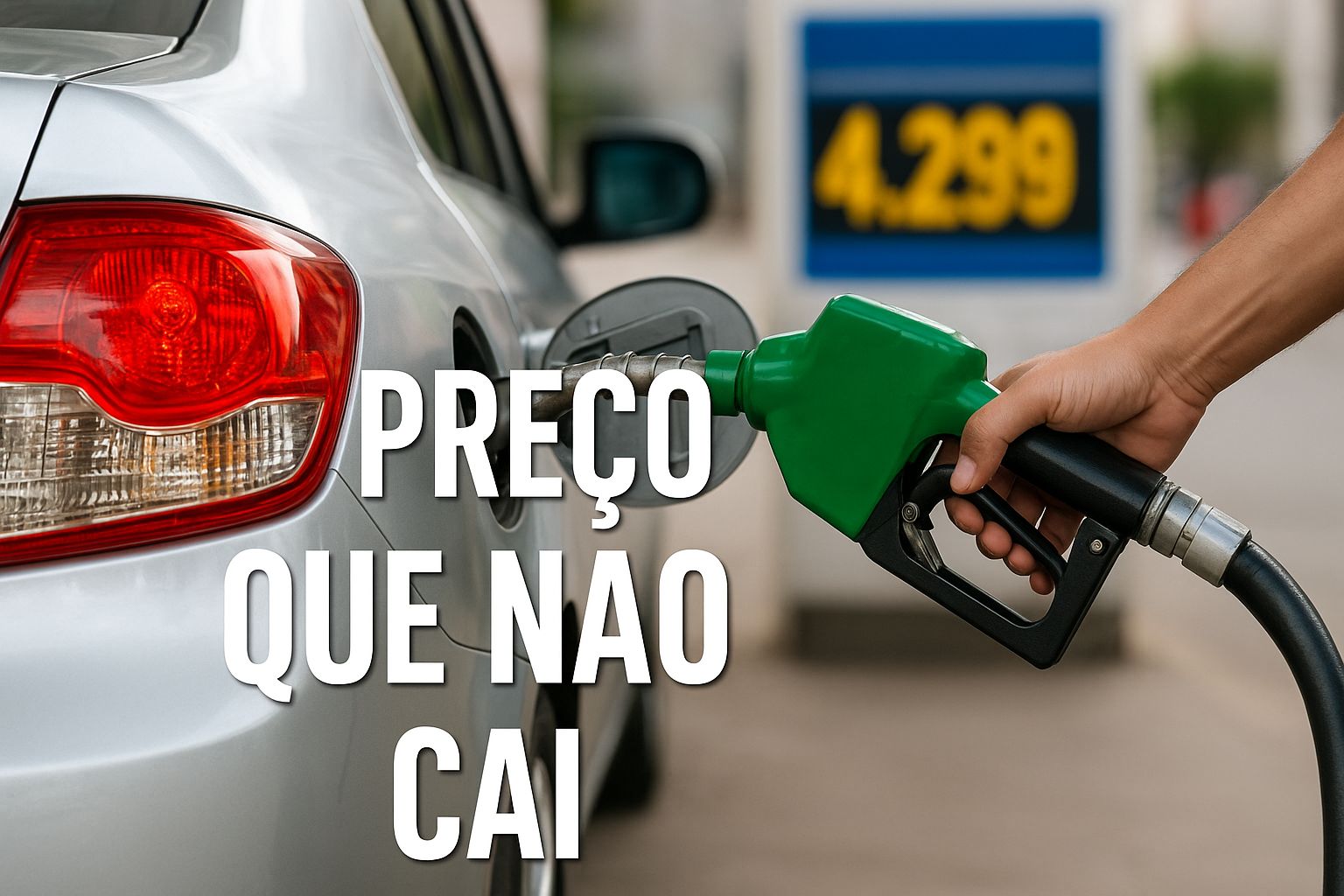


Gasoline with 30% Ethanol Promised Price Drop, but Reductions Were Discreet. See Cost-Benefit and Prices by State.
New E30 Gasoline Generates Controversy and Frustration in Consumers’ Wallets
Gasoline with 30% anhydrous ethanol (E30) began being sold across Brazil on August 1. The federal government promised reductions of up to R$ 0.11 per liter, but in practice, the effect was quite different.
According to the National Agency of Petroleum, Natural Gas and Biofuels (ANP), the national average price dropped from R$ 6.15 in July to values between R$ 6.04 and R$ 6.10 in August. Although the drop occurred, it was discreet and uneven among the states.
Where Did Gasoline Become Cheaper?
Official data shows that Rondônia led the price drop, going from R$ 6.83 in July to R$ 6.68 in August. Maranhão and Piauí continue to have the lowest prices in the country, both below R$ 6, maintaining a more attractive cost-benefit ratio.
-
Drivers are falling for these scams without realizing: operation reveals closed gas stations, adulterated fuel, and hidden losses when refueling.

-
New Fiat EV, priced at R$ 77,000, will bring a reinterpretation of the 147 and a consumption equivalent to 70 km/l.

-
Petrobras surprises the market by cutting diesel by R$ 0.35 per liter, and the decision may ease the tax impact for drivers and transport companies.
-
Gasoline at R$ 4.99 makes drivers wait more than an hour at Havan gas stations in Santa Catarina, during a “zero tax” promotion with a limit of 15 liters per car and 25,000 liters available across five units of the network.





Additionally, states like Alagoas, Ceará, and Rio Grande do Sul also recorded reductions, albeit small, ranging from R$ 0.05 to R$ 0.07 per liter.
Where Gasoline Did Not Drop – and Even Increased
On the other hand, not all drivers felt relief in their wallets. Mato Grosso recorded an increase of R$ 0.12, while Rio Grande do Norte saw an increase of R$ 0.09. Sergipe and Tocantins also experienced slight increases in gasoline prices.
In the North, states like Acre, Roraima, and Amazonas remain above R$ 7 per liter, despite minor negative variations. For those who depend on the fuel daily, the cost-benefit ratio remains compromised.
Ethanol Affects the Bill and Explains Differences
But why didn’t gasoline prices drop as promised? The answer lies in regional factors. The ICMS, charged differently in each state, directly influences the final price.
Moreover, the higher demand for ethanol to make up the new blend impacts the supply of the biofuel and pressures prices. Profit margins for distributors and gas stations also help explain why some areas experienced modest drops or even increases.
Consumers Should Evaluate Cost-Benefit When Refueling
For drivers, the lesson is clear: monitor prices by region and compare gasoline and ethanol. In some states, ethanol remains more competitive, especially when the price is up to 70% of the gasoline price.
Thus, although the promise was for significant savings, reality showed that the reduction was not uniform. Consumers need to evaluate the cost-benefit of each refueling, as the final impact depends on multiple economic and tax factors.
Expectations for the Coming Months
Experts say the market should adjust slowly. The presence of more ethanol in the blend may increase dependence on the sugarcane harvest, making prices more sensitive to supply.
Meanwhile, monitoring the implementation of the announced reductions remains a challenge. Until then, the recommendation is to keep an eye on the weekly prices released by ANP and always seek the best cost-benefit between gasoline and ethanol.