





 Portuguese
  English
  Spanish
  4 min of reading
  0 comments



Even With The Fall In Oil Prices In August, Fuel Prices Remain Stable In Brazil. According To Ineep, Internal Factors And Pricing Policy Explain The Resistance To Reduction
On this Monday (15), the Institute for Strategic Studies in Oil, Natural Gas, and Biofuels (Ineep) released a survey showing that fuel prices in Brazil — gasoline, ethanol, and diesel — remained practically stable during the month of August, even in the face of a significant drop in oil prices on the international market.
According to the study, the Brent crude oil barrel closed the month priced at US$ 67.87, a reduction of 4.5% compared to the previous month. Despite this, prices at Brazilian gas stations did not follow this downward trend, raising questions about the pricing policy adopted by Petrobras and the distribution structure of fuels in the country.
Price Stability Of Fuels In Brazil In August
The price of fuels in Brazil showed minimal variations in August. Gasoline had a slight decrease of 0.3%, with a national average price of R$ 6.19. Hydrated ethanol recorded a 2% increase, while diesel S10 rose by 0.5%.
-
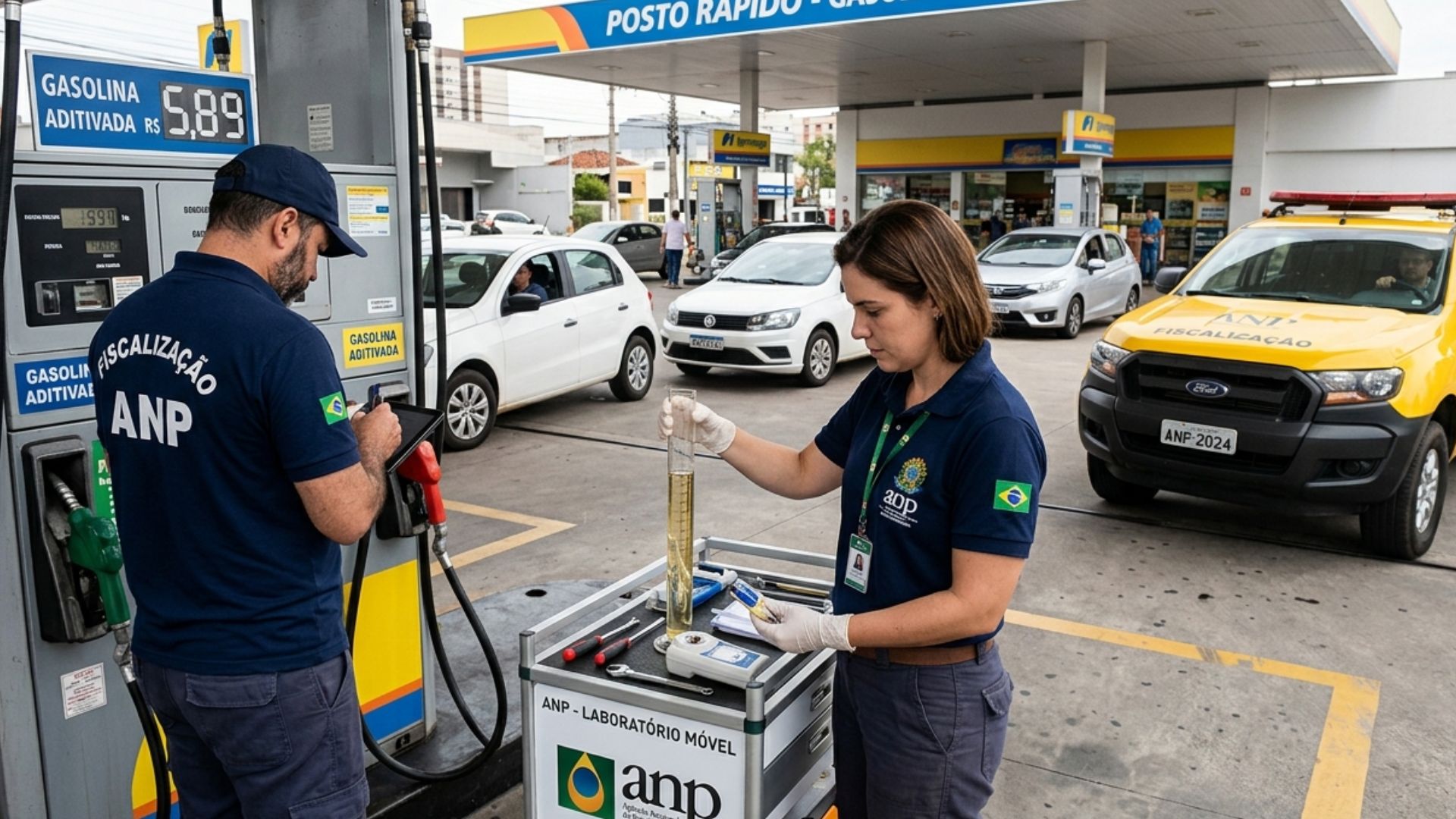
Fuels come into focus: national task force expands oversight at over 5,300 fuel stations, identifies price distortions, and promotes measures that enhance consumer protection and transparency in the sector.
-
3 times more ethanol per hectare can be produced with Eike Batista’s supercane amid rising gasoline prices — how can this technology change fuel prices in Brazil?
-
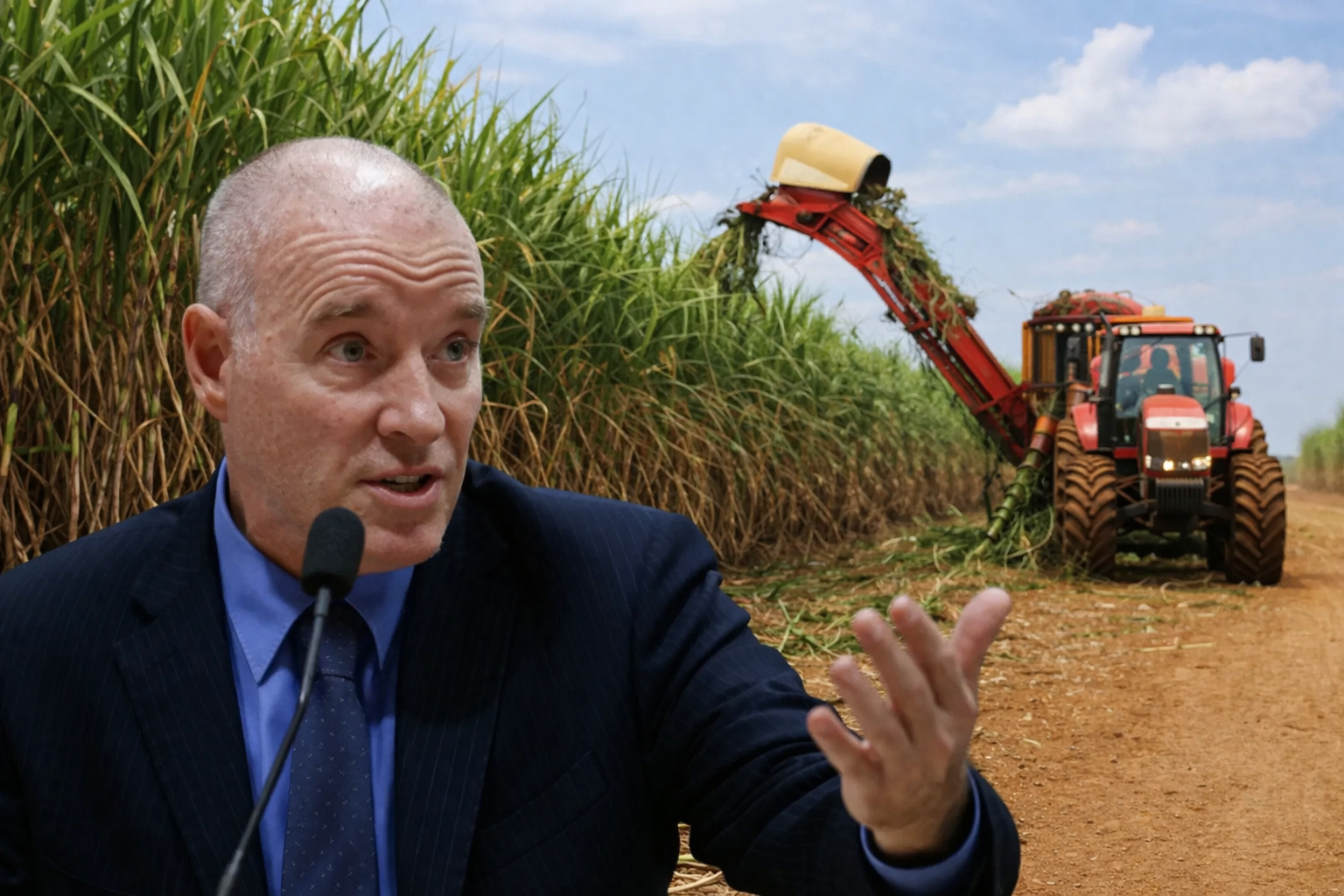
Former president of IBP highlights that dependence on diesel imports pressures prices in Brazil, increases vulnerability to global crises, and underscores the need for more robust and sustainable energy policies.
-
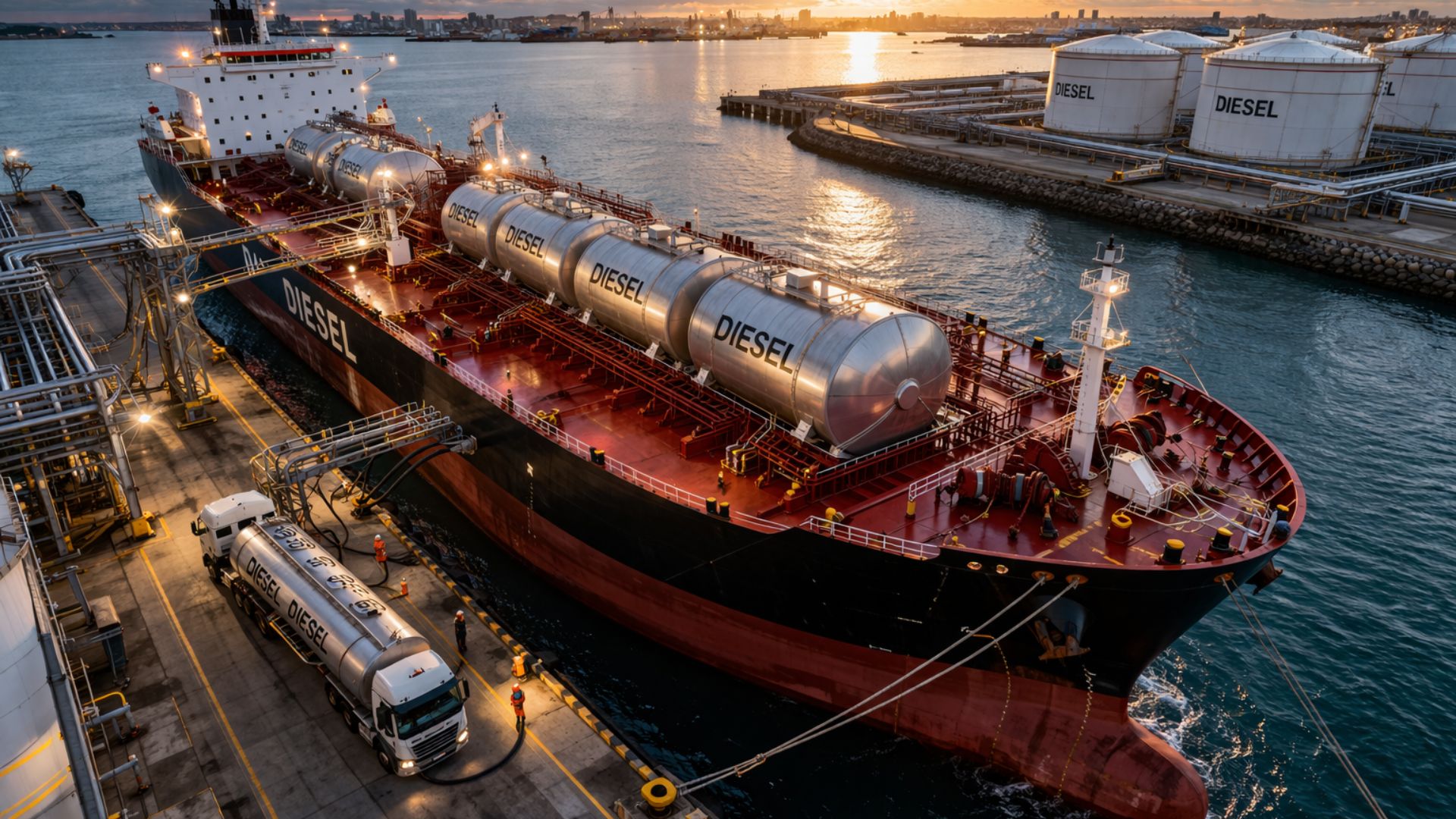
Middle East War Drives Up Oil Prices, And Petrobras Increases Diesel: Fuel Reaches R$ 3.65 Per Liter At Distributors
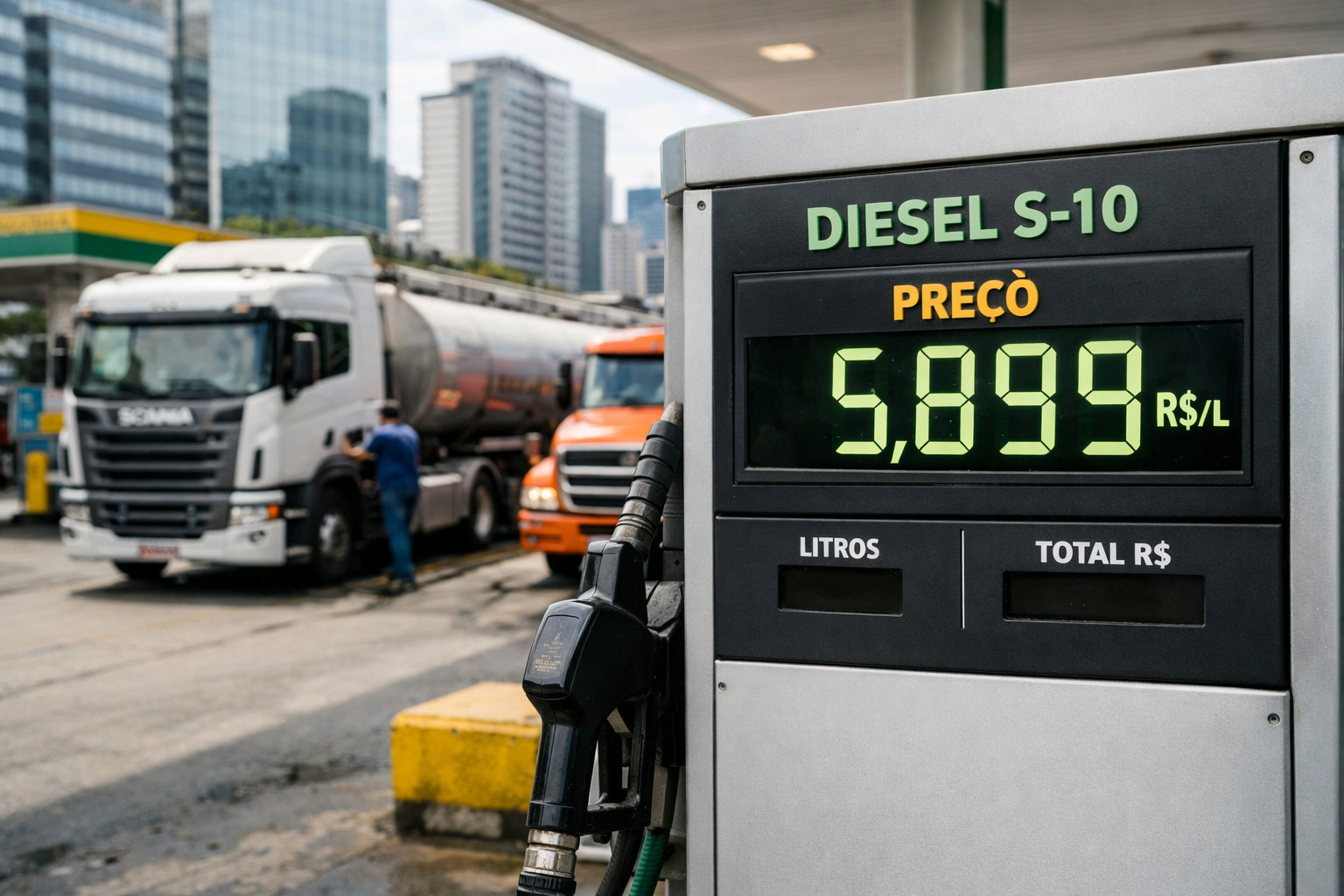

These numbers indicate stability that contrasts with the behavior of oil in the international market. The gap between prices practiced at refineries and final consumer prices is one of the factors identified by Ineep to explain this discrepancy.
Fall In Oil And Its Limited Reflections
According to Ineep, the fall in oil prices in August was influenced by geopolitical factors, such as tensions in the Middle East involving countries like Iran and Israel. Even with this scenario favoring price reductions, fuels in Brazil did not follow the trend.
The president of Sindicombustíveis-DF, Paulo Tavares, stated that there is a R$ 0.15 gap for gasoline and R$ 0.11 for diesel, which would allow reductions without harming distributors. However, Petrobras kept prices virtually unchanged, with only one adjustment in June — a reduction of 5.6% in the price of gasoline.
Pricing Policy Of Petrobras And The Role Of Ineep
Petrobras, the main fuel supplier in Brazil, has adopted a cautious stance regarding price adjustments. The change in the Import Parity Price (IPP) policy, promoted by the Lula government, aims to protect the consumer and avoid inflationary impacts but faces challenges in practical implementation.
Ineep emphasizes that there is room for new price cuts, but the state-owned company fears compromising its financial results. Additionally, the distribution and resale stages have increasingly impacted the final price, with margins that do not reflect reductions at the refineries.
Fuel Prices In Brazil: Updated Data
The analysis from Ineep provides relevant data on the behavior of fuels in Brazil in August:
- Gasoline: decrease of 0.3%, average price of R$ 6.19
- Hydrated ethanol: increase of 0.2%
- Diesel S10: increase of 0.5%
- Brent crude: decrease of 4.5%, priced at US$ 67.87
These numbers reinforce the perception that fuel prices in Brazil are not directly tied to international oil variations, especially in the short term.
Distribution And Resale: Impact On Fuel Prices
One of the critical points highlighted by Ineep is the role of distribution and resale in the formation of fuel prices. Even when there is a reduction at the refineries, final consumer prices may remain high due to the margins practiced by distributors and gas stations.
According to Iago Montalvão, a researcher at Ineep, greater oversight of these stages is necessary to ensure that the benefits of drops in oil prices reach the consumer. He also points out that the lack of transparency in price composition makes it difficult for the public to understand the adjustments.


Recent History And Trends For Fuels In Brazil
Since the beginning of 2025, Petrobras has made only one price adjustment on gasoline, in June. Prior to that, the price had been frozen for over a year. This conservative stance reflects the state-owned company’s strategy to avoid daily fluctuations and maintain stability in financial results.
Even with room for new cuts, as pointed out by experts, the company has yet to signal new reductions. The outlook for the remainder of the year will depend on the evolution of oil prices and political pressure for more affordable fuels.
Ineep: Proposals For Sustainable Price Reduction Of Fuels
Ineep proposes two main actions to make fuel prices in Brazil fairer and aligned with the international market:
- Implementing new adjustments in response to the drop in oil prices
- Tighter regulation on profits in distribution and resale
These measures aim to ensure that consumers benefit from reductions in the cost of raw materials, without prices being absorbed by intermediaries.
Prospects For The Brazilian Consumer
The stability of gasoline, ethanol, and diesel prices in August, even in the face of falling oil prices, reveals a complex dynamic between the international market, pricing policy, distribution structure, and financial interests.
Although there is room for reductions, as indicated by Ineep, Petrobras continues to resist new cuts. The consumer, in turn, remains at the mercy of strategic and political decisions that do not always reflect global conditions.
To ensure more accessible and fair prices, it will be necessary to:
- Strengthen oversight of distributors
- Promote greater transparency in price formation
- Align Petrobras’s policy with social interests
The drop in oil prices could be an opportunity to ease the burden on Brazilians — but this depends on coordinated actions between government, companies, and regulatory bodies.








Seja o primeiro a reagir!