





 Portuguese
  English
  Spanish
  5 min of reading
  0 comments



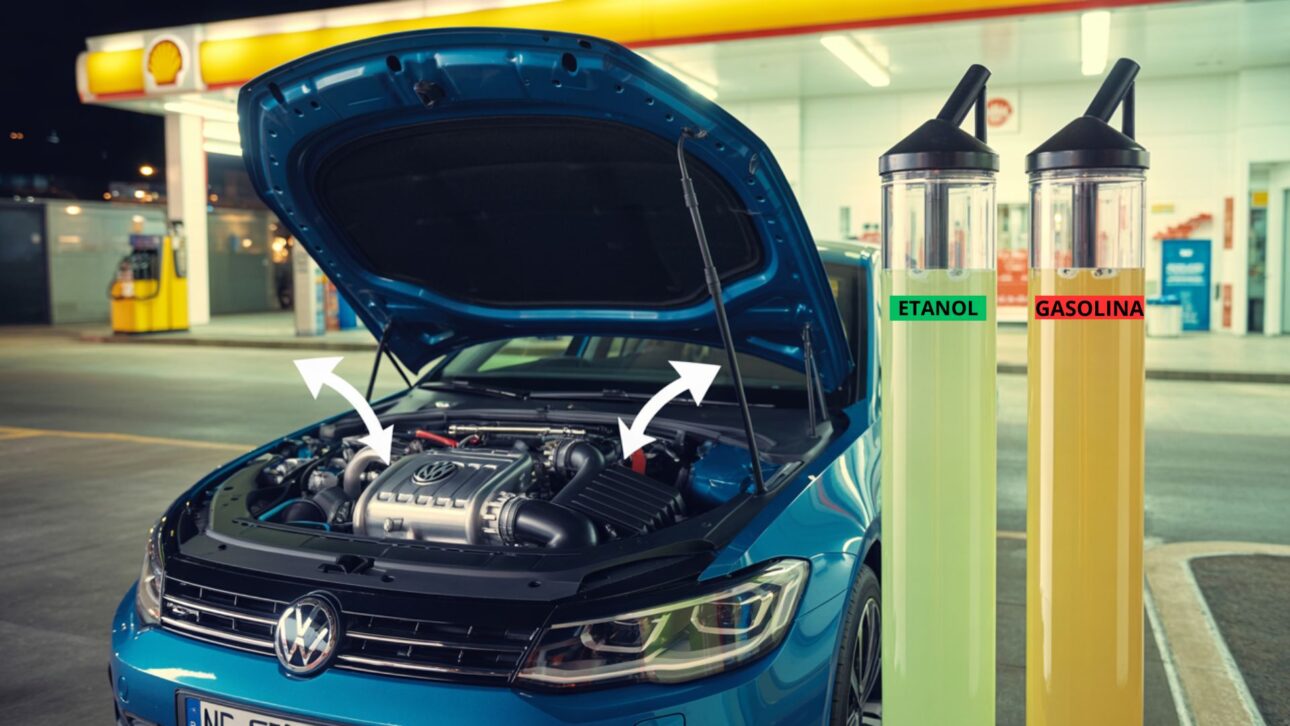
Switching Between Gasoline and Ethanol in a Flex Engine Can Bring Unexpected Consequences for Performance, Economy, and Vehicle Durability. Understand What Experts Say and Learn How to Avoid Damage to Your Car.
The choice between gasoline and ethanol is a common doubt for those driving flex engine vehicles in Brazil.
The impact of this decision goes beyond simple refueling and can directly affect the durability, performance, and even maintenance costs of the car.
Although flex technology has become popular since the 2000s, allowing drivers to choose one fuel or the other, there are practices that, according to experts, can harm engine operation and compromise vehicle health in the long term.
-
The car stored for 38 years: when opening the barn door, what appears is breathtaking and looks like a scene from a movie!

-
Fiat works miracles in the Brazilian market, lowers the price of its 0 km hatch to R$ 69,990, reestablishes the model as the cheapest car in the country, and reignites the battle against Kwid and C3.

-
Chevette with cooking gas: How the gas cylinder ends up being used in cars clandestinely and why this makeshift solution can result in leaks, explosions, damaged engines, and seized vehicles.

-
Fiat launches the new 2027 Toro hybrid with 48V, 176 hp, an electric motor of 15.5 hp, a 0.85 kWh battery, up to 7% fuel savings, 8% fewer emissions, and possible exemption from IPVA.


Fuel Switching in Flex Cars

Flex drivers often make the same mistake when switching between gasoline and ethanol without considering the manufacturer’s recommendations.
Many believe that varying fuels can extend engine life or ensure better fuel economy, but this strategy does not work the same way for all models.
In 2025, with the expansion of onboard technologies in national vehicles, the importance of following each manufacturer’s technical guidelines also increases.
Automotive mechanics experts warn that the transition between gasoline and ethanol must respect parameters defined in each vehicle’s manual.
According to Luciana Félix, a mechanic specialist and manager at Na Oficina in Belo Horizonte, using both fuels can be beneficial but directly depends on the specific indications of each manufacturer.
Some automakers recommend using regular or additive gasoline every 10,000 kilometers, even for those who primarily use ethanol, while others do not recommend switching in certain models.
Care with Ethanol and Gasoline in Flex Engines
Ethanol, recognized for producing lower carbon emissions and being considered more sustainable, requires specific care in flex engines.
Due to its composition, ethanol can cause the buildup of a type of gum in the fuel injector, harming the efficiency of the fuel system.
Gasoline, according to the specialist, can leave carbon residues on the spark plugs, leading to the carbonization of these components.
Both scenarios can lead to increased fuel consumption, loss of performance, and even recurring mechanical failures.
Fuel Quality: A Decisive Factor

The quality of fuel plays a central role in maintaining a flex engine.
Using fuel from questionable sources can increase the risks of damage to electronic injection system components, as well as accelerate the wear of valves and injectors.
Therefore, the recommendation is to refuel only at recognized branded stations that ensure compliance with the regulations of the National Agency of Petroleum, Natural Gas and Biofuels (ANP) and the National Council of Energy Policy (CNPE).
Unregulated or clandestine stations raise the likelihood of refueling with adulterated products, which can bring losses to the driver.
Modern Flex Engines: New Technologies and Challenges
With the evolution of flex engines in Brazil, especially since 2020, vehicles have begun to incorporate direct injection systems and turbo technologies that optimize fuel consumption and help reduce pollutant emissions.
These advancements require increased attention to fuel quality and adherence to the manufacturer’s guidelines, as models with direct injection, for example, are more sensitive to gasoline and ethanol mixtures.
In many cases, the manual recommends specific switching patterns, reinforcing that there is no one-size-fits-all rule for all vehicles.
Why Switching Fuel Can Be Harmful?
Switching between gasoline and ethanol may seem logical to avoid premature wear, but according to data from the automotive sector, not all flex engines are designed for this practice.
The difference in the chemical composition of fuels affects the internal components of the engine differently.
While gasoline can favor the accumulation of carbon residues, ethanol, being more hygroscopic (absorbing water), can cause corrosion and the formation of gum deposits.
These characteristics directly influence the operation and efficiency of the engine, and it is common for drivers who do not follow the manual’s recommendations to report issues such as clogged injectors and ignition failures.
Preventive Maintenance in Flex Engines
Another fundamental point involves preventive maintenance.
Regular maintenance checks, changing spark plugs, cleaning injectors, and following the manufacturer’s guidelines are essential to preserve the lifespan of the flex engine.
Choosing reliable fuel stations, checking the validity of ethanol, and avoiding the mixing of adulterated fuels are actions that contribute to maintaining the vehicle’s good performance.
In 2025, the Brazilian market began to further value these practices, especially in light of rising prices and increasing concerns about sustainability and conscious consumption.
Expert Recommendations for the Flex Engine
Technological advancements in flex engines have brought performance gains but also imposed new considerations on drivers.
Indiscriminate switching between gasoline and ethanol, without consulting the manual or considering fuel quality, can result in financial losses and reduced vehicle efficiency.
The general recommendation is to strictly follow the manufacturer’s technical guidelines and always opt for fuels with proven origins.
According to Luciana Félix, following the manual’s recommendations and valuing fuel quality are actions that ensure maximum performance of the flex engine and help avoid costly repairs.
Ignoring these precautions can increase consumption, accelerate wear of components, and reduce the lifespan of the vehicle.
Do you have the habit of switching between gasoline and ethanol in your flex vehicle? Have you noticed any difference in performance or maintenance of your car? Share your experience and help other drivers avoid this common mistake and preserve engine health.









Seja o primeiro a reagir!