





 Portuguese
  English
  Spanish
  4 min of reading
  0 comments


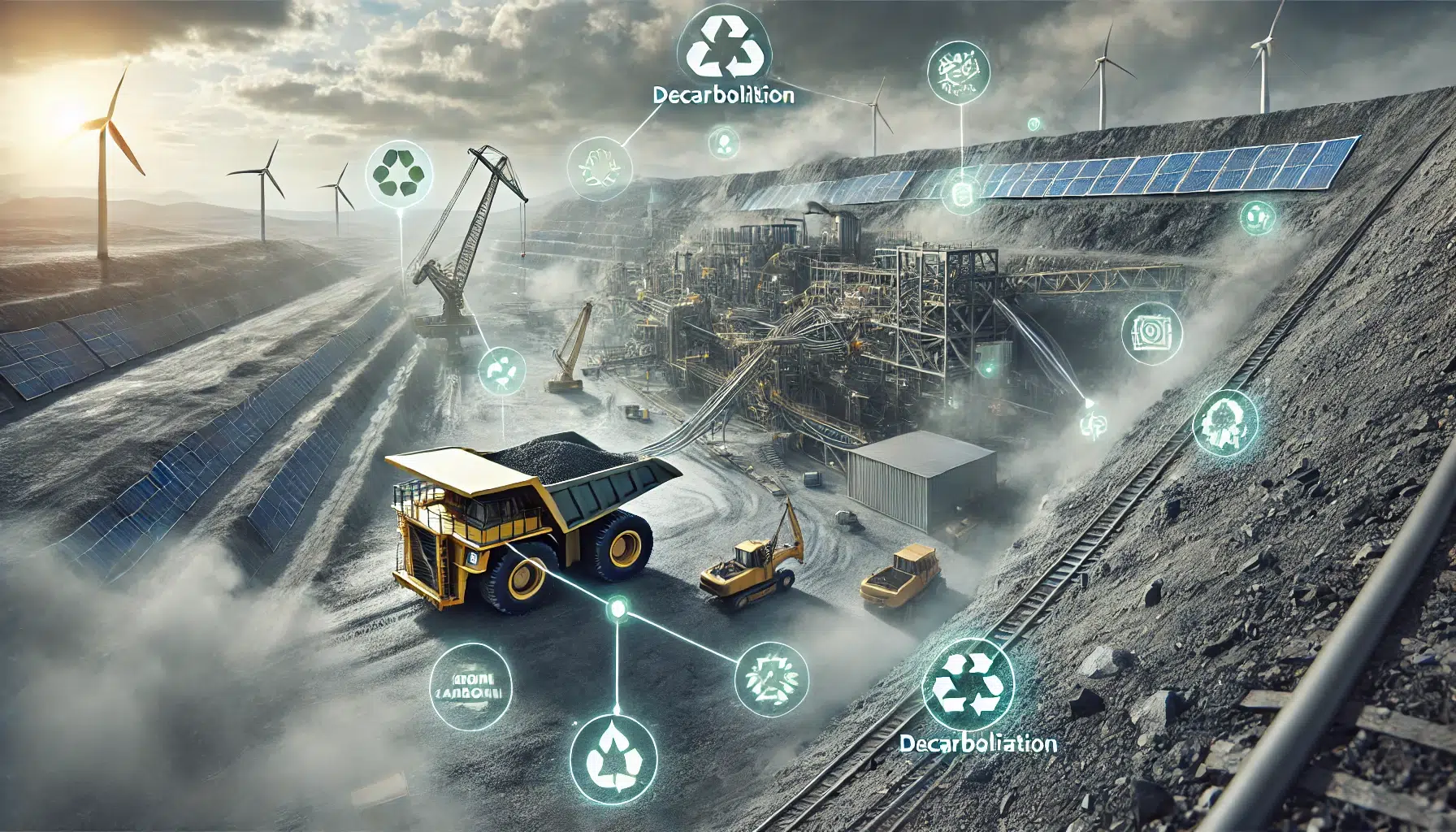
Mining Faces Challenges Such As Decarbonization And Electrification, Seeking Sustainability Through Virtual Twins And Innovative Solutions.
Technological advancements are profoundly transforming mining, especially regarding the search for more sustainable and eco-efficient practices. Once seen as a predominantly industrial activity, mining now adopts innovations such as the use of digital twins. These revolutionary tools allow for a detailed analysis of operations, promoting efficiency and safety while minimizing environmental impact.
In Brazil, the mining sector is undergoing a crucial transition, where old practices are being replaced by more modern methods that consider both the environment and economic development. The mining industry is using these innovations to adapt to a new reality, focusing on sustainable strategies without compromising productivity. This movement towards sustainability marks a new era in mining, led by cutting-edge technology and responsible management.
From the vast landscapes of Australia to the rich mineral deposits of Brazil, each nation plays a vital role in the interconnected global network of mining. However, behind the expansion of this sector lie complex challenges and opportunities shaped by geographical, regulatory factors, and an ever-evolving social environment.
-
After China, it’s now the turn of the USA to ‘secure’ a share of Brazil’s natural resources: the country buys critical rare earths for R$ 3 billion and enters the center of the global technology dispute.
-
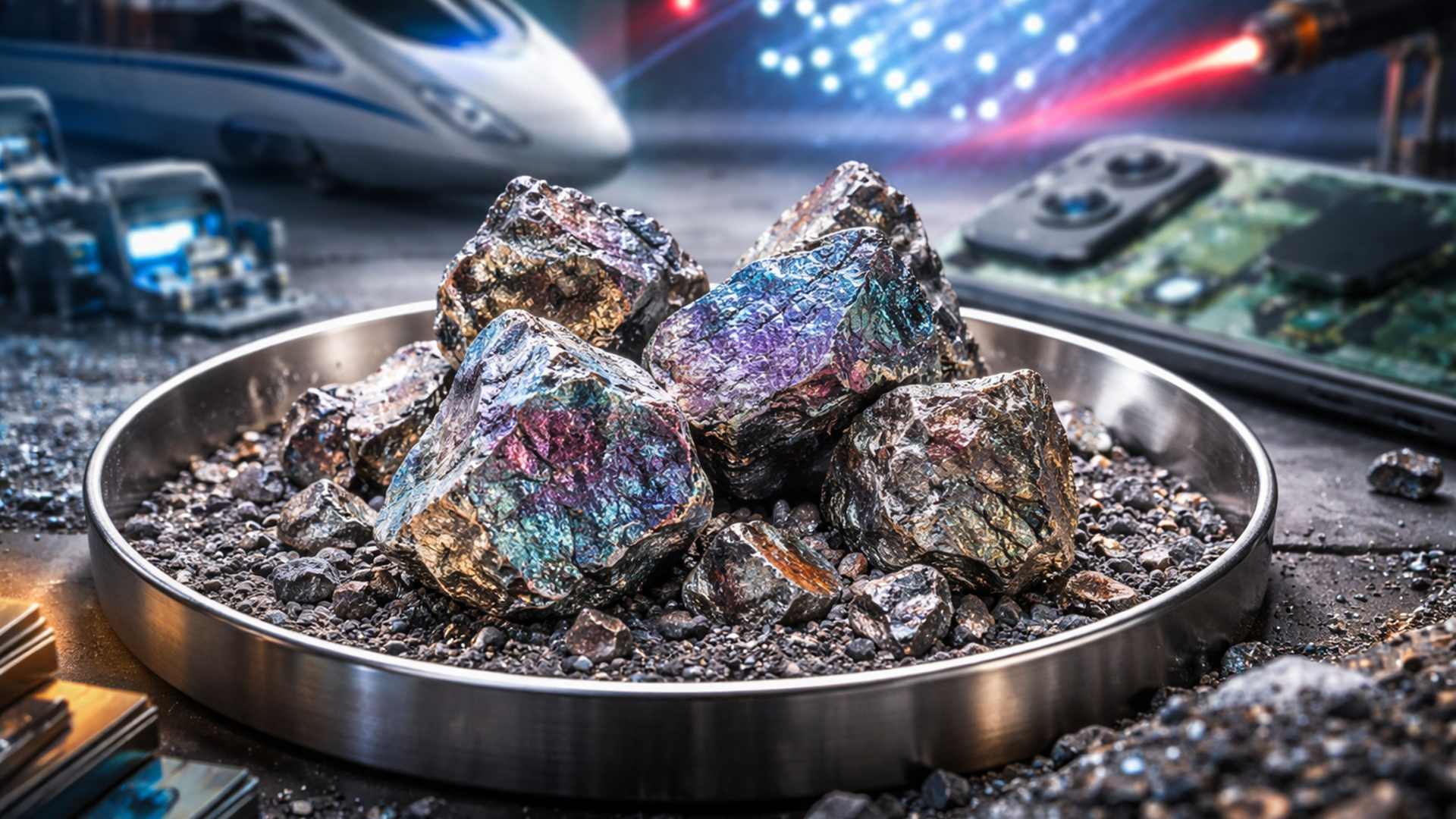
Rare earths are in everything, from cell phones to bullet trains, and what almost no one realizes is why they have become the target of such a delicate global war.
-
Brazil extracts 26.3 million tons of ore from what was previously treated as waste, transforming residues into wealth, producing over 3 million tons of sand, and demonstrating how national mining is relearning to generate value.
-
A $3.5 billion megaproject in Latin America pumps desalinated seawater at 1,050 liters per second over 194 km to keep a copper supermine in the Andes operational for another 20 years.

Current Challenges In The Mining Industry
One of the most complex paradoxes currently faced by the mining sector is the contradiction between the growing imperative of industrial decarbonization and the crucial importance of minerals to enable electrification. As the world seeks a greener path, the demand for critical minerals is projected to grow significantly over the next two decades.
This notable increase is expected to be 40% for copper and rare earth elements, 60% to 70% for nickel and cobalt, and nearly 90% for lithium, according to data from the International Energy Agency (IEA). These minerals are not only essential for enabling renewable energy technologies but also play a vital role in advancing electric vehicles, which promise to transform global transportation.
Impact Of Electric Vehicles
Electric vehicles, along with advanced battery storage systems, have already surpassed challenging sectors like electronics, solidifying their position as the main consumers of lithium. They are expected to even outpace the stainless steel industry as the largest end-users of nickel by 2040, as reported by the IEA. However, amid increasing pressure for sustainability, mining finds itself under intensifying scrutiny due to its environmental and social impact.
To face these pressures, mining companies are compelled to electrify their operations, decarbonize processes, and adopt effective actions to minimize their footprint on the planet. This translates into a delicate balance between economic development and social responsibility, especially in communities close to mining sites. In this scenario, social profitability has emerged as an essential concept, guiding companies to go beyond profits and broadly consider the social and environmental implications of their operations.
Governance And Environmental Responsibility
This implies implementing robust environmental governance, social and corporate (ESG) standards, as well as building meaningful dialogue with local communities to ensure their needs and concerns are adequately addressed. Furthermore, facing the increasing complexity and depth of mineral extraction, the mining sector faces even more stringent technical and safety challenges.
In response, many companies are adopting innovative solutions, such as automation, remote operations, and the use of virtual twins. These virtual twins, which go beyond mere digital replicas, are accurate, data-based three-dimensional models used to test and optimize the performance of assets virtually, including mining processes. They offer the opportunity to design and visualize mining operations in a virtual environment before executing them.
Innovative Technologies In The Sector
Through simulating various conditions and scenarios, mining companies can optimize their operations, reduce costs, and mitigate risks while meeting rigorous technical demands. In Brazil, with its extensive mineral reserves, there is impressive potential to produce critical metals for electrification. However, realizing such potential requires concerted efforts to balance economic development with environmental protection and social responsibility.
By leveraging innovative technologies and adopting sustainable practices, Brazil, like other mining regions, can chart a path towards a more balanced and sustainable future for the mining industry. What the world can learn from this multifaceted scenario is that the global mining sector is at a crossroads, facing unprecedented challenges and opportunities.
Sustainable Future For Mining
By embracing innovation, responsibility, and sustainability, mining companies can navigate this challenging landscape, aided by technologies such as virtual twins, and follow a path towards a more prosperous and sustainable future for all stakeholders.
Source: © bruna.manuelle@ideal.pr









Seja o primeiro a reagir!