





 Portuguese
  English
  Spanish
 4 min of reading


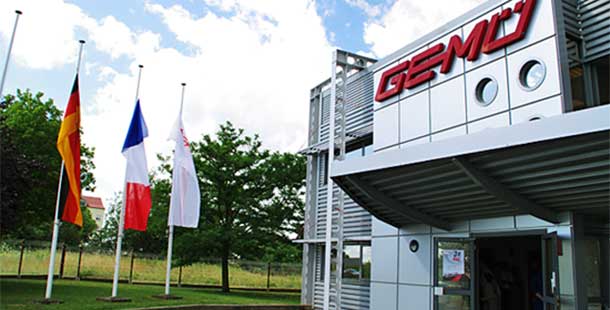
The Plant Located in São José dos Pinhais (PR), Which Has 100 Employees, Will Celebrate 40 Years in 2021 in Brazil Offering Technology in Valves That Prevent Downtime and Waste in the Industrial Chain
GEMÜ Assists in Selecting the Coating Material for Each Type of Fluid to Optimize Investment and Ensure Safety. One of the Secrets to Keeping a Manufacturing System Operational and Free of Unnecessary Interruptions Is Choosing the Specific Equipment for the Plant and, Of Course, Properly Installing and Maintaining It.
You May Also Like
- Less Than 10 Million m³ Per Day of Natural Gas! YPFB Reduces Delivery to Petrobras
- Petrobras Sets Export Record in February
- Nova Engevix Forecasts Completion of São Roque Plant Works in Santa Catarina and Resumption of Business with Petrobras
To Avoid Problems with Frequent Machine Downtime, the Valve System Needs to Be Adjusted to the Chemical and Physical Characteristics of the Operating Fluids. In Addition to Material Selection, It Is Necessary to Evaluate the Ideal Type of Connections and Actuators (Equipment Installed on the Valve That Allows Automatic Operation, Whether by Air Jet or Electric Current).
A Feature of the “Diaphragm” Valve Model, GEMÜ’s Flagship, a German Multinational with a Factory in São José dos Pinhais (PR), Is That It Can Be Used Where Other Types of Valves Cannot, Such as for Passing Sulfuric Acid in High Concentrations.
-
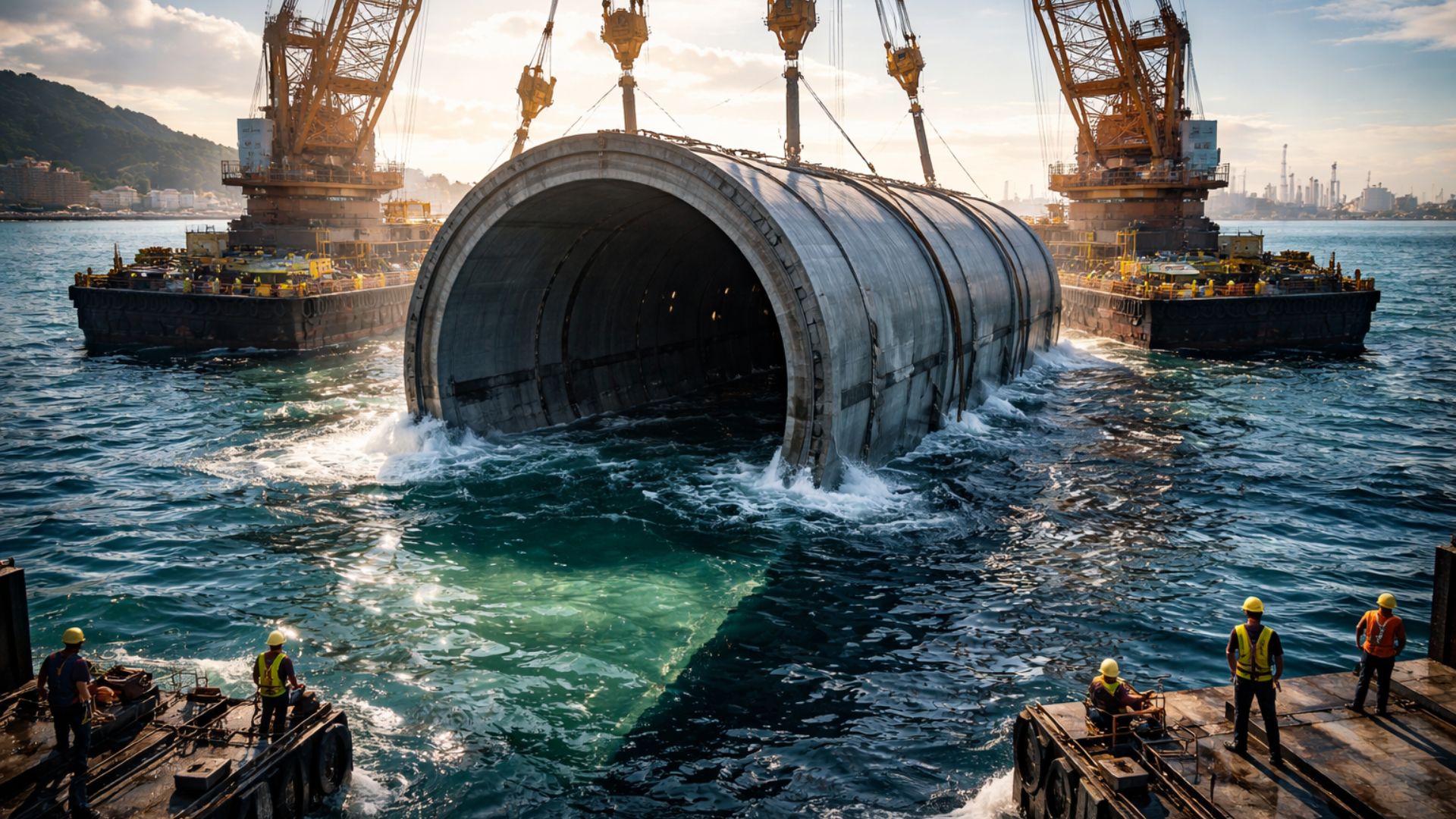
The government opens the vault and deposits R$ 2.6 billion for the construction of Brazil’s first underwater tunnel, with a length of 1.5 km, 870 m under the sea, a total project cost of R$ 6.8 billion, and a 30-year concession.
-
Only 46 meters remain for Brazil and Paraguay to connect via the Bioceanic Route bridge, the project that will link the Atlantic to the Pacific by land and change the logistical map of four countries in South America.

-
The bridge that holds the largest stone railway arch in the world: built over 100 years ago, destroyed in the war, and rebuilt to continue operating to this day, it still carries trains over the Soča River in Slovenia.

-
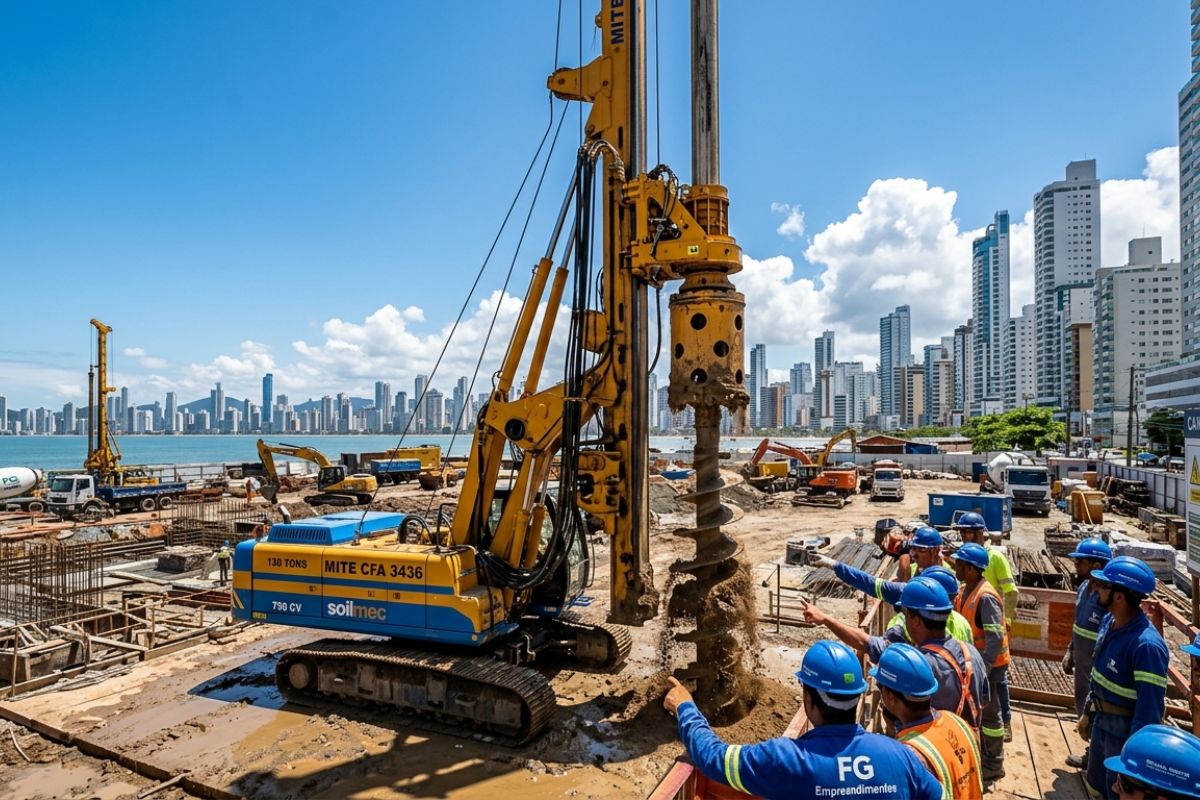
Italian giant of 130 tons arrives at the Senna Tower construction site and accelerates foundations: Mite CFA 3436 drills up to 50 m, 750 hp engine, investment of R$ 20 million, unique in Latin America.

“This Is the Ideal Valve for Highly Corrosive Fluids,” Explains Aparecido Campos from GEMÜ’s Engineering Department. “However, This Type of Fluid Requires Constant Maintenance, and Eventually, the Diaphragm Needs to Be Replaced,” He Points Out. The Main Models of Manual Actuation Valves Are 675 and 655, and in the Automatic Category, 620.
One Major Advantage Is That the Sealing Diaphragm Can Be Replaced Without Disassembling the Equipment Body. Furthermore, the Closure Is Leak-Proof, Without the Need for Additional Seals. In Any Case, It Is Essential to Conduct an Analysis of the Various Operating Conditions, Which Often Occur Within the Same Plant, in Order to Select the Most Suitable Valves.
The Correct Installation and Maintenance Depend on This and on the Manufacturer’s Consulting, Which Should Provide Installation Instructions and Even Send Parts for Review, as Is the Case with GEMÜ.
Safety Tips
The Process Conditions of Each Manufacturing Unit Determine the Ideal Type of Coating for the Valve Body and Sealing Diaphragm. The Body Composition Can Be Made from Different Materials, Such as Cast Iron, Stainless Steel, with Coatings in ECTFE, Rubber, PFA, PP, Among Others, Which Ensure a Range of Options for Each Usage Type. The Sealing Diaphragm, in Turn, Can Be Made of Butil, PTFE, EPDM, CR, Rubber, FPM, According to the Need.
The Piece Is Adaptable for the Passage of Fluids Ranging from Clean to Heavily Contaminated, Neutral and Corrosive Gases, Which May Contain Sludge, Dust, Abrasive Substances, or Waste. “In the Case of Particulates Present in the Fluid, the Straight Passage Valve Is Recommended, to Allow for Better Flow and Not Damage the Valve. For This Scenario, the Equipment Body Should Be Metallic, Ideal for Contaminated Sludge, Granulated, and Corrosive Materials,” Clarifies Aparecido Campos.
The Angular Diaphragm Valve Is Recommended for Sewage Treatment, Dirty Water, Saline, Cooling Water, and Even Drinking Water. Other Industrial Segments That the Angular Model Adequately Serves Include Pulp and Paper, Paint and Dye Passage, Extraction and Processing of Precious Stones, Metals, and Ores.
The Piece Is Also Recommended for Replacing “Hose” Type Valves, Which Operate by Strangulating Rubber Tubes. “This Type of Material, Which Is Easier with the Use of the Diaphragm Model, Does Not Require the Removal of the Body for Parts Replacement,” Emphasizes Campos.
In Addition to the Fluid’s Abrasiveness, Temperature and Pressure of the System Are Variables to Be Considered – in the Case of Highly Abrasive Fluids, It Is Ideal to Use a Slow Flow to Protect the Components. One Tip to Avoid Clogging with Fluid Waste Is to Install the Valve Upside Down to Allow Egress and Exit of Contents.
About GEMÜ – The Subsidiary of the German Multinational Founded by Fritz Müller in the 1960s Provides the Brazilian Market with Extremely Efficient and High-Quality Valves. The Plant Located in São José dos Pinhais (PR), Which Has 100 Employees and Celebrates 40 Years in 2021, Produces Valves and Accessories for Water and Effluent Treatment in Industries of All Sectors, Such as Steel, Fertilizers, and the Automotive Industry, as Well as Integrating Power Generation Systems. In the PFB (Pharmaceutical, Food, and Biotechnology) Sector, GEMÜ Is a World Leader and Sells High-Precision Products Throughout Latin America, with Local Support, as Well as Consulting from Professionals Capable of Guiding the Selection of the Best Valve Solution for Each Application.










Seja o primeiro a reagir!