





 Portuguese
  English
  Spanish
  3 min of reading
  0 comments


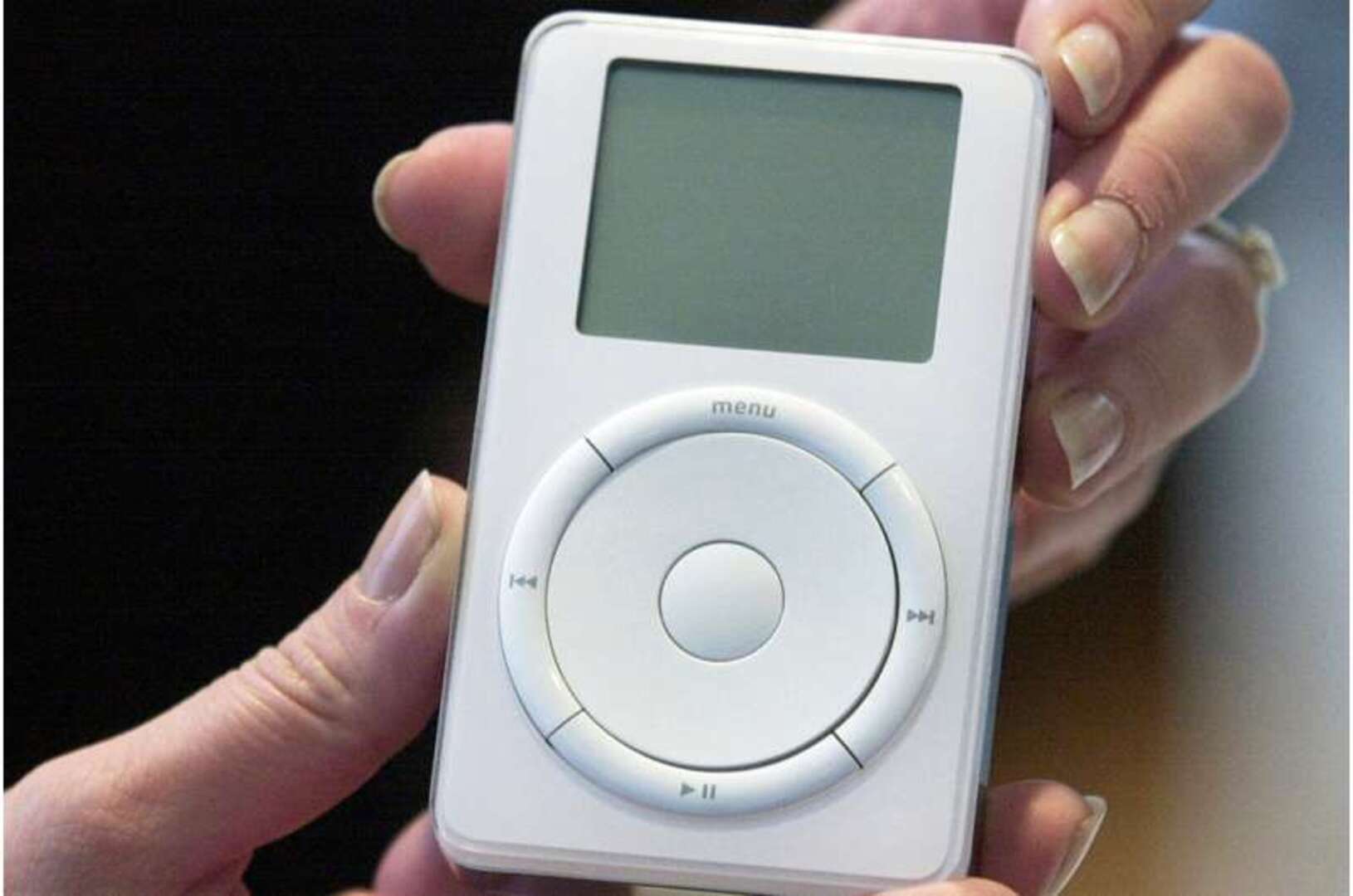
A new generation is determined to revitalize the iPod to escape the distractions of smartphones and focus on pure music.
A new wave of young consumers is abandoning modern streaming services to revitalize the iPod, seeking a distraction-free listening experience.
The movement, driven by the Generation Z, prioritizes digital disconnection and physical ownership of music files over the constant connectivity of smartphones. By using devices that lack notifications or social media, these users find a refuge focused exclusively on high-fidelity audio consumption.
The interest in revitalizing the iPod is not just a matter of nostalgia but a response to the fatigue caused by information overload and recommendation algorithms. Many users are acquiring older models, such as the iPod Classic, and making hardware modifications to increase storage capacity and battery life.
-
Finland completes the world’s first nuclear waste deposit in a stable rock formation 1.9 billion years old for millennia of protection.

-
Germany scraps billion-euro project for a 450 km/h maglev train after spending 1.25 billion euros and sees technology thrive in China.

-
Stanford scientists develop new cement with volcanic rock capable of cutting carbon emissions by 67% in construction.

-
Research from the University of Manchester confirms that waste heat from combustion engines increases city temperatures by up to 0.35 °C.

This practice allows users to carry entire music libraries without the need for an internet connection, solidifying the device as an essential tool for digital well-being.
The disconnection and focus movement
The main motivation for revitalizing the iPod is the elimination of constant interruptions caused by messaging apps and social media. When music is played on a dedicated device, the listener is not tempted to check news feeds or respond to emails, allowing for total immersion in the artistic work.
Digital behavior researchers point out that this “deep listening” improves concentration and reduces anxiety levels associated with excessive use of multifunctional screens.
Beyond the mental aspect, the retro-tech aesthetic plays a crucial role in the decision to revitalize the iPod. The iconic design and physical interface of the click wheel offer a tactile satisfaction that touch screens cannot replicate. For many, the act of selecting an album and listening to it from start to finish represents a reclaiming of intention in cultural consumption, something that has been lost in the era of infinite random playback of modern algorithms.
Hardware modifications and customization
The market for replacement parts has grown significantly due to the trend of revitalizing the iPod, with specialized companies offering SD card adapters to replace old mechanical hard drives. These upgrades make the devices lighter, faster, and more impact-resistant, as well as allowing for storage of files in lossless formats.
Technology enthusiasts share online tutorials on how to swap batteries and screens, transforming discarded devices into modern and efficient music machines.
Customization is another attraction for those who decide to revitalize the iPod. Unlike the closed ecosystems of today’s smartphones, older iPod models allow for greater freedom to organize and manage one’s own music collection.
The use of alternative management software allows users to regain control over their digital files, ensuring that music remains accessible regardless of monthly subscriptions or changes in service terms from large corporations.
Cultural impact and sustainability
The initiative to revitalize the iPod also carries a strong ecological appeal by promoting the circular economy and avoiding electronic waste. By giving new life to devices that would have ended up in electronic waste, young consumers are practicing more conscious and sustainable consumption.
This behavior challenges the cycle of planned obsolescence and demonstrates that technologies considered “outdated” still hold immense functional and emotional value in the contemporary world.
Experts believe that the trend of revitalizing the iPod reflects a broader desire for technological simplification. While streaming services offer millions of tracks, personal curation done within a limited device brings a sense of more intimate connection with the artist.
The resurgence of the iPod as the definitive music player for a new generation proves that sometimes, real progress lies in removing distractions and returning to the essence of the listening experience.
Click here to access the study.






Seja o primeiro a reagir!