





 Portuguese
  English
  Spanish
  6 min of reading
  0 comments


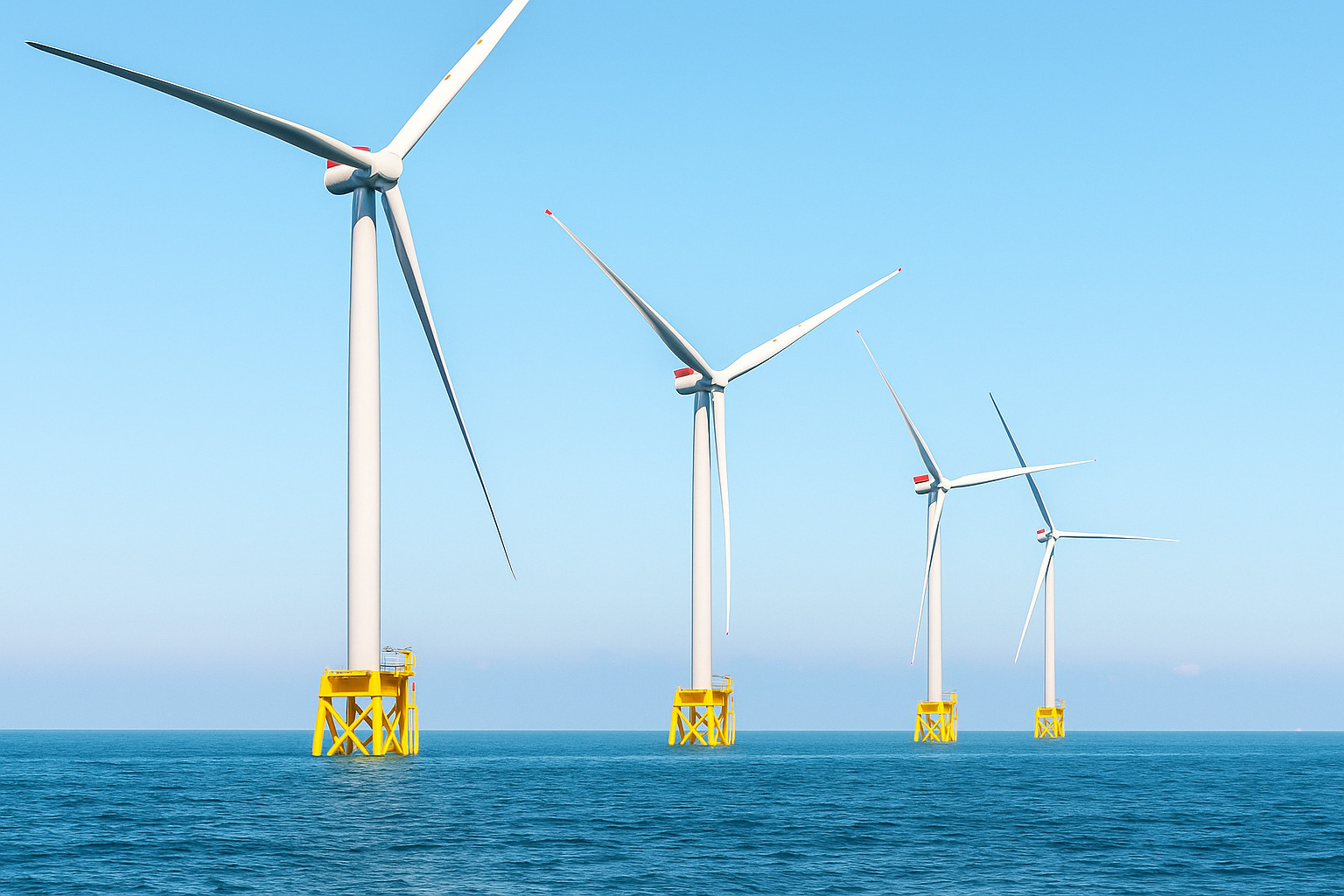
Discover How the Onshore Wind Generation in Latin America is Expected to Reach 83 GW by 2034, Overcoming Challenges and Establishing Itself as a Vital Source for the Region’s Energy Future.
Undoubtedly, the onshore wind generation in Latin America has gained prominence in recent decades as a clean and renewable alternative to power the region.
Indeed, the growing concern for environmental sustainability, alongside the increasing demand for energy and the search for less polluting sources, has driven the development of this energy matrix.
According to a report by the renowned consulting firm Wood Mackenzie, the installed capacity of onshore wind energy in Latin America will reach 83 gigawatts (GW) by 2034.
-
Giant of the winds in Rio Grande do Norte: Serra do Tigre Wind Complex receives new investments and accelerates the expansion of clean energy generation to supply millions of Brazilian homes.
-
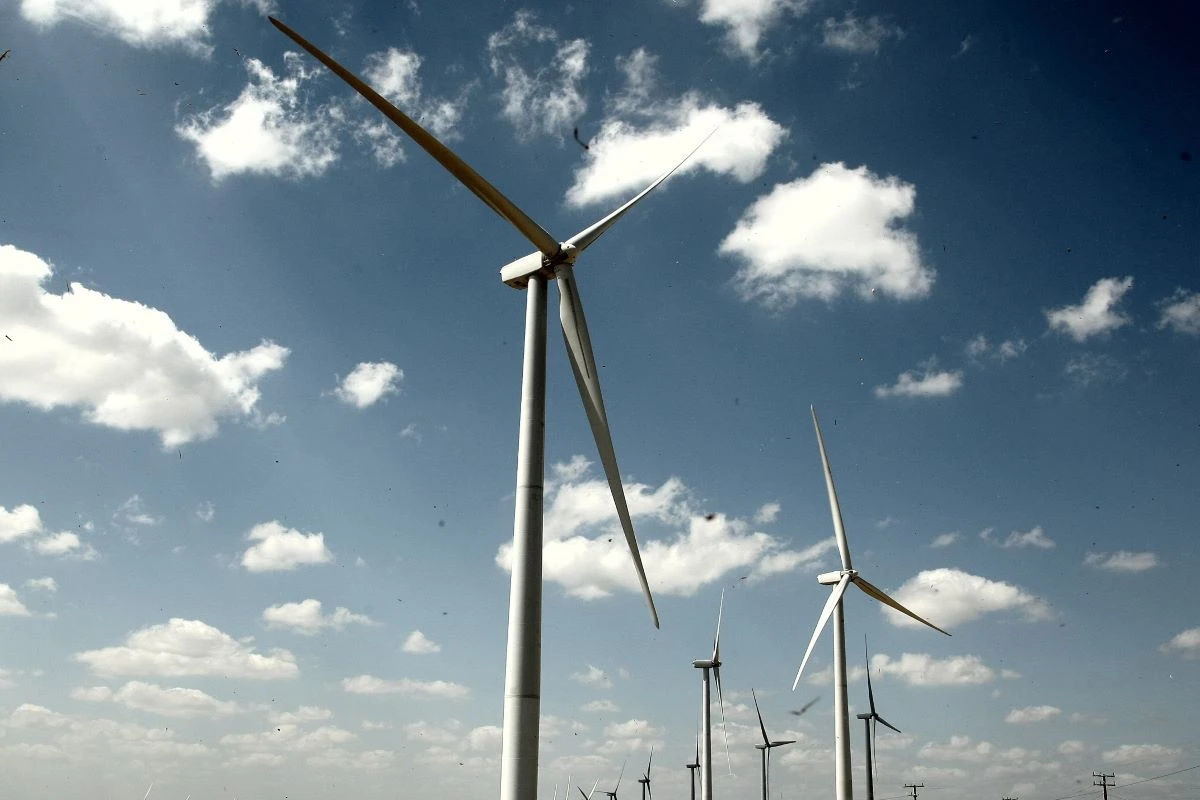
Urgent energy transition: Greenpeace advocates for massive investments and points to Brazil as a global leader in wind energy production in the coming years.
-
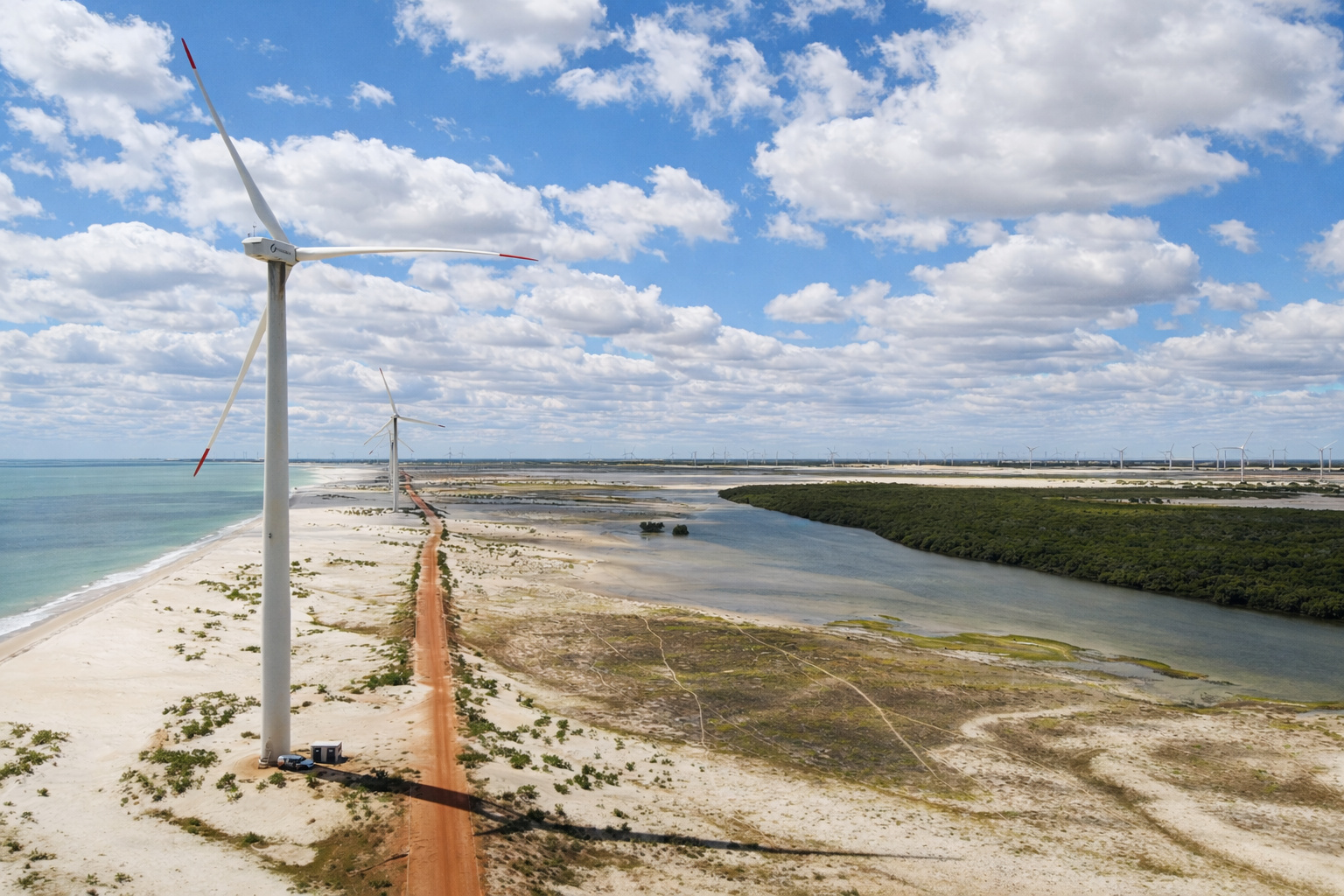
Conflict in the Sertão: Rural communities in Rio Grande do Norte report issues with wind farms and the new challenges of clean energy in the semi-arid region.
-
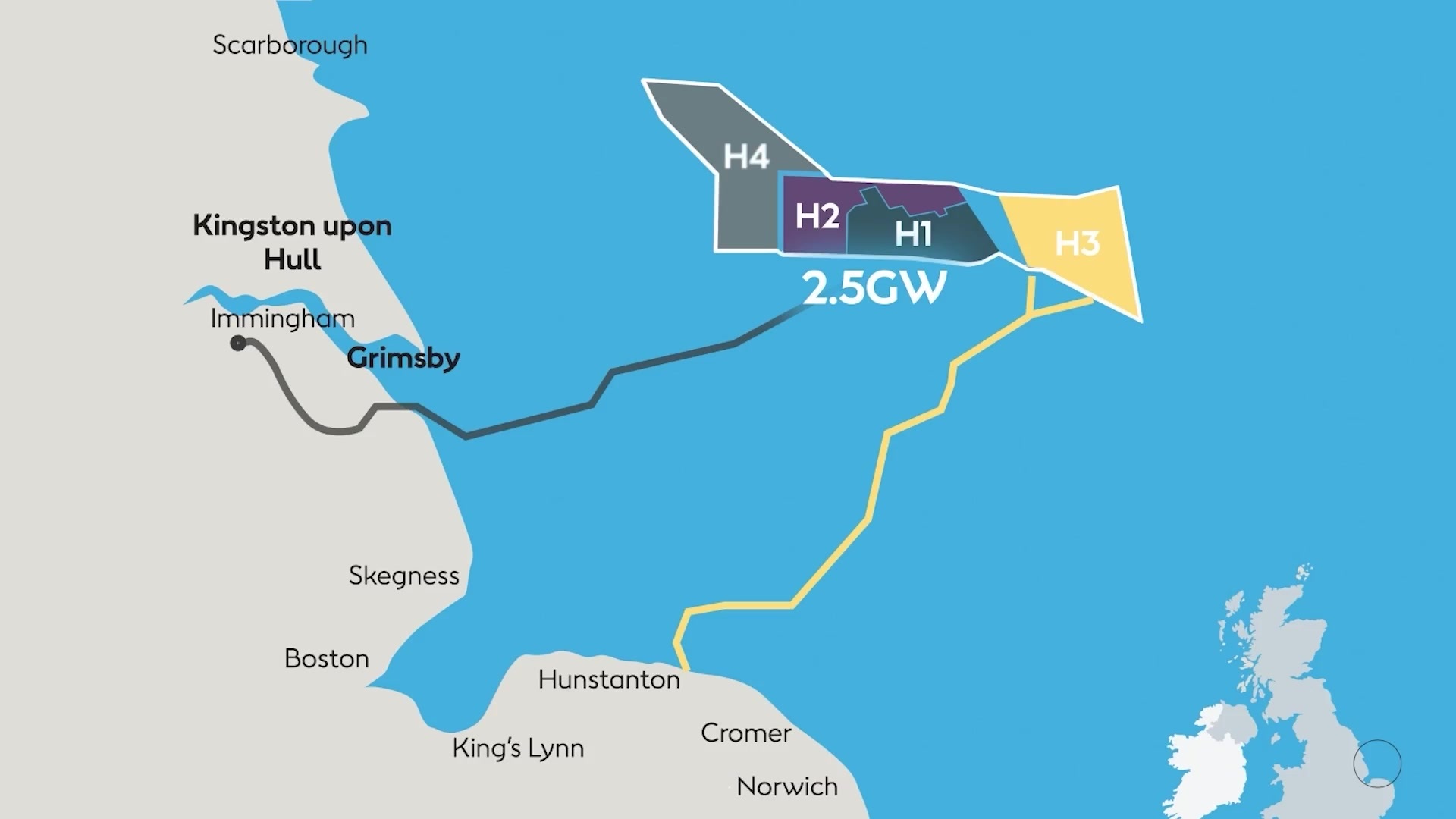
231 turbines of 260 meters at 160 km from the coast, monopiles weighing as much as nine blue whales embedded in the North Sea, and a crane ship taller than the Eiffel Tower: Hornsea 3 will be the largest offshore wind farm on the planet by 2027, and its first components have already arrived in England.

This consolidates the importance of this renewable source for the continent’s future.
To start, it is important to understand the historical context of the growth of the onshore wind generation in Latin America.
Wind energy, although not new, dates back thousands of years, when the first civilizations used the wind to move mills and sailboats.
However, it was not until the 20th century that the application of wind to generate electricity gained momentum, thanks to technological advances that allowed the construction of wind turbines capable of converting wind into electrical energy on a commercial scale.
In Latin America, the development of wind energy started timidly in the early decades of the 21st century. Countries such as Brazil, Chile, Argentina, and Colombia have explored their wind potential mainly in the last decade.
Indeed, the abundance of favorable winds, particularly in coastal areas and specific regions such as northeastern Brazil and northern Chile, has offered a valuable opportunity to diversify the region’s energy matrix.
Moreover, the growing global pressure to reduce greenhouse gas emissions and dependence on fossil fuels has also contributed to this scenario.
Thus, onshore wind energy, being an abundant and renewable source, has come to be seen as one of the main solutions to this challenge.
Public Policies and Infrastructure Challenges
One of the main factors driving the expansion of onshore wind generation in Latin America has undoubtedly been the adoption of public policies and government incentives that facilitated the development of wind projects.
In many countries, energy auctions, subsidies, and power purchase agreements (PPAs) have stimulated investments in the sector.
For example, in Brazil, the growth of the free energy market has allowed large consumers to seek renewable sources to meet their needs, thus increasing the demand for wind energy.
In Chile, the decarbonization effort has accelerated the transition to renewable sources, and ambitious goals for 2030 are being achieved ahead of schedule.
However, despite the optimism regarding the wind generation potential, the path to expanding this source faces challenges.
One of the main obstacles in Latin America is the limitation of the electric transmission infrastructure.
The integration of energy generated by wind turbines into the electrical grid depends on a robust and efficient network, which is not always available in remote regions where winds blow most intensively.
This lack of infrastructure causes generation cuts and limits sector growth, as has been the case in Brazil and Chile.
Additionally, regulatory and economic aspects influence the pace of expansion.
In countries like Peru and Colombia, political instability and the slow licensing processes hinder the implementation of new projects.
On the other hand, currency devaluation in some markets increases the cost of investment in infrastructure and turbines, affecting the financial viability of the ventures.
Wind projects need to respect local communities, promoting open dialogue and mitigating environmental and social impacts.
Projections and the Future of Wind Generation in the Region
Wood Mackenzie predicts that the growth of onshore wind generation in Latin America will remain stable and continuous until 2034, although it may not replicate the accelerated pace of recent years.
Indeed, the sector is undergoing a transition, in which overcoming infrastructure bottlenecks and consolidating regulatory frameworks becomes essential to achieve its full potential.
Thus, the region’s ability to face these challenges will determine the success of wind expansion.
Historically, the region has always played a significant role in the global energy landscape, mainly due to its hydropower potential.
However, the excessive dependence on hydropower, which suffers from climatic variations such as prolonged droughts, has highlighted the need to diversify the matrix.
Therefore, onshore wind energy, which complements hydropower, is now seen as a strategic solution to ensure energy security and sustainability.
Moreover, the growing digitalization and modernization of electrical grids may favor the integration of wind energy.
Smart grids, capable of better managing supply and demand, help to minimize the impacts of intermittency and optimize the use of generated energy.
Environmental Benefits and Technological Advances
The positive environmental impact of wind energy reinforces its role in the Latin American landscape.
As a clean source that does not emit polluting gases or toxic waste, wind generation directly contributes to the reduction of carbon footprint.
This helps countries in the region meet their international commitments in combating climate change, aligning with global agreements such as the Paris Agreement.
Another relevant aspect is technological advancement, which has enabled the development of increasingly efficient turbines tailored to the specific conditions of each region.
This expands the potential of onshore wind generation, making projects in previously unfeasible locations more economically competitive.
Moreover, the growth of the energy storage market, such as batteries and green hydrogen systems, promises to solve the problem of wind intermittency, increasing the reliability of wind generation.
Technological improvements also involve advanced monitoring techniques and predictive maintenance, which extend the lifespan of equipment and reduce operational costs.
These advances make wind energy more accessible and attractive to investors, strengthening the productive chain in the region.
Market Dynamics and Country Perspectives
The dynamics of onshore wind generation in Latin America in the coming years will depend on the balance between supply and demand.
While the demand for energy grows with economic development and increased electrification, excess supply in some markets may pressure prices and compromise the sustainability of projects.
Therefore, strategic modulation of contracts and integration with other renewable sources, such as solar, will be crucial to maintain the sector’s competitiveness.
The outlook for countries like Argentina is stable growth, highlighted by the Renewable Energy Future Market program (MATER), which promotes energy contracting through favorable PPAs.
In Peru, although auctions are stalled, bilateral agreements maintain progress in wind energy.
Colombia, on the other hand, is waiting for the resolution of regulatory hurdles to accelerate its participation in the wind market.
These movements reflect the complexity and diversity of the region, where each country faces its political, economic, and environmental particularities.
Still, the general consensus points to a promising future, where wind energy will play an increasingly relevant role in the Latin American energy matrix.
Conclusion: The Strategic Role of Wind Generation in Latin America
In summary, onshore wind generation in Latin America represents a key piece in the region’s energy transformation.
Its estimated growth to 83 GW by 2034, as indicated by Wood Mackenzie, reflects the joint effort of governments, investors, and industry to build a sustainable, diversified, and secure energy future.
Therefore, overcoming structural and regulatory challenges will be crucial for the region to reach its full potential and contribute decisively to the global energy matrix based on renewable sources.
As the region progresses, strengthening cooperation between countries and continually investing in technological innovation will be essential to consolidate wind generation as a pillar of energy security and sustainable development in Latin America.










Seja o primeiro a reagir!