





 Portuguese
  English
  Spanish
  5 min of reading
  0 comments


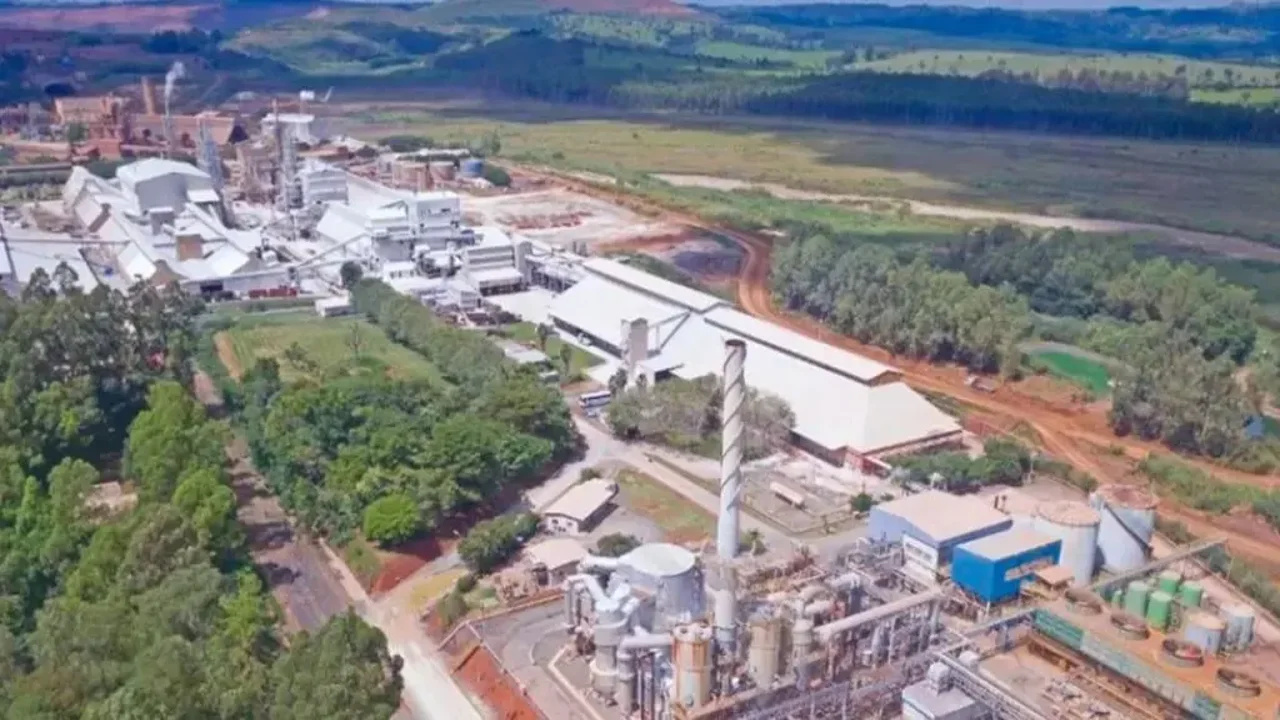
Sale of Mosaic in Patos de Minas (MG) Reinforces Global Restructuring of the Company and Opens Doors for Brazilian Group to Reactivate Strategic Mine in the Cerrado
The American multinational The Mosaic Company, one of the largest global producers of phosphate and potash fertilizers, announced the completion of the sale of its decommissioned phosphate mining unit in Patos de Minas (MG), according to Compre Rural.
The asset was acquired by the company Fosfatados Centro SPE Ltda. for US$ 111 million, in a transaction that marks another step in the restructuring of the agricultural inputs market in Brazil.
According to an official statement released by Mosaic on October 6, 2025, US$ 51 million was paid at the closing of the deal, and the remaining amount will be settled over the next four years.
The agreement includes the transfer of the mine, the tailings dams, and the associated licenses, which guarantees the new owner full control of the operation.
“This decision is part of our global portfolio optimization strategy, allowing us to reallocate capital to higher return areas,” said Karen Swager, Executive Vice President of Operations at Mosaic.
-
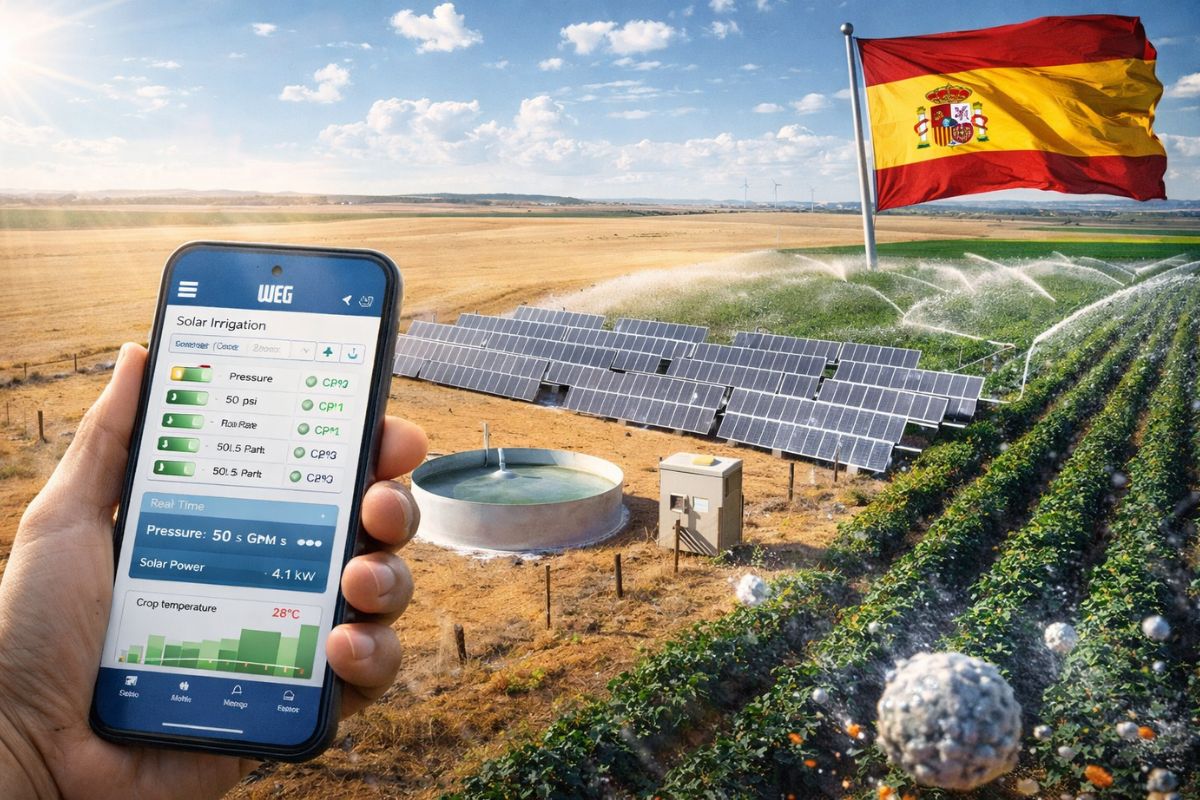
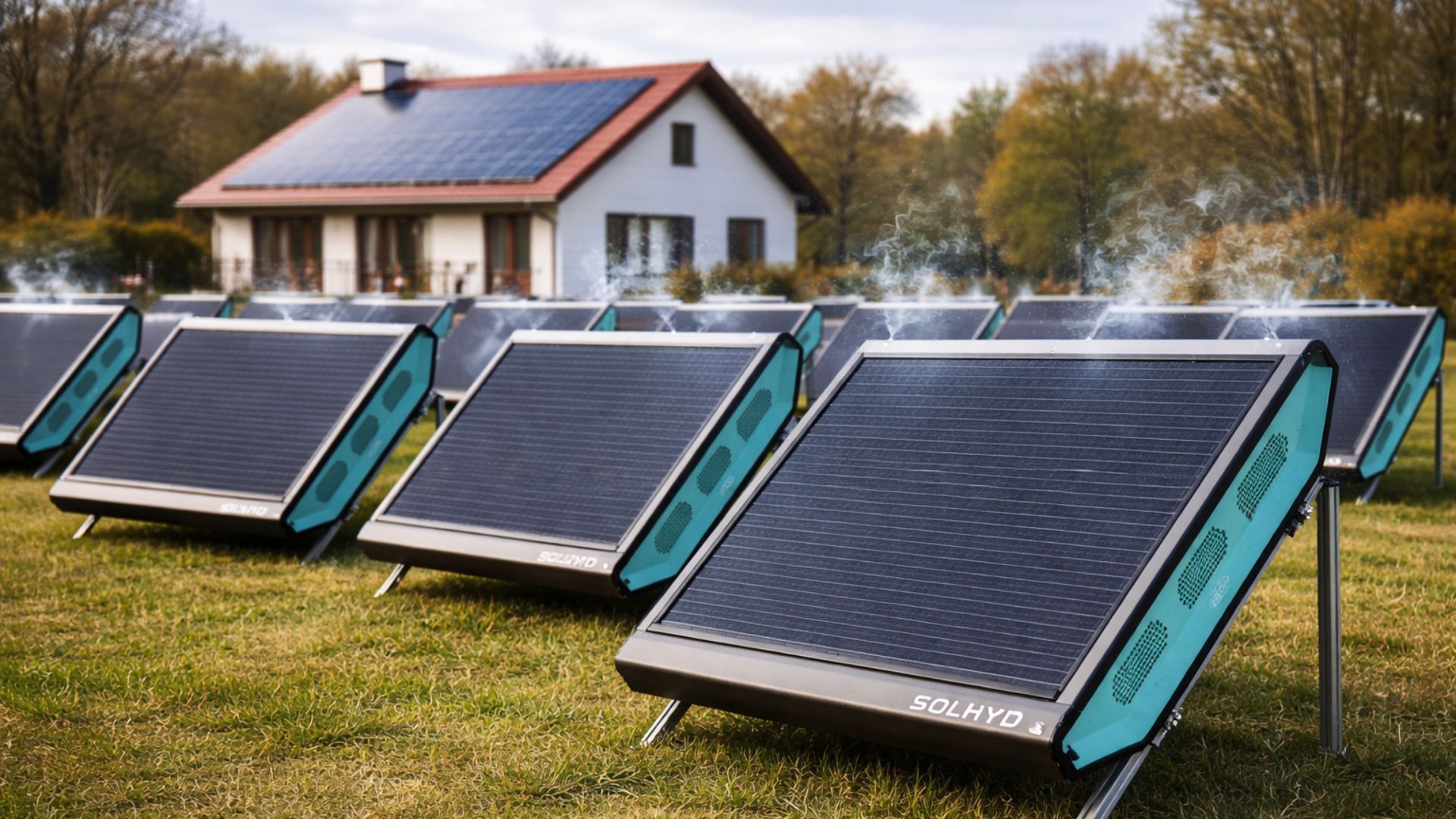
WEG took its technology to Spain to create a solar irrigation system that operates independently without needing an electrical grid, and now farmers control everything remotely via their mobile phones.
-
The US faces a meat crisis with fires, pests, and strikes, consumption rises and supply falls to the lowest level since 1952, creating a billion-dollar opportunity for Brazilian exports to grow in 2026.

-
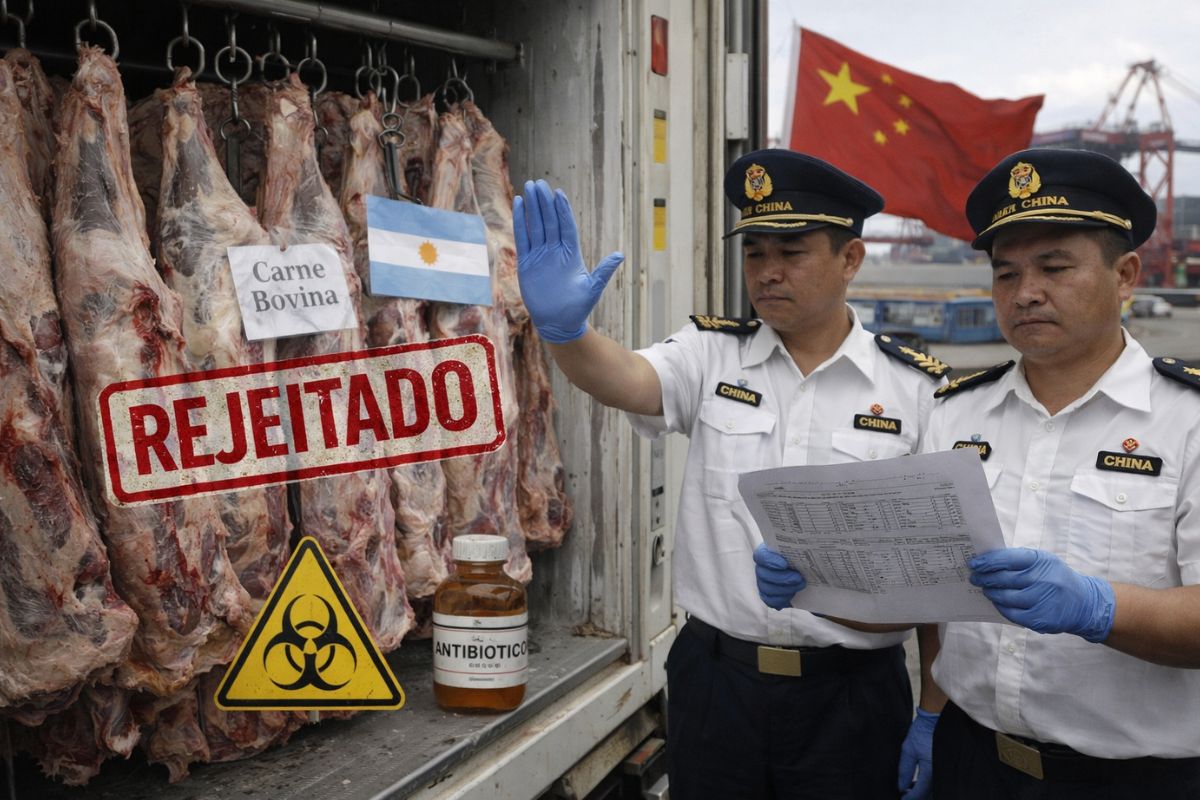
China rejected an entire shipment of beef from Argentina after detecting an antibiotic so dangerous that it has been banned for human consumption for over 30 years, and now the export sector is facing a crisis of international trust.
-
With nearly 500 thousand tons per year, barley production is growing in Brazil, while a decline in beer consumption among Generation Z raises alarms in the sector.


The company estimates to record an accounting profit between US$ 80 and US$ 90 million in the fourth quarter of 2025, a direct result of this transaction.
New Owner Promises to Reactivate Production and Serve the Cerrado
Under the leadership of businessman Rodolfo Galvani Júnior, Fosfatados Centro SPE Ltda. intends to reactivate the Patos de Minas mining complex, which has been inactive since 2018.
The aim is to resume the production of customized phosphate fertilizers aimed at tropical agriculture, especially for the Cerrado and the Matopiba region (Maranhão, Tocantins, Piauí, and Bahia), which are the fastest-growing areas in the national agribusiness.
According to the company, the project is aligned with the National Fertilizers Plan (PNF), created by the federal government, which aims to reduce external dependence on agricultural inputs — currently above 80% — and increase domestic production by 2050.
“We want to produce in Brazil the fertilizer that the Cerrado needs, with national technology, sustainability, and the generation of local jobs,” declared Galvani Júnior.
The expectation is that the reactivation will boost the regional economy, generate hundreds of direct and indirect jobs, and strengthen the domestic supply of agricultural nutrients — a strategic necessity for the country.
Fertilizer Sector Is Experiencing a Transformation
The global fertilizer market is undergoing a period of significant adjustments. Rising ammonia and sulfur prices, coupled with geopolitical tensions and the global quest for more secure supply chains, are prompting companies to reevaluate strategies and prioritize more profitable operations.
Mosaic is following this line of rationalization. Before the sale of Patos de Minas, the company had already announced in August the negotiation of its subsidiary Mosaic Potassium Mining to VL Mineração, for up to US$ 27 million, involving the Taquari-Vassouras mine in Rosário do Catete (SE).
These operations indicate a global shift in focus, with Mosaic prioritizing regions with high economic returns and releasing assets in Brazil to local groups, which are gaining more prominence in national production.
Strategic Importance of the Mining Unit
The Patos de Minas mine has been historically significant for Brazilian agribusiness. For decades, it was one of the main sources of phosphate — an essential input for crop development and agricultural productivity growth.
With the new owner, the site is expected to receive technological modernization, new environmental management practices, and increased efficiency in mineral utilization.
Fosfatados Centro has already indicated that it will adopt cleaner beneficiation technologies, with lower waste emissions and water reuse, as well as integrate digital solutions for production control.
If realized, the project could turn the unit into a national reference for sustainable mining.
For the federal government, this type of operation is crucial to achieving the goals of the National Fertilizers Plan, launched in 2022, which aims to gradually reduce external dependence and strengthen Brazilian self-sufficiency in the sector.
Mosaic and Its Trajectory in Brazil
Mosaic’s presence in Brazil was solidified in 2018, with the acquisition of Vale Fertilizantes, a transaction that transformed the company into one of the largest suppliers of agricultural inputs in Latin America.
Since then, the company has operated throughout the entire supply chain — from extraction to direct supply to rural producers.
With the sale of the mining unit, Mosaic reinforces its focus on more productive and sustainable operations, aligned with its global strategy of competitiveness and innovation, especially in the phosphate and potassium segments.
Overview of the Operation:
| Detail | Information |
| Unit Sold | Phosphate Mine in Patos de Minas (MG) |
| Total Value | US$ 111 million |
| Initial Payment | US$ 51 million |
| Payment Term | 4 years |
| New Owner | Fosfatados Centro SPE Ltda. |
| Estimated Accounting Profit | US$ 80 to 90 million |
| Previous Situation | Unit inactive since 2018 |
| Mosaic’s Strategy | Reallocate capital and prioritize higher return areas |
| Buyer’s Goal | Resume production and serve Cerrado agriculture |
A New Chapter for National Agribusiness
The sale of Mosaic’s unit in Patos de Minas is more than a financial transaction: it represents a strategic move that could alter the balance of the fertilizer industry in Brazil.
By placing control in the hands of a national company, it opens up the opportunity to strengthen domestic production, foster technological innovation, and reduce the country’s vulnerability to imports.
For agribusiness, the news is positive. But the question remains: Will Brazil be able to transform these acquisitions into real self-sufficiency or will it continue to depend on the external market?
Share your opinion in the comments.





Seja o primeiro a reagir!