





 Portuguese
  English
  Spanish
  3 min of reading
  0 comments



The Wangu Gold Field Stands Out as One of the Most Relevant Discoveries of Recent Mining, Because It Presents Extreme Depth and Grade Well Above the World Average
The discovery was confirmed in early 2025, and authorities reported that gold bars were found at over a thousand meters deep in Pingjiang County, Hunan. Experts classified the deposit as one of the most important of the decade, as the volume exceeds 300 metric tons and demonstrates exceptional purity. Thus, the Wangu field has become a strategic priority for the Chinese government.
The approximate grade of 138 grams of gold per ton surpasses the global average of 8 grams per ton, reinforcing the deposit’s significance. As such, Wangu has joined the ranks of the richest deposits in the world in terms of quantity and quality.
Geological Characteristics and Relevance of the Wangu Deposit
The peculiarity of the area is not limited to the significant size of the reservoir. The high concentration of the ore reinforces the geological uniqueness of the region, which immediately captured the attention of Chinese authorities and prospecting specialists.
-
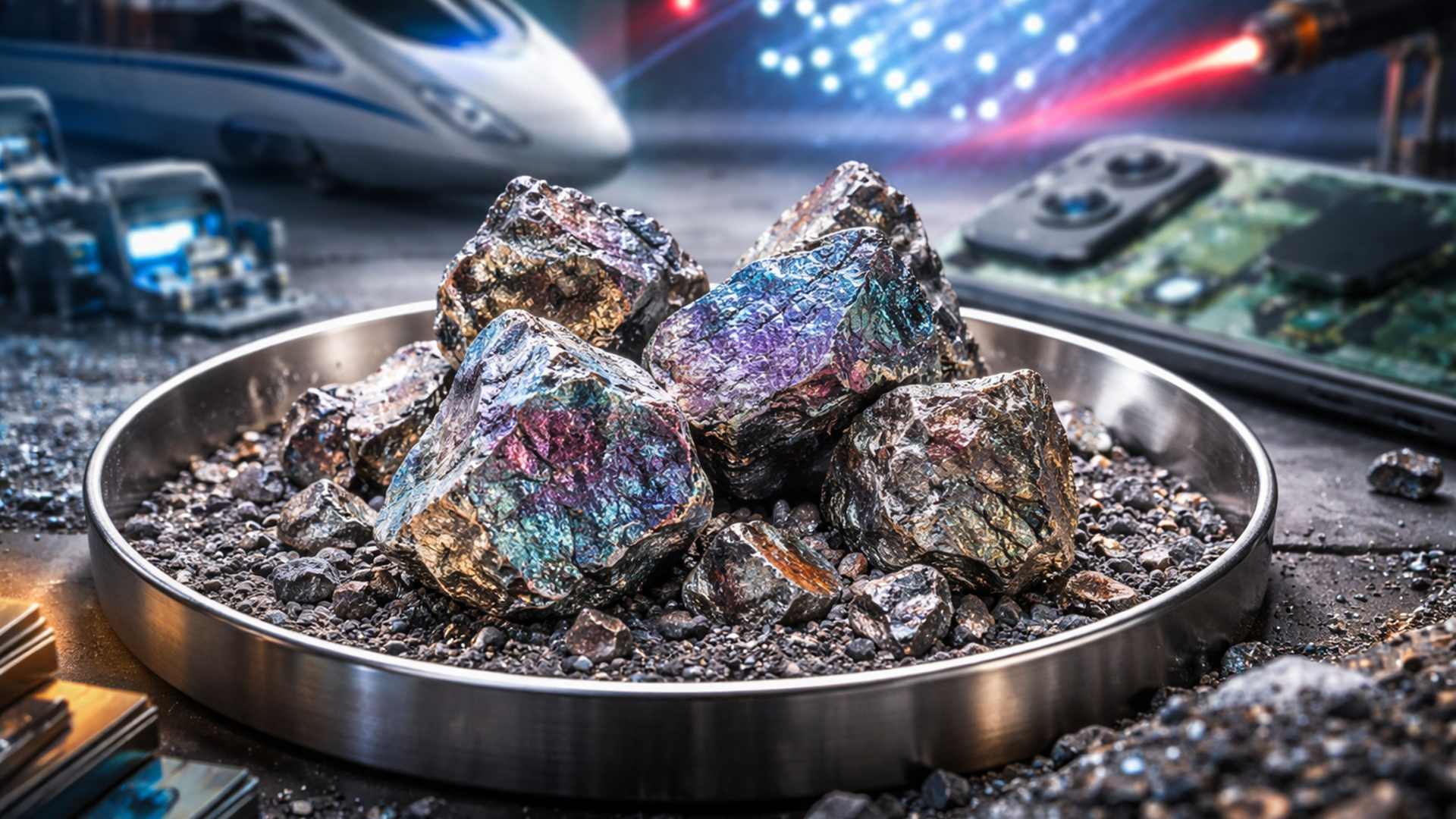
Rare earths are in everything, from cell phones to bullet trains, and what almost no one realizes is why they have become the target of such a delicate global war.
-
Brazil extracts 26.3 million tons of ore from what was previously treated as waste, transforming residues into wealth, producing over 3 million tons of sand, and demonstrating how national mining is relearning to generate value.

-
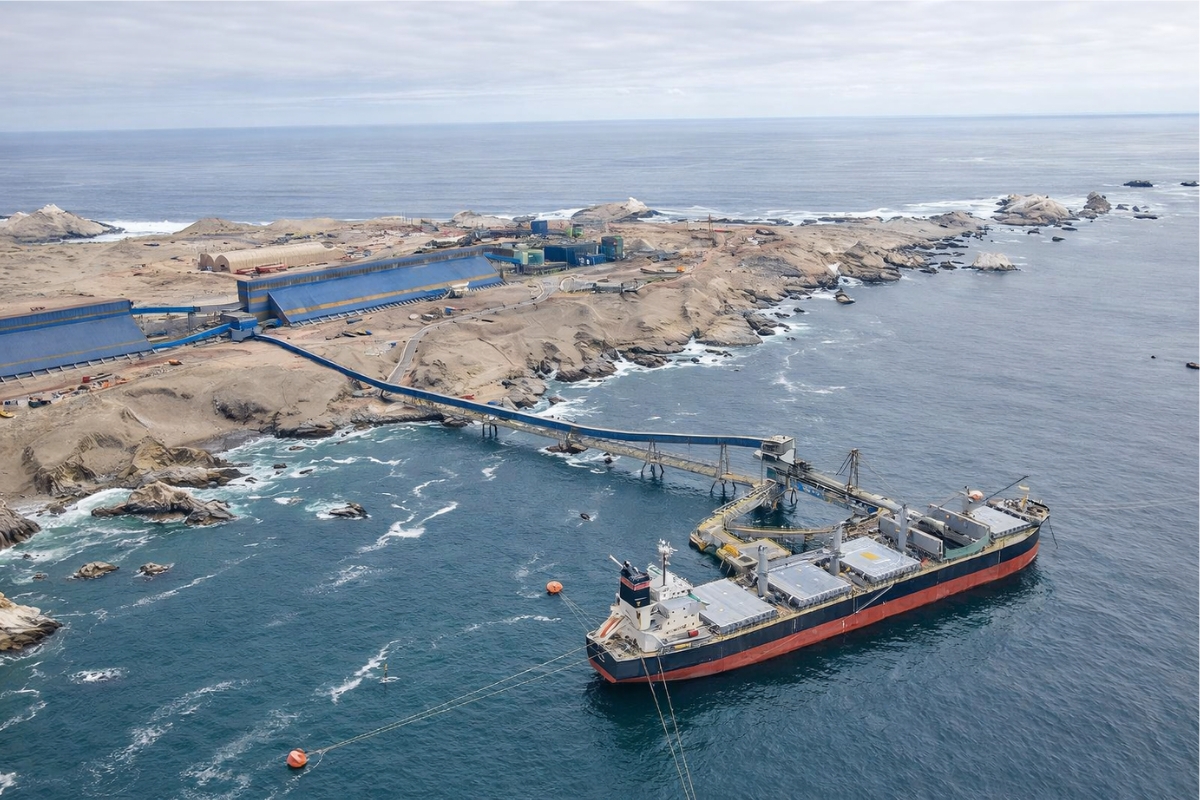
A $3.5 billion megaproject in Latin America pumps desalinated seawater at 1,050 liters per second over 194 km to keep a copper supermine in the Andes operational for another 20 years.
-
A hidden mine in the Andes valued at nearly R$ 1 trillion is starting to attract global attention, containing copper, gold, and silver, and raises an intriguing question: why do Argentina and Chile need to act together to exploit this gigantic wealth?
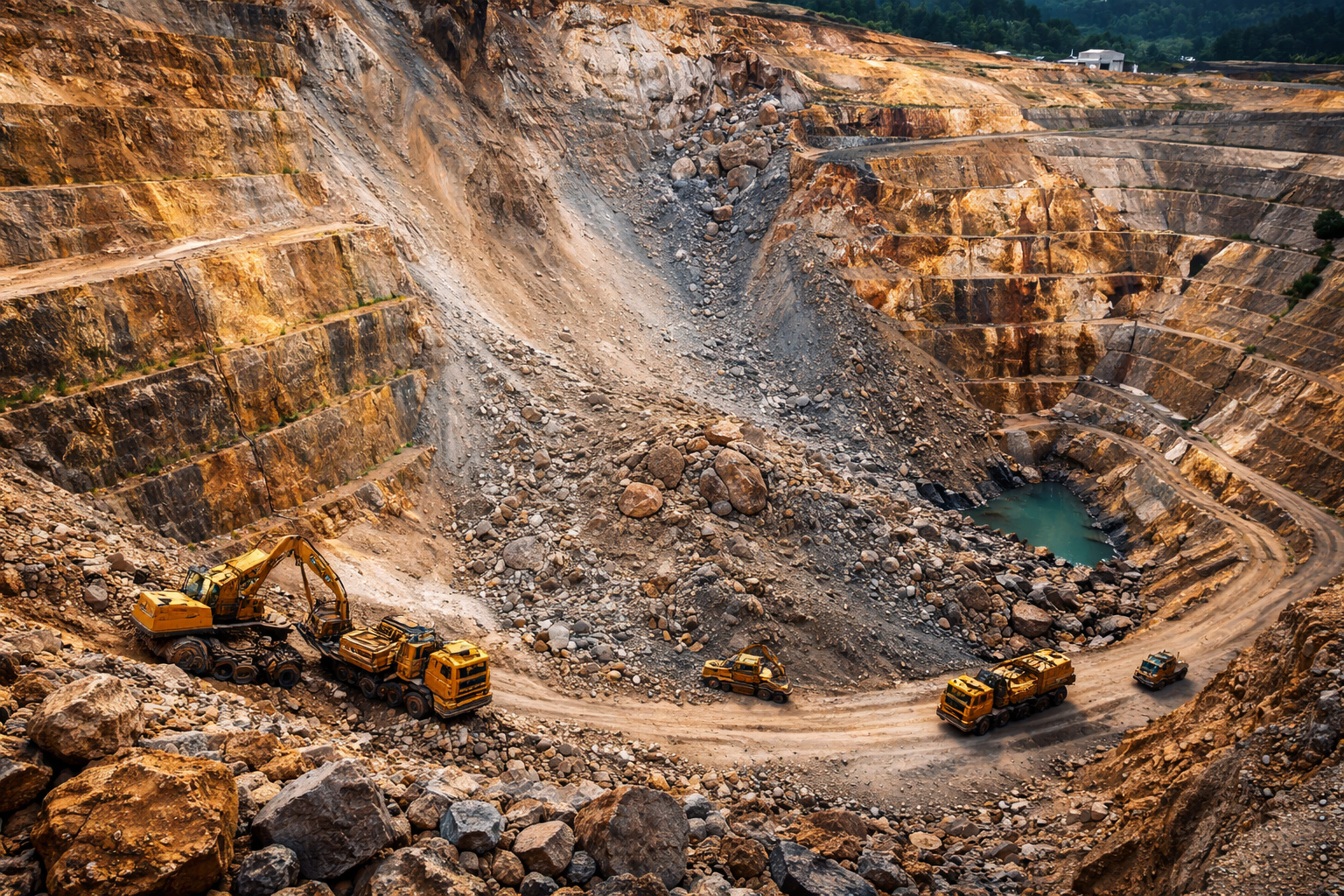

The analysis conducted throughout early 2025 demonstrated that Wangu meets rare geological conditions capable of producing one of the highest grades ever recorded in recent underground exploration. Moreover, the extreme depth of the geological formation emphasizes the atypical nature of the discovery.
Due to these unusual characteristics, the region has been included in major technical studies related to mineral productivity and potential expansion of new exploration fronts within the country.
Economic Impact of the Discovery in Early 2025
The announcement released by the state agency Xinhua indicated that the deposit exceeds 83 million dollars in initial economic value estimation. Consequently, the international market observed the possibility of adjustments in gold price behavior amid high global demand.
The metal, often used as a safe-haven asset during periods of uncertainty, was already trading near 2,700 dollars per ounce in early 2025. Therefore, the confirmation of a significant deposit like Wangu raised expectations about potential impacts on the global balance between supply and demand.
Although the volume found does not immediately alter the international structure, authorities and analysts assess that discoveries of this scale influence mining strategies and reserve policies in different countries.
Technologies Used in the Identification and Analysis of the Deposit
Through 3D geological modeling processes, Chinese technical teams identified over 40 gold veins at great depths. These procedures allowed for mapping complex underground structures with a high degree of precision.
The utilization of these technological resources made it possible to execute drillings that have already reached around 3,000 meters deep. This level of detail expanded the visualization capacity of the rock layers and facilitated the recognition of areas with potential for future expansions of mining activity.
As a result, the technicians responsible for the operation began projecting that the region may host new, yet-to-be-identified reserves, which reinforces the geological importance of the field.
Developments for the Future of Mining and Global Exploration
The discovery in Pingjiang County, confirmed in early 2025, has once again sparked debate over the technological and environmental limits of deep mining. The combination of high volume, extreme depth, and grade significantly above the international standard has attracted discussions about the exploration models adopted by different countries.
Experts indicate that discoveries like Wangu may stimulate new global prospecting campaigns, especially in areas deemed geologically stable and potentially underexplored.
Furthermore, Chinese mining authorities assess that the identification of deep deposits will require new technologies, greater environmental control, and detailed evaluations of economic and operational sustainability.
Technical and Environmental Understanding of the Find
Chinese institutions state that the case reinforces the need to improve exploration processes to ensure safety at great depths. Additionally, geological studies show that deposits like Wangu enhance the understanding of underground mineral formations.
Thus, specialists interpret the discovery as a milestone regarding the potential still existing underground. Therefore, the find reinforces the perception that new reserves may arise with the advancement of prospecting technologies.








Seja o primeiro a reagir!